Quick answer
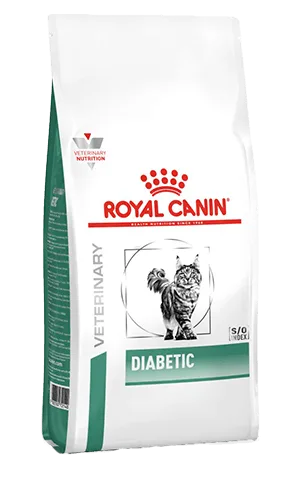
Royal Canin Diabetic dry cat food is a veterinary dietetic feed formulated to help regulate glucose supply, with a low level of mono- and disaccharides. Ask your veterinarian for the correct daily amount based on your cat's weight and glucose curve, then feed measured meals at consistent times. Never change the portion or diet without veterinary guidance.
Get a veterinary target before you open the bag
Royal Canin Diabetic is a dietetic feed intended for the regulation of glucose supply in cats with diabetes mellitus. The manufacturer recommends seeking a veterinarian's opinion before use and before extending the feeding period. Your vet will set a daily calorie target and may adjust it based on insulin type, activity, and body condition. A kitchen scale is more accurate than a measuring cup for dry food, so weigh the first portion and use that as your reference.
Build a consistent daily meal schedule
Cats with diabetes do best on a predictable routine. Split the daily portion into two or more equal meals timed with insulin injections, if your vet has prescribed them. Free-feeding makes it hard to tell how much your cat actually eats and can blur the link between food and glucose readings. If your household has multiple cats, feed the diabetic cat in a separate room or use a microchip feeder so it cannot eat the other cat's food.
Measure, record, and adjust with data
Keep a simple log with date, meal times, amount fed, and any glucose or urine test results. Bring this log to veterinary appointments; patterns are easier to spot than single readings. Do not reduce or increase the portion on your own because a single reading looked high or low. If your cat leaves food behind, note it and ask your vet whether the portion or the feeding schedule needs to change.
Store the food so the portion stays accurate
Keep the dry food in its original bag inside an airtight container, and use it within the period your vet or the packaging recommends. Scooping from a stale or clumped bag can change how much your cat actually eats. Wash the bowl between meals, especially if your cat is on a prescription diet, because leftover crumbs from another food can undermine the glucose regulation you are trying to achieve.
Daily feeding steps
- Confirm the diet with your vet: Ask your veterinarian to confirm that Royal Canin Diabetic is appropriate for your cat and to set a daily amount based on weight and glucose status. Do not start or extend a dietetic feed without veterinary advice.
- Weigh the daily portion: Use a kitchen scale to weigh the total daily amount, then divide it into the number of meals your vet recommends. A cup measure can vary by 20% or more between scoops. Write the gram target on the food container so every household member feeds the same amount.
- Feed at fixed times: Offer meals at the same times each day, coordinated with insulin injections if prescribed. Remove uneaten food after 20 to 30 minutes so you can track actual intake. Consistency matters more than perfection; a stable routine makes glucose patterns readable.
- Log intake and glucose checks: Record how much was eaten, any vomiting or diarrhea, and glucose or urine test results in one notebook or app. Bring the log to every vet visit; it is the fastest way to spot a portion that needs adjusting.
- Recheck before changing anything: If weight, appetite, or glucose readings change, contact your vet before altering the portion or switching foods. Never stop or swap a prescription diet abruptly on your own.
Product facts
- ROYAL CANIN Diabetic Adult Dry Cat Food: ROYAL CANIN Diabetic Adult Dry Cat Food is a complete dietetic feed for cats formulated for the regulation of glucose supply in diabetes mellitus, with a low level of mono- and disaccharides. This is the specific nutritional profile your vet is targeting when they recommend a diabetic diet, so it belongs in the feeding plan rather than a standard maintenance food.