Quick answer
Most sake tastes best chilled at 50–60°F, but warming to 100–120°F can soften dry or rustic bottles. If you are unsure, start cold, then warm a small pour and compare. Serve the temperature that makes the sake taste clean, not sharp or flat.
What temperature should sake be served at?
Sake has a wider serving range than wine. Chilled temperatures (50–60°F) preserve delicate fruit and floral notes. Room temperature (around 68–72°F) brings out rice and umami. Warm temperatures (100–120°F) can round out acidity and make simple or dry sake feel smoother. Very hot sake (over 130°F) masks flaws but also kills aroma, so use it only for basic bottles.
How do I warm sake without ruining it?
Never microwave sake. Pour it into a small ceramic pitcher or heat-safe glass, then place it in a pot of simmering water. Heat gently and check the temperature with an instant-read thermometer. Remove the sake when it reaches 100–120°F. If you do not have a thermometer, heat until the pitcher feels warm but not hot to the touch, then taste. Stop as soon as the alcohol smell sharpens.
Does sake temperature change the food pairing?
Yes. Chilled sake works with light dishes like sashimi, salads, and steamed fish. Warm sake stands up to grilled meats, fried food, and soy-based sauces. Room temperature is the flexible middle ground for sushi, tempura, and mild curries. If you are serving a mixed menu, offer one chilled and one warm sake so guests can switch.
What is the best sake for beginners?
Start with a junmai or junmai ginjo labeled “sweet” or “dry” based on your taste. Avoid very cheap “cooking sake” for drinking. A good entry bottle will list rice-polishing ratio and alcohol content; if those are missing, treat it as a gamble. For a similar beginner-friendly approach, our Pinot Noir guide uses the same logic: match the bottle to the food, not the other way around.
Sake temperature quick reference
Chilled (50–60°F)
Best for delicate junmai ginjo and daiginjo. Keeps fruit and floral notes intact. Serve straight from the refrigerator for 20 minutes before pouring.
Room temperature (68–72°F)
A safe default for most junmai and honjozo. Balances rice, umami, and acidity. Let the bottle sit out for 30–60 minutes after refrigeration.
Warm (100–120°F)
Use for dry, rustic, or simple sake. Warmth softens edges and boosts umami. Heat gently in a water bath and stop before it smells alcoholic.
Bottle facts that help you choose
- ELEVATION PINOT NOIR 2023: ELEVATION PINOT NOIR 2023 is a Pinot Noir from the Russian River area with tasting notes of rhubarb, raspberry, cola, and clove, plus elegant earth notes. If you prefer red wine with sushi or grilled dishes, this Pinot Noir offers bright red fruit and earthy notes that can bridge sake and wine drinkers at the same table.
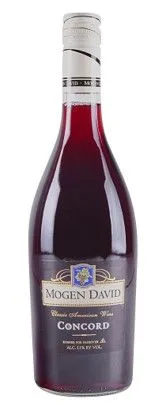
- MOGEN DAVID CONCORD NV, U.S.A.: MOGEN DAVID CONCORD NV is a sweet red wine from the U.S.A. with prominent grapey Concord flavors, best served chilled. For guests who want a sweeter, chilled pour instead of sake, this Concord wine is a low-commitment alternative that pairs with salty or fried snacks.