Quick answer
For most nail work, keep a small range rather than one grit: a coarse band for bulk acrylic removal, a medium band for shaping and blending, and a fine band for smoothing and finish prep. Match the band to your drill's mandrel size, replace it as soon as it stops cutting evenly, and treat color as a brand-specific label you confirm against the packaging.
Grit ranges and what each one actually does
Sanding bands are graded by grit, and the number tells you how aggressively the abrasive cuts. Lower numbers are coarser and remove more material per pass; higher numbers are finer and remove less. A workable kit covers three jobs: bulk removal, shaping, and finishing. Trying to do all three with one band usually means either slow removal or unnecessary damage to the natural nail.
A practical starting split is a coarse band for taking down product, a medium band for refining shape and blending the free edge, and a fine band for smoothing before your final steps. If you only buy two, choose one coarse and one fine, then accept that shaping will take longer. If you do a lot of removals, buy coarse bands in larger packs because they wear out fastest.
- Coarse: fastest material removal, use with light pressure and short passes.
- Medium: shaping, blending, and refining the surface after bulk removal.
- Fine: smoothing and prepping the surface before finishing steps.
- Extra-fine: minimal cutting, best for light cleanup rather than removal.
What sanding band colors mean (and why they are not universal)
Color is the most misunderstood part of buying sanding bands. Many brands use color to indicate grit, but the mapping is not standardized across manufacturers. A color that signals coarse on one brand's chart can indicate fine on another. Treat color as a quick visual cue for your own drawer, not as a spec you can trust across brands.
The reliable approach is to read the grit number printed on the packaging or product listing and sort your bands by that number. If you decant bands into a storage box, label the compartments with the grit, not the color. That way a restock from a different brand will not silently change what your 'blue band' does.
- Check the grit number on the listing before you buy, not just the swatch.
- Keep one brand's chart taped inside your storage drawer if you mix brands.
- Re-label your organizer whenever you switch suppliers.
Sizes and fit: matching bands to your drill
Sanding bands slide over a rubber mandrel that chucks into your nail drill. Fit is determined by the band's inner diameter and the mandrel's outer diameter, not by the drill handpiece itself. A band that is too loose will slip and chatter; one that is too tight is difficult to seat and can split at the seam.
Before buying a large pack, confirm the band diameter your mandrel takes and check whether the listing states a size. If a listing does not state the inner diameter, that is a real limitation: you cannot confirm compatibility from the page alone, so buy a small quantity first and test the fit. Also check the band length, since a band longer than your mandrel will overhang and wobble.
- Confirm inner diameter against your mandrel before bulk buying.
- Test one band for slip and wobble before committing to a pack.
- Replace a mandrel that has worn smooth, since no band will grip it well.
When to replace sanding bands
Sanding bands are consumables, and a worn band is worse than a fresh one because it cuts unevenly and encourages you to press harder. Replace when you notice any of the following: the band no longer bites on the first pass, the abrasive surface looks glazed or shiny, the seam is lifting, or the band spins off the mandrel under light pressure.
For heavy acrylic removal, expect to go through bands quickly, sometimes more than one per service. For light surface work, a single band can last through several sets. Keep a small trash cup at your station so you actually swap bands instead of pushing a dead one through another client.
- Glazed or shiny surface: replace immediately.
- Lifted seam or visible cracking: replace before it shreds.
- Band spins off under light pressure: check mandrel, then replace band.
- Slower cutting than usual: replace rather than increasing pressure.
Coarse vs fine: choosing for prep versus removal
The coarse-versus-fine decision comes down to how much product you need to remove and how much natural nail is exposed. Coarse bands belong on product removal where you are taking down acrylic or hard gel and can keep the band flat on the enhancement. Fine bands belong on natural nail prep and surface smoothing, where a coarse band would remove too much too fast.
A common mistake is staying on a coarse band after the bulk is gone. Switch to medium or fine as soon as you are near the natural nail, and let the finer band do the refining. This keeps your removal predictable and reduces the risk of over-filing.
- Bulk acrylic removal: coarse band, light pressure, keep moving.
- Near the natural nail: switch to medium or fine.
- Natural nail prep: fine band only.
- Surface smoothing before finish: fine band with light passes.
Decision rules for buying and swapping sanding bands
- If you mainly remove acrylic: Buy coarse bands in the largest pack available and keep a medium band for the transition near the natural nail. Do not rely on a fine band to do removal work; it will glaze and slow you down. Replace the coarse band as soon as cutting speed drops.
- If you mainly do prep and finishing: Buy fine and extra-fine bands, and add one medium band for occasional shaping. Skip bulk coarse packs unless you also do removals. A fine band that still cuts evenly is worth keeping; a glazed one is not.
- If you are unsure which color is which: Ignore the color and buy by grit number. Confirm the number on the listing, then label your storage by grit so a brand switch does not change your routine. Color is a cue, not a specification.
- If you cannot find the band's inner diameter: Treat the missing size as a real limitation. Order a small quantity, test the fit on your mandrel, and only then buy a bulk pack. Fit first, volume second.
- If a band starts behaving differently: Check the mandrel for wear before blaming the band. A worn mandrel makes every band slip, and no grit choice will fix that. Swap the mandrel if bands spin on a fresh pack.
Powders that pair well with a grit routine
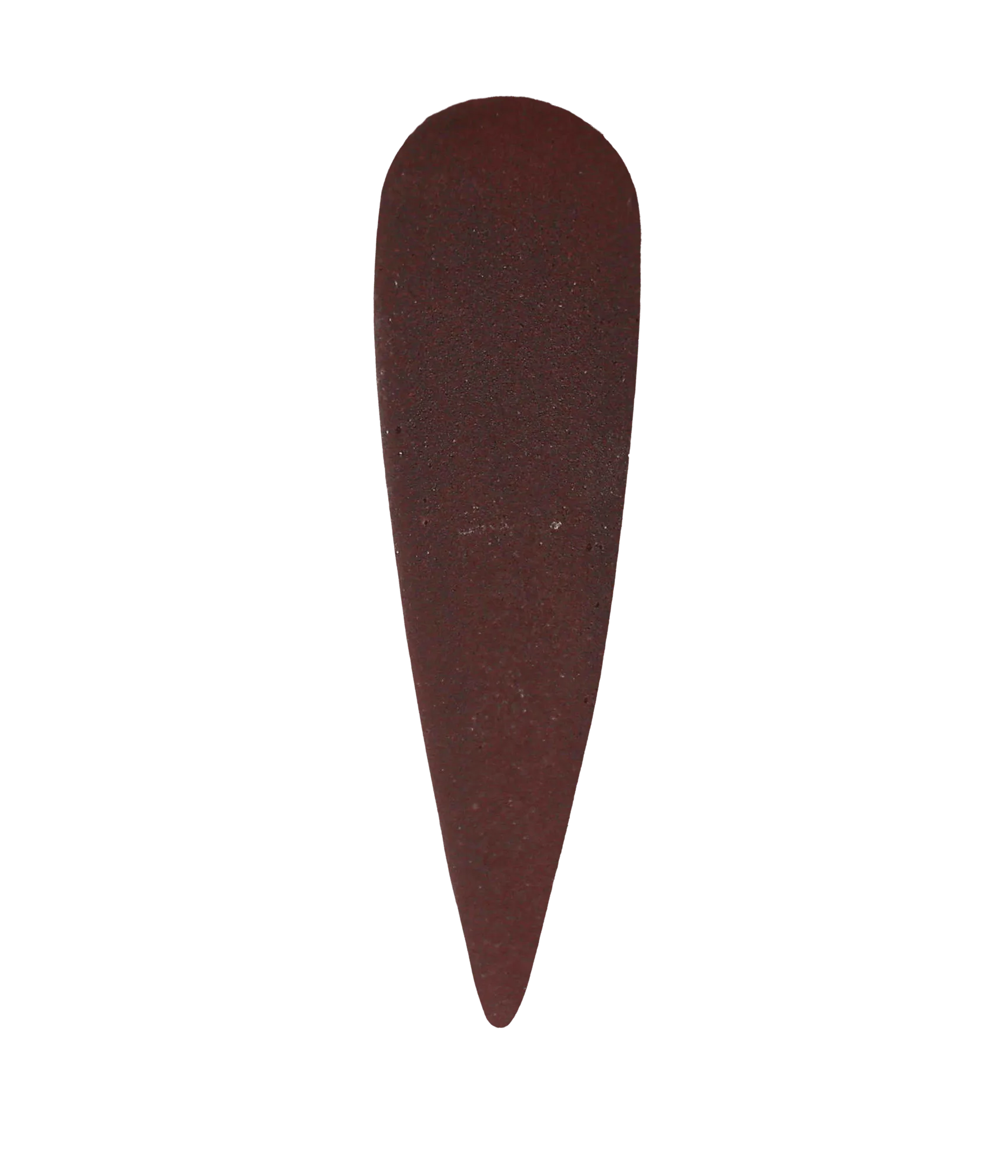
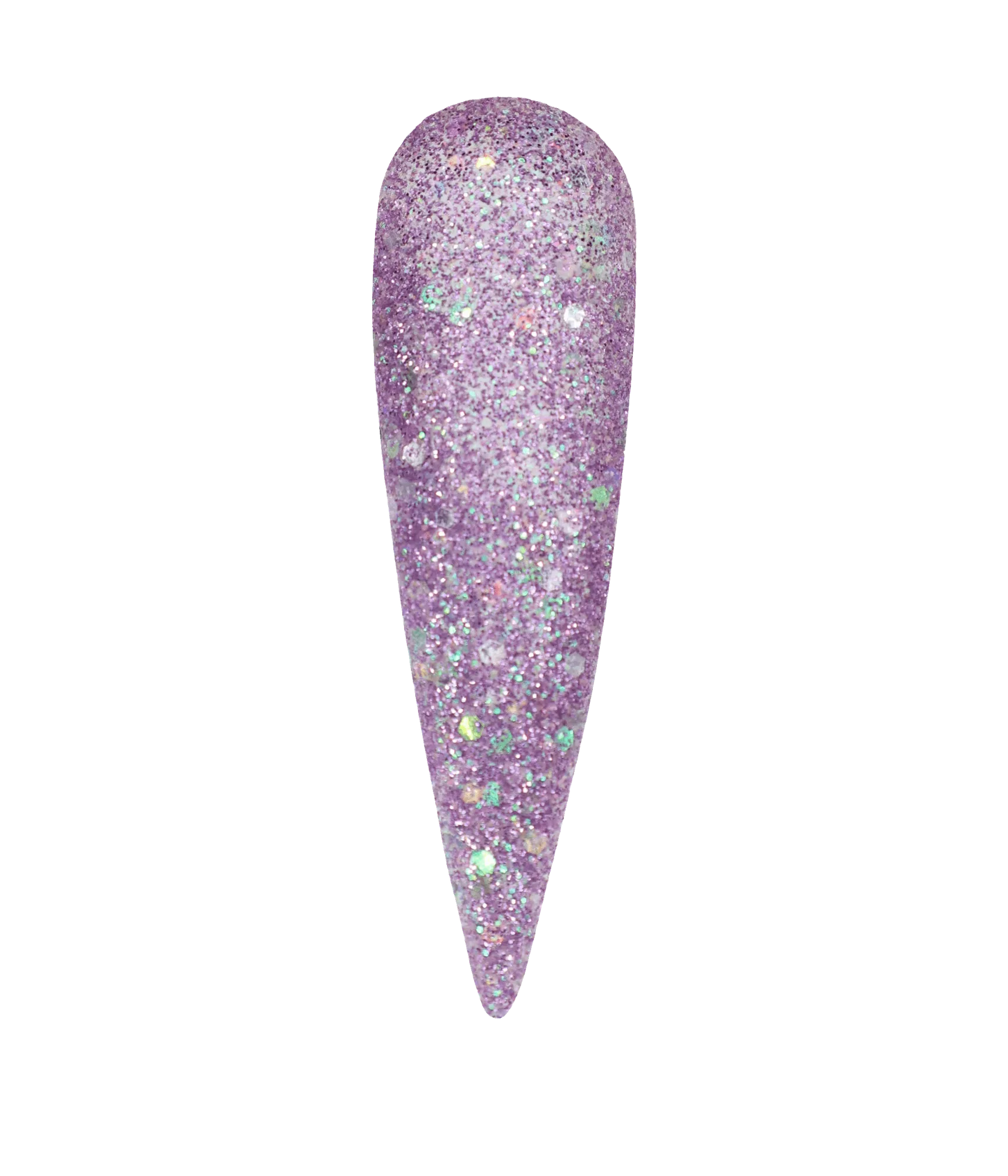
- #72 Espresso Martini Acrylic Nail Powder: Espresso Martini Acrylic Nail Powder is described as a uniquely formulated acrylic powder with a butter-like consistency for a smooth, professional-grade finish. A butter-like powder is easier to control during application, so you can keep your shaping and blending passes on medium and fine bands instead of fighting the product with a coarse grit.
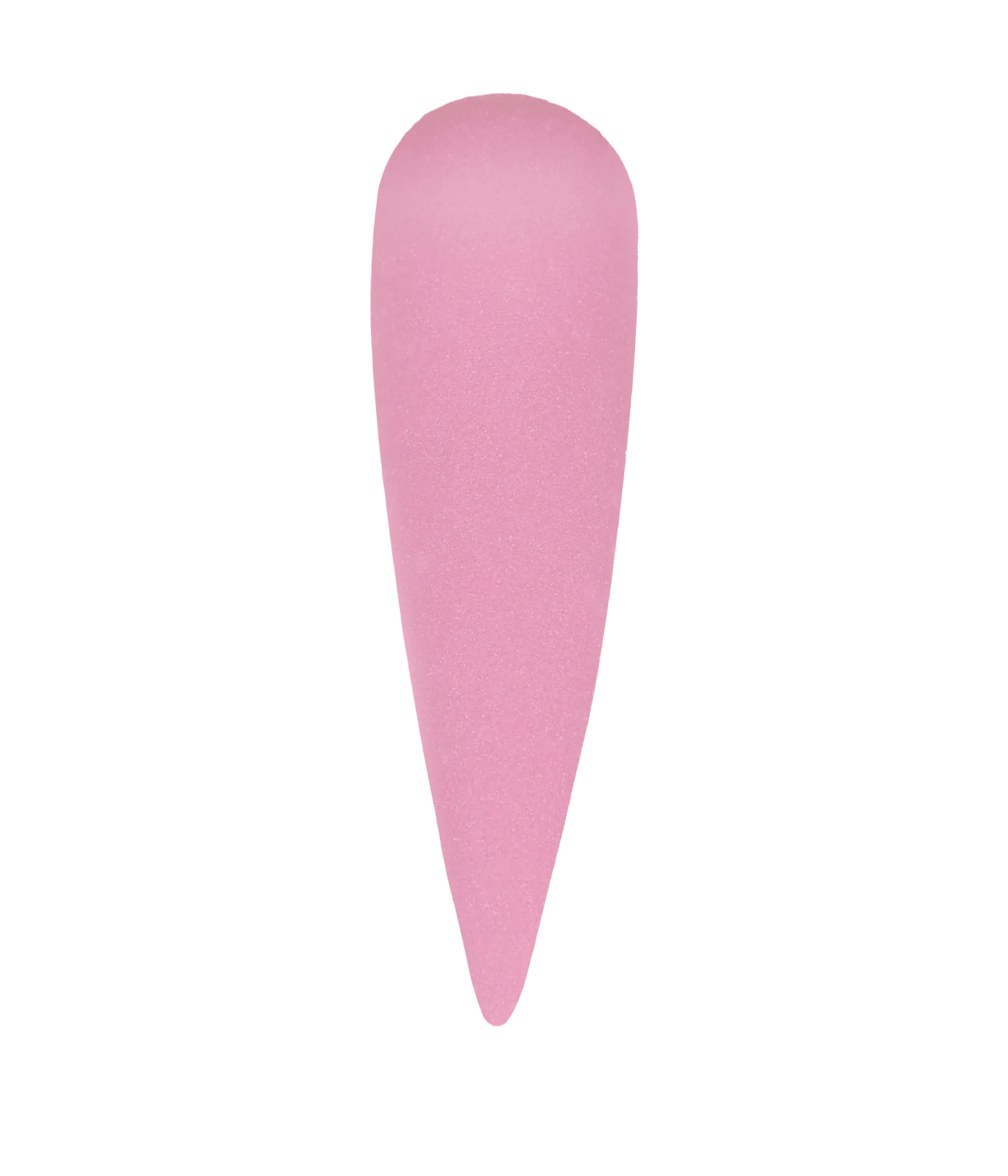
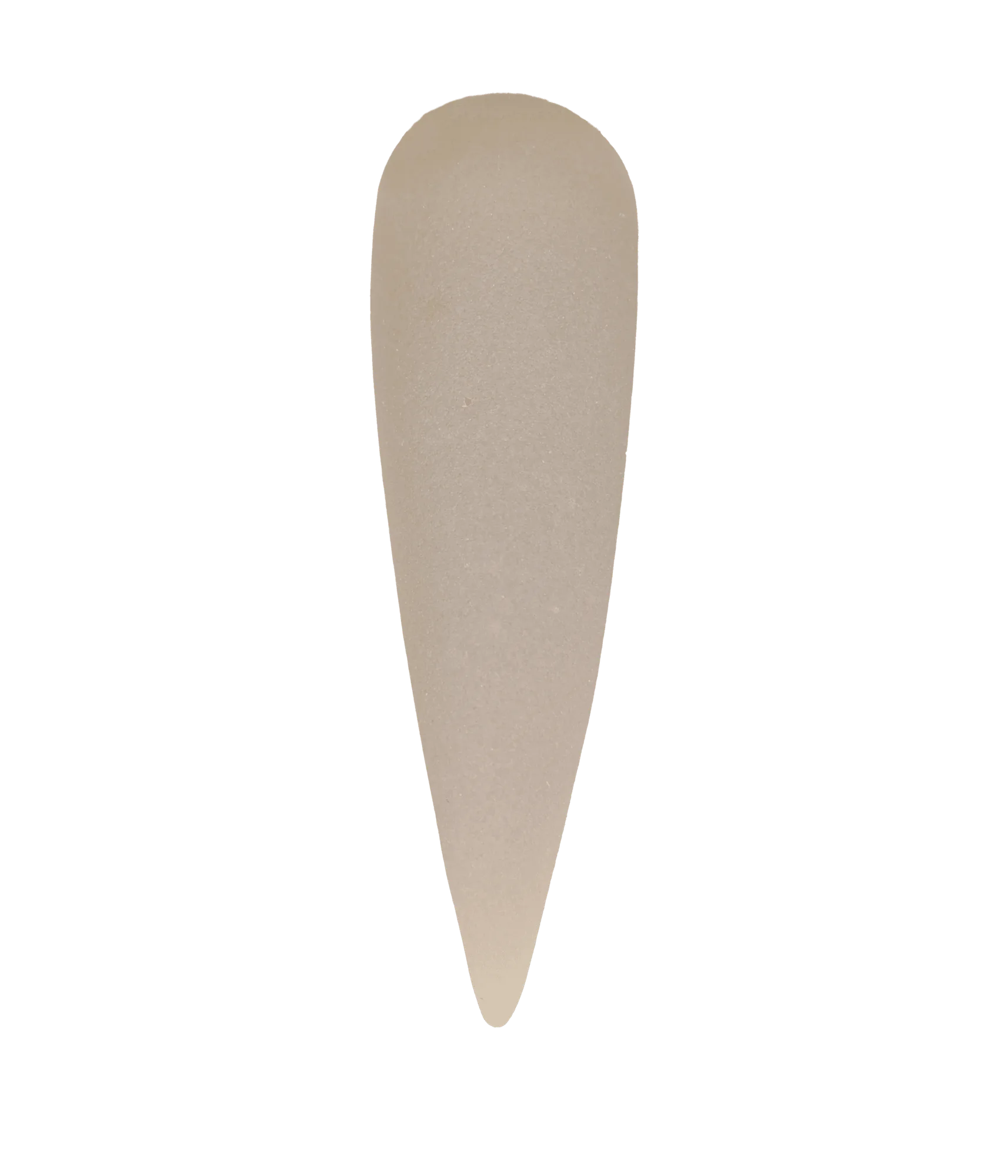
- #2 Buttery Nipple - Acrylic Nail Powder: Buttery Nipple Acrylic Nail Powder is described as a uniquely formulated acrylic powder with a butter-like consistency suited to both beginners and advanced nail technicians. If you are new to drill work, a forgiving powder plus a medium band for shaping reduces the chance of over-filing while you build hand speed.
- #4 Cosmopolitan - Acrylic Nail Powder: Cosmopolitan Acrylic Nail Powder is described as a uniquely formulated acrylic powder with a butter-like consistency for precision and ease. Consistent application means fewer high spots to grind down later, which stretches how long each sanding band stays useful.
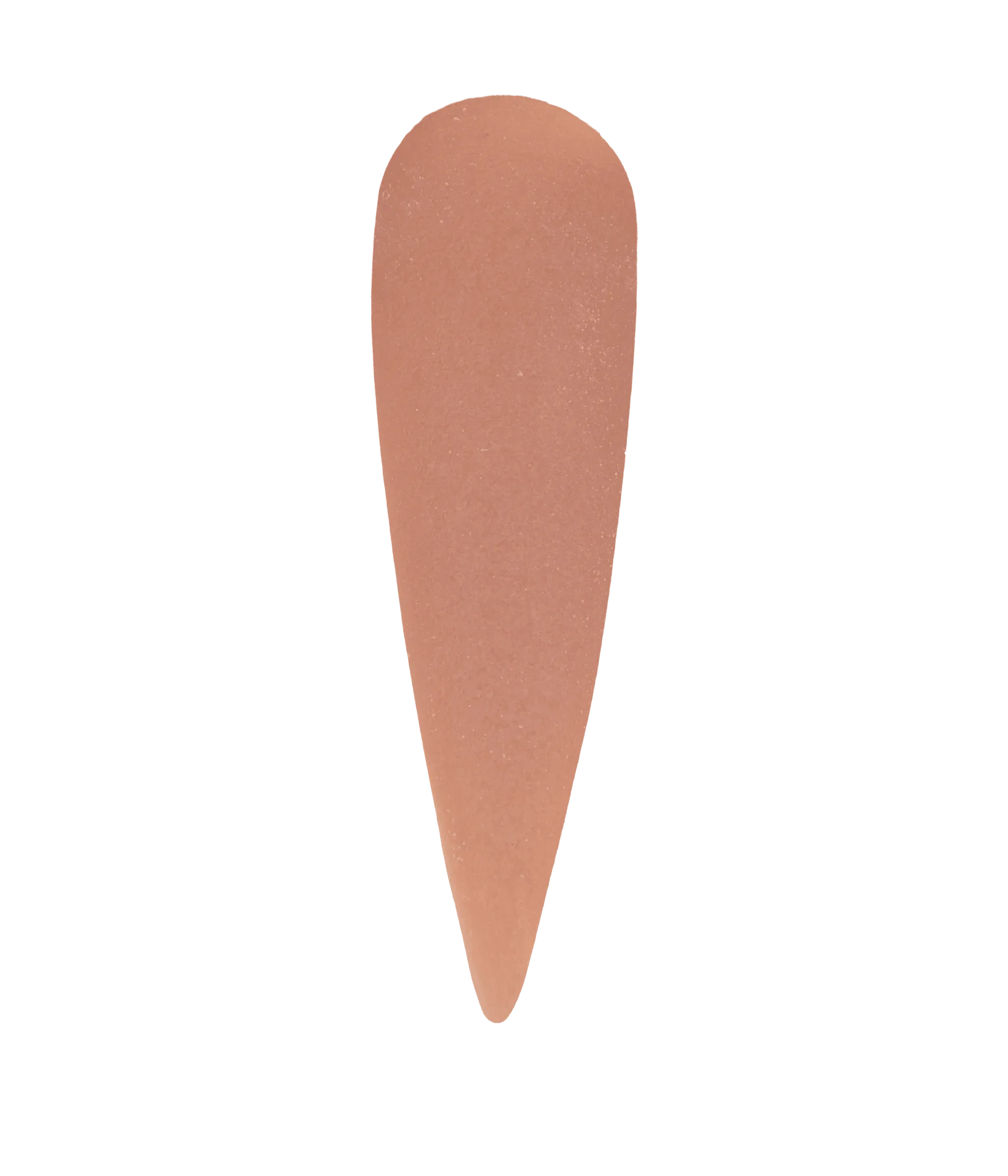
- Salted Caramel Mudslide #16 Acrylic Nail Powder: Salted Caramel Mudslide #16 Acrylic Nail Powder is described as a uniquely formulated acrylic powder with a butter-like consistency for a smooth finish. Smooth application keeps your refinement stage short, so you can reserve fine bands for finishing rather than corrective filing.
Who this approach fits
Best for
- Nail technicians who do both acrylic removal and natural nail prep
- Beginners building a first drill kit who want a small, clear grit range
- Anyone who mixes band brands and needs a reliable way to sort by grit
Not for
- Technicians who only do hand filing and never use a drill
- Buyers looking for a single band that handles every step
- Anyone who cannot confirm their mandrel size and needs a guaranteed fit