If you’re serious about hair health, you already know that what you do while you sleep matters. Tossing and turning on a cotton pillowcase can cause friction, breakage, and moisture loss. That’s why more people are turning to sleeping caps—but with so many materials to choose from, how do you pick the right one? Satin, silk, and bamboo are the three most popular options, each with unique benefits for your hair and scalp. In this guide, we’ll break down the differences to help you choose the best sleeping cap material for your hair type and goals.
Whether you’re protecting natural curls, preserving a blowout, or supporting a hair growth routine, the right sleeping cap can make a noticeable difference. Let’s dive into the pros and cons of satin, silk, and bamboo so you can wake up to healthier, happier hair.
Why Sleeping Cap Material Matters for Hair Health
Your hair is most vulnerable while you sleep. Friction against rough fabrics like cotton can lead to split ends, frizz, and even breakage. Additionally, cotton absorbs natural oils and moisture from your hair and scalp, leaving strands dry and brittle. A sleeping cap creates a protective barrier, reducing friction and helping your hair retain its natural hydration. The material of that cap determines how well it performs these functions.
For those using hair growth treatments like minoxidil or red light therapy, a sleeping cap can also help lock in products and prevent them from rubbing off on your pillow. The right material can even support scalp health by reducing irritation and maintaining a balanced environment. So, choosing wisely isn’t just about comfort—it’s a key part of your hair care routine.
- Reduces friction and prevents breakage
- Helps retain moisture and natural oils
- Protects hairstyles and reduces frizz
- Can keep hair products in place overnight
Satin Sleeping Caps: Affordable and Effective
Satin is a weave, not a fiber—it can be made from polyester, nylon, or silk. Satin sleeping caps are widely popular because they offer a smooth, slippery surface that minimizes friction and prevents tangling. They are also affordable and easy to care for. Satin is a great choice for those with curly, coily, or textured hair types that are prone to dryness and breakage. It helps retain moisture and reduces frizz without the high cost of silk.
However, satin is less breathable than natural fibers, which may lead to heat buildup for some sleepers. If you have a sensitive scalp or are prone to sweating, you might prefer a more breathable option. Still, for most people, satin provides excellent protection at a budget-friendly price. If you’re looking for a cap that combines affordability with performance, satin is a solid choice.
- Smooth surface reduces friction and tangling
- Affordable and widely available
- Helps retain moisture and reduce frizz
- Less breathable than natural fibers
Silk Sleeping Caps: The Premium Choice for Hair and Skin
Silk is a natural protein fiber produced by silkworms. It is renowned for its luxurious feel and exceptional benefits for hair and skin. Silk sleeping caps are smoother than satin, causing even less friction and reducing the risk of hair breakage and split ends. Silk is also naturally hypoallergenic and resistant to dust mites, making it ideal for sensitive scalps. Additionally, silk does not absorb moisture as much as cotton, helping your hair retain its natural oils and any products you’ve applied.
The main downside is cost—silk caps are significantly more expensive than satin or bamboo. They also require more delicate care, often needing hand washing and air drying. But for those who can invest, silk offers unparalleled protection and comfort. If you’re using high-end hair serums or treatments, silk’s non-absorbent nature ensures your products stay on your hair and scalp overnight.
- Ultra-smooth surface minimizes friction
- Hypoallergenic and gentle on sensitive scalps
- Retains moisture and product efficacy
- Higher cost and requires gentle care
Bamboo Sleeping Caps: Eco-Friendly and Breathable
Bamboo fabric is made from bamboo pulp and is known for its softness, breathability, and eco-friendliness. Bamboo sleeping caps are a great option for those who prioritize sustainability and temperature regulation. Bamboo is naturally moisture-wicking and antimicrobial, which helps keep your scalp cool and dry throughout the night. This makes it an excellent choice for people with oily scalps or those who tend to sweat while sleeping.
However, bamboo is not as smooth as satin or silk, so it may cause slightly more friction. It is also more absorbent than silk, which means it can draw moisture away from your hair—a potential downside if you’re trying to retain hydration. For those with very dry or damaged hair, bamboo may not be the best choice. But for overall scalp health and comfort, bamboo is a strong contender.
- Breathable and moisture-wicking for cool sleep
- Antimicrobial and eco-friendly
- Soft and gentle on hair
- More absorbent than silk; may not retain moisture as well
How to Choose the Best Material for Your Hair Type and Goals
The best sleeping cap material depends on your hair type, scalp condition, and personal priorities. For curly, coily, or textured hair that needs maximum moisture retention and minimal friction, silk is the top choice. If you’re on a budget but still want excellent protection, satin is a fantastic alternative. For those with oily scalps or who sleep hot, bamboo’s breathability and moisture-wicking properties can help maintain a healthy scalp environment.
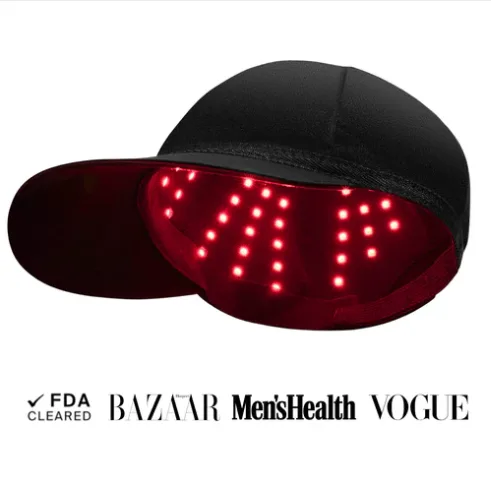
Consider your hair care routine as well. If you use overnight treatments like the TrichoGlow Hair Serum or Minoxidil Scalp Care Hair Densifying & Growth Mousse Spray, a non-absorbent material like silk or satin will keep the product on your hair and scalp. If you use a red light therapy cap like the TrichoTMGlowCap - Red Light Therapy Regrowth Cap, you’ll want a cap that doesn’t interfere with your treatment schedule—choose a sleeping cap that can be worn after therapy without compromising results.
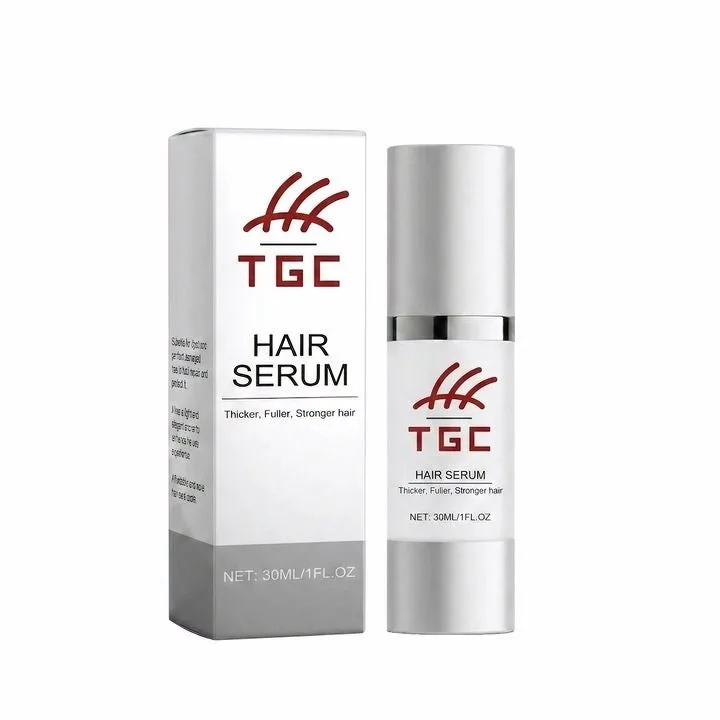
TrichoGlow Hair Serum
- Silk: Best for moisture retention and sensitive scalps
- Satin: Great budget-friendly option with similar benefits
- Bamboo: Ideal for oily scalps and hot sleepers
- Match material to your hair goals and treatment routine
Caring for Your Sleeping Cap to Extend Its Life
To get the most out of your sleeping cap, proper care is essential. Always check the care label—silk and some satin caps require hand washing in cold water with a mild detergent, while bamboo caps may be machine washable on a gentle cycle. Avoid wringing or twisting the cap, as this can damage the fibers. Instead, gently squeeze out excess water and lay flat to dry. Never use bleach or fabric softener, as these can break down the material and reduce its effectiveness.
Rotating between two caps can also extend their lifespan and ensure you always have a clean one ready. A well-maintained sleeping cap can last for months, providing consistent protection for your hair and scalp. Investing in quality care will keep your cap performing at its best.
- Hand wash silk and delicate satin caps
- Use mild detergent and cold water
- Lay flat to dry; avoid heat and wringing
- Rotate caps to reduce wear and maintain hygiene
Choosing the right sleeping cap material is a simple yet powerful step toward healthier hair. Whether you opt for affordable satin, luxurious silk, or eco-friendly bamboo, your hair will thank you for the overnight protection. If you’re looking for a ready-made solution, check out the TrichoGlow Sleeping Cap, designed to combine comfort and effectiveness for all hair types. Sweet dreams and happy hair days!
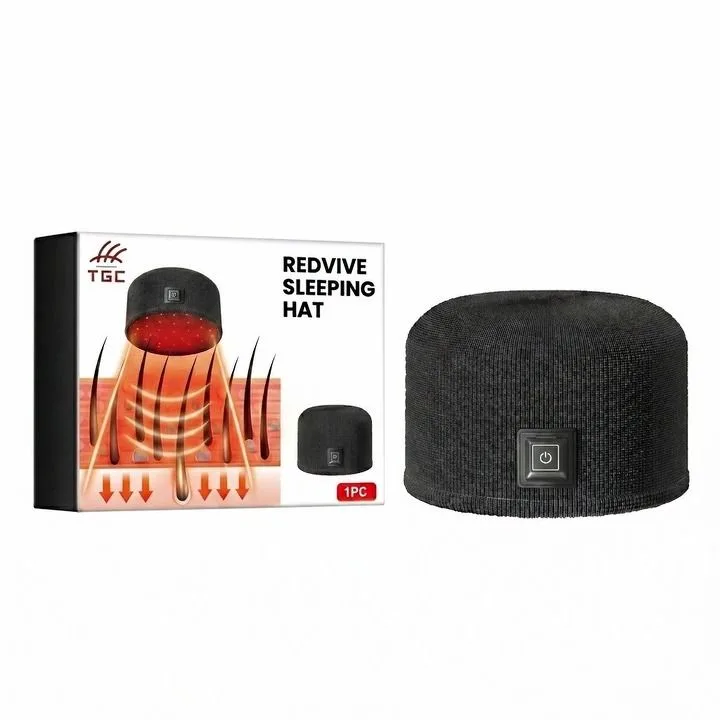
TrichoGlow Sleeping Cap