Prostate health is a growing concern for many men, especially as they age. With a wide array of supplements on the market, it can be overwhelming to choose the right one. Saw palmetto has long been a popular choice, but how does it stack up against other prostate supplements like beta-sitosterol, pumpkin seed extract, and pygeum?
In this comparison, we'll break down the key differences, benefits, and potential drawbacks of saw palmetto and its alternatives. By the end, you'll have a clearer understanding of which natural prostate support may be best for your individual needs.
What is Saw Palmetto?
Saw palmetto (Serenoa repens) is a small palm tree native to the southeastern United States. Its berries have been used for centuries in traditional medicine, particularly for urinary and prostate issues. The active compounds, including fatty acids and phytosterols, are believed to inhibit the enzyme 5-alpha-reductase, which converts testosterone to dihydrotestosterone (DHT). Elevated DHT levels are associated with prostate enlargement.
Many men turn to saw palmetto to support healthy urinary function and maintain prostate size. It is one of the most studied herbal remedies for benign prostatic hyperplasia (BPH) symptoms. For those seeking a convenient option, Havasu Nutrition offers Saw Palmetto + Melatonin PM Capsules, which combine the benefits of saw palmetto with melatonin to support restful sleep and prostate health.
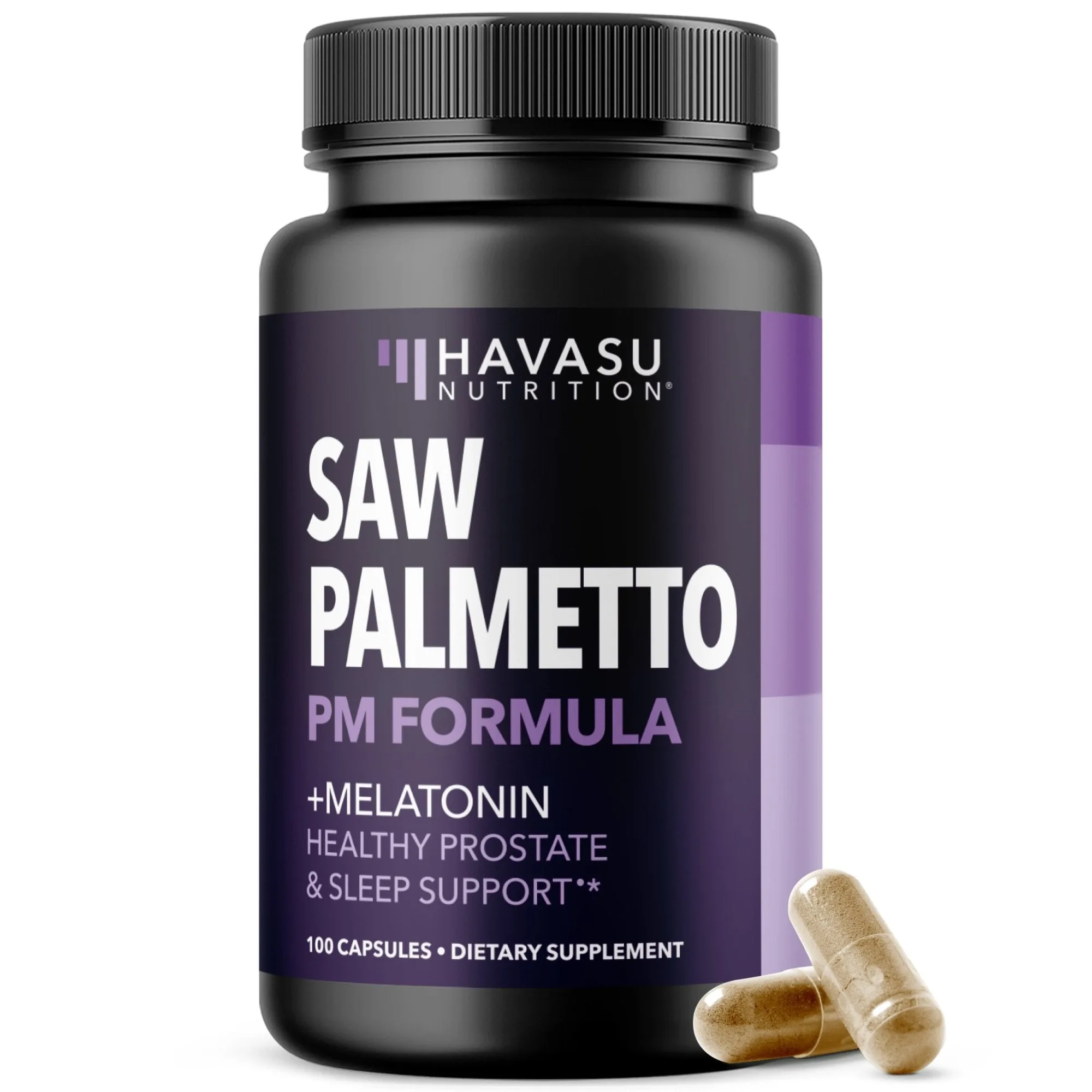
Saw Palmetto + Melatonin PM Capsules
- May help reduce nighttime urination
- Supports healthy hormone balance
- Available in various forms including capsules and liquid extracts
Saw Palmetto vs. Beta-Sitosterol
Beta-sitosterol is a plant sterol found in many fruits, vegetables, nuts, and seeds. It is often used to improve urinary symptoms related to BPH. Unlike saw palmetto, beta-sitosterol does not inhibit 5-alpha-reductase but instead works by reducing inflammation and improving bladder emptying.
In clinical studies, beta-sitosterol has shown significant improvements in urinary flow and residual volume. However, saw palmetto may offer broader benefits due to its multiple active compounds. Some experts suggest that combining both could provide synergistic effects, but more research is needed. If you're considering beta-sitosterol, it's often found in combination formulas, but saw palmetto remains a popular standalone option.
- Beta-sitosterol may improve urinary flow
- Saw palmetto may reduce DHT levels
- Both are well-tolerated with minimal side effects
Saw Palmetto vs. Pumpkin Seed Extract
Pumpkin seed extract is another natural remedy for prostate health. It is rich in phytosterols, zinc, and antioxidants. Pumpkin seeds have been shown to help reduce symptoms of BPH, likely due to their anti-inflammatory properties and ability to inhibit DHT production.
Compared to saw palmetto, pumpkin seed extract may have a milder effect but is often preferred by those who want a food-based approach. It also provides additional nutrients that support overall health. Some men alternate between the two, or use them together. For a comprehensive approach, consider pairing saw palmetto with a healthy diet rich in pumpkin seeds.
- Pumpkin seeds are a good source of zinc
- May support overall urinary health
- Can be taken in capsule or oil form
Saw Palmetto vs. Pygeum and Other Botanicals
Pygeum is an extract from the bark of the African plum tree. It has been used traditionally to support prostate health and is often combined with saw palmetto in supplements. Pygeum is thought to reduce inflammation and improve urinary symptoms, similar to beta-sitosterol.
Other botanicals like nettle root and rye pollen also have evidence for prostate support. Nettle root may help reduce the growth of prostate cells, while rye pollen has been shown to improve urinary symptoms. These alternatives can be effective, but saw palmetto has the most extensive research. When choosing a supplement, consider your specific symptoms and any potential interactions with medications.
- Pygeum is often combined with saw palmetto
- Nettle root may complement saw palmetto
- Rye pollen is a less common but effective option
How to Choose the Right Prostate Supplement
Selecting the right prostate supplement depends on your individual health goals, symptoms, and any existing conditions. If you're primarily concerned with reducing DHT and supporting hormone balance, saw palmetto is a solid choice. If you have difficulty with urinary flow, beta-sitosterol or pygeum might be more targeted.
It's also essential to consider the quality of the supplement. Look for products from reputable brands that use standardized extracts and third-party testing. Havasu Nutrition's Saw Palmetto + Melatonin PM Capsules offer a convenient way to incorporate saw palmetto into your nightly routine, which may also help improve sleep quality—a common concern for men with prostate issues.
- Consult with your healthcare provider before starting any new supplement
- Consider combination formulas for broader support
- Monitor your symptoms and adjust as needed
Ultimately, the best prostate supplement is one that aligns with your health needs and preferences. Saw palmetto remains a well-researched and popular option, but alternatives like beta-sitosterol and pumpkin seed extract offer distinct benefits. Explore your options, talk to your doctor, and choose high-quality products to support your prostate health naturally.