Quick answer
Store unbuilt model kits flat in a cool, dry place away from sunlight, keep decal sheets in sealed bags with the kit or in a binder, and shelve built models behind doors or in closed cases to block dust. If your decals are already yellowed or parts have warped, the damage is usually permanent, so prevention matters more than any fix.
Why model kit storage fails in humid or hot rooms
Humidity and heat are the two biggest threats to stored model kits. Cardboard boxes absorb moisture and lose stiffness, which lets stacked kits crush the box below. Decal sheets are worse: damp air can make the carrier film cloudy or cause the decals to stick to their backing paper, and once that happens the sheet is usually unusable. Sunlight adds a third problem by fading box art and yellowing clear decal film even when the kit is still sealed.
How to store model kit decals so they stay usable
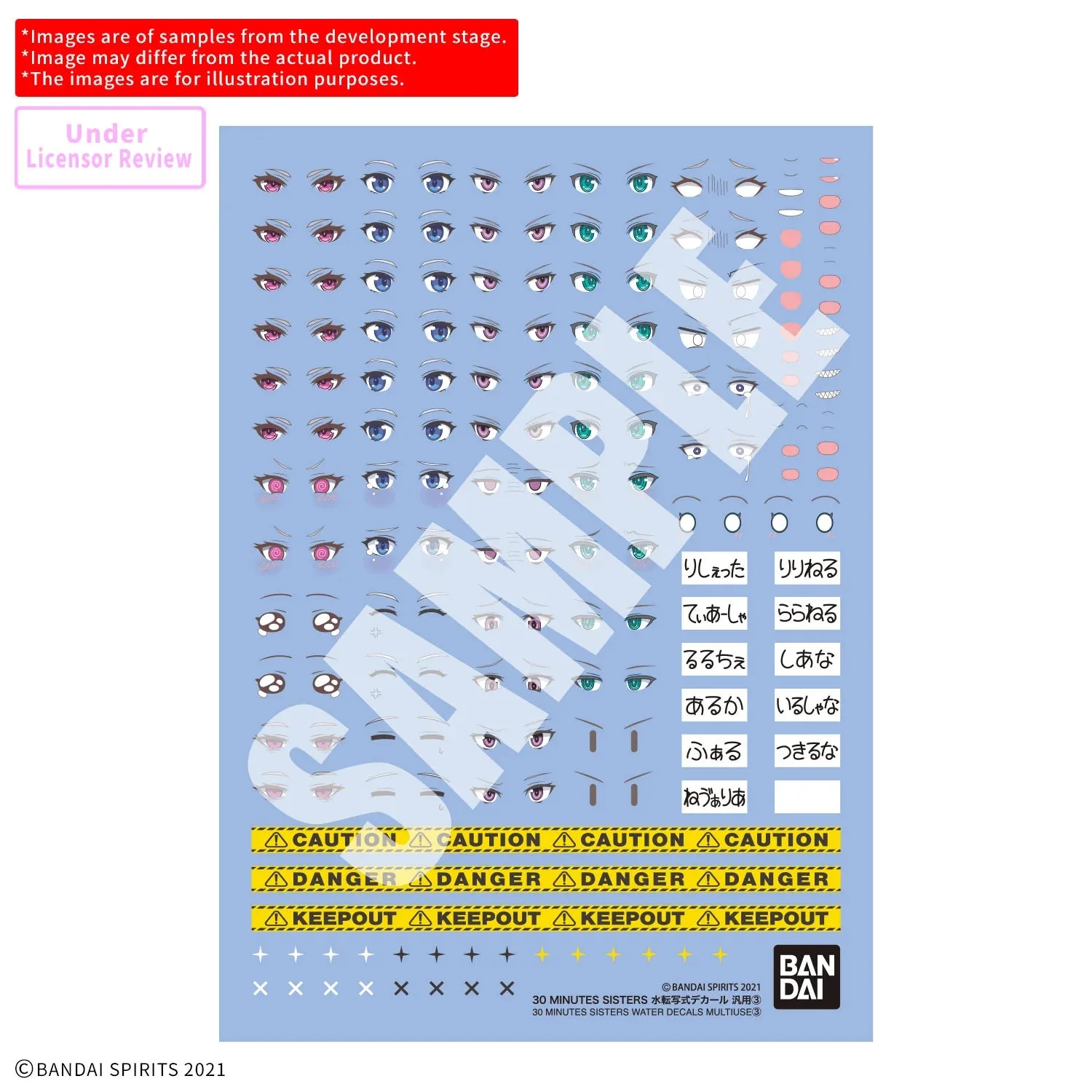
Keep decal sheets inside the kit box in a zip-top bag, or move them to a binder with acid-free sleeves if you collect sheets from several kits. Store the binder or bags vertically so sheets do not press against each other. Add a small silica gel packet to each bag or binder pocket and replace it every few months in humid climates. Do not tape decals to a window or leave them loose on a shelf, because UV light yellows the film and dust embeds in the adhesive.
Protecting model kit boxes and unbuilt kits
Store unbuilt kits flat, not on their sides, and avoid stacking more than two or three boxes unless you use a shelf. For long-term storage, place kits in a plastic storage bin with a gasketed lid and keep the bin off a concrete floor, which wicks moisture. If you display box art, rotate boxes out of direct sun and consider a closed cabinet. Crushed corners and water-stained cardboard lower resale value and make it harder to check that sprues are complete before a build.
Scale model parts storage for spares and option sets
Loose sprues and option parts are easy to lose, so bag them by kit or by project. Small parts such as polycaps, face plates and weapon accessories fit well in compartment boxes or resealable bags labeled with the kit name. Keep them out of direct sunlight and away from heaters, because styrene can soften and warp at high temperatures. If you store parts in a garage or shed, check them after seasonal temperature swings before you start a build.
Storage problem diagnosis
- Decal sheet is cloudy or stuck to backing paper: This is humidity damage. Move remaining decals to a sealed bag with fresh silica gel and store them in a climate-controlled room. If the film is already bonded to the paper, the sheet is usually not recoverable.
- Box corners are soft or crushed: Moisture and stacking weight are the likely causes. Switch to flat storage in a lidded bin and stop stacking more than two or three kits. Reinforce with a rigid shelf if you plan to keep boxes long term.
- Plastic parts feel warped or fit poorly after storage: Heat exposure is the usual cause. Move kits out of garages, attics and direct sun before building. If the part has already deformed, replacement is the safer option than forcing the fit.
- Dust settles on built models in open shelving: Open display lets dust bond to decals and clear coats. Use a closed cabinet or display case, or cover models with a soft cloth. If you cannot close the display, dust weekly with a soft brush rather than a cloth.
Option parts worth storing correctly
- 30MS OPTION FACE PARTS FACIAL EXPRESSION SET 7 [COLOR A]: 30MS OPTION FACE PARTS FACIAL EXPRESSION SET 7 [COLOR A] includes multiple facial expressions for versatile posing and display. Small face plates are easy to misplace, so bag them with the kit and keep them flat to avoid scratches.
- 30MS OPTION BODY PARTS TYPE S05 [COLOR A]: 30MS OPTION BODY PARTS TYPE S05 [COLOR A] is compatible with 30MS series model kits and includes option body parts in Color A. Storing body option parts in a labeled compartment box keeps them paired with the right build instead of mixing into a spare-parts pile.