Quick answer
Start with three tools: a pair of sharp side cutters (nippers), a set of sanding sticks or files in fine grits, and a hobby knife with spare blades. Add a cutting mat, tweezers, and thin cement only when your first kit actually calls for them. Buying one good nipper beats buying six cheap tools you will replace in a month.
The three tools that decide how your first kit looks
Nippers, sanding tools, and a hobby knife do almost all the visible work on a plastic model. Nippers separate parts from the runner; sanding tools remove the leftover nub and mold lines; the knife trims flash and decals. If any one of those three is poor, you will see it in the finished model no matter how carefully you paint.
A common beginner mistake is buying a large multi-tool set where every piece is low quality. One mid-range nipper, one sanding set with 400 to 1000 grit, and one knife with a comfortable handle will outperform a 30-piece bargain kit. Replace blades and sanding sticks as they wear; dull tools tear plastic instead of cutting it.
How to choose model kit nippers without overspending
Look for a single-blade or thin-blade design with a spring return and a comfortable grip. The blade should meet the cutting edge cleanly with no visible gap when closed. A gap means the nipper will crush and stress the plastic, leaving white marks that are hard to sand out.
Do not cut thick sprue gates with your good nipper. Cut the gate a few millimeters away from the part first, then trim the nub with a second, closer cut. This two-cut method protects both the part and the blade. Keep a cheaper pair of cutters for thick gates and resin, and save the sharp pair for final trimming.
Sanding tools: grits, shapes, and when to stop
You need a progression, not a single grit. Start around 400 to remove the nub, move to 600 to smooth the scratch pattern, then finish with 800 to 1000 for a surface that accepts paint or looks clean bare. Jumping from 400 straight to 1000 leaves visible scratches that show under light.
Sanding sticks and sponge-backed files follow curves and reach into corners better than flat sandpaper. For tight areas, a glass file or a fine-grit sanding needle works well. Sand in one direction where possible, and stop as soon as the surface is level; over-sanding rounds off panel lines and softens detail.
Supplies worth adding after your first build
A self-healing cutting mat protects your table and gives you a straight edge. Tweezers help with small parts and decals. Thin cement applied with a fine applicator gives you control at seams; thick cement is easier for large joints but harder to keep tidy. Masking tape and a soft brush for dust are cheap and used constantly.
Skip an airbrush, a full paint line, and a photo-etch bending tool until a specific kit requires them. Many beginner kits look good with careful cleanup and a clear coat. Buy the next tool when a real problem appears, not because a list said so.
A realistic starter setup for under a typical kit price
If you are building one or two kits to see whether the hobby sticks, a basic setup is enough: one decent nipper, a sanding stick set, a hobby knife, and a cutting mat. That covers cleanup for most snap-fit and glue kits. Add tweezers and cement when the instructions call for them.
Spend the most on the nipper. It is the tool you use on every single part, and a clean cut saves sanding time on every nub. Sanding tools are consumables, so buy a set rather than one expensive file. The knife handle lasts; blades do not, so keep spares.
Where display pieces fit into a model-building budget
If you also collect finished anime figures, keep your tool budget separate from your display budget. Tools improve every kit you build; a figure is a single item. A small poster or keychain can dress up a workspace without competing with the tools that make your builds look better.
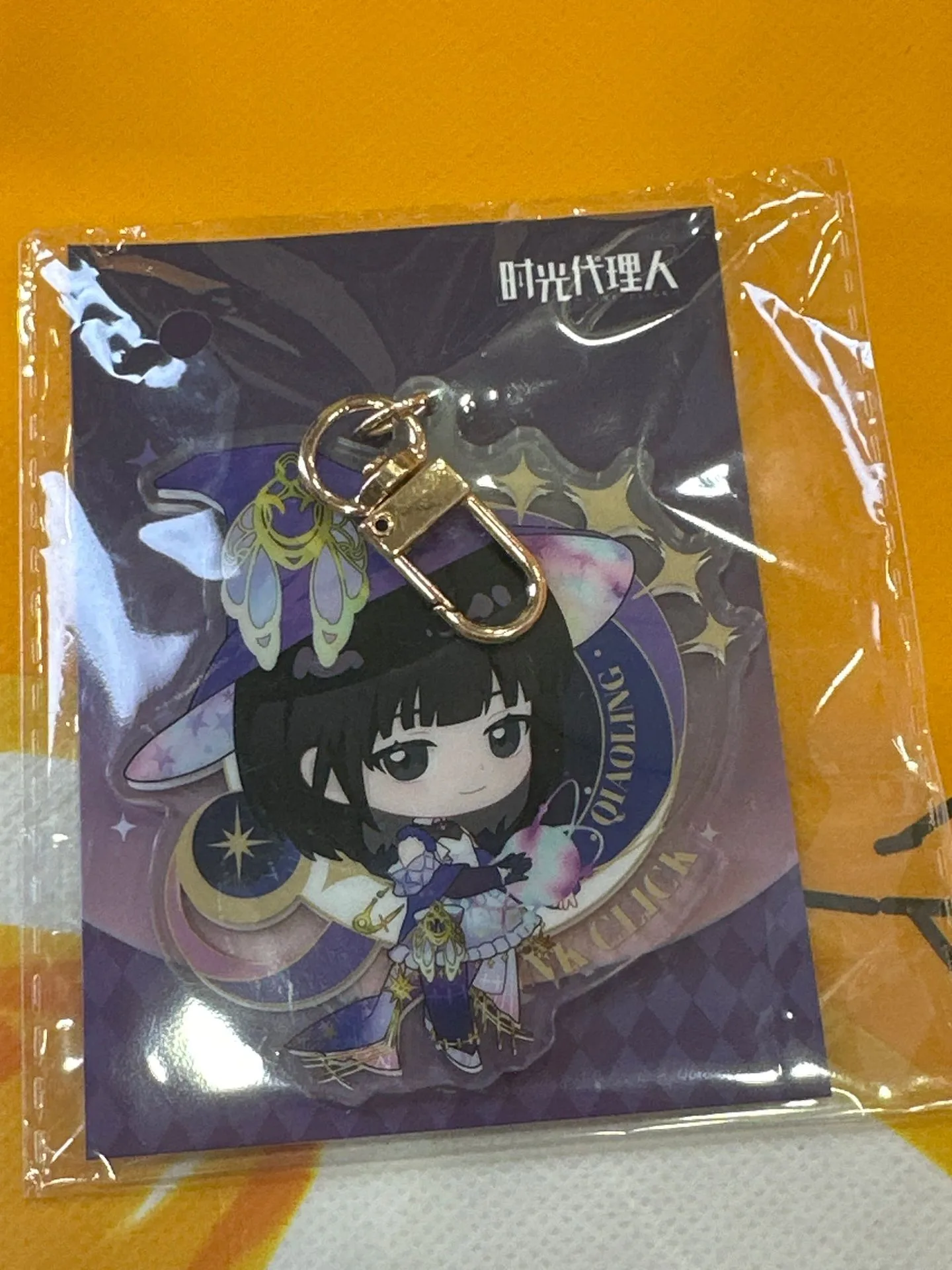
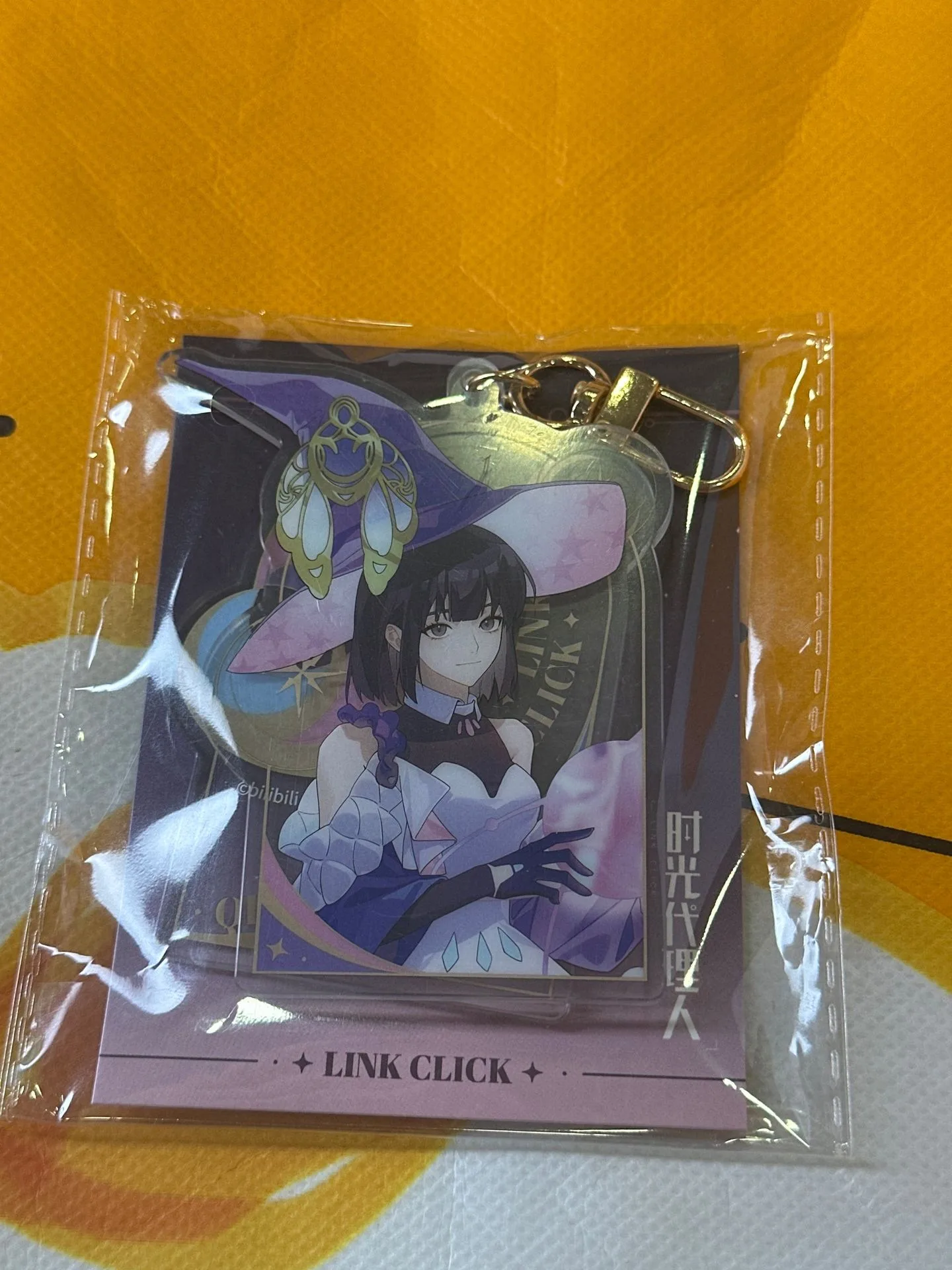
For builders who like Link Click, a shikishi-style poster or a chibi keychain is an easy way to mark a dedicated hobby corner. They are display items, not model-building tools, so treat them as optional extras rather than starter supplies.
Decision rules for buying beginner model kit tools
- Buy the nipper first: If you can only upgrade one tool, choose the nipper. It touches every part and a clean cut reduces sanding work more than any other single purchase. A sharp nipper with a clean closing edge is the highest-value beginner tool.
- Match sanding grit to the job: Use 400 for removing nubs, 600 for smoothing, and 800 to 1000 for finishing. Do not skip grits; each one removes the scratches left by the previous step. A 400 to 1000 grit progression covers almost all beginner cleanup.
- Delay paint and airbrush purchases: Buy paint only when a kit calls for a color you cannot get in a rattle can or brush-on bottle. An airbrush adds cleanup, ventilation, and thinner costs that most first builds do not need. Add finishing tools after you have completed at least two kits.
- Keep a cheap cutter for thick gates: Reserve your good nipper for final trimming. Use a cheaper pair or a hobby knife for thick sprue gates and any resin parts to avoid nicking the blade. Two cutters, one sharp and one rough, extend the life of your best tool.
Store items that fit a beginner's display setup
- 66164 LinkClick Shikishi: 66164 LinkClick Shikishi is a shikishi-style poster with a simple, versatile design suitable for framing. A flat, frameable poster is an easy way to decorate a hobby desk without taking up tool space.
- 71618 Link Click-Cosmic Secret-Chibi Keychain-Qiao Ling: 71618 Link Click-Cosmic Secret-Chibi Keychain-Qiao Ling is a chibi-style keychain that attaches to bags, keys, or lanyards. A small clip-on item keeps a favorite character visible without cluttering the work surface where you cut and sand.
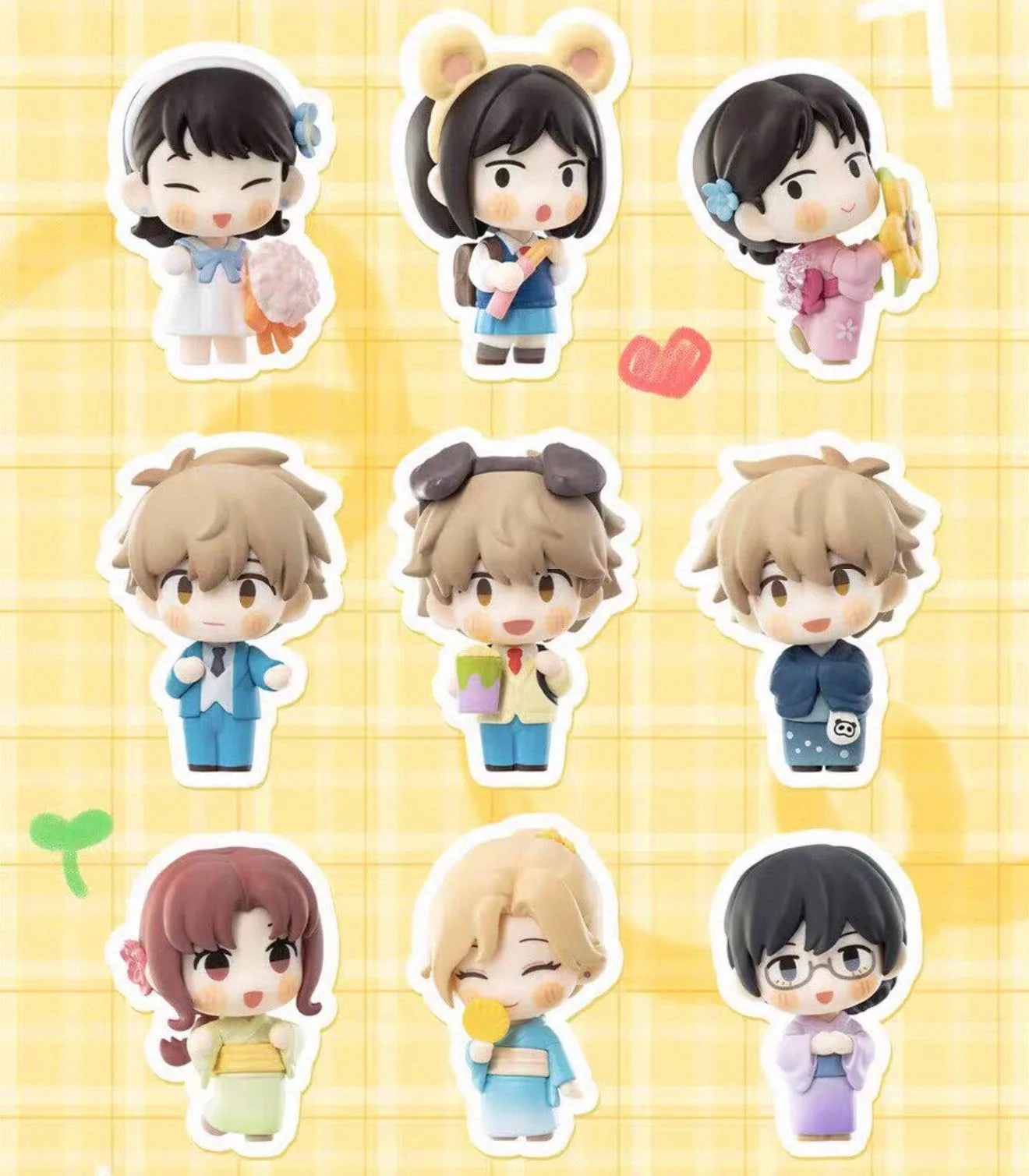
- 08159 Skip And Loafer Mini Figure Blind Box: 08159 Skip And Loafer Mini Figure Blind Box contains one randomly selected mini figure and is compact enough for desks or shelves. Blind boxes are display collectibles, not building tools, so budget for them after your core tool set is complete.
Who this starter setup is for
Best for
- First-time builders starting with snap-fit or simple glue kits
- Collectors who want to try model building without a large tool investment
- Anyone replacing a worn-out bargain tool set with a few reliable pieces
Not for
- Experienced builders who already own a complete tool set and need specialty items
- Modelers who primarily build resin kits, which need different cutting and sanding tools
- Anyone looking for a single all-in-one kit that covers painting and finishing