Quick answer
Full terrain sets win when you need a consistent, ready-to-run layout for a recurring location, while scatter terrain wins when you want flexible detail, low storage overhead, and lower entry cost. Most tables get the best results by combining a small set of core walls or elevation pieces with a handful of scatter pieces for variety.
Choosing between scatter terrain and full terrain sets usually comes down to how you actually run games, not which option looks better in photos. A full set gives you a repeatable footprint you can assemble the same way every session, while scatter terrain lets you drop detail into whatever layout you already have.
This comparison uses supplied catalog facts from Dwarven Forge products to show where each option earns its place, where it costs you time or money, and how to decide without overbuying.
What each option actually gives you
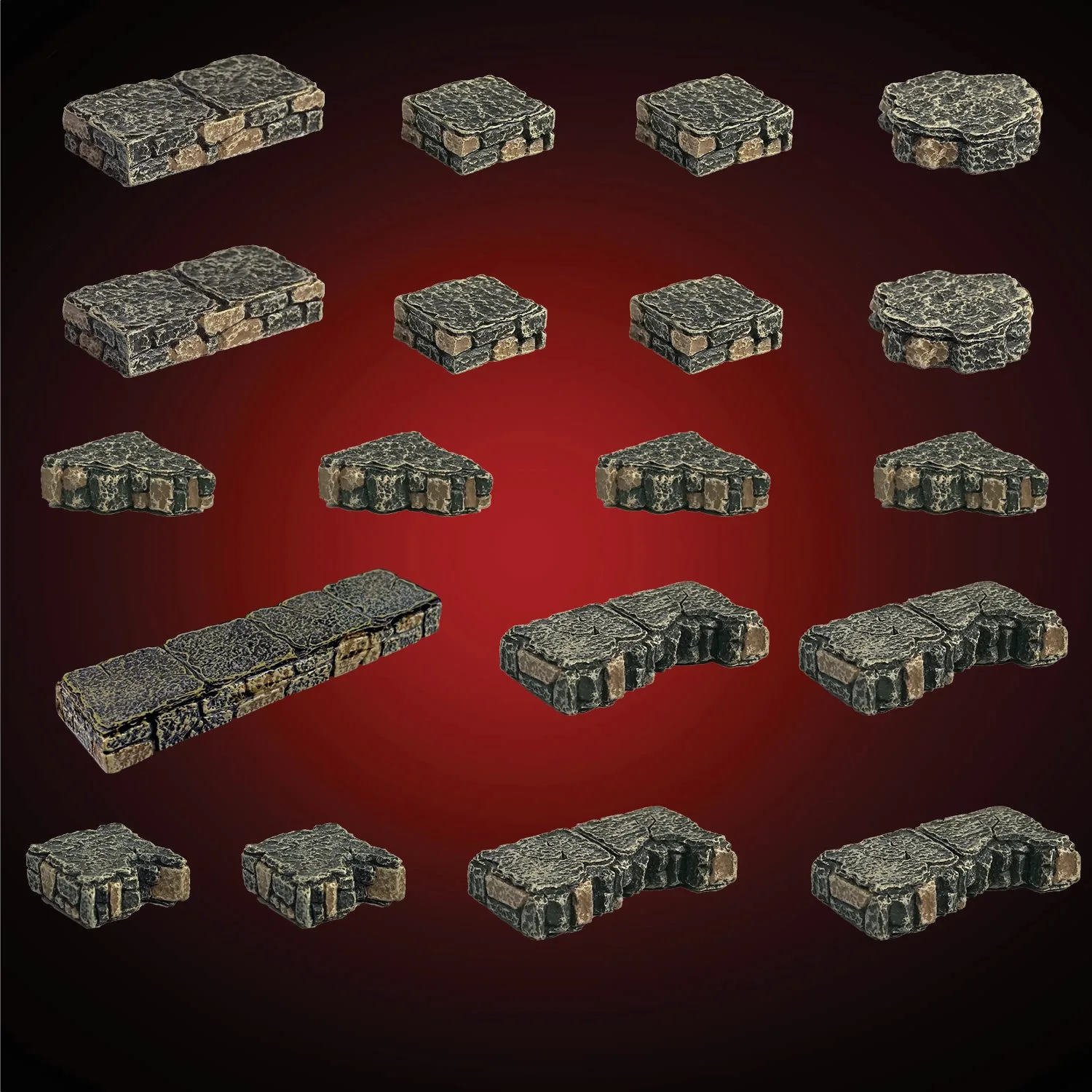
A full terrain set is built around coverage. For example, Basic Walls (Unpainted) includes three 4-inch walls with crenellations that together can make one full 12-inch wall segment, or you can spread them around a perimeter to enlarge a castle build. That kind of piece is about defining space: rooms, corridors, and boundaries that stay consistent from session to session.
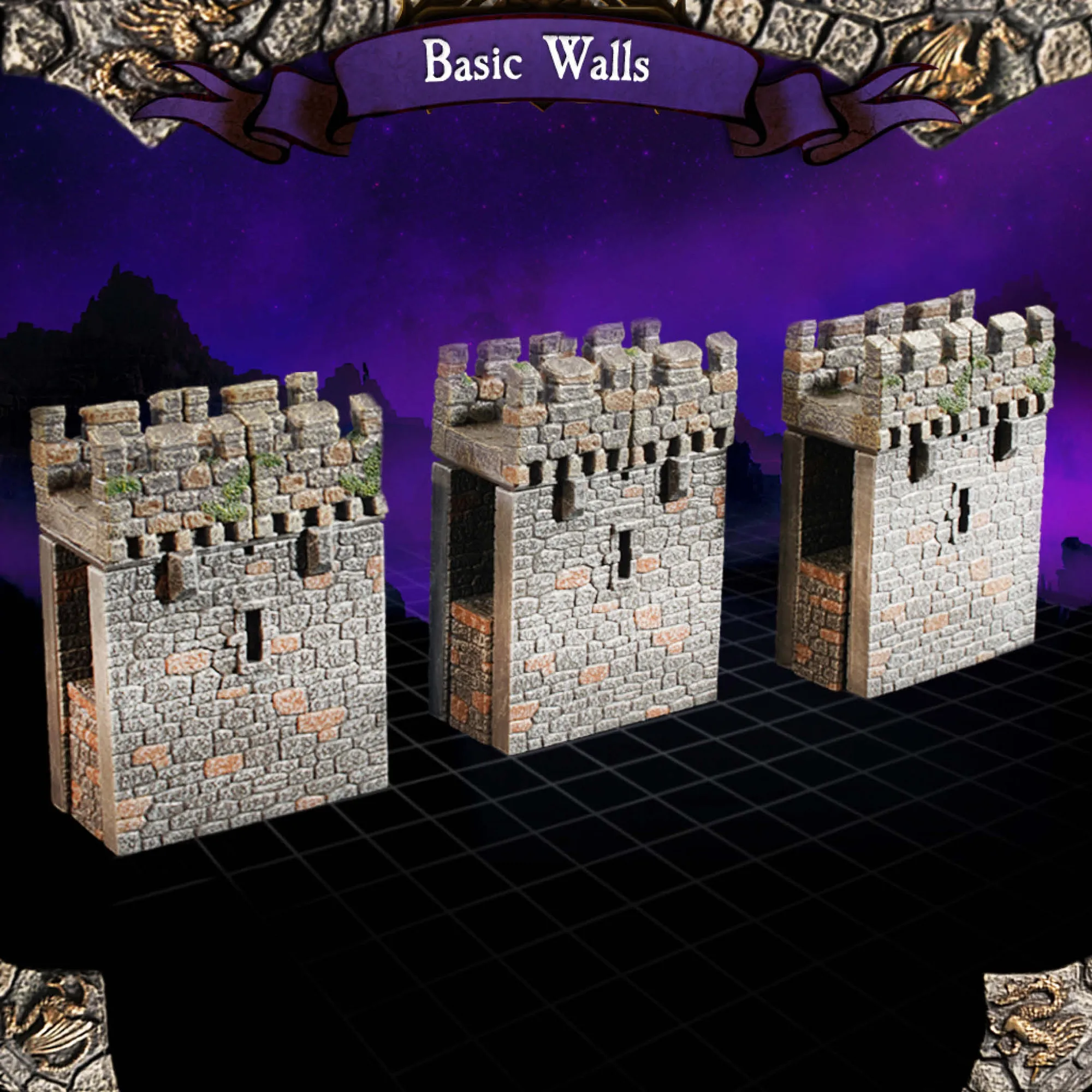
Basic Walls (Unpainted)
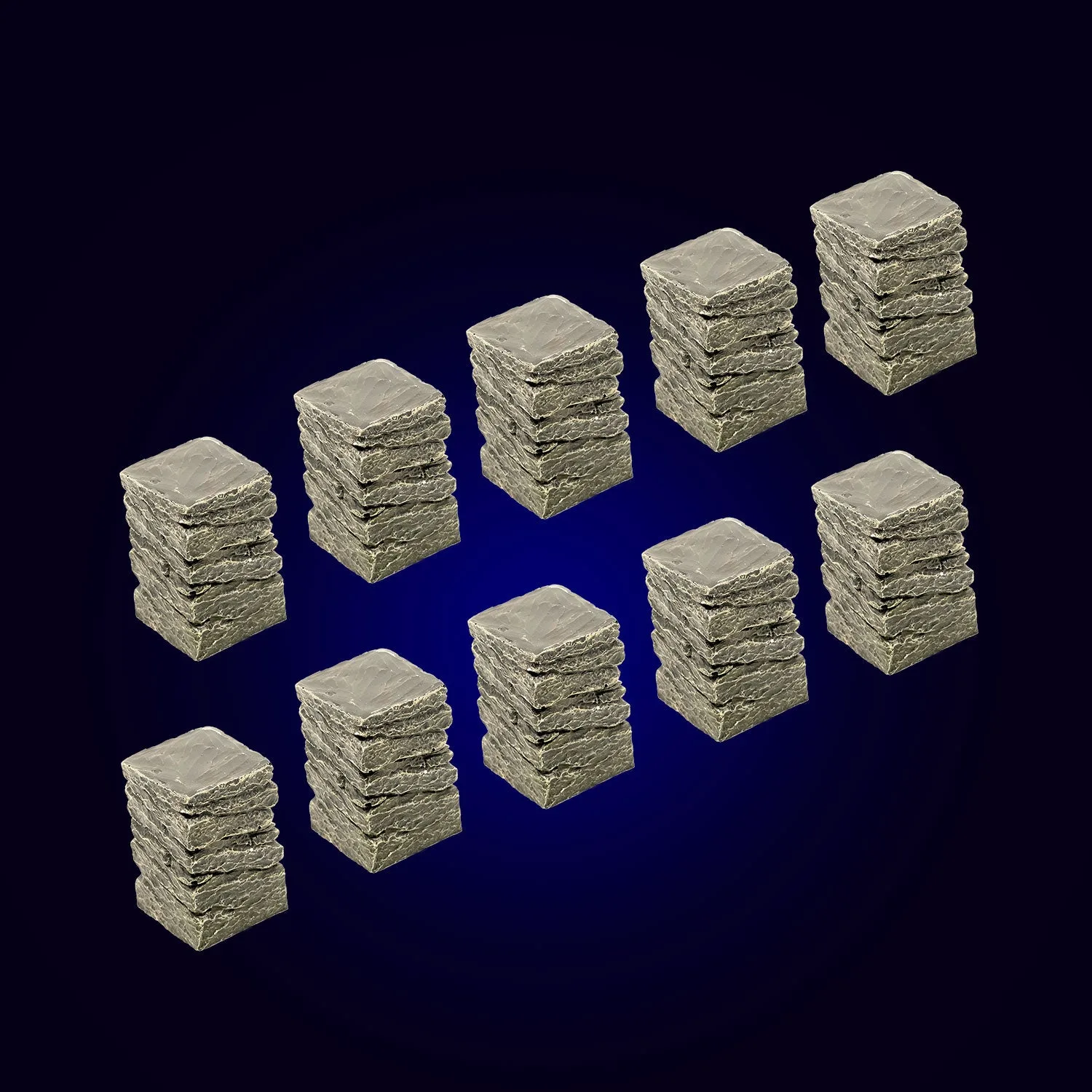
Scatter terrain is about detail and flexibility. The Pointy Stalagmite (Unpainted) is an individual piece from the Caverns line, designed as organic scatter terrain for your builds. You place it where it matters for the encounter, then move it or leave it out next time. It does not define a room, but it changes how a room feels.
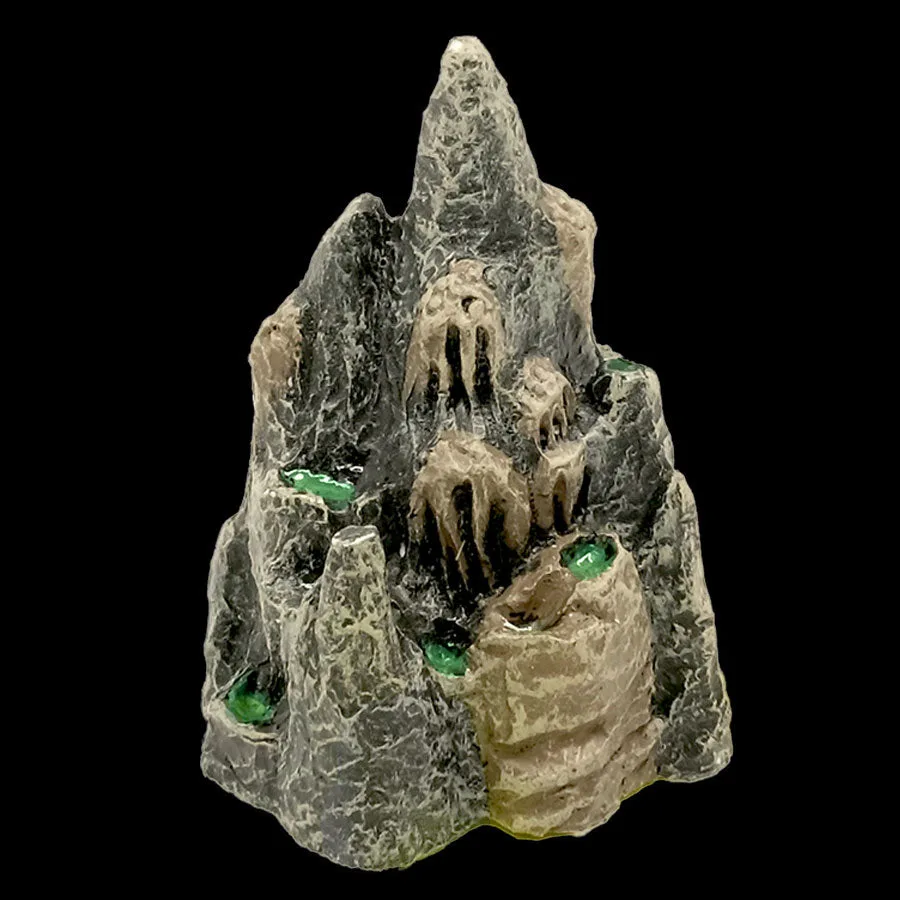
Pointy Stalagmite (Unpainted)
- Sets answer 'where are the walls?' Scatter answers 'what is in this room?'
- If you rebuild your map every session, scatter adapts faster than a fixed set.
Cost and value compared
Entry cost is where scatter terrain usually wins. A single unpainted piece like the Pointy Stalagmite (Unpainted) is a low-commitment way to add cavern detail without committing to a full layout. That makes it easy to test a theme before you invest in a larger build.
Full sets cost more up front but deliver more table coverage per purchase. Basic Walls (Unpainted) gives you three 4-inch walls that form a 12-inch segment or expand a perimeter, which is a lot of structure for the price. The trade-off is that you are buying a specific shape and style, so it only pays off if you will actually use that footprint.
- Buy one scatter piece first if you are unsure about a theme.
- Buy a set when you already know you need walls or elevation every session.
Setup time and storage
Full sets take longer to assemble because you are building structure, but they also pack down predictably once you learn the layout. Scatter terrain sets up in seconds, which matters if you have limited time before a session or you are running pick-up games.
Storage is the hidden trade-off. Many small scatter pieces need a home or they migrate to the bottom of a bin. Sets are bulkier but easier to inventory because they are designed to work together. If you already struggle with storage, adding dozens of loose pieces can make the problem worse.
- Count your setup minutes honestly before buying a large set.
- Store scatter pieces in labeled trays so they stay usable.
Flexibility across campaigns
Scatter terrain travels well between genres. A cavern scatter piece can appear in a dungeon, a mine, or an underground temple without looking out of place. That flexibility is why many players start with scatter and expand later.
Full sets are less flexible but more coherent. A wall set used as a castle perimeter reads clearly as a fortification, and repeating that layout across sessions builds recognition at the table. The trade-off is that a set tied to one theme may sit unused if your campaign moves to a different environment.
- Match scatter pieces to environments you run often.
- Choose a set theme you will reuse for at least several sessions.
Trade-offs at a glance
- Coverage vs. detail: Full sets such as Basic Walls (Unpainted) deliver repeatable structure and coverage, while scatter pieces like the Pointy Stalagmite (Unpainted) deliver detail without defining space. Pick sets for layout, scatter for character.
- Up-front cost vs. long-term flexibility: Scatter pieces are cheaper to try, but a set gives you more table coverage per purchase if you will reuse that footprint. Buy scatter to test a theme; buy a set once the theme is proven.
- Setup speed vs. storage burden: Scatter sets up fast but creates many small pieces to store, while sets assemble slower but pack down predictably. Choose based on your prep time and storage space, not just looks.
Catalog facts that affect the choice
- Basic Walls (Unpainted): Three 4-inch walls, complete with crenellations, that together can make one full 12-inch wall segment, or be spread around the perimeter to enlarge areas of your castle build. This is a structure-first purchase: it defines rooms and boundaries, so it suits tables that need consistent walls rather than loose detail.
- Pointy Stalagmite (Unpainted): An individual piece from the Caverns line, designed as organic scatter terrain for your builds. This is a detail-first purchase: it adds cavern character without committing you to a full layout, which makes it a low-risk way to test a theme.
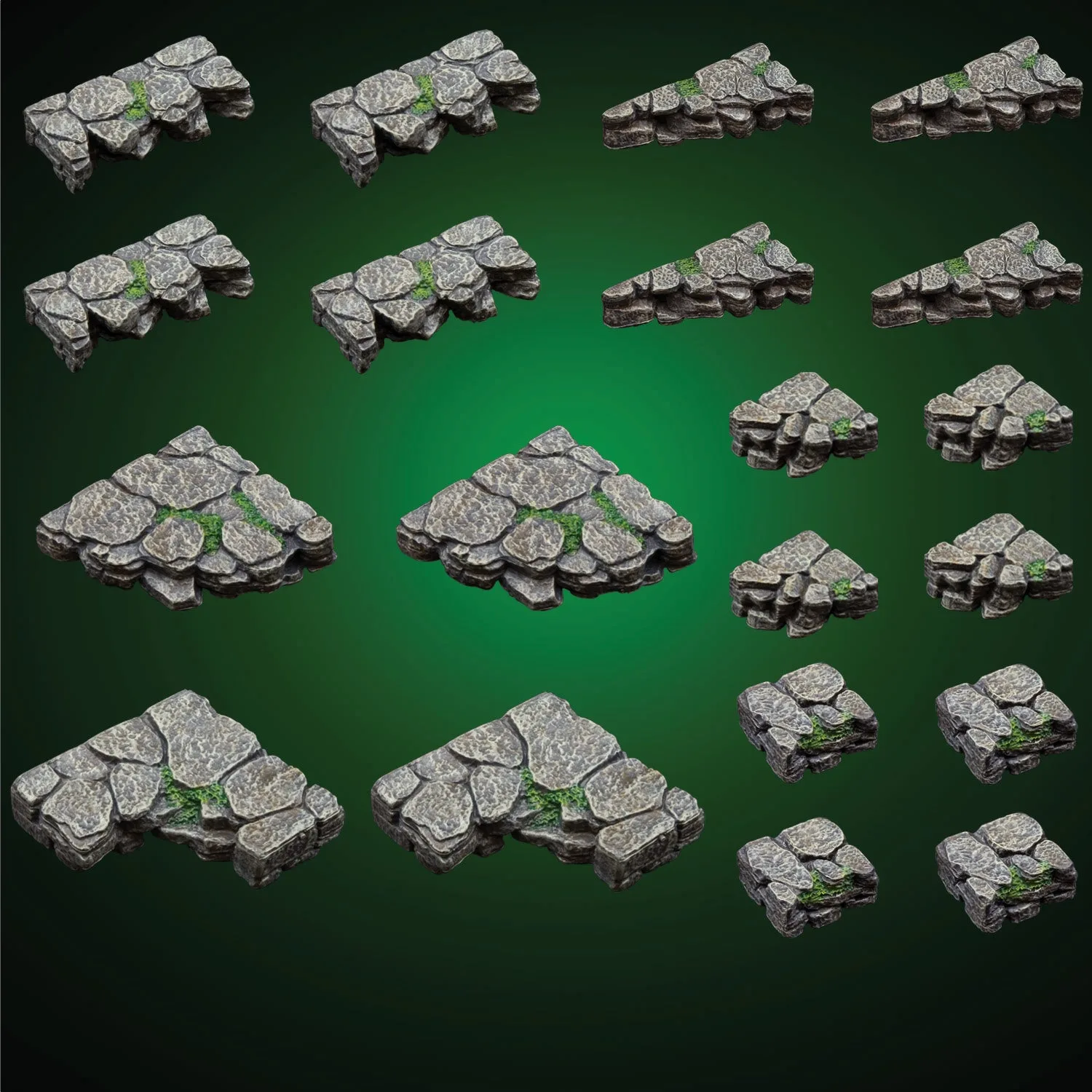
- Erinthor Cliff Ledges (Painted): Inspired by the original Erinthor set, these Ledges help create elevation with a more organic, uneven appearance. Elevation pieces sit between the two categories: they add vertical interest like scatter, but they change how a table plays more than a single small piece.
- Stilt Pack (Painted): A pack of 38mm stilts to raise pieces or entire Terrain Trays the height of one elevation block. If you already own sets, stilts extend their usefulness by adding height without buying a new themed set.
Which should you buy?
Best for
- Players who need consistent walls or elevation for a recurring location
- Groups that want maximum table coverage from a single purchase
- Tables that already have a storage plan for larger pieces
Not for
- Players who rebuild entirely different maps every session
- Tables with very limited storage or setup time
- Buyers who only want a small amount of visual detail
Start with the option that matches how often you rebuild your table. If you rebuild constantly, scatter terrain gives you flexibility for less money. If you reuse the same location, a full set pays for itself in coverage and consistency. Many tables end up using both, with sets for structure and scatter for the details that make each session feel different.