Quick answer
Neither format wins outright because they measure longevity differently. A scented candle delivers fragrance only while burning, so its useful life equals its burn time. A perfume oil can scent a room for weeks or months from a single bottle, but its throw is usually softer. For long, continuous home fragrance with minimal effort, perfume oils last longer. For a controlled, atmosphere-setting burn that you can start and stop, candles are the better fit.
Why burn time and bottle life are not the same measurement
Candle longevity is counted in burn hours: the total time the wax can fuel a healthy flame. Once those hours are spent, the scent is gone. Perfume oil longevity is counted in calendar time: how long the oil keeps its character in the bottle plus how long a single application keeps scenting a room. A 10 ml attar used a few drops at a time can remain viable for many months, while a candle of similar price may be finished in a matter of weeks if burned daily. When people ask whether scented candles last longer, they usually mean per session. Per session, a candle can scent a room for hours. Per dollar and per month, perfume oils usually stretch further.
How room size and airflow change the answer
Candle scent travels on heat, so it fills open-plan spaces and rooms with good airflow more effectively than a static oil. In a closed bedroom or bathroom, a perfume oil placed near a vent or doorway can perfume the air gently for days without any flame. In a large living room, a single candle may need to burn for 30 to 60 minutes before the scent builds, and its throw drops sharply once extinguished. If your priority is filling a big room quickly, candles have the edge. If you want a subtle, always-on background scent in a smaller room, oils are more efficient.
Candle burn time tips that actually extend useful life
The first burn sets the tone. Let the wax melt evenly across the surface before blowing it out, usually one hour per inch of diameter. Trim the wick to about 5 mm before every burn to prevent soot and tunneling. Keep candles away from drafts, which cause uneven melting and wasted wax. Never burn longer than four hours at a stretch, because the wax overheats and the fragrance burns off faster. These habits do not change the total burn hours printed on the label, but they ensure you actually get them.
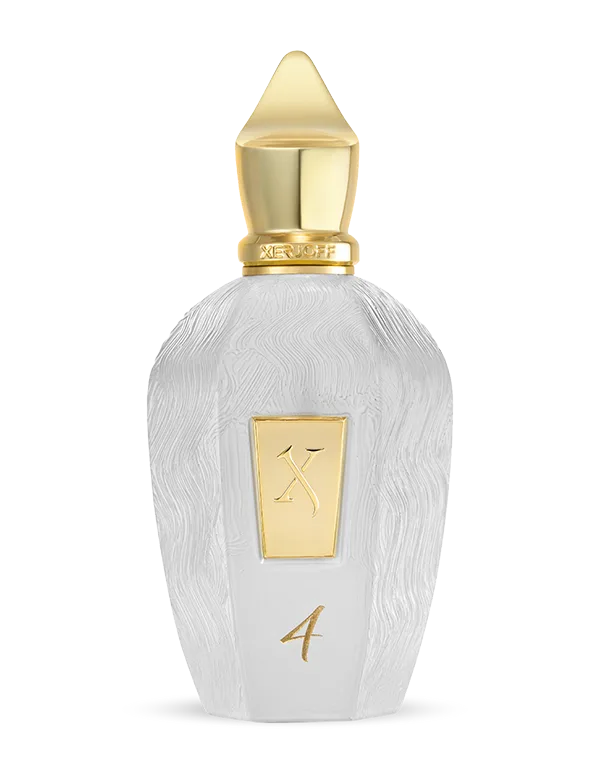
four
Perfume oil vs candle: storage and shelf life
Perfume oils degrade with light, heat, and air. Stored upright in a cool, dark cupboard, an attar or perfume oil can keep its scent profile for years, though citrus-forward blends fade sooner than resinous ones. Candles are more forgiving short-term but lose their cold throw over time; a candle stored in a hot garage for a summer may smell weak when lit. If you rotate scents seasonally, oils are the safer long-term investment. If you burn through candles within a few months, storage matters less.
Home fragrance longevity FAQ
Do scented candles last longer than perfume oils?
Per session, a candle can scent a room for several hours. Per month of regular use, a perfume oil usually outlasts a candle because you apply only a few drops at a time and the bottle does not deplete with every use. Choose candles for occasional atmosphere, oils for continuous background scent.
How long does a candle actually burn?
Burn time depends on wax weight, wick size, and how you burn it. Trimming the wick, avoiding drafts, and burning no more than four hours at a time help you use the full burn time rather than wasting wax. Treat the first burn as a commitment: melt the full surface before extinguishing.
Can perfume oils replace candles entirely?
In small rooms, yes. In large or open-plan spaces, oils often lack the throw of a lit candle. Many homes use both: a candle for evening ambiance and an oil for all-day subtlety. Match the format to the room, not to a single loyalty.
Does a higher price mean longer home fragrance?
Not directly. Price reflects materials, craftsmanship, and concentration, not burn hours or bottle life. A 2 ml sample and a 15 ml travel size can both teach you how a scent performs in your space before you invest in a full bottle. Test with samples or travel sizes first, then buy the format that fits your routine.
Xerjoff options that illustrate the difference
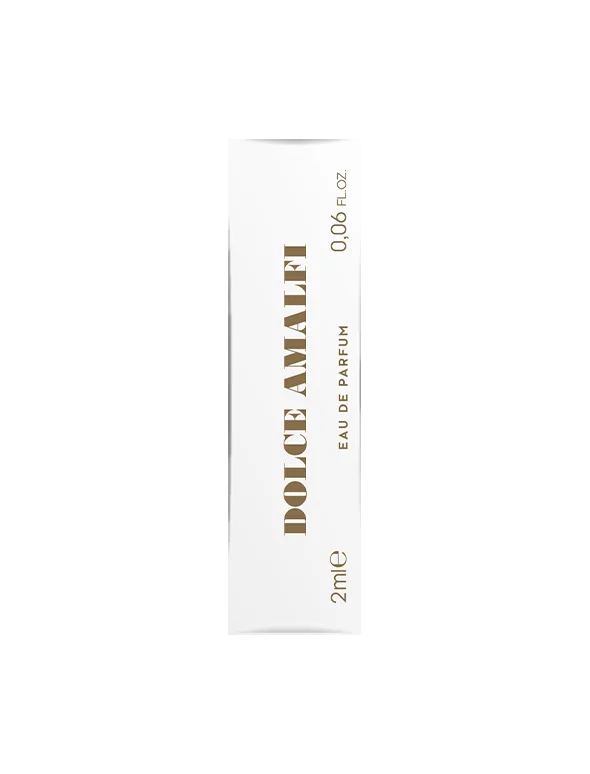
- Louis XV 1722 Rosé Sample: https://fairlifeshop.com/products/louis-xv-1722-ros-347227Louis XV 1722 Rosé Sample is a 2 ml sample from the Xerjoff (XJ) collection, described as a sophisticated fragrance inspired by the opulence of the French court with a Rosé-inspired scent profile. A 2 ml sample lets you test how a perfume oil wears in your home before buying a full bottle, which is the lowest-risk way to compare oil longevity against your candle routine.
- Nio 15ml: Nio 15ml is a refined Xerjoff fragrance in a 15 ml size, described as ideal for travel or sampling and presented in a portable format. The 15 ml format is small enough to move between rooms, so you can judge whether a perfume oil sustains scent in a bedroom versus an open living area without committing to a large bottle.
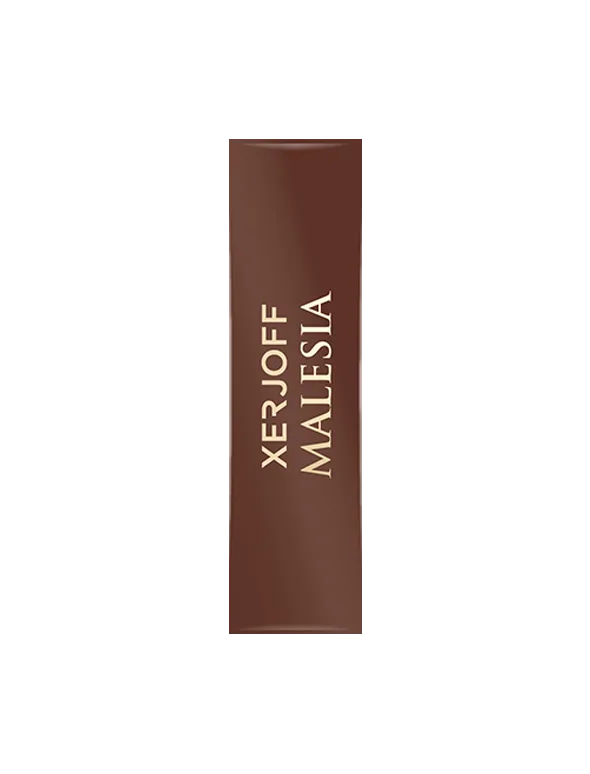
- Malesia: Malesia is described as a tribute to distant landscapes and time-honoured traditions, inspired by the spirit of ancient perfumery where scent is both ritual and art, crafted slowly and with intention. If you want a perfume oil that rewards slow, intentional use rather than quick top-up sprays, this profile aligns with the ritual approach that makes oils last longer in practice.