Quick answer
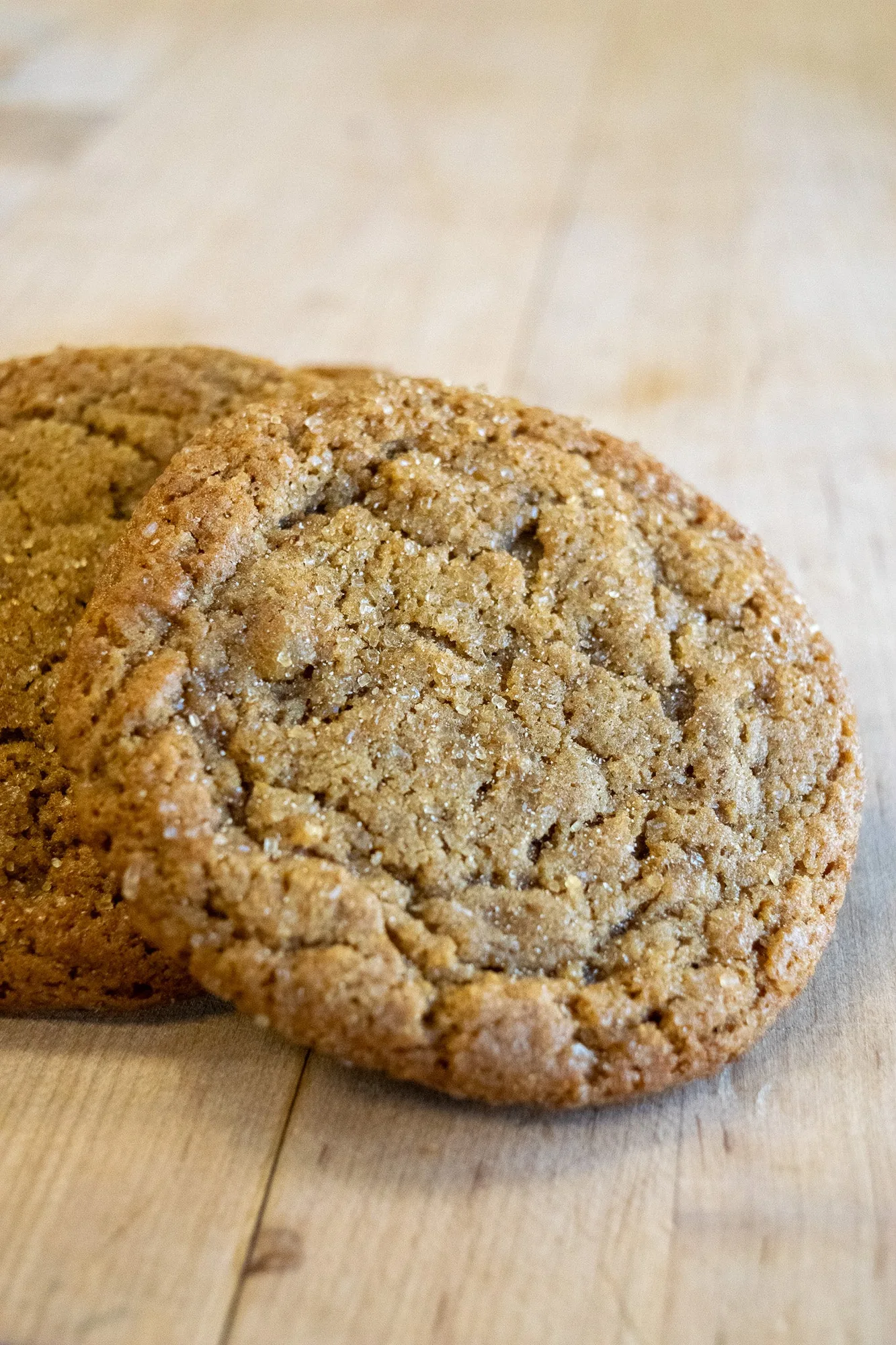
Add mix-ins at roughly 1 to 1.5 cups per 2 cups of flour for a standard scone batch, and always fold them in after the butter is rubbed in but before the liquid goes in. Dried fruit, chocolate, citrus zest, herbs, and cheese are the most reliable starting points. If you would rather skip the mixing, a Ginger Cookie or Pain Au Chocolat from Kneads gives you the same flavors in a ready-to-eat form.
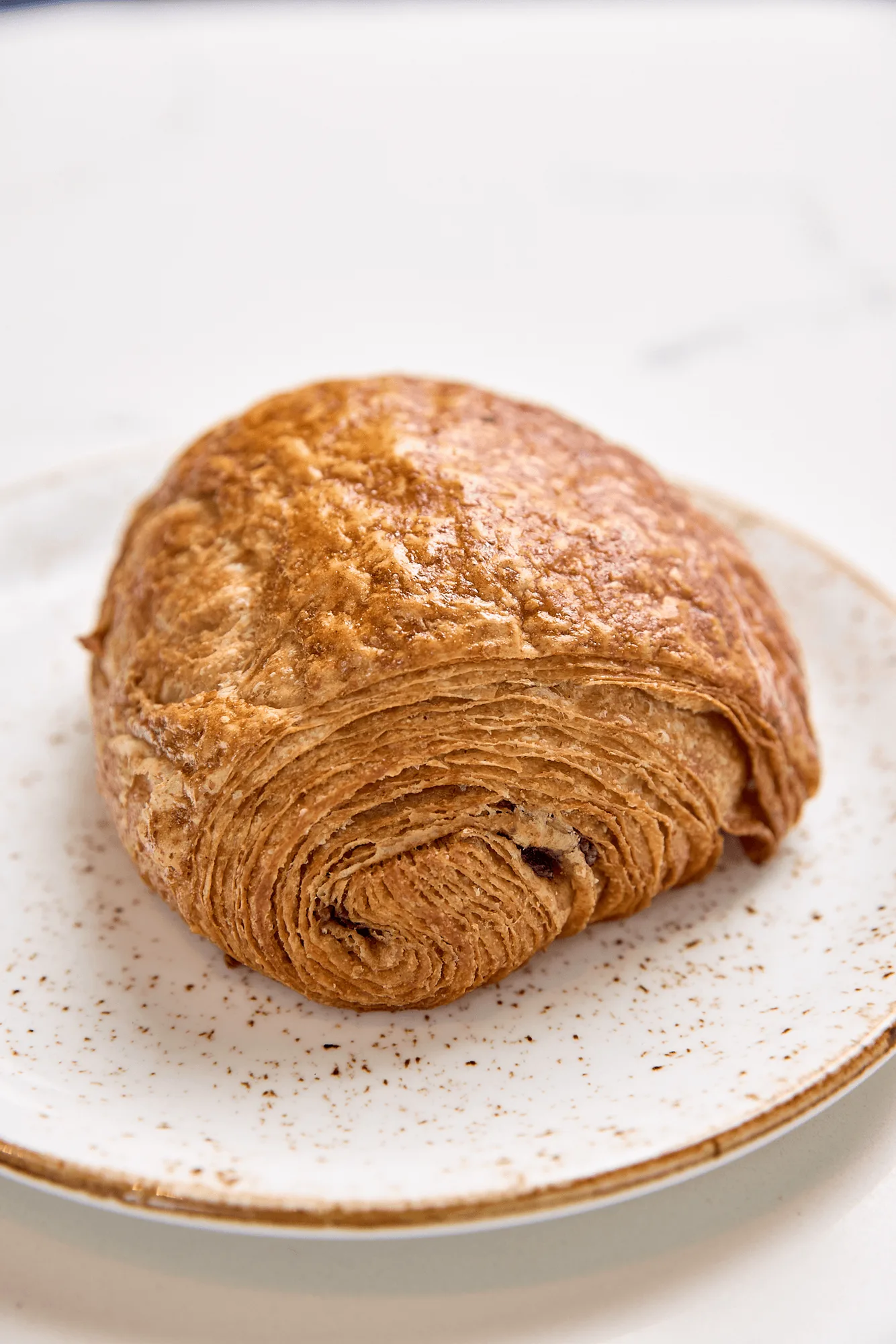
Pain Au Chocolat
Scones are forgiving, which is exactly why mix-ins get out of hand. A handful of berries here, a few chocolate chips there, and suddenly the dough is wet, the rise is flat, and the flavor is muddled. The fix is not a secret ingredient. It is knowing how much to add, when to fold it in, and which combinations actually belong together.
This FAQ answers the questions bakers ask most often about scone add-ins, from dried fruit and chocolate to savory herbs and cheese. Each answer stands on its own, so you can jump to the one you need before your next batch.
How much should I add to a batch of scones?
For a standard batch built on 2 cups of flour, aim for 1 to 1.5 cups of total mix-ins. That range keeps the dough cohesive while still giving you a distinct flavor in every bite. If you are combining two or three add-ins, split that total rather than stacking each one at a full cup.
Wet additions like fresh berries or grated apple need a lighter hand, around 3/4 cup, because they release moisture as they bake. Dry additions like chopped chocolate, nuts, or dried fruit can go closer to 1.5 cups without throwing off the texture. When in doubt, start low and note what you used so the next batch is easier to adjust.
- Keep mix-ins at room temperature so they do not chill the dough further.
- Toss dried fruit and chocolate in a spoonful of flour before folding so they stay suspended.
When do I fold mix-ins into the dough?
Fold mix-ins in after the butter is rubbed into the flour and before you add the liquid. At that stage the mixture is still dry and crumbly, so the add-ins distribute evenly instead of clumping in one corner. Use a spatula or your fingertips and stop as soon as the pieces look evenly scattered.
If you are working with a wetter dough or a folded style, you can also layer mix-ins during the final shaping. Pat the dough into a rectangle, scatter the add-ins across the surface, then fold and press gently. This creates visible ribbons of flavor rather than a uniform crumb, which is a good look for chocolate and jam-style fillings.
- Do not overwork the dough after adding mix-ins, or the butter will warm and the scones will bake flat.
- For savory scones, fold cheese and herbs in at the same stage as sweet add-ins.
What are the best sweet scone flavor combinations?
The most dependable sweet pairings balance something rich with something bright. Chocolate and orange zest, blueberry and lemon, and cinnamon with diced apple all work because the acid or spice cuts through the butter. Dried fruit scones benefit from a soak in warm liquid for ten minutes before folding, which keeps them plump instead of chewy.
If you want a flavor that reads clearly without extra work, chocolate scones are hard to beat. Chopped chocolate melts into pockets, while chips hold their shape and give a more uniform sweetness. A light sprinkle of coarse sugar on top adds crunch and signals the flavor before the first bite.
- Pair dried cranberries with orange zest, and raisins with cinnamon.
- Add a glaze after baking rather than more sugar in the dough for a cleaner finish.
Which savory scone add-ins are worth trying?
Savory scones shine with sharp cheese, fresh herbs, and something with a little bite. Cheddar and chive, parmesan and black pepper, and feta with dill are all reliable. Cooked, crumbled bacon or diced ham adds richness, but blot it well first so the fat does not weigh down the dough.
Vegetables need more care. Grated zucchini, roasted red pepper, or caramelized onion should be squeezed or patted dry before folding, otherwise the extra water turns the scones dense. Keep the total savory mix-ins to about 1 cup per batch and skip the sugar in the base recipe unless you want a sweet-savory contrast.
- Use a firm cheese grated on the large holes of a box grater for even melting.
- Add a pinch of mustard powder or smoked paprika to sharpen the flavor without extra salt.
Can I mix sweet and savory in the same scone?
Yes, but pick one clear direction. Sweet and savory scones work when the pairing is intentional, like pear and blue cheese, fig and prosciutto, or apple and sharp cheddar. The mistake is adding too many competing elements, which leaves the scone tasting busy rather than balanced.
A good rule is one sweet element, one salty or savory element, and one aromatic like herbs or spice. That structure keeps the flavor readable. If you are unsure, bake a small test scone before committing the whole batch.
- Keep the base dough neutral when combining sweet and savory so the add-ins lead.
- Serve these scones slightly warm so the cheese softens and the fruit releases its aroma.
How do I keep mix-ins from sinking or burning?
Sinking usually means the add-ins are too heavy or the dough is too wet. Chopping nuts and chocolate into smaller, even pieces helps, and a slightly stiffer dough holds them in place. If the dough feels sticky, chill it for 15 minutes before shaping.
Burning is more common with small pieces like chocolate chips or shredded cheese exposed on the surface. Tuck them into the dough, brush the tops lightly with cream or milk, and bake at the temperature your recipe calls for rather than raising it to speed things up. A parchment-lined sheet also prevents the bottoms from darkening before the centers set.
- Chill shaped scones for 10 to 15 minutes before baking for a better rise.
- Rotate the baking sheet halfway through if your oven runs uneven.
Scone mix-in quick reference
Sweet add-ins
Dried fruit, chocolate, citrus zest, nuts, and spices. Keep total additions to 1 to 1.5 cups per 2 cups of flour. Soak dried fruit for ten minutes first so it stays plump.
Savory add-ins
Sharp cheese, fresh herbs, cooked bacon, and well-drained vegetables. Aim for about 1 cup per batch. Skip the sugar in the base dough unless you want a sweet-savory contrast.
Folding stage
Add mix-ins after the butter is rubbed in and before the liquid goes in, or layer them during final shaping. Overworking the dough after folding is the most common cause of flat scones.
Kneads products that cover these flavors
- Ginger Cookie: A bakery-style cookie from Kneads in the Pastries & Scones category, priced at USD 2.50 and tagged for Mother's Day. If you like warm spice in your scones but do not want to bake, this gives you the same ginger flavor profile in a ready-to-eat treat.
- Pain Au Chocolat: A classic pastry from Kneads in the Pastries & Scones category, priced at USD 2.75 and tagged for Mother's Day gifting. A good stand-in when you want the chocolate-and-butter combination of chocolate scones without mixing a batch.
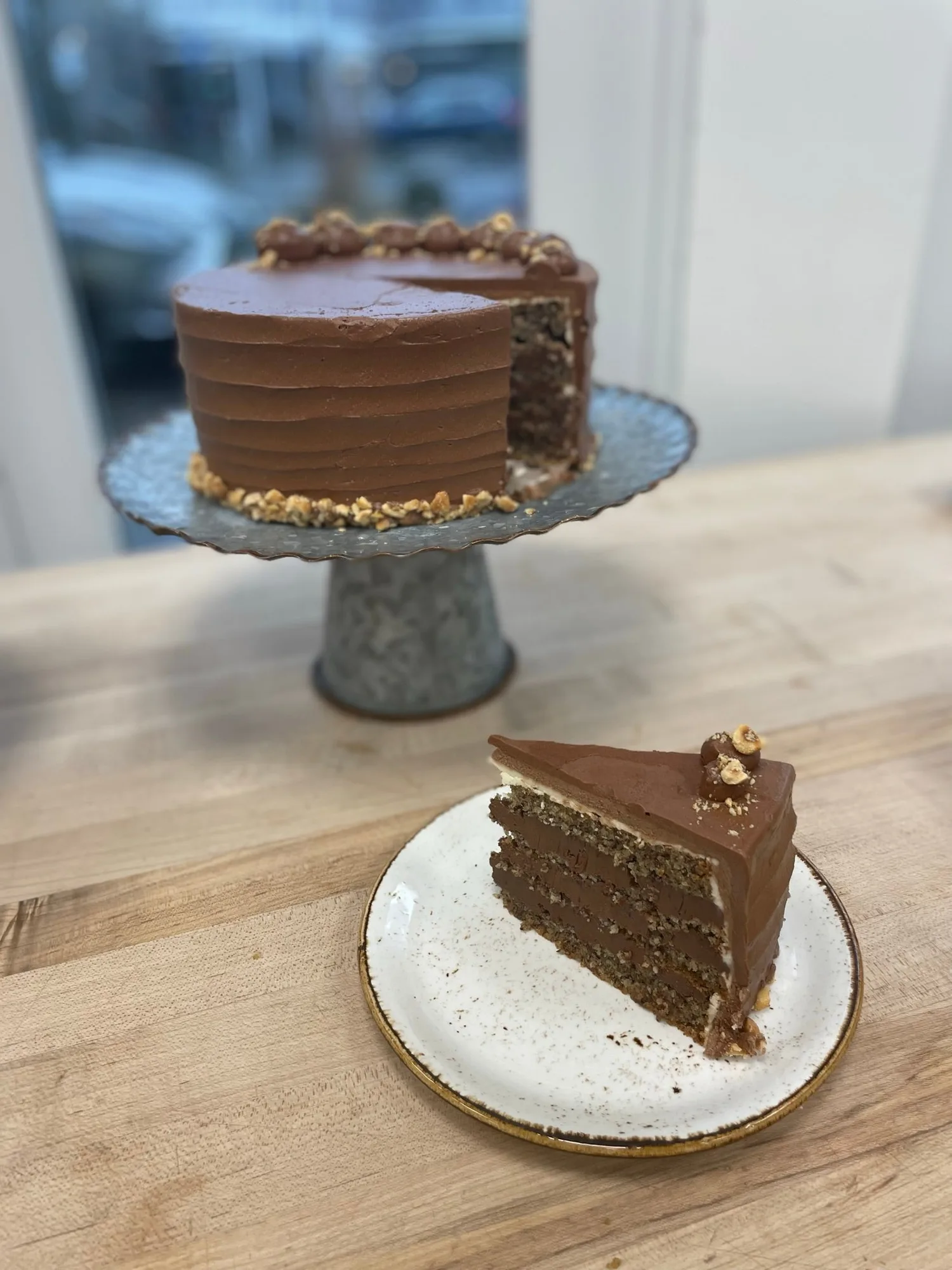
- Chocolate Hazelnut Cake: An 8 inch, 3 layer celebration cake with hazelnut sponge, hazelnut praline, and chocolate buttercream, marked GF. Useful context for anyone building chocolate or nut flavors into scones and looking for a larger format dessert with the same profile.
The best scone mix-ins are the ones you can taste clearly in every bite. Start with a measured amount, fold them in at the right stage, and adjust from there. If baking is not on the agenda, the Ginger Cookie and Pain Au Chocolat from Kneads deliver those same flavors without the mixing.