Quick Answer
To keep your Zendure SolarFlow battery performing well in all seasons, focus on temperature management, regular cleaning, and smart charging habits. Avoid extreme heat and cold, keep connections clean, and follow the manufacturer's guidelines for storage and use.
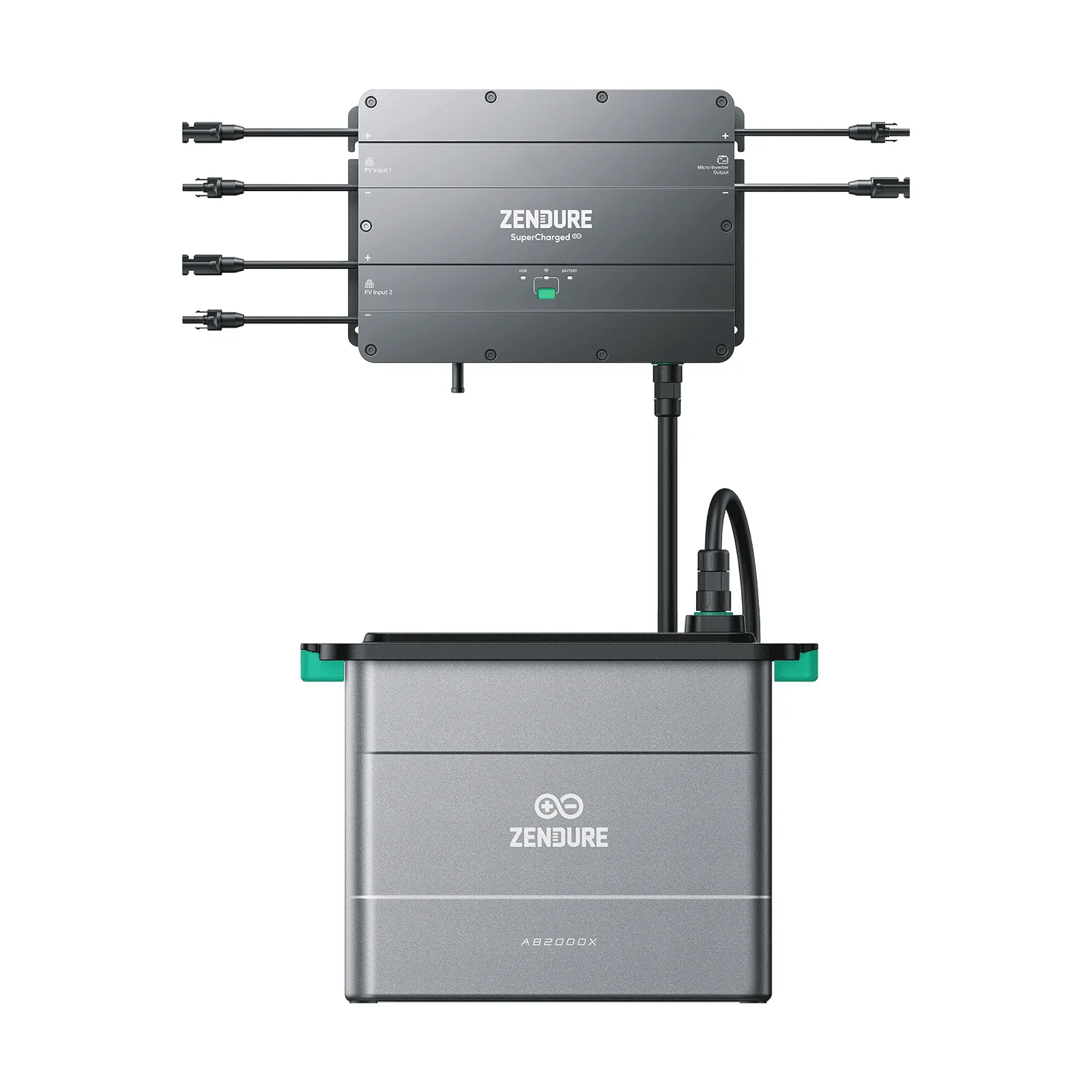
SolarFlow
Your Zendure SolarFlow battery is the heart of your balcony power plant, storing solar energy for use when the sun isn't shining. But like any electronic device, it needs a little care to perform at its best year-round. Seasonal changes bring different challenges: winter cold can slow charging, while summer heat can stress the battery.
This guide walks you through practical maintenance steps for each season, helping you extend your battery's lifespan and keep your system running smoothly. We'll cover common symptoms, likely causes, and corrective actions so you can troubleshoot with confidence.
Understanding Your Battery's Needs
Zendure SolarFlow batteries are built to be durable, with features like IP65 water resistance and a 10-year warranty. However, they still respond to how you treat them. Temperature is the biggest factor: lithium-ion batteries prefer moderate conditions, and extreme cold or heat can reduce efficiency and long-term capacity.
Think of your battery like a phone—it charges best when it's not too hot or too cold. In winter, you might notice slower charging or lower output. In summer, excessive heat can accelerate aging. Simple habits like shading the battery from direct sun and ensuring airflow can make a real difference.
- Keep the battery out of direct sunlight during hot days.
- Ensure vents aren't blocked by debris or snow.
- Check the IP65 rating means it's protected from water jets, but avoid submerging it.
Winter Care: Keeping the Charge Flowing
Cold weather can make your battery charge more slowly and deliver less power. This is normal for lithium-ion chemistry, but you can minimize the impact. If possible, position your battery in a spot that receives some winter sun or is sheltered from freezing winds. Some users find that moving the battery indoors during extreme cold helps, but always follow safety guidelines.
Another tip is to use the battery's schedule features if available, so it charges during the warmer midday hours. Also, check that all cables are securely connected; cold can make connectors brittle. The Zendure SolarFlow Battery Cable, with its self-locking terminals, is designed to stay secure—just listen for the click when connecting.
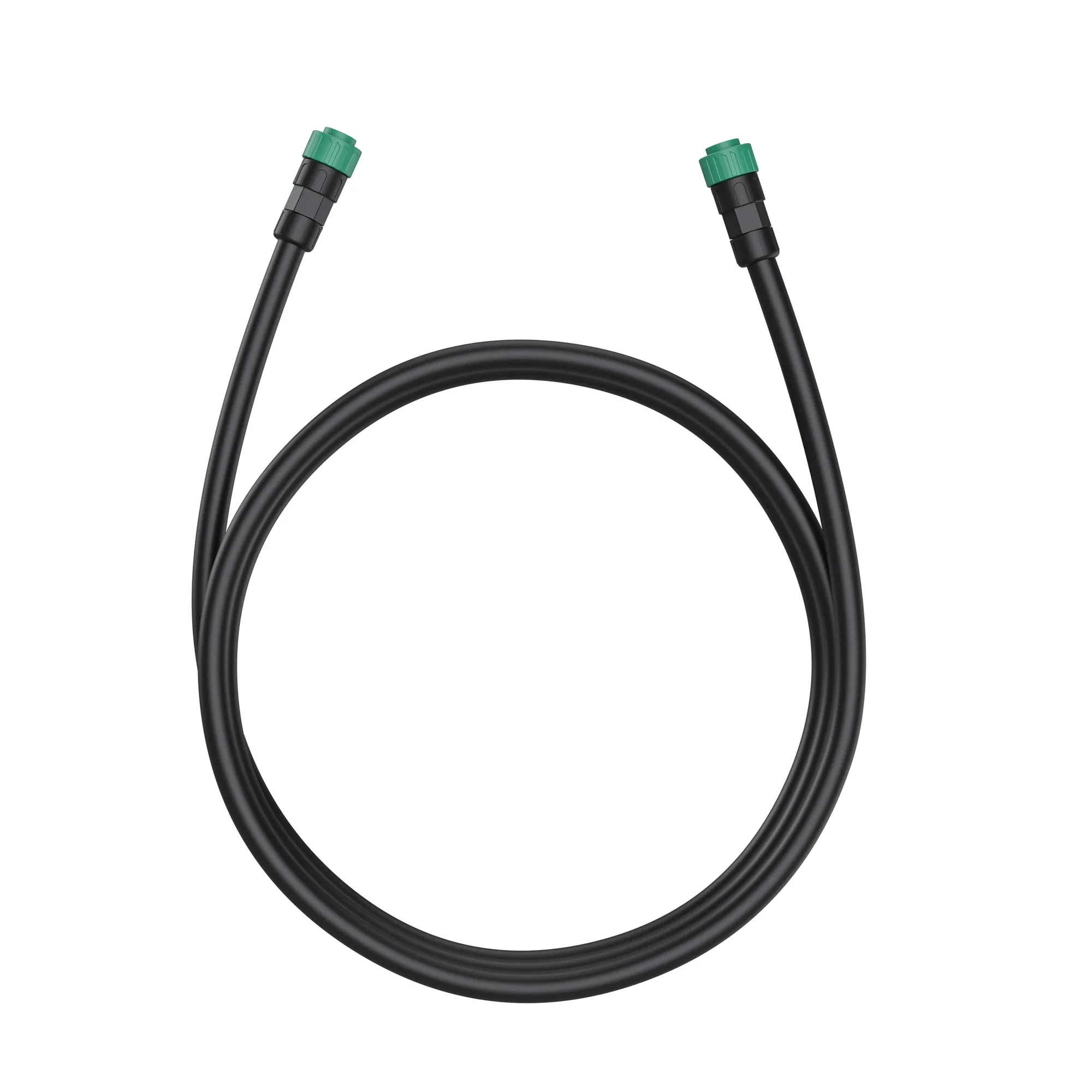
Zendure SolarFlow Battery Cable
- Move the battery to a warmer, sheltered spot in winter if possible.
- Use scheduling to charge during midday when temperatures are higher.
- Inspect cables and connectors for cold-related damage.
Summer Care: Protecting Against Heat
Summer heat can be just as challenging, as high temperatures can degrade battery health over time. Try to keep your battery in a shaded area with good airflow. Avoid placing it near heat sources or in enclosed spaces that trap heat. If your balcony gets intense afternoon sun, a simple cover or repositioning can help.
Also, monitor your system's performance during heatwaves. If you notice the battery getting unusually hot to the touch, it might be working too hard. Give it a break by reducing load or letting it rest. Regular cleaning of the battery's exterior and vents prevents dust buildup that can insulate heat.
- Shade the battery from direct sun during peak hours.
- Ensure at least a few inches of clearance around the battery for airflow.
- Clean the exterior with a dry cloth to prevent dust buildup.
Cleaning and Connection Maintenance
Keeping your battery and its connections clean is essential for optimal performance. Dust, dirt, and moisture can interfere with electrical contacts and reduce efficiency. Use a soft, dry cloth to wipe down the battery casing and connectors. Avoid using water or cleaning agents unless specified as safe.
Check the cables and connectors periodically. The Zendure SolarFlow Battery Cable features self-locking terminals that click into place, ensuring a secure fit. If you notice any corrosion or damage, replace the cable promptly. The Zendure Super Flat Solar Cable can be a useful accessory for flexible panel connections, but ensure it's rated for your setup.
- Wipe down the battery and connectors monthly with a dry cloth.
- Listen for the click when connecting battery cables to ensure a secure fit.
- Replace any damaged cables immediately to avoid performance issues.
Monitoring and Software Updates
Your Zendure system may come with an app that lets you monitor battery health and performance. Use it to track charging patterns and spot issues early. If the app shows unusual readings, such as sudden capacity drops, it's worth investigating. Sometimes a simple reset or firmware update can resolve glitches.
Zendure's HEMS (Home Energy Management System) in some models learns your usage patterns and optimizes charging. If your battery supports it, enable this feature to get the most out of your system. Regular monitoring helps you catch problems before they become costly repairs.
- Check the app regularly for battery health indicators.
- Install firmware updates when available.
- Note any sudden changes in capacity or charging speed.
Diagnosing Common Battery Issues
- Symptom: Slow charging in winter: Cold temperatures slow lithium-ion charging. The battery may take longer to reach full capacity. Move the battery to a warmer spot or charge during midday. If it still doesn't charge, check connections.
- Symptom: Battery gets hot in summer: Excessive heat can stress the battery and reduce its lifespan. You may notice the casing feeling hot. Shade the battery and improve airflow. If it remains hot, reduce the load or let it rest.
- Symptom: Sudden capacity drop: A noticeable drop in capacity could be due to age, extreme temperatures, or a faulty connection. Check the app for health status. If the issue persists, contact support or consider replacing the battery.
Zendure Products That Support Battery Care
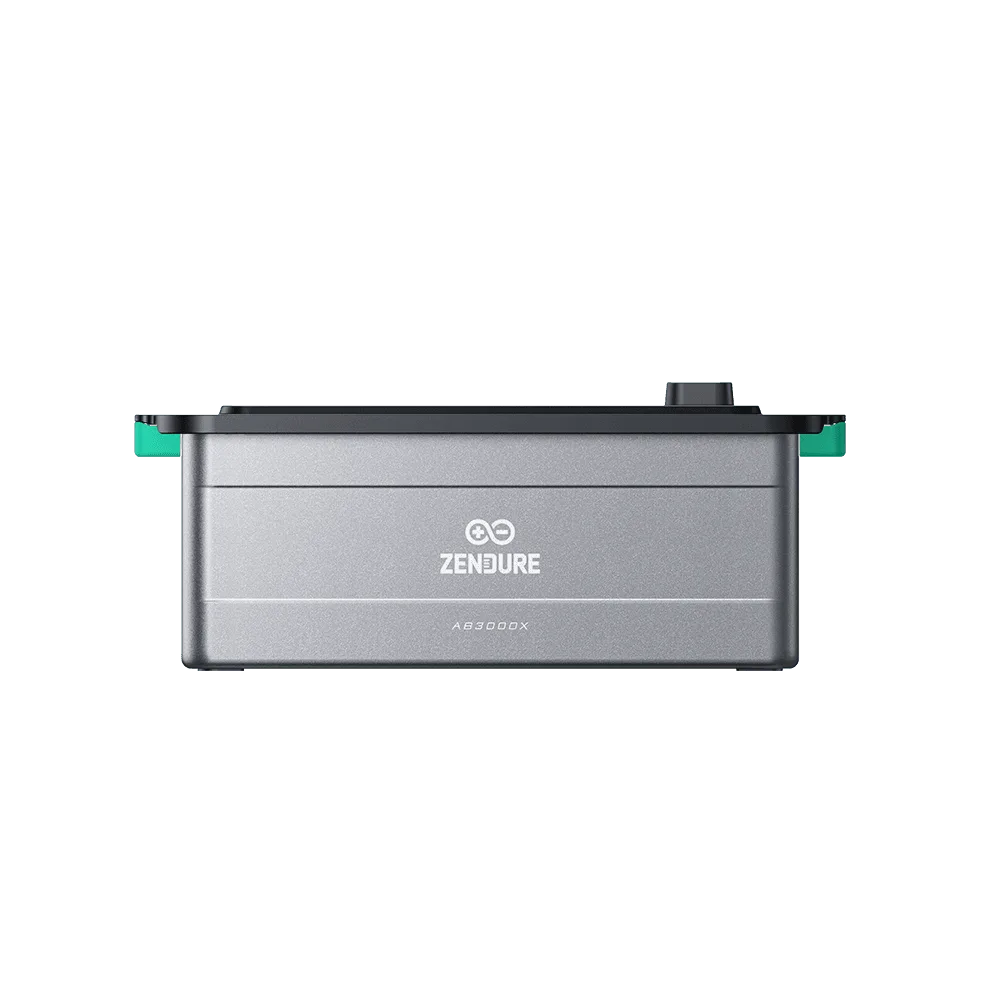
- Zendure Solarflow Battery AB1000: The Zendure SolarFlow Add-on Battery AB1000 is built for durability, with a 10-year warranty, TÜV certificate, easy stack-up expansion, and IP65 water protection. This battery is designed to withstand tough conditions, but proper care still extends its lifespan and maintains performance.
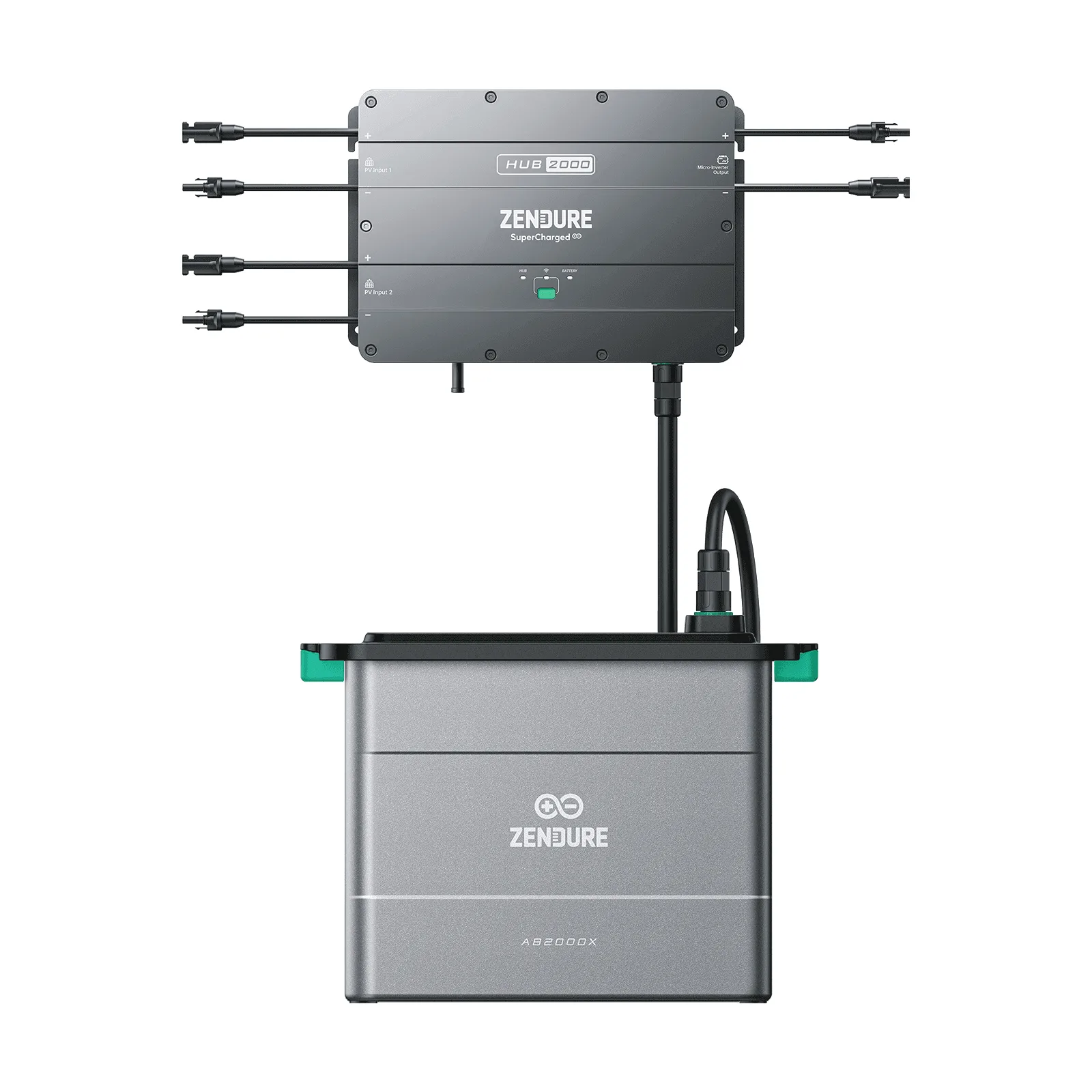
- Zendure SolarFlow Battery Cable: The Zendure SolarFlow Battery Cable connects the SolarFlow battery to the Smart PV Hub with self-locking terminals that click securely into place. A secure connection prevents power loss and reduces the risk of overheating, especially during seasonal temperature swings.
- Zendure Super Flat Solar Cable(1m, 3m): Zendure Super Flat Solar Cables allow you to connect solar panels to your microinverter without drilling through walls, and can pass under doors and windows. Flexible cable routing helps you position panels and batteries in optimal spots for temperature and sunlight, improving overall system efficiency.
Taking care of your Zendure SolarFlow battery doesn't have to be complicated. By following these seasonal tips, you can ensure reliable performance and a longer lifespan. Remember to monitor your system, keep connections clean, and address any issues promptly. With a little attention, your balcony power plant will serve you well for years to come.