Quick answer
If your dog is unbuckling the seatbelt by stepping on the red release button, the fastest fix is a seatbelt latch guard for dogs: it covers the button so a paw can't press it. Pair it with a crash-tested harness so the buckle is doing the right job in the first place. A guard only solves accidental presses — if your dog is deliberately pawing or chewing the buckle, you need a different setup.
Symptom: the buckle pops open mid-drive
The tell is specific. You hear the click of the seatbelt releasing, glance back, and your dog is standing free on the seat with the belt retracted. Sometimes the buckle is still latched but the belt has gone slack because a paw is resting on the button. Other times the dog has shifted position and the release is now under a hip or elbow.
This is different from a dog that chews through a strap or slips a harness. If the belt itself is intact and the buckle simply opens, you are looking at a latch problem, not an escape problem.
Likely cause: the release button sits exactly where a paw lands
Seatbelt buckles are designed for human hands, not for a dog shifting weight on a seat. The release button is usually the highest point on the buckle, which makes it the first thing a paw, elbow, or hip contacts when your dog turns around, braces during braking, or lies down.
A second cause is a loose or poorly routed belt. If the seatbelt has slack, the dog can move far enough to put real pressure on the buckle. A third cause is a dog that has learned the button is interesting — pawing at it for attention or because it clicks. That last one is a behavior problem, and a cover alone will not fix it.
Corrective action: cover the button, then tighten the setup
Start with the latch itself. A seatbelt latch guard is a small cover that fits over the buckle and shields the release button. The Säker Seatbelt Latch Guard is built for this exact job: it covers the latch so the release cannot be stepped on or pressed by accident, installs simply over the buckle, and is made for standard seatbelt latches.
Then fix the routing. Clip the belt so the dog has enough room to sit or lie down but not enough to turn fully around. If you are using a harness, attach the belt to the harness rather than a collar, and check that the buckle sits against the seat rather than under the dog's body.
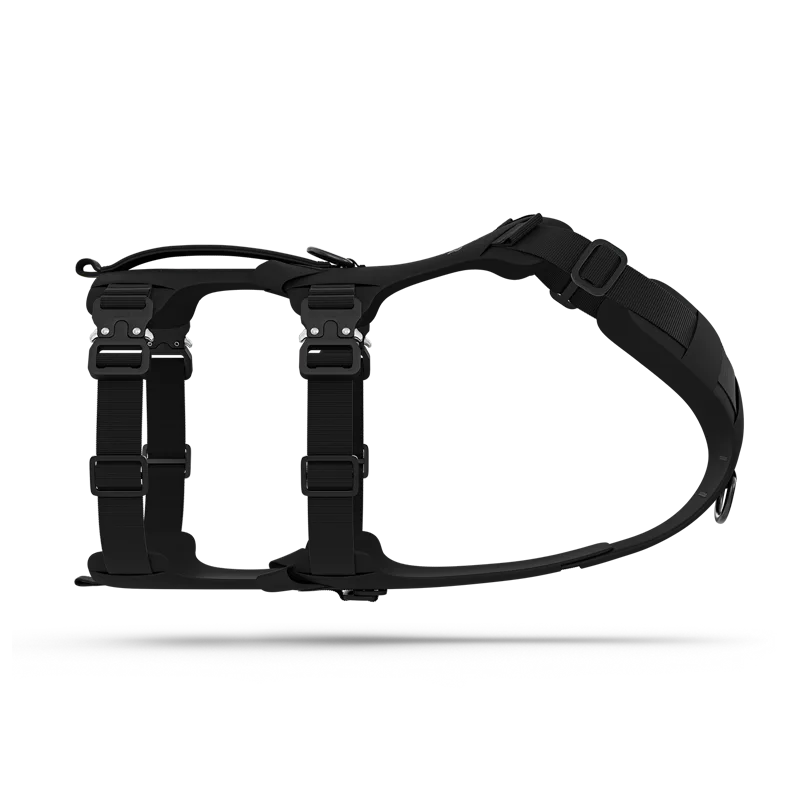
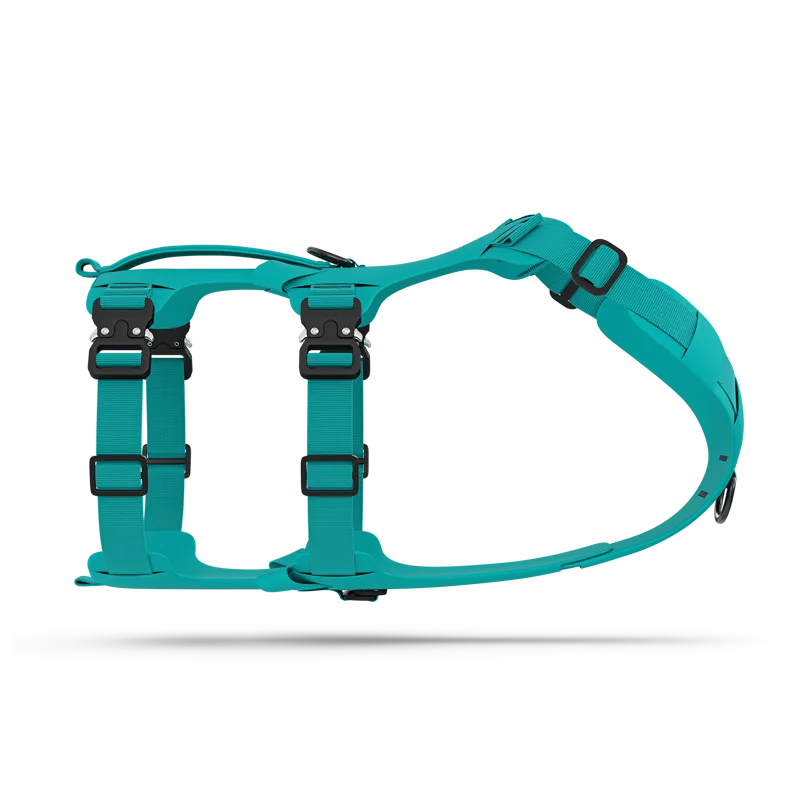
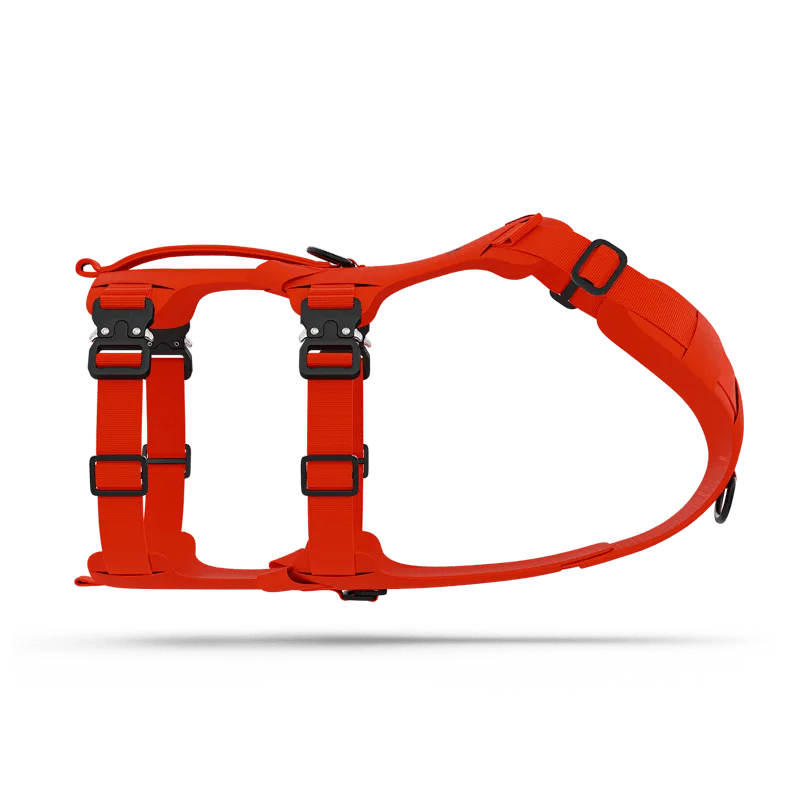
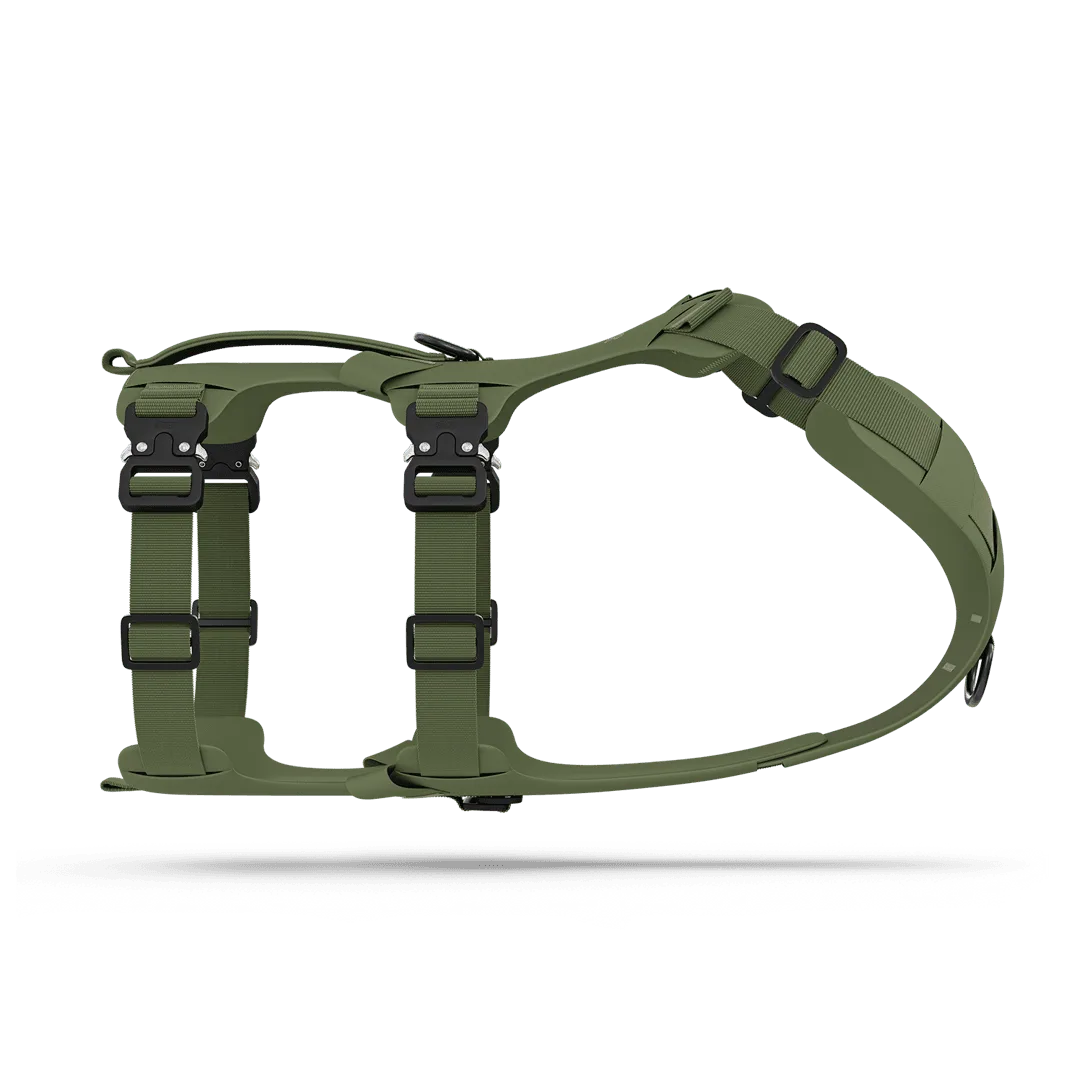
Finally, check the harness itself. A crash-tested harness distributes load across the chest instead of the neck, and it keeps the dog in a predictable position so the buckle stays out from under a paw. The Lander harness is crash-tested and holds over 3,300 lb of force, with modular add-ons and a light feel on trail. Note that Lander has been replaced by Bomber, so check current availability before you build your setup around it.
When to stop and choose a different option
Stop if the guard is not the problem. If your dog is deliberately pawing or mouthing the buckle, a cover will slow them down but not stop the behavior — you need to address the reason they are doing it, or use a barrier or crate instead.
Stop if the buckle is not a standard seatbelt latch. The guard is made for standard latches, so an unusual buckle shape or an aftermarket clip may not fit. Check the fit before you rely on it.
Stop if your dog is escaping the harness rather than the buckle. A latch guard does nothing for a dog that backs out of a harness. That is a sizing and fit issue, and it needs a different fix.
Diagnosis: which fix fits your dog
- Paw or body presses the button by accident: The buckle opens when your dog shifts, braces, or lies down, and the belt is otherwise intact. Use the Seatbelt Latch Guard and tighten the belt routing.
- Dog deliberately paws or mouths the buckle: The dog targets the buckle for attention or because it clicks, even when the belt is snug. A guard is not enough — address the behavior or use a barrier or crate.
- Dog slips out of the harness, not the buckle: The belt stays latched but the dog is free of the harness. This is a fit problem. Recheck harness sizing instead of adding a guard.
Product facts
- Seatbelt Latch Guard: The Säker Seatbelt Latch Guard is designed to help prevent accidental unbuckling by covering the seatbelt latch and reducing the risk of the release button being stepped on or pressed unintentionally. This is the direct fix for a paw landing on the release button, and it installs simply over standard seatbelt latches.
- Lander™ harness: The Lander harness is crash-tested, holds over 3,300 lb of force, adapts with modular add-ons, and feels light on trail. Lander has been replaced by Bomber. A crash-tested harness keeps the dog positioned so the buckle stays out from under a paw, but you should confirm current availability since Lander has been replaced.