Quick answer
Choose the NiSi 100mm ND Base Kit if you shoot mostly golden hour or overcast scenes; pick the Long Exposure Kit for classic silky water and cloud motion; choose the Extreme Kit when you need maximum flexibility for bright midday or ultra-long exposures.
Understanding ND stops and what they do
Neutral density filters reduce the light entering your lens, allowing longer shutter speeds. A 3‑stop ND (0.9) lets you blur moving water slightly in bright conditions. A 6‑stop ND (1.8) is the workhorse for most daytime long exposures. A 10‑stop ND (3.0) pushes shutter times into minutes, smoothing oceans and clouds. The 15‑stop ND (4.5) is for extreme conditions like full midday sun or intentional heavy blur.
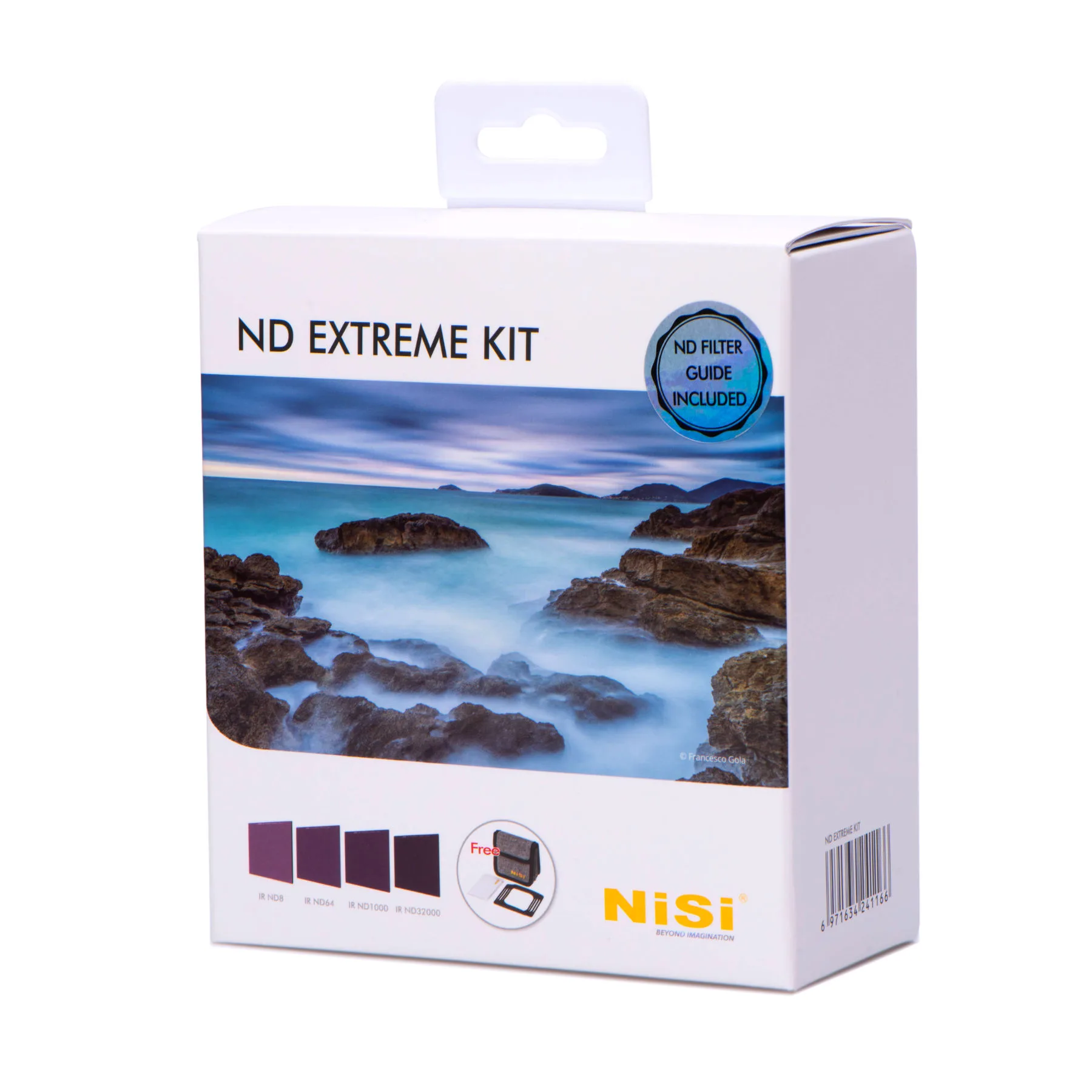
Each kit combines a different set of these stops. The Base Kit gives you 3 and 6 stops. The Long Exposure Kit adds a 10‑stop. The Extreme Kit includes all four: 3, 6, 10, and 15 stops.
Value and what you get in the pouch
All three kits include a NiSi Soft Filter Pouch that holds four 100x100mm filters or circular filters up to 95mm. The Base Kit saves you money if you rarely need more than 6 stops. The Long Exposure Kit is the most popular balance of capability and cost. The Extreme Kit costs more but avoids buying a separate 15‑stop filter later.
Buying the filters individually would cost significantly more: the Long Exposure Kit’s components total $803 separately, the Base Kit $554, and the Extreme Kit $1,072. The kit pricing makes the pouch essentially free.
Coatings and color cast
All three kits use the same ultra‑low color cast, ultra‑low reflection, high‑definition nano coating on both sides, plus water and oil repellent properties. You get the same optical quality regardless of which kit you choose. The only difference is the stop range.
How to decide: three rules
- Rule 1 – Match stops to your typical light: If you shoot mostly sunrise, sunset, or overcast days, 3‑6 stops (Base Kit) are enough. If you want smooth water or clouds in normal daylight, you need a 10‑stop (Long Exposure Kit). If you shoot at noon or want extreme blur, get the 15‑stop (Extreme Kit).
- Rule 2 – Think about future needs: Buying the Long Exposure Kit now and adding a 15‑stop later costs more than the Extreme Kit. If you think you might want a 15‑stop within a year, the Extreme Kit is the better long‑term value. The Extreme Kit saves you money if you eventually need a 15‑stop filter.
- Rule 3 – Budget vs. versatility: The Base Kit is the lowest upfront cost. The Long Exposure Kit adds the most popular stop for a moderate price. The Extreme Kit gives you the widest range but costs more. Choose the one that matches the scenes you actually shoot, not the one with the most stops.
Product facts
-
NiSi Filters 100mm ND Base Kit: Base ND kit featuring 3 Stop and 6 Stop ND, includes a NiSi Soft Filter Pouch. Ideal if you rarely shoot past 6 stops; you save money and still cover most golden‑hour and overcast scenes.
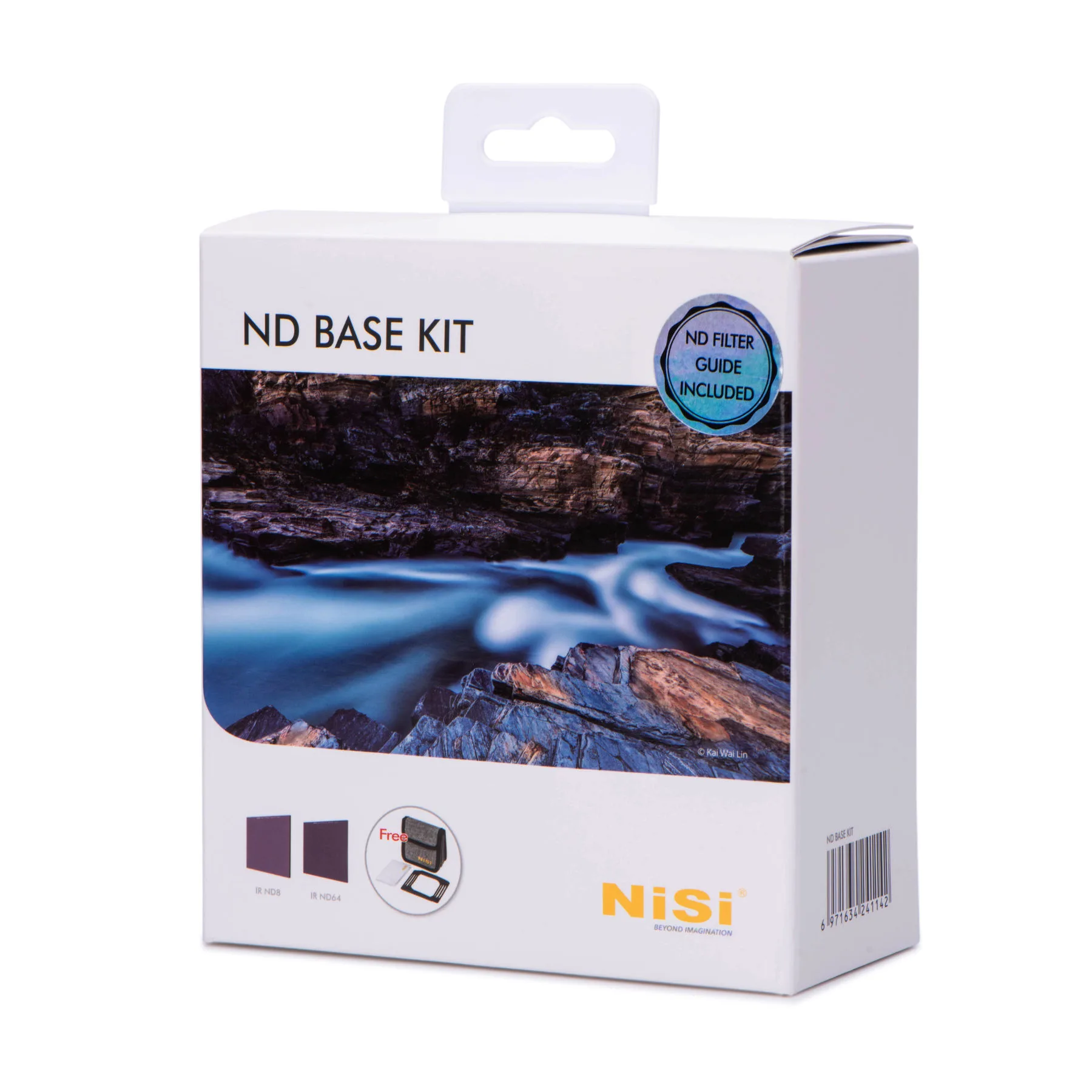
NiSi Filters 100mm ND Base Kit
-
NiSi Filters 100mm ND Long Exposure Kit: Long Exposure ND kit featuring 3 Stop, 6 Stop and 10 Stop, includes a NiSi Soft Filter Pouch. The 10‑stop filter lets you create classic silky water and cloud motion without buying a separate filter.
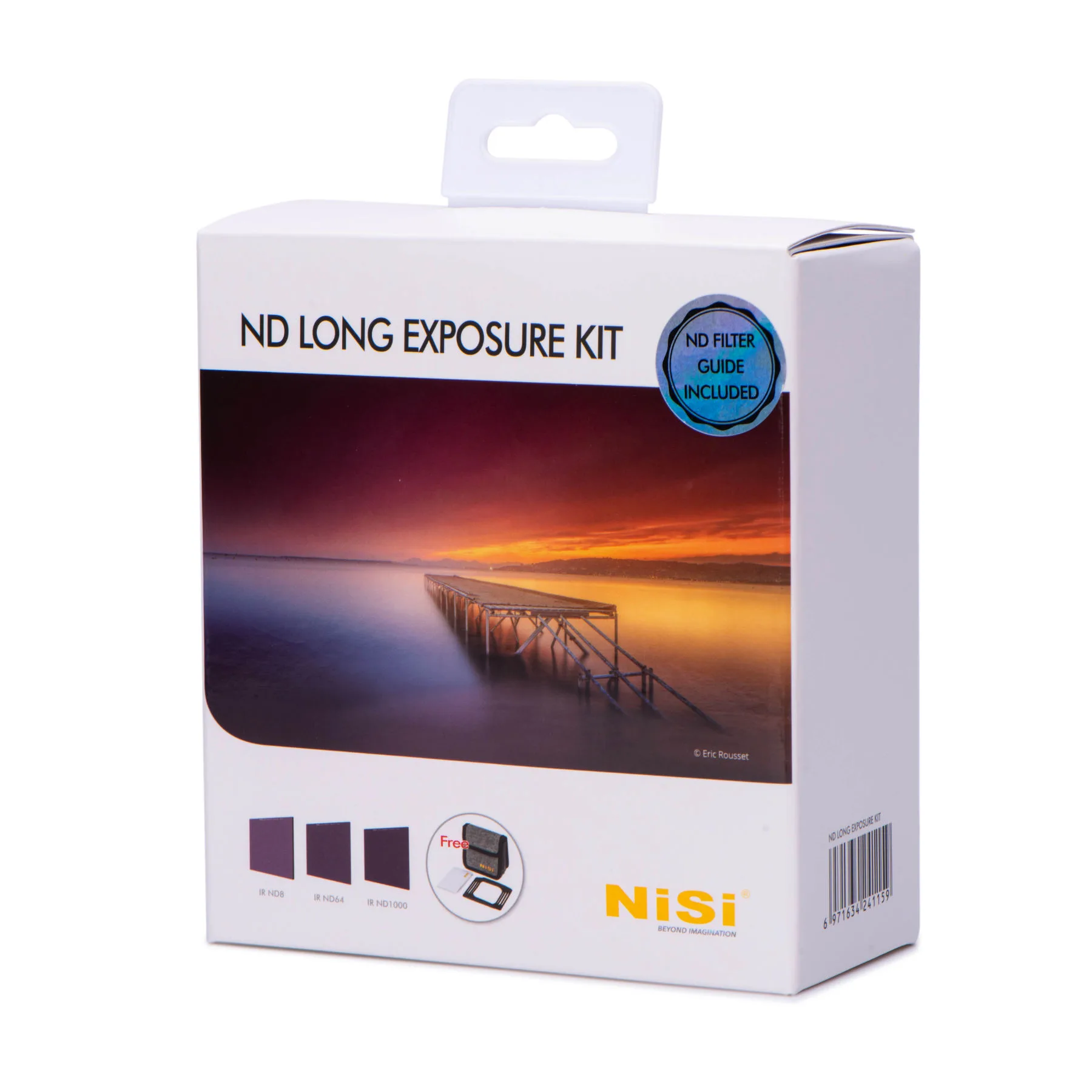
NiSi Filters 100mm ND Long Exposure Kit
-
NiSi Filters 100mm ND Extreme Kit: Extreme ND kit featuring 3 Stop, 6 Stop ND, 10 Stop and 15 Stop, includes a NiSi Soft Filter Pouch. The 15‑stop filter handles bright midday sun and extreme blur; this kit is the most versatile for all lighting conditions.
Which kit fits you?
Best for
- Landscape photographers who shoot golden hour and overcast scenes and want the lowest cost
- Enthusiasts who want classic long exposures of water and clouds without buying extra filters
- Adventurous shooters who need maximum flexibility for bright midday or extreme blur effects
Not ideal for
- Photographers who already own a 10‑stop filter and only need a 15‑stop
- Budget‑conscious beginners who rarely use more than 3 stops