Quick answer
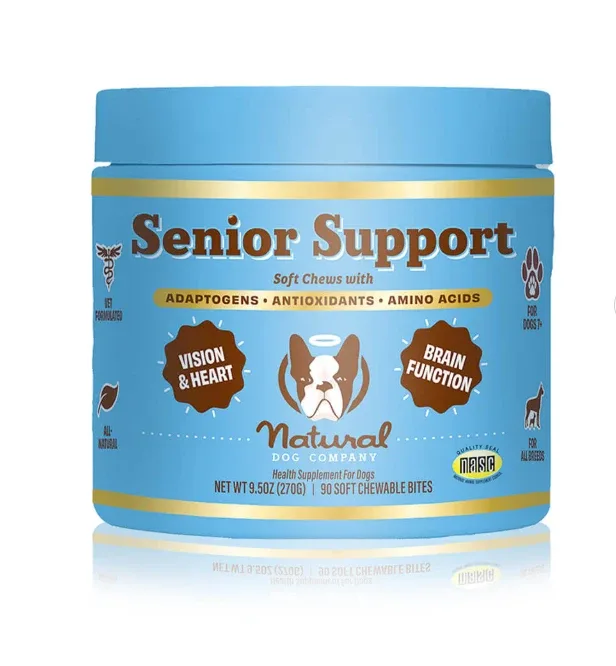
Senior Support Chews are formulated for dogs 7 and older, targeting cognitive function, cardiovascular health, and vision support. They are not a general multivitamin. If your dog is aging and you want to address these three areas, this chew is worth considering. Introduce it gradually and watch for changes.
What makes this chew different from a basic multivitamin
Most dog supplements try to cover everything. Senior Support Chews focus on three specific needs that often get overlooked as dogs age: staying sharp, supporting heart health, and maintaining vision. That focus matters because a dog's needs change with age, and a one-size-fits-all vitamin may not address these areas in a meaningful way.
The chew is designed exclusively for dogs 7 and older. If your dog is younger, this product is not intended for them. For older dogs, the targeted approach can be more practical than adding multiple separate supplements.
How to introduce Senior Support Chews to your dog
Start with one chew per day, or as directed on the label. Offer it at the same time each day, such as with breakfast or dinner, so it becomes part of the routine. If your dog is a fast eater, break the chew into smaller pieces to reduce choking risk. Always have fresh water available.
Keep an eye on your dog for the first week. Most dogs accept the chew without issue, but some may have a sensitive stomach. If you notice loose stool or vomiting, pause and consult your veterinarian. Do not double up if you miss a day.
What to watch for and when to check in with your vet
Senior Support Chews are not a medication. They are a supplement. If your dog has a diagnosed condition or is on prescription medication, talk to your vet before adding any new supplement. This is especially important for dogs with heart conditions or those already taking cardiac medications.
Track any changes you notice over four to six weeks. You might see your dog engaging more, moving more comfortably, or showing interest in surroundings. If you see no change, that does not mean the chew is failing; it may simply mean your dog's needs are different. Your vet can help you decide whether to continue.
How to use Senior Support Chews: step by step
- Confirm your dog is 7 or older: This chew is made for aging dogs. If your dog is younger, do not use it. Check with your vet if you are unsure of your dog's exact age. Checkpoint: Age is the first filter. Younger dogs need different support.
- Introduce one chew daily with food: Give the chew at the same time each day. You can break it into pieces for small dogs or fast eaters. Do not exceed the recommended amount. Checkpoint: Consistency helps you judge whether it is working.
- Monitor for stomach upset in the first week: Some dogs may have a sensitive reaction. If you see vomiting or diarrhea, stop and call your vet. Otherwise, continue as directed. Checkpoint: A mild adjustment period is normal, but severe signs are not.
- Track changes over four to six weeks: Note any differences in alertness, movement, or interest in play. Keep a simple log if it helps. Share this with your vet at the next visit. Checkpoint: Supplements take time. Do not expect overnight results.
- Reassess with your vet: After six weeks, decide together whether to continue. If your dog has new health issues, your vet may adjust the plan. Checkpoint: This chew supports wellness, but it does not replace veterinary care.
Product facts
- Senior Support Chew: Senior Support Chews are formulated exclusively for aging dogs (7+ years), focusing on cognitive function, cardiovascular health, and vision support. This means the chew is not meant for younger dogs. If your dog is under 7, you should look for a different supplement.
- Senior Support Chew: Unlike basic multivitamins, this chew goes beyond general wellness to help your dog stay sharp, energetic, and comfortable. If you have been giving a generic multivitamin and not seeing results, a targeted senior formula may be more appropriate.