Quick answer
Use the Daffodil and Little Star toys to create structured sensory play sessions that support motor skills, cause-and-effect learning, and social interaction for children aged 6 to 23 months.
Why structured sensory play matters for this age group
Between 6 and 23 months, children explore the world through their senses. Structured play with age-appropriate toys helps them develop fine and gross motor skills, spatial awareness, and early problem-solving abilities. The Daffodil and Little Star toys are designed specifically for this developmental window, with features that invite exploration without overwhelming young learners.
Choosing between Daffodil and Little Star
Both toys serve children aged 6 to 23 months but offer different play experiences. The Little Star accommodates 20-24 children and features a saddle seat with a tic-tac-toe insert, making it ideal for group sensory play that includes seated activities. The Daffodil fits 16-20 children and includes a turntable panel, ramp, and a 2-foot single slide, which adds movement-based sensory input. Your choice depends on whether you want to emphasize stationary tactile play or incorporate gross motor exploration.
How to set up sensory play with Daffodil and Little Star
- Step 1: Introduce the tic-tac-toe insert for tactile exploration: Place the Little Star toy in a clear area. Show the child how to grasp and move the tic-tac-toe pieces. Let them explore the texture and shape of each piece without pressure to play the game correctly. Common mistake: Expecting a 6-month-old to understand game rules. Focus on the sensory experience of touching and moving the pieces instead.
- Step 2: Use the turntable panel for cause-and-effect learning: Position the Daffodil so the turntable panel is accessible. Demonstrate spinning the panel slowly, then encourage the child to try. Narrate the action (e.g., 'Spin, spin, stop!') to build language connections. Common mistake: Spinning too fast. Young infants need slow, predictable movements to understand cause and effect.
- Step 3: Combine the ramp and slide for movement-based play: Place a soft mat at the base of the Daffodil slide. Let the child crawl up the ramp and slide down while you supervise closely. This activity builds balance, coordination, and spatial awareness. Common mistake: Leaving the slide area cluttered. Keep the landing zone clear of other toys to prevent tripping and ensure safe landings.
- Step 4: Rotate between stationary and active play: Alternate between seated play at the Little Star and active play on the Daffodil. A typical session might include 10 minutes at the tic-tac-toe insert followed by 10 minutes of crawling and sliding. Common mistake: Overstimulating the child by offering both toys at once. Rotate to maintain engagement and avoid sensory overload.
Product facts
-
Little Star: Little Star has a saddle seat with a tic-tac-toe insert. The tic-tac-toe insert provides a tactile, turn-taking activity that supports fine motor control and early social skills.
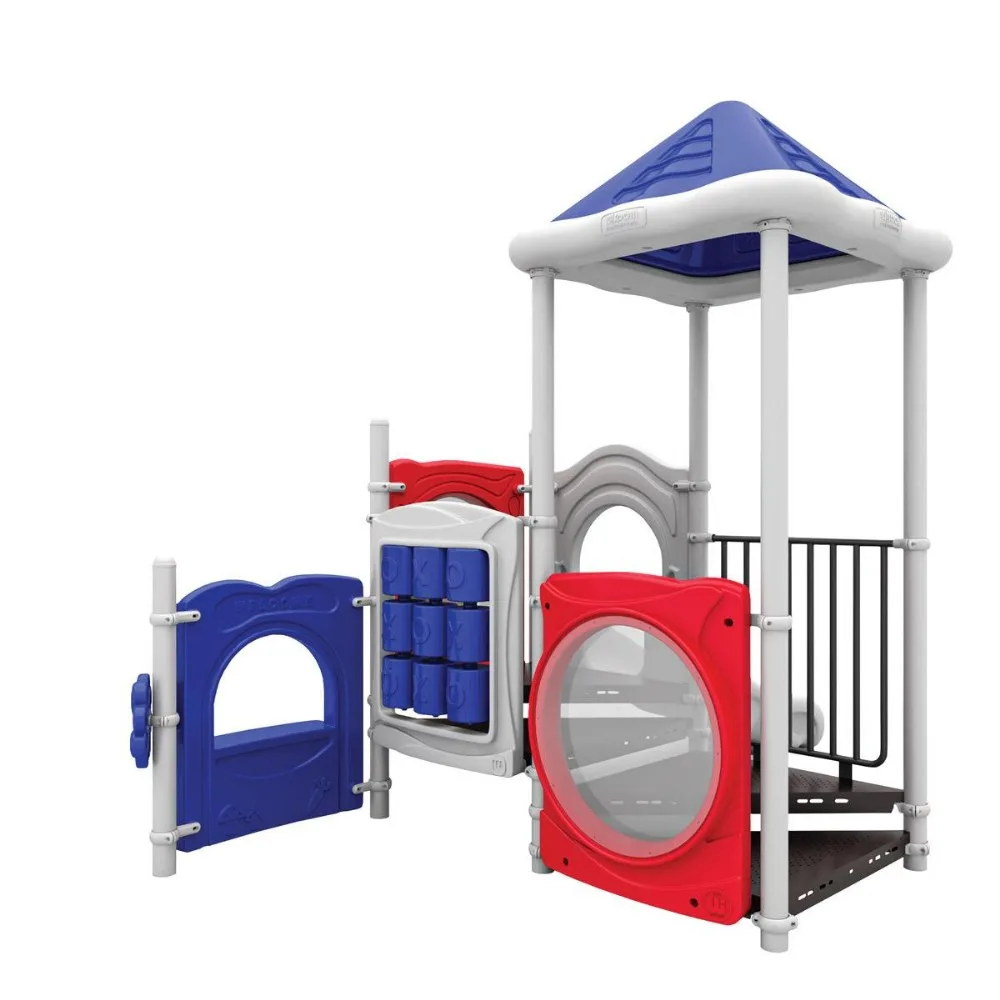
Little Star
-
Daffodil: Daffodil includes a turntable panel, ramp, and a 2-foot single slide. The turntable panel introduces cause-and-effect through spinning motion, while the ramp and slide encourage crawling and climbing for gross motor development.
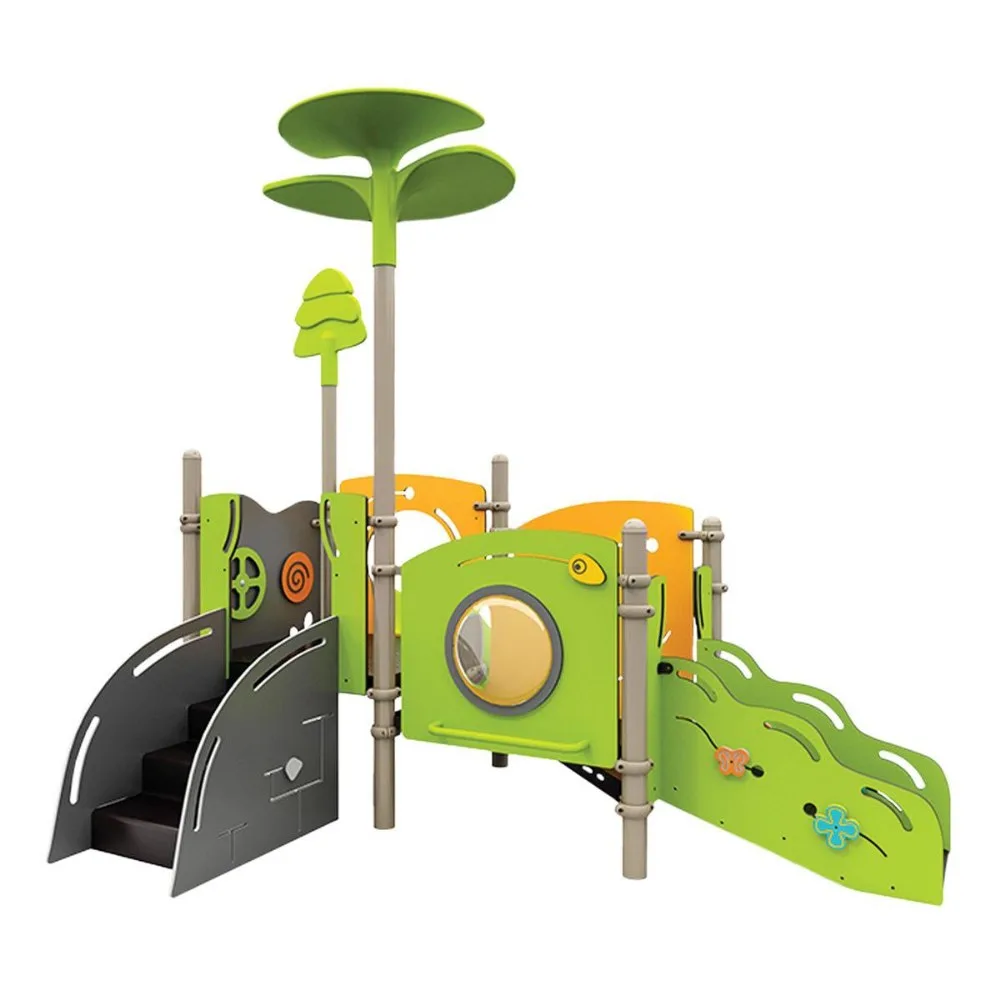
Daffodil