Quick Answer
For most bag makers, the sewing machine comes first. It sews the seams, topstitching, zippers, and strap attachments that hold a bag together. A serger is a useful second machine because it finishes and reinforces raw edges, but it cannot replace the straight and zigzag stitches a bag pattern requires. If you can only buy one, buy the sewing machine.
What Each Machine Actually Does on a Bag
A sewing machine makes locked stitches through the fabric. That is what lets you sew a seam, press it open, topstitch it flat, install a zipper, and bar-tack a strap. Bag patterns assume these operations, so the sewing machine is the machine that completes the project.
A serger trims the seam allowance, wraps the edge in thread, and sews in one pass. On bag making it shines on seam finishing, on stabilizing bulky layers, and on decorative overlock edges. It does not usually replace the construction seams themselves, because overlock stitches are not locked the way a straight stitch is and can unravel if a thread breaks.
Where the Trade-Off Shows Up in Real Projects
On a lined tote, the sewing machine does nearly all the visible work. A serger only helps if you want clean interior seams or you are working with fabric that frays badly. On an unlined bag, a serger can finish the inside seams so the bag looks tidy without a lining.
Hardware is the other place the difference matters. Straps, rings, and zipper pulls are attached with the sewing machine, not the serger. A serger cannot sew through a metal ring, and it cannot bar-tack a strap end. That is why hardware-heavy patterns still depend on a standard machine.
Cost and Space: What You Give Up
A serger is a second machine, which means a second footprint on your table and a second set of threads to buy and thread. It also uses cone thread, not the spools you may already own. If your space or budget is tight, that cost is real.
If you sew mostly bags with lots of exposed interior seams, or you sell your work and want a cleaner finish, the serger earns its place. If you sew one bag a month and line most of them, the sewing machine alone is enough.
How to Add a Serger Without Duplicating Work
Use the serger before construction, not instead of it. Serge the raw edges of your fabric panels first, then move to the sewing machine for seams, zippers, and hardware. That order keeps the serger in a supporting role and avoids re-sewing.
Keep the serger set up with a neutral thread color that matches your most common lining. Switching four threads for every project is the main reason home sergers sit unused.
Serger vs Sewing Machine: Trade-Offs at a Glance
- Sewing machine: Handles seams, topstitching, zippers, and hardware attachment. It is the machine every bag pattern assumes you own. Buy this first if you are choosing one machine.
- Serger: Finishes and reinforces raw edges in one pass, which gives unlined bags and fray-prone fabrics a cleaner interior. Add it second, once your sewing machine work is solid.
- Doing both: Serge edges first, then construct on the sewing machine. This order avoids re-sewing and keeps each machine doing what it does best. If you only line your bags, the serger step is optional.
Hardware That Works With Either Machine
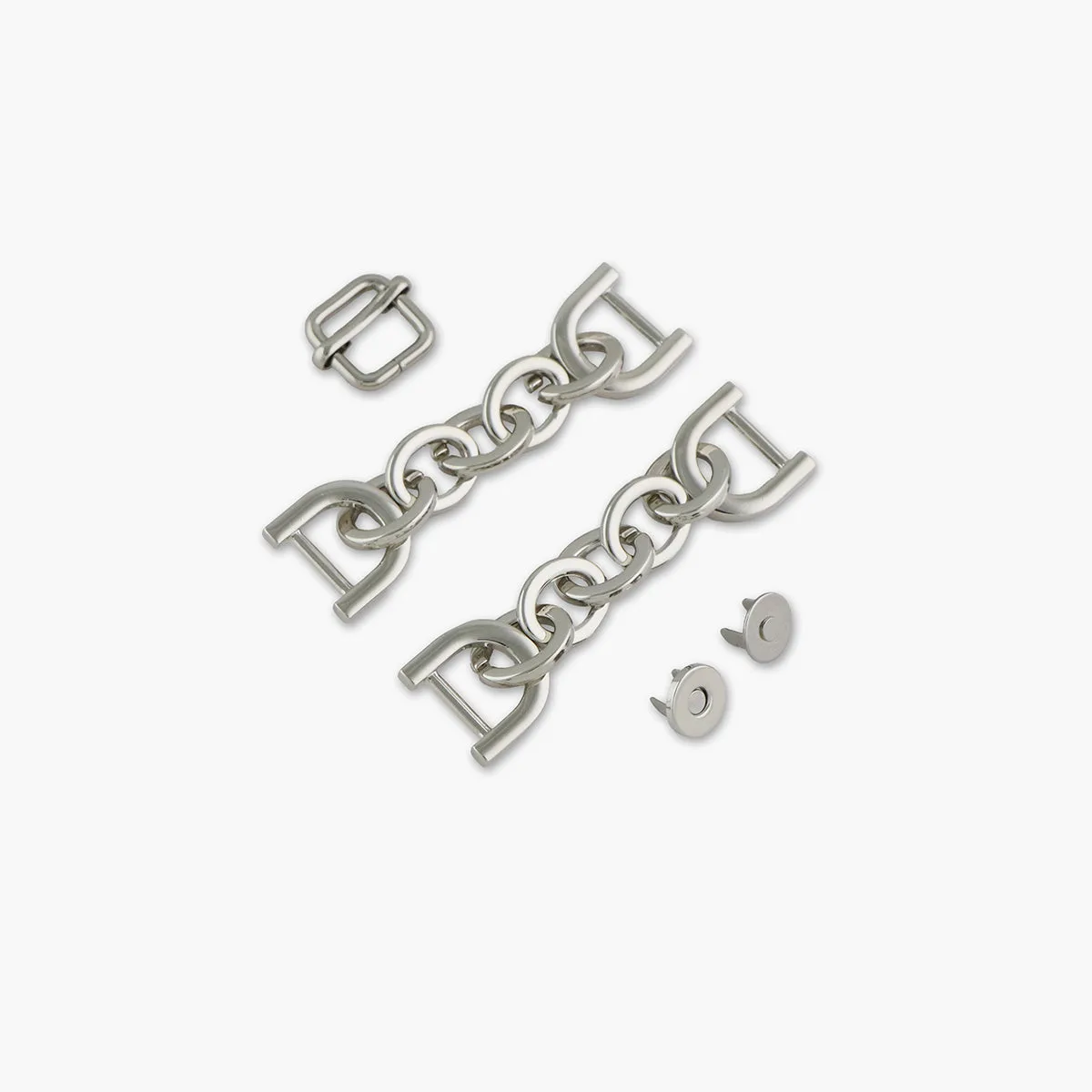
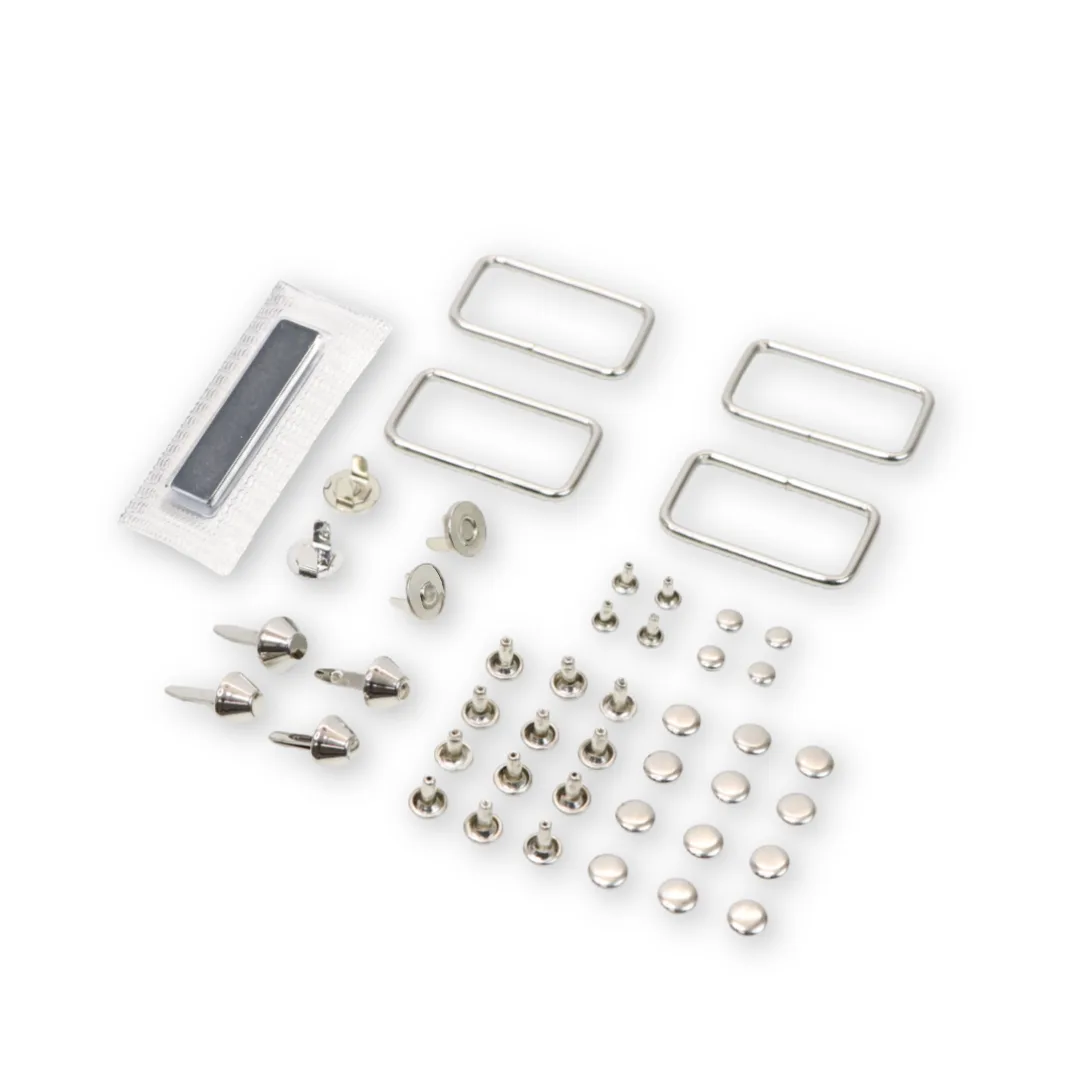
- Sophie Hardware Kit: The Sophie Hardware Kit bundles the basic hardware pieces for the Sophie pattern in one kit, in a choice of colors. A kit removes the guesswork of sourcing individual pieces, so you can spend your setup time on the machine decision instead of on hardware hunting.
- Four Tula Pink 1 1/2" Rectangle Rings: These 1 1/2 inch rectangle rings attach to straps and handles to give them more mobility, and the four-pack pairs with coordinating swivel hooks and slider buckles. Rings and hooks are sewn on with the sewing machine, so they are a good reminder that hardware work stays on the standard machine.
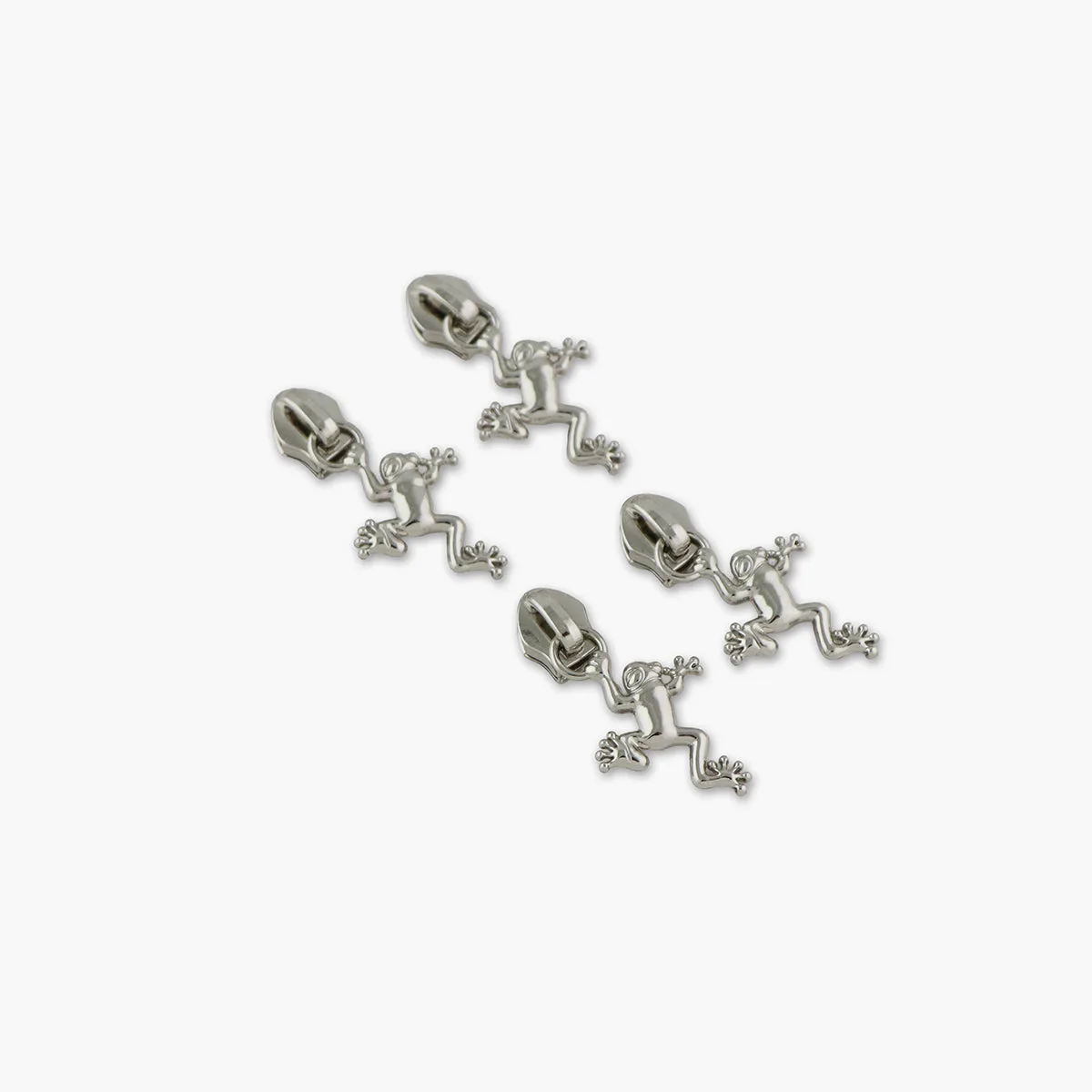
- Four Tree Frog Zipper Pulls: These zipper pulls fit Sallie Tomato Zippers by the Yard or any size #5 nylon coil zipper, and work for single or double slide zippers. Zipper installation is a sewing machine task, so pulls are a low-cost way to finish a bag without adding a second machine.
Which Machine Fits Your Bag Making?
Best for
- Bag makers who sew lined totes and handbags and want one machine that completes the pattern
- Sewists attaching straps, rings, and zipper pulls, which require a sewing machine
- Anyone with limited table space or budget who needs the machine that finishes the project
Not for
- Sewists who mainly want clean, serged interior seams on unlined bags and already own a reliable sewing machine
- Makers who sew mostly knits and garments rather than structured bags
- Anyone hoping a serger alone can replace straight stitching, topstitching, and hardware attachment