Quick answer
The Sesame Street 3-in-1 Card Game focuses on emotional intelligence, memory, and reaction time through interactive play, while traditional flash cards emphasize rote memorization of facts. If you want to build emotional vocabulary and social skills in a fun, screen-free way, the card game is the better fit. For drilling letters, numbers, or sight words, flash cards still have their place.
What sets the Sesame Street 3-in-1 Card Game apart?
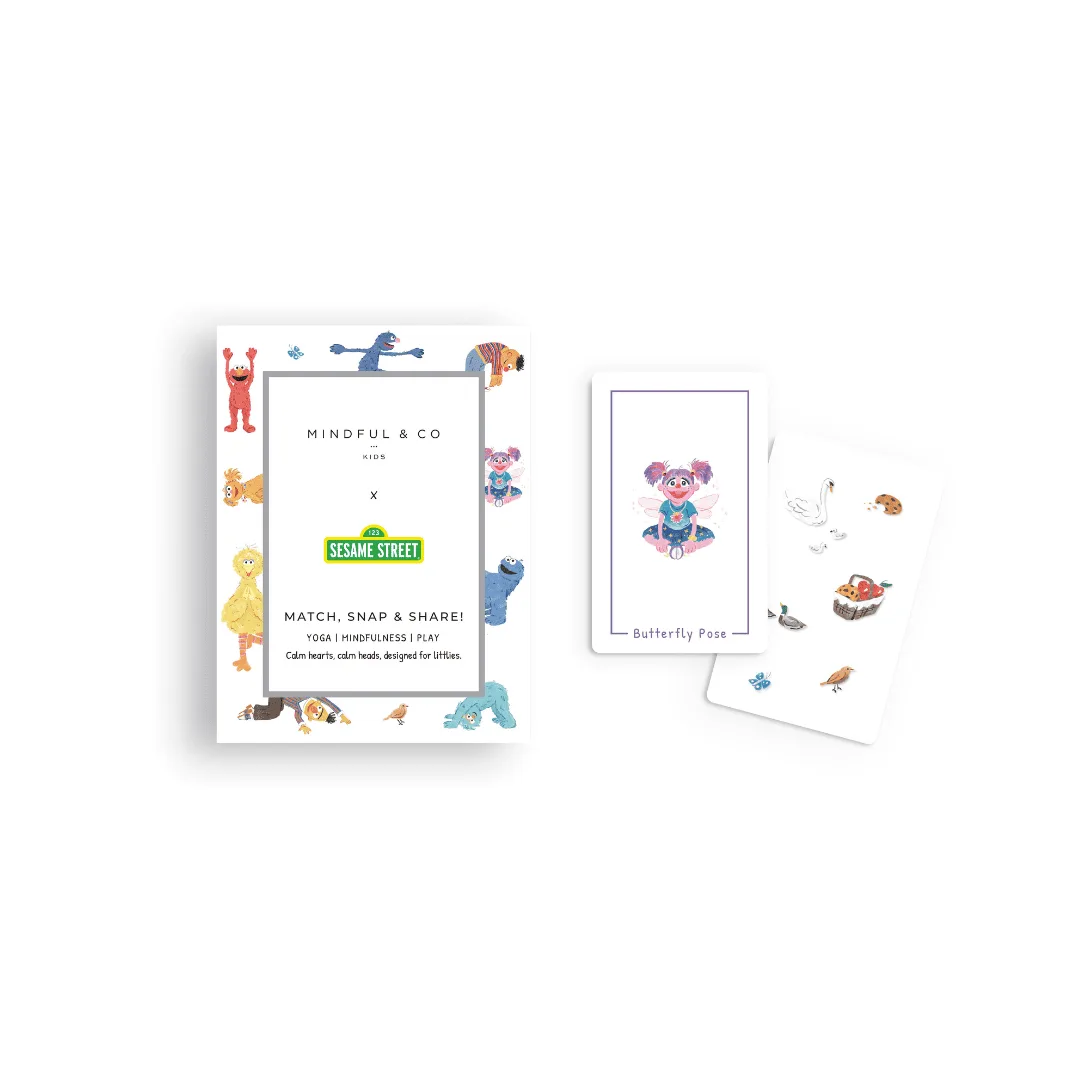
Unlike standard flash cards that present static information, the Sesame Street 3-in-1 Card Game turns learning into an active, social experience. It includes three classic games—Memory Match, Snap!, and a third game—that target concentration, cognitive skills, and reaction time. The catalog facts highlight that it is designed to nurture emotional intelligence, focus, and resilience, all through screen-free, joyful play. This means your child practices taking turns, managing wins and losses, and recognizing emotions while playing with beloved characters.
Flash cards, by contrast, are typically used one-on-one or solo and focus on repetition. They are excellent for building foundational knowledge like the alphabet or numbers, but they don't naturally encourage social interaction or emotional growth. If your goal is holistic development that includes both cognitive and emotional skills, the card game offers more depth per play session.
How flash cards complement the card game
Flash cards remain a useful tool for targeted skill drills. For example, if your child needs extra practice with letter recognition or phonics, a set of alphabet flash cards can be very effective. However, they lack the built-in variety and emotional learning components of the 3-in-1 Card Game. Many parents find that combining both—using flash cards for quick drills and the card game for family playtime—gives a balanced approach to early learning.
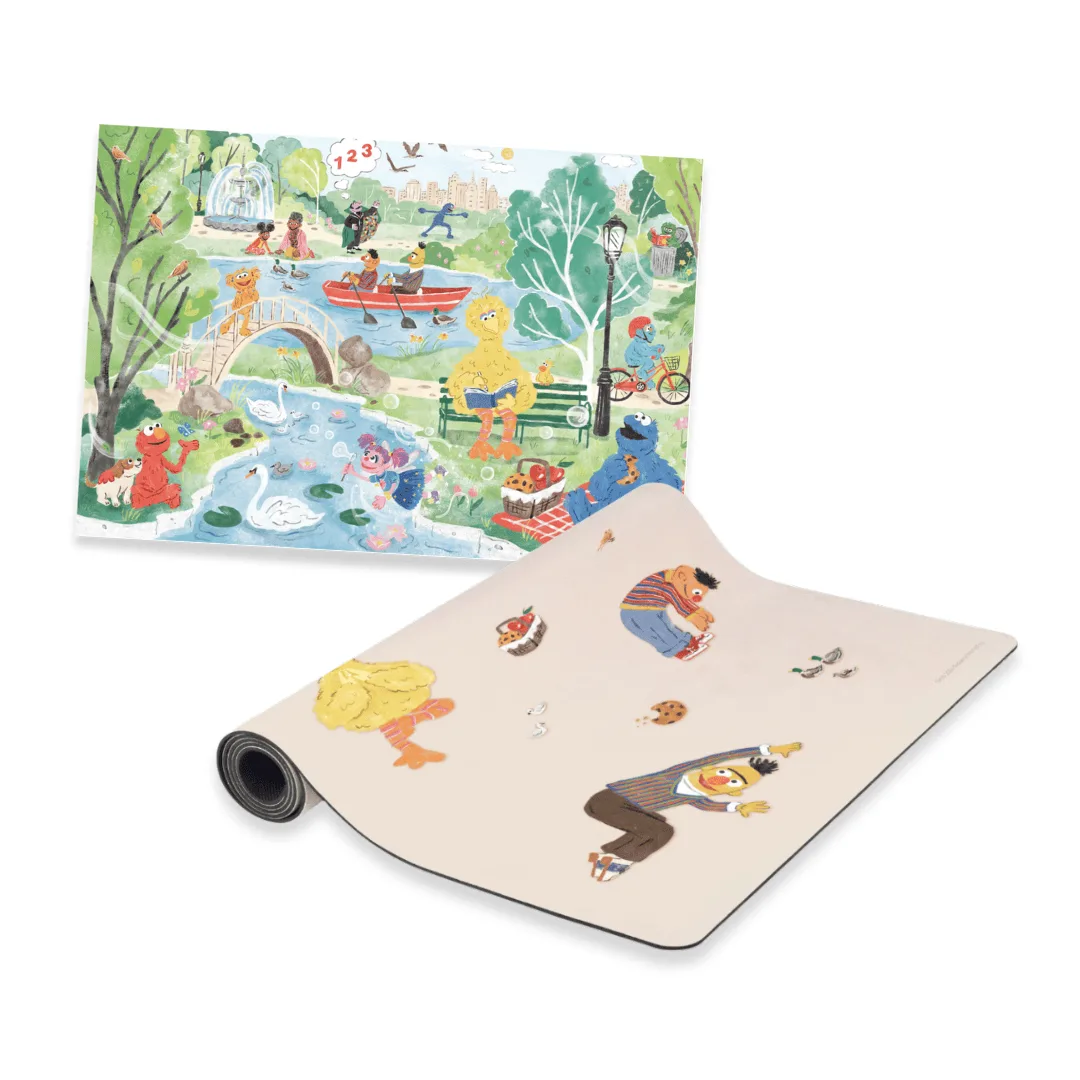
The Sesame Street Adventure Bundle, which pairs a yoga mat with a floor puzzle, offers another active, mindfulness-focused option. While not a direct alternative to flash cards, it supports physical activity and problem-solving, which are also important for young children. For families looking to integrate movement with learning, that bundle is worth considering alongside the card game.
Trade-offs to consider
- Emotional vs. academic focus: The card game explicitly targets emotional intelligence and resilience. Flash cards typically focus on academic facts like letters or numbers. Choose based on your child's current developmental needs. The card game builds EQ; flash cards build IQ basics.
- Social vs. solo play: The 3-in-1 Card Game requires at least two players, promoting turn-taking and communication. Flash cards can be used alone or with a parent. If your child needs social skill practice, the card game is stronger. Card game = group play; flash cards = flexible solo or paired use.
- Variety vs. repetition: Three games in one set keep play fresh and adaptable to different moods. Flash cards are repetitive by design, which helps with memorization but can bore children quickly. Card game offers variety; flash cards excel at drill repetition.
Product facts at a glance
- Sesame Street 3-in-1 Card Game: The Sesame Street 3-in-1 Card Game includes Memory Match, Snap!, and a third game to build emotional intelligence, focus, and resilience through screen-free play. It turns learning into a social, interactive experience that develops both cognitive and emotional skills, unlike passive flash card drills.
- Sesame Street Adventure Bundle: The Sesame Street Adventure Bundle combines a yoga mat and floor puzzle to encourage physical activity, problem-solving, and joyful connection with characters. If your child needs more movement and mindfulness, this bundle offers an active alternative to seated card games or flash cards.
Which is right for your child?
Best for
- Parents who want to build emotional intelligence, focus, and social skills through interactive play
- Families looking for a screen-free game that grows with the child (multiple game modes)
Not for
- Parents who need a simple tool for drilling academic facts like letters or numbers
- Children who prefer independent, quiet activities over group games