Quick Answer
Use a size 90/14 or 100/16 sharp needle, slow your machine, and sew between sequins or from the fabric side to avoid breaking needles on sequined fabric.
Why Sequined Fabric Breaks Needles
Sequined fabric is beautiful, but the plastic or metal sequins are harder than ordinary fabric. When a needle hits a sequin dead-on, it can bend or snap. The key is to either push the needle through a gap between sequins or use a stronger needle that can pierce the sequin without breaking.
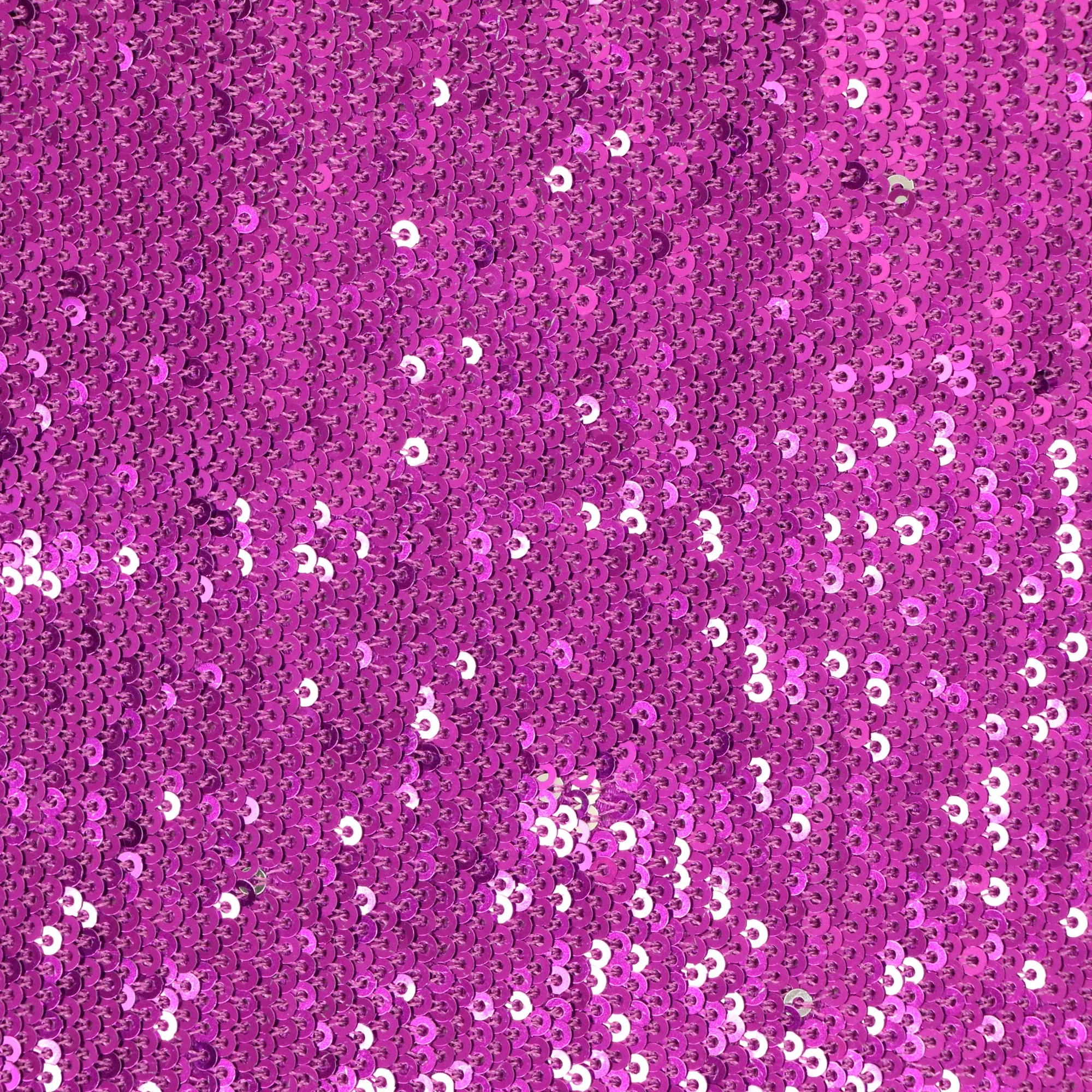
The backing of a sequined fabric also matters. For example, the Purple Sequins Fabric from Sallie Tomato has a support backing made of 15% cotton and 15% other fibers, which gives it some stability. That backing helps the fabric hold its shape, but it still needs the right needle and technique to avoid damage.
Step-by-Step: Sewing Sequined Fabric Safely
- Choose the right needle: Use a size 90/14 or 100/16 sharp needle, preferably a denim or microtex point. A stronger shaft pierces between sequins instead of hitting them head-on. Checkpoint: replace the needle before you start—a dull needle is the most common cause of breakage.
- Set up your machine for slow, steady stitching: Reduce your machine speed and use a straight stitch at 2.5–3.0 mm length. Avoid pulling or pushing the fabric; let the feed dogs move it naturally. Checkpoint: if the fabric stalls, lower the presser foot pressure slightly rather than forcing it.
- Choose the right needle and thread: Use a size 90/14 or 100/16 sharp needle designed for heavy or metallic fabrics. Pair it with a strong polyester thread. Avoid old or bent needles; replace the needle after every project or sooner if you hear a dull thud. Keep a fresh pack of the correct needle size on hand before starting.
- Prepare the sequined fabric: Place a strip of tissue paper or a tear-away stabilizer over the seam line. This prevents the presser foot from catching on sequins and reduces skipped stitches. Test on a scrap first to confirm the stabilizer doesn't show through.
- Stitch slowly and use a longer stitch length: Set a longer stitch length (3.0–3.5 mm) and sew at a slow, steady speed. This reduces stress on the needle and helps the fabric feed evenly, minimizing skipped stitches and breakage. If you still see skipped stitches, switch to a ballpoint or stretch needle before changing tension.
- Choose the right needle and thread: Use a size 90/14 or 100/16 sharp needle, ideally a Microtex or denim needle, and pair it with a strong polyester thread. The sharp point pierces between sequins rather than hitting them, which prevents needle breakage. Keep a spare pack of the same needle size on hand; swap as soon as the needle feels dull.
- Prepare the fabric and machine: Place a piece of tissue paper or tear-away stabilizer under the sequined fabric to keep sequins from slipping and to reduce friction. Use a longer stitch length and a moderate speed. Test on a scrap piece first. If the machine skips stitches, slow down and check that the needle is still sharp.
Product facts
-
Purple Sequins Fabric: Our Sequins Fabric is a Premium Quality 2-Way Fabric that is easy to work with and has a backing of 15% Cotton. The 2-way stretch and cotton backing mean the fabric moves with your machine, so a sharp, slightly larger needle reduces skipped stitches and breakage.
Purple Sequins Fabric