Quick Answer
If you have oily hair or want a more eco-friendly, travel-friendly option, a shampoo bar is a great fit. If you have dry, thick, or color-treated hair and want more control over how much product you use, liquid shampoo is often easier to manage. Match the format to your hair's needs, not just the trend.
Deciding between a shampoo bar and liquid shampoo comes down to more than just packaging. Your hair type, scalp condition, and daily routine all play a role in which format will actually work best for you. This guide gives you clear decision rules so you can choose with confidence.
Both formats can clean your hair effectively, but they behave differently in your hands, on your scalp, and in your shower. Understanding those differences helps you avoid the common mistakes that lead to dryness, buildup, or just plain frustration.
How Shampoo Bars and Liquid Shampoos Differ
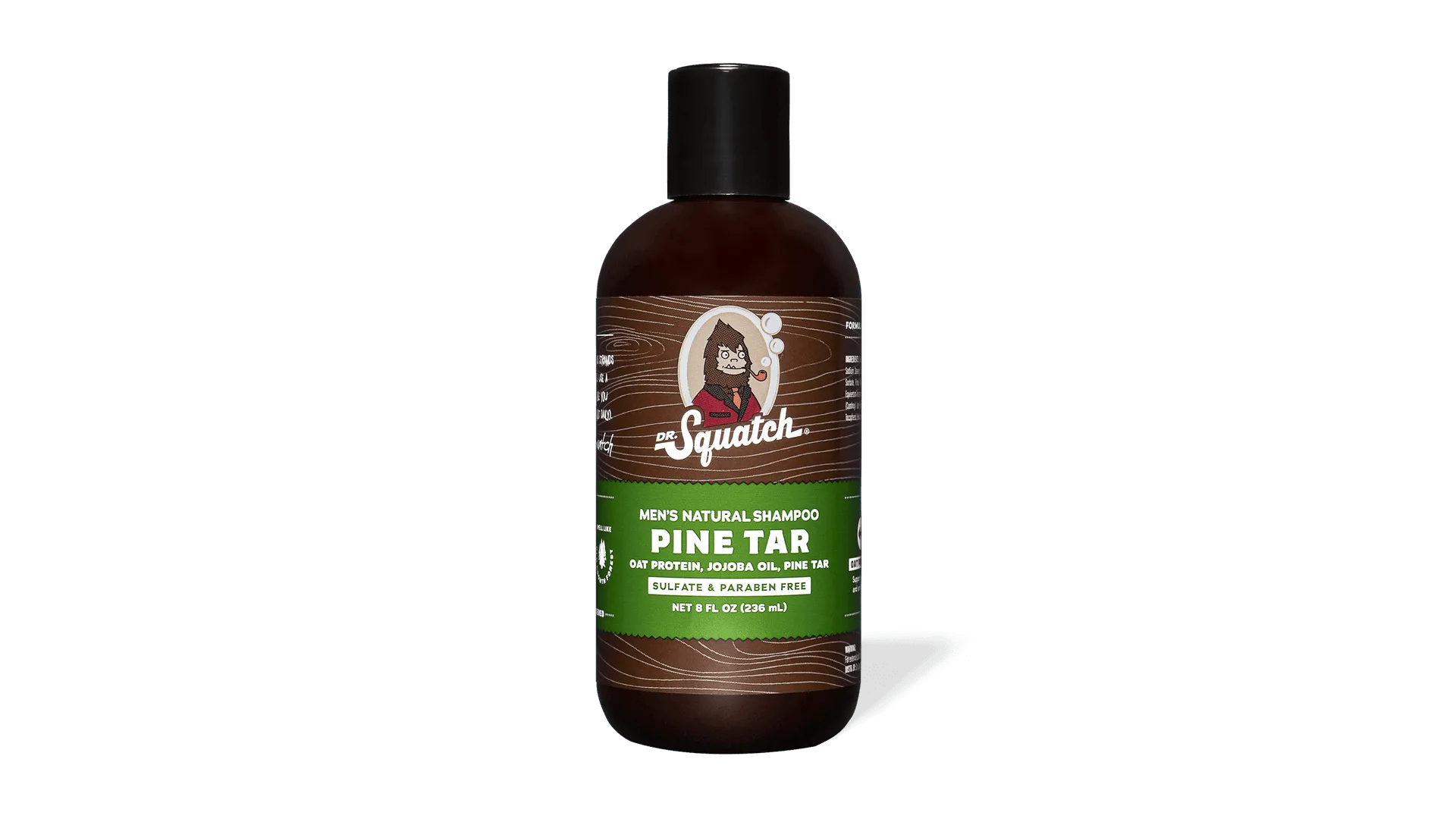
Shampoo bars are concentrated solid cleansers that you rub directly on wet hair or lather in your hands. They typically contain fewer preservatives and less water than liquid shampoos, which makes them a compact and long-lasting option. Liquid shampoos, on the other hand, are pre-diluted and often include additional conditioning agents, which can be helpful for dry or damaged hair.
The biggest practical difference is control. With a liquid shampoo, you can measure out exactly the amount you need, which is useful if you have very thick or very fine hair. With a bar, you get a consistent amount each time, but you might need to adjust your technique—like rubbing the bar directly on your scalp—to get the right lather.
- Shampoo bars are more concentrated, so a little goes a long way.
- Liquid shampoos often include extra moisturizing ingredients, which can help with dryness.
Match the Format to Your Hair Type
For oily hair, a shampoo bar can be a good choice because it tends to be more cleansing and less likely to leave residue. The lack of added emollients means your scalp may feel cleaner for longer. If you have dry or sensitive skin, a liquid shampoo with hydrating ingredients might be gentler and easier to control.
Thick or curly hair often benefits from the slip and moisture that liquid shampoos provide. Fine or thin hair, however, may feel weighed down by heavy conditioners, so a bar's lighter formula could be better. If you're unsure, start by considering your scalp's oiliness and your hair's texture.
- Oily scalp? Try a shampoo bar for a deeper clean.
- Dry or curly hair? Liquid shampoo may be easier to distribute evenly.
Practical Considerations: Travel, Storage, and Routine
Shampoo bars are a clear win for travel. They're solid, so they won't leak in your bag, and they take up minimal space. They also last longer than most liquid shampoos because you use less per wash. The trade-off is storage: you need to let the bar dry between uses, or it can soften and dissolve faster.
Liquid shampoos are more familiar and easier to use in a rush. You can pump or pour exactly what you need, and you don't have to worry about drying it out. However, they're heavier and bulkier, and they can be wasteful if you use too much. Think about your shower setup and whether you prefer a product that sits on a shelf or one that you can toss in a https://drsquatchstore.com/products/toiletry-bag-56809toiletry bag.
- Use a draining soap dish to extend the life of your shampoo bar.
- If you share a shower, liquid shampoo might be more hygienic for multiple users.
Your Decision Rules
- Rule 1: Match to Oiliness: If your scalp gets oily by midday, choose a shampoo bar for a more thorough cleanse. If your scalp is dry or flaky, opt for a liquid shampoo with added moisture. Oily scalps benefit from bars; dry scalps prefer liquids.
- Rule 2: Consider Your Hair Texture: Fine or thin hair often does better with a lightweight bar that won't weigh it down. Thick, curly, or coarse hair usually needs the slip and moisture of a liquid shampoo. Texture matters: fine hair = bar, thick/curly = liquid.
- Rule 3: Think About Your Routine: If you travel often or want a longer-lasting product, a bar is more practical. If you prefer convenience and precise dosing, liquid is easier. Travel and storage preferences can tip the scale.
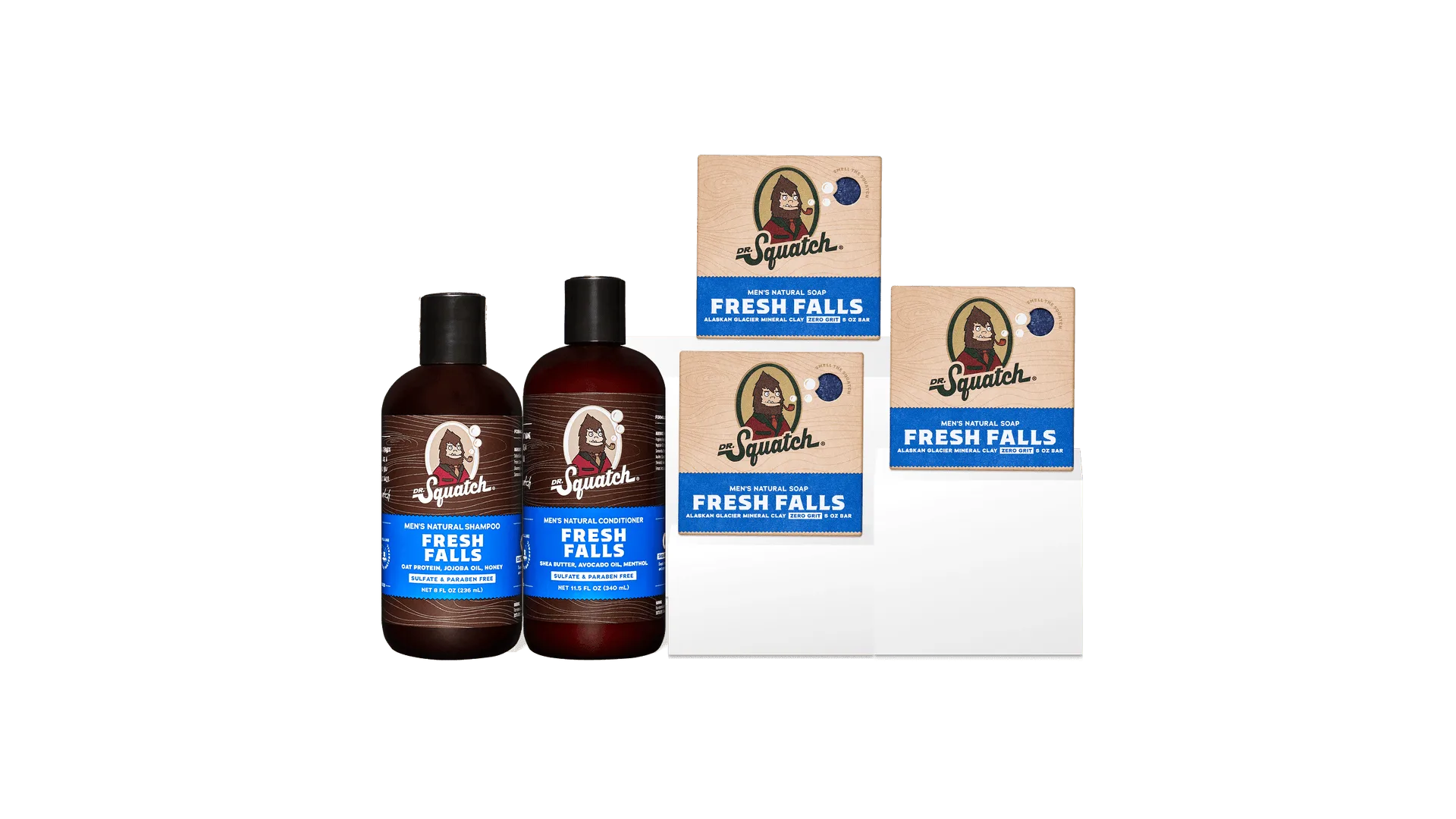
Dr. Squatch Products to Consider
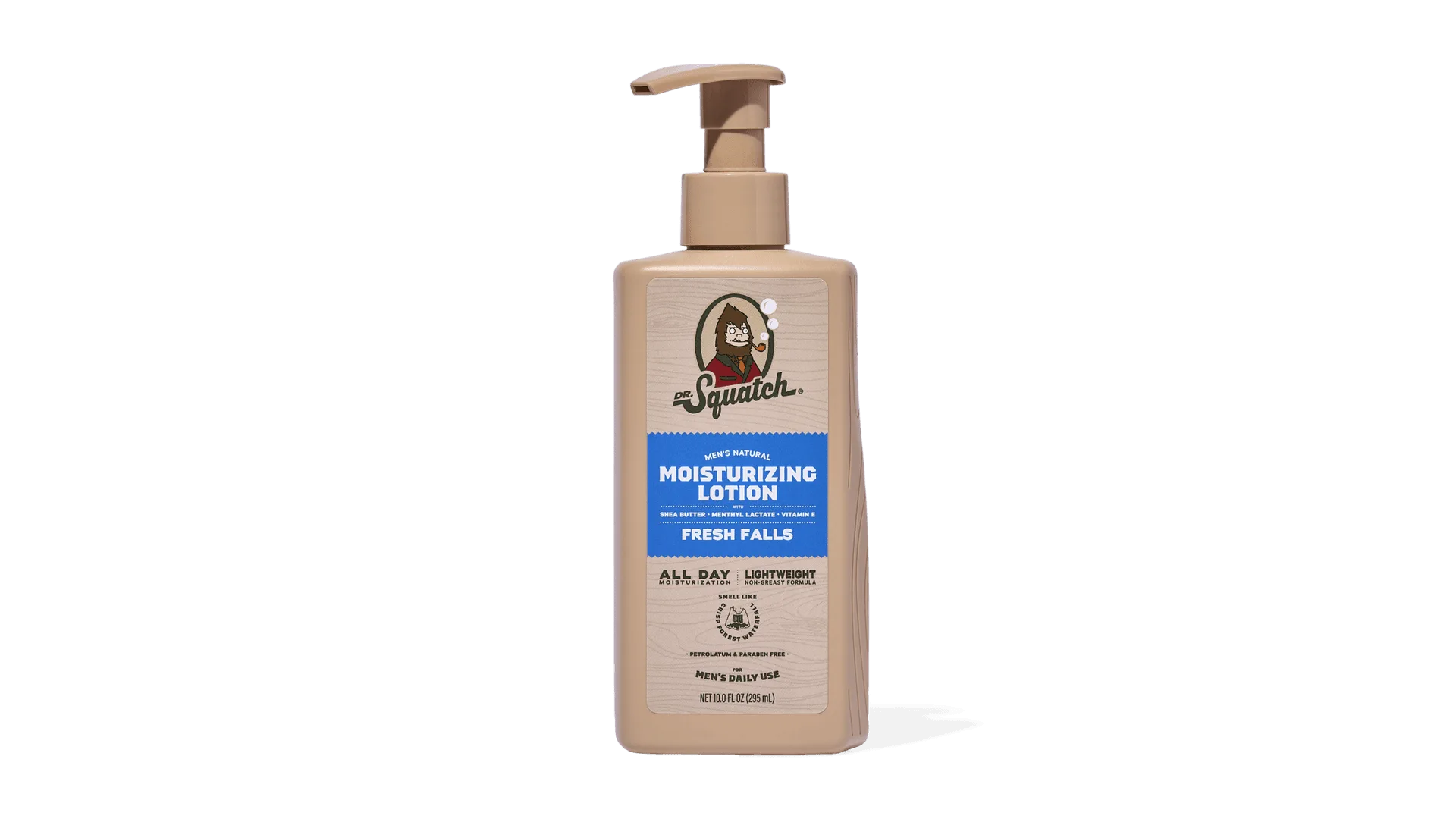
- https://drsquatchstore.com/products/pine-tar-lotion-56532Pine Tar Lotion: Dr. Squatch Pine Tar Lotion delivers deep hydration with the ultra-manly scent of fresh-cut pine. This body and face care lotion is designed for the modern man who wants to keep his skin feeling smooth and refreshed without sacrificing a rugged, outdoorsy fragrance. If you switch to a shampoo bar and notice your scalp feels a bit tight, following up with a hydrating lotion can help keep your skin comfortable. This lotion is a good option for maintaining moisture without heavy fragrance.
- 14 oz Body Wash Subscription - 2 Bottles: Keep your shower stocked with Dr. Squatch's 14 oz Body Wash Subscription, delivering two bottles of premium natural body wash right to your door. This subscription ensures you never run out of your favorite scents, with a convenient quarterly delivery schedule. If you prefer liquid formats for your body, this subscription keeps your shower routine consistent. It's a practical way to ensure you always have a clean, natural option on hand without last-minute runs to the store.
Who Should Pick Which
Choose a shampoo bar if you
- Have oily hair or an oily scalp that needs a deeper clean
- Want an eco-friendly, travel-friendly option that takes up less space
Choose liquid shampoo instead if you
- Have dry, thick, or color-treated hair that needs extra moisture
- Prefer to control the exact amount of product you use each wash
Choosing between a shampoo bar and liquid shampoo doesn't have to be complicated. Focus on your hair type, scalp condition, and daily routine. If you're still unsure, try both and see which one your hair responds to best. The right choice is the one that leaves your hair feeling clean and healthy—not the one that's most popular.