Quick Answer
Shape sorters and puzzles are powerful tools for toddler development, and the best way to use them is to follow your child's lead while gently guiding them through the steps below.
Why Shape Sorters and Puzzles Matter
Shape sorters and puzzles are more than just quiet-time toys. They help toddlers build essential skills like hand-eye coordination, problem-solving, and spatial awareness. When a child figures out which shape fits where, they're learning to observe, compare, and make decisions—all foundational for later math and reading.
The key is to choose toys that match your child's current skill level. A toy that's too easy will bore them; one that's too hard will frustrate them. Look for toys that offer a slight challenge but still allow success with effort.
Trade-Offs to Keep in Mind
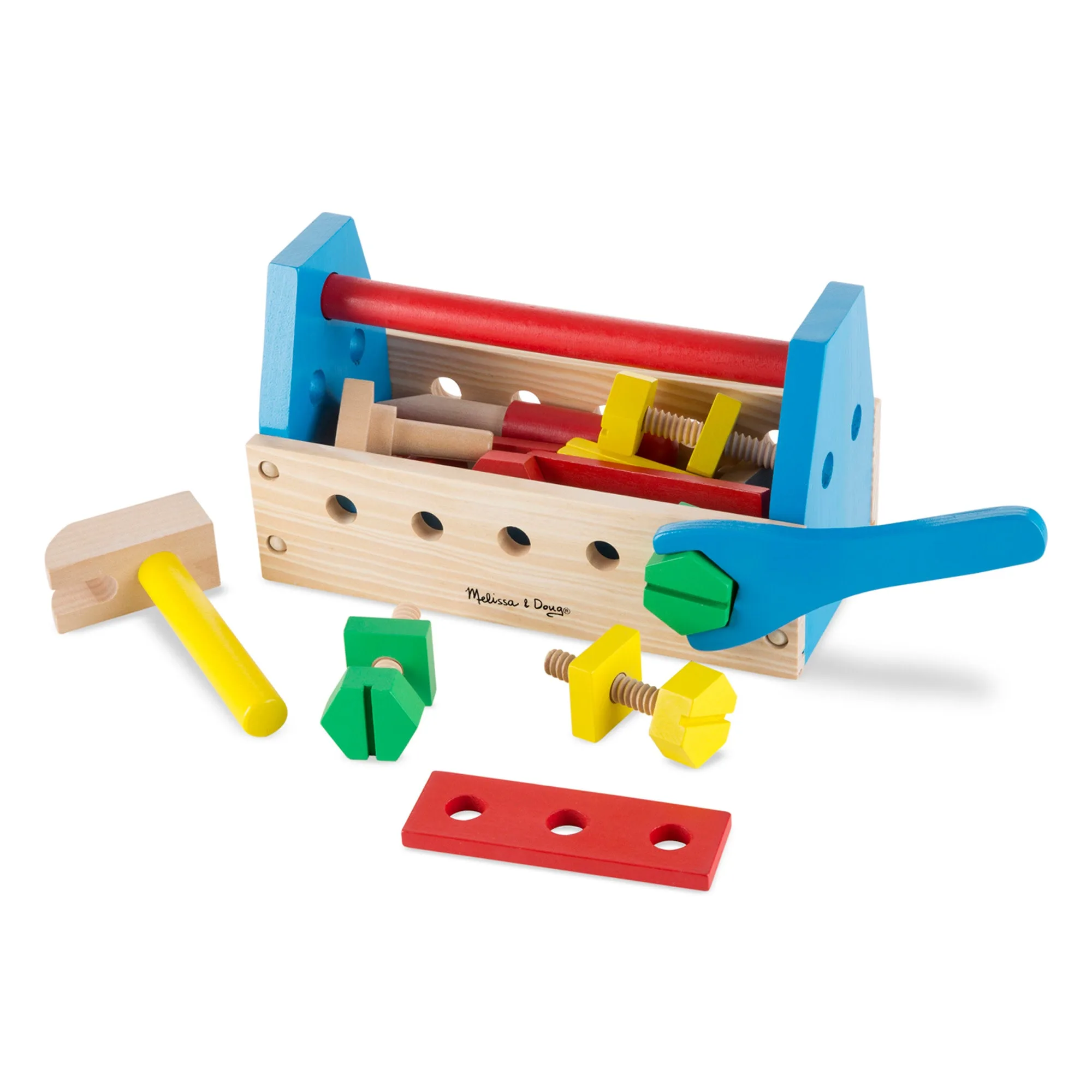
While shape sorters are great for independent play, they can also be a source of frustration if a child isn't ready for them. Some toddlers might prefer toys with more movement or sound, like spinning tops, which add a cause-and-effect element. Others might enjoy open-ended building toys like a tool kit, which allow for more creativity.
The best approach is to offer a variety of toys and observe which ones your child gravitates toward. You can then use those preferences to guide your playtime activities.
How to Use Shape Sorters and Puzzles for Maximum Benefit
- Start with demonstration: Show your toddler how to pick up a shape, examine it, and try to fit it through the correct hole. Say the shape's name and color as you do it. Checkpoint: Does your child watch and try to imitate? If not, try guiding their hand gently.
- Encourage trial and error: Let your child try shapes on their own, even if they don't fit at first. Resist the urge to correct immediately; let them figure it out. Checkpoint: If your child gets frustrated after several tries, offer a hint like 'Try turning it' rather than doing it for them.
- Narrate the process: Use descriptive words like 'round,' 'star,' 'blue,' 'fits,' and 'doesn't fit' to build vocabulary and reinforce concepts. Checkpoint: Ask simple questions like 'Where does the star go?' to engage them in thinking.
- Add a movement variation: Once your child masters a stationary shape sorter, introduce a version like the Match and Roll Shape Sorter, where the drum rolls and can be opened to start again. Checkpoint: Rolling the drum adds a new challenge—can your child still match shapes when the toy moves?
- Extend with other activities: Use the same shapes for other games, like sorting by color, counting, or hiding them around the room for a scavenger hunt. Checkpoint: Rotate activities to keep interest high and reinforce learning in new contexts.
Helpful Toys for Shape and Color Learning
-
Match and Roll Shape Sorter: This brightly colored wooden shape sorter includes a dozen-plus shapes like triangle, octagon, star, rectangle, square, trapezoid, and hexagon, with color-matched holes. The variety of shapes and color-matching helps toddlers practice both shape and color recognition in one activity.
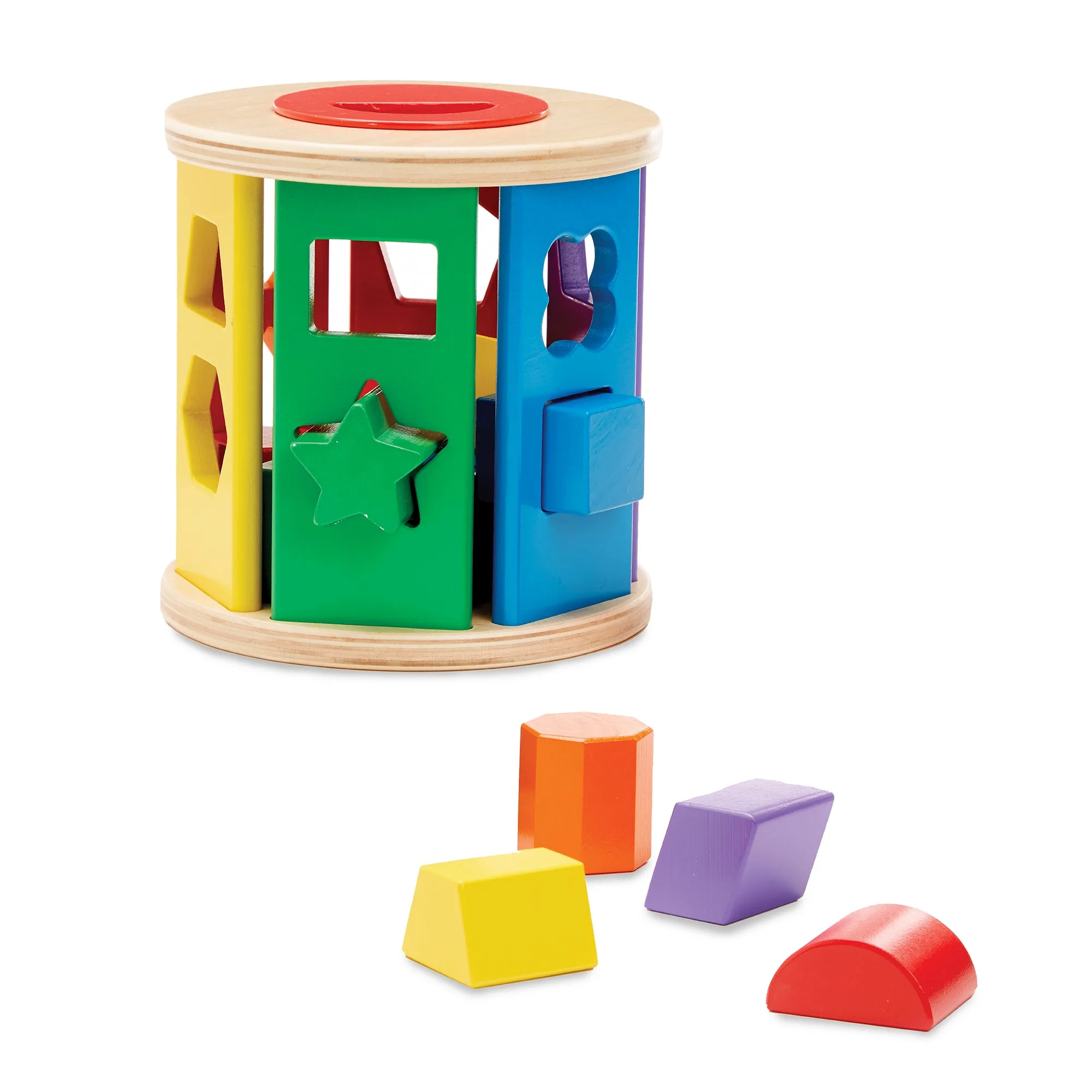
Match and Roll Shape Sorter
-
Match & Push Spinning Tops: The Match & Push Spinning Tops set includes three colorful tops that drop into matching wells and spin when pushed with a plunger. This adds a cause-and-effect element that keeps toddlers engaged while they practice color matching and fine-motor skills.
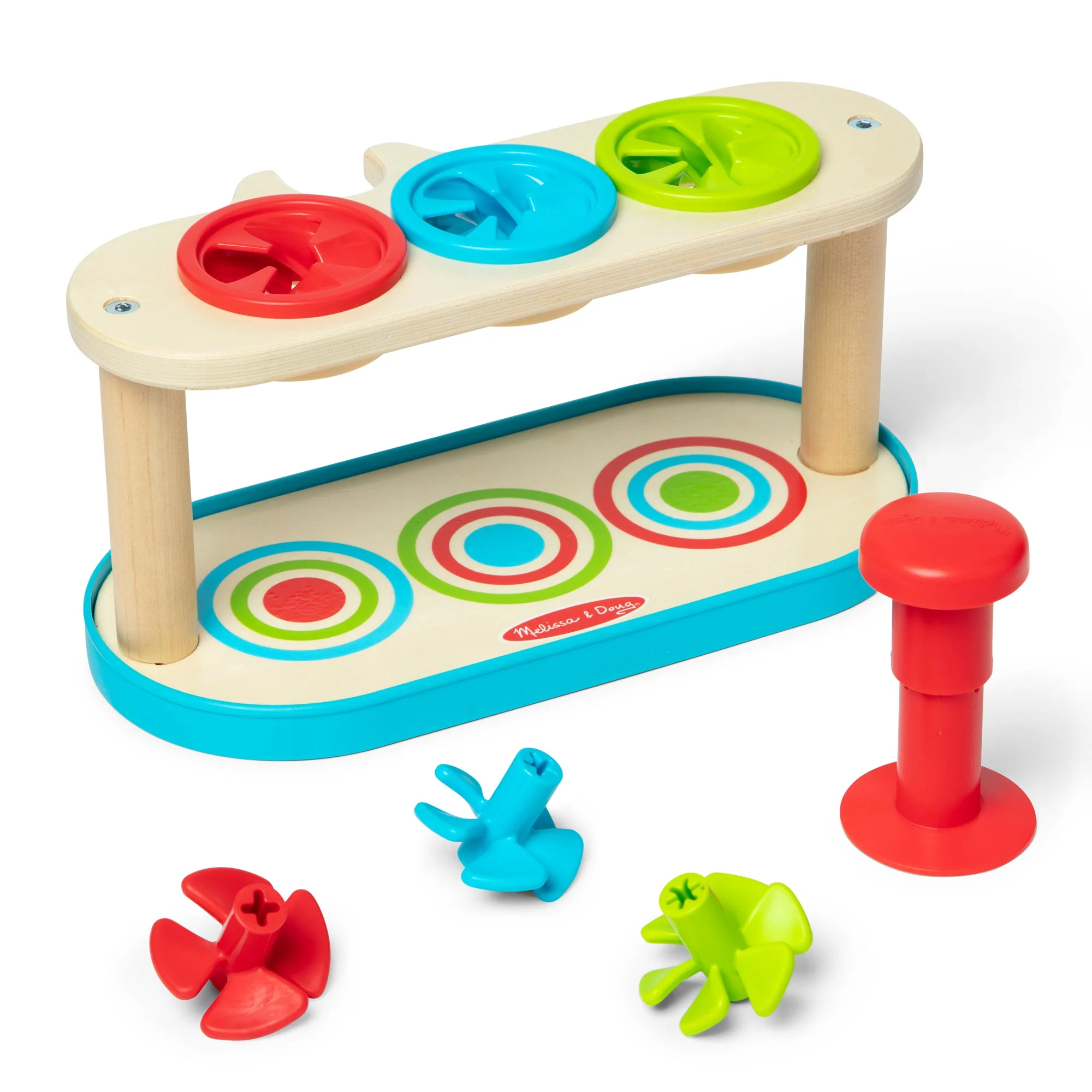
Match & Push Spinning Tops
-
Wooden Take-Along Tool Kit: The Wooden Take-Along Tool Kit includes 24 pieces sized for little hands, with wooden nails, screws, nuts, bolts, hammer, and wrench. This open-ended building toy supports imaginative play and problem-solving, complementing shape sorter activities.