Quick Answer
Pre-seasoned beans and bone broth rice typically last 1–2 years past the printed best-by date when stored unopened in a cool, dry pantry. Once opened, refrigerate and use within 3–5 days. Always check for signs of spoilage like off smells, mold, or texture changes before eating.
You've stocked up on convenient pre-seasoned beans and bone broth rice for quick weeknight meals, but how long can you keep them? Understanding shelf life and proper storage helps you reduce food waste and avoid eating spoiled products.
In this guide, we'll break down what the dates on packaging really mean, how to store these items for maximum freshness, and how to tell when they've gone bad. We'll also cover food safety essentials so you can enjoy your pantry staples with confidence.
Understanding Best-By Dates on Seasoned Beans and Bone Broth Rice
Best-by dates are about quality, not safety. For shelf-stable products like pre-seasoned beans and bone broth rice, the date indicates how long the manufacturer guarantees peak flavor and texture. After that date, the food is still safe to eat if stored properly, but quality may decline.
For unopened packages, expect 1–2 years of quality beyond the date. Once opened, the clock changes: refrigerate and consume within 3–5 days. Always check the specific package for storage instructions, as some products may have different recommendations.
- Store unopened packages in a cool, dry place away from direct sunlight and heat sources.
- Keep opened packages tightly sealed in the refrigerator.
- Freeze portions for longer storage—up to 6 months for best quality.
How to Store Pre-Seasoned Beans and Bone Broth Rice for Maximum Freshness
Proper storage extends shelf life. For unopened cans or pouches, a pantry or cupboard with stable temperature and low humidity is ideal. Avoid areas near the stove or dishwasher where heat and moisture fluctuate.
Once opened, transfer leftovers to an airtight container and refrigerate promptly. For bone broth rice, ensure it's cooled before storing to prevent condensation. Beans should be kept in their liquid to stay moist. Use within 3–5 days for best quality.
- Use airtight containers to keep out moisture and odors.
- Label containers with the date opened to track freshness.
- For long-term storage, freeze in portion-sized containers.
Signs That Pre-Seasoned Beans or Bone Broth Rice Have Gone Bad
Even with proper storage, products can spoil. Trust your senses: if you notice a sour or off smell, visible mold, or a slimy texture, discard immediately. For beans, watch for excessive liquid separation or a fizzy appearance when opened, which can indicate fermentation.
For bone broth rice, check for a dry, cracked texture or an off flavor. If the rice has an unusual color or smells rancid, it's best to throw it out. When in doubt, remember the food safety rule: 'When in doubt, throw it out.'
- Smell: Sour or ammonia-like odors are red flags.
- Sight: Mold, discoloration, or bulging cans indicate spoilage.
- Texture: Slimy beans or mushy rice are signs of bacterial growth.
Diagnosis: Is Your Pre-Seasoned Beans or Bone Broth Rice Still Good?
- Symptom: Off smell or visible mold: If you notice a sour, yeasty, or foul odor, or see mold on the surface, the product has spoiled. Discard immediately. Do not taste to check.
- Symptom: Bulging can or popped lid: A bulging can or lid that pops when opened suggests gas from bacterial growth, a sign of spoilage. Throw away the entire can—botulism risk is possible.
- Symptom: Texture changes like sliminess or mushiness: If beans feel slimy or rice is mushy when it should be fluffy, bacteria may have multiplied. Stop and discard. Do not risk foodborne illness.
Products That Fit Your Pantry
- https://goodplate.shop/products/cuban-black-beans-12-pack-79312Cuban Black Beans (12 Pack): This classic recipe is cooked in a sofrito of onion, garlic, bell peppers, and avocado oil and seasoned with a rich blend of spices. The avocado oil and spices help preserve flavor, but proper storage is still key to maintaining that authentic taste over time.
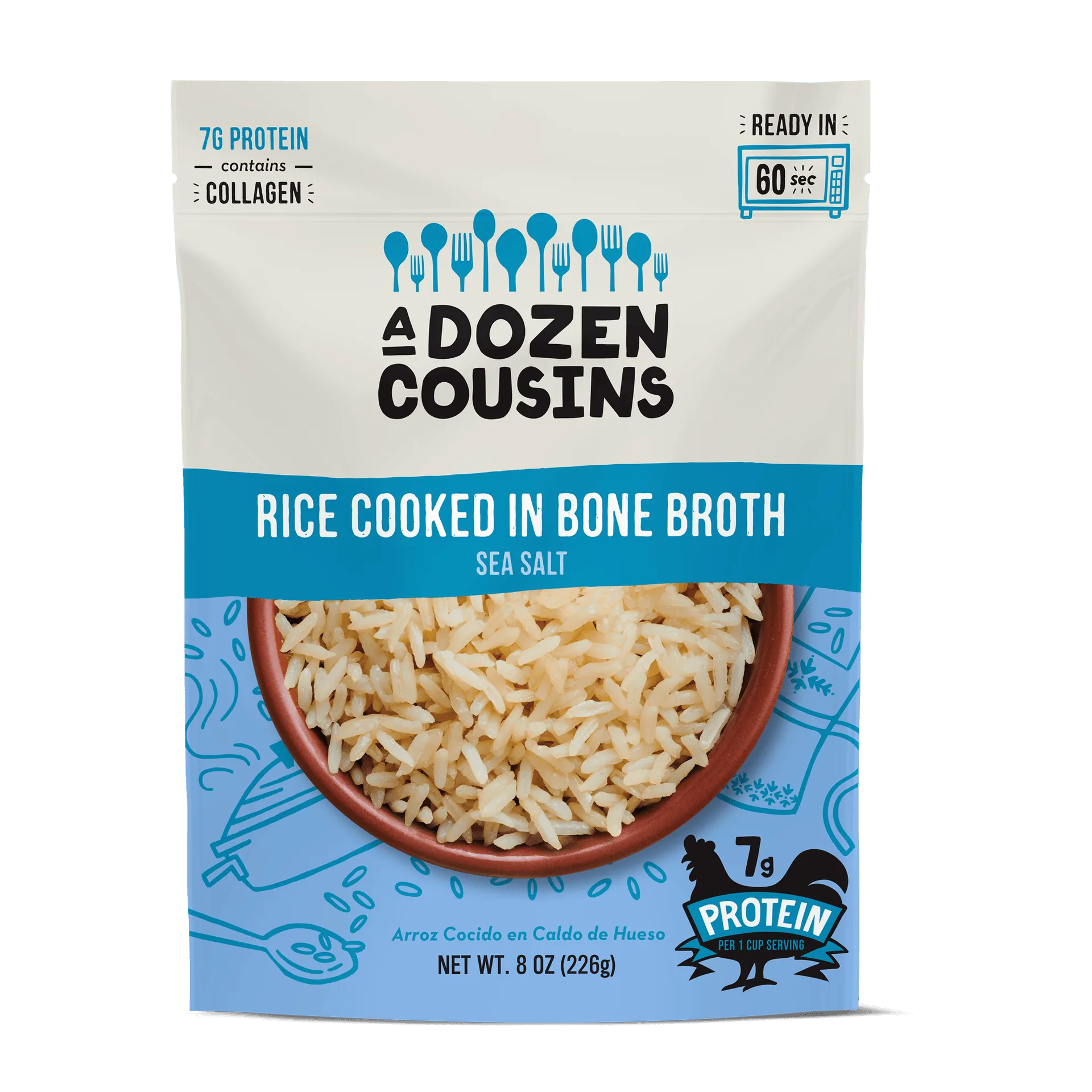
- https://goodplate.shop/products/sea-salt-rice-cooked-in-bone-broth-12-pack-79300Sea Salt - Rice Cooked in Bone Broth (12 Pack): This flavorful rice is cooked using real chicken bone broth instead of water so that each serving contains 7g of collagen-rich protein. The collagen-rich broth adds protein, but also means the rice should be kept sealed to prevent moisture absorption and spoilage.
By understanding best-by dates, storing your pre-seasoned beans and bone broth rice properly, and knowing the signs of spoilage, you can enjoy these convenient staples safely. Always trust your senses and err on the side of caution when in doubt.