Quick answer
Unpack your print on a clean, dry surface with clean hands or nitrile gloves, cut the tape away from the artwork, and lift the print by its edges. If the print arrives damaged, photograph the packaging and print before moving anything, then contact the seller within 48 hours. For storage, keep unframed prints flat in an acid-free sleeve or between clean mat boards in a cool, dry place.
Before you open the tube or box
Clear a workspace larger than the print itself. A dining table covered with a clean cotton sheet works better than a floor where dust and pet hair collect. Have nitrile gloves, a sharp pair of scissors, and a clean, flat surface ready. Avoid opening packages in a cluttered area or near open windows where wind can catch a lightweight print.
Check the outside of the package for crush marks, water stains, or punctures. If the box or tube looks compromised, photograph it before opening. This gives you a record if the print inside is damaged. For limited edition prints, the edition number and signature are often on the front or back, so handle the print as if both sides matter.
How to unpack without touching the image area
Cut tape along the seam of a tube or box, not across the middle where a blade could scratch the print. For tubes, remove the end cap and gently slide the print out by gripping the outer edges of the paper or the interleaving tissue. Never pull on the print itself. If the print is rolled inside a plastic sleeve, slide it out of the sleeve rather than pulling the print free.
Once the print is out, place it face up on your clean surface. Keep the packing materials until you have inspected the print completely. If you need to move it, support the print from underneath with both hands, keeping your fingers away from the image area. Oils from your skin can leave permanent marks on matte or uncoated fine art papers.
Inspecting for shipping damage
Look for creases, dents, corner bends, scratches in the image, or scuff marks on the surface. Hold the print at an angle under a bright light to catch surface scratches that are invisible straight on. Check the edges and corners, which take the most abuse in transit. If the print is a limited edition, confirm the edition number and signature are present and undamaged.
If you find damage, stop handling the print. Photograph the damage close-up, then photograph the packaging as it arrived. Contact the seller or gallery within 48 hours. Most fine art sellers require photos and may ask you to keep the original packaging for a claim. Do not try to repair a crease or dent yourself; amateur repairs usually reduce the value of a limited edition print.
Flattening curled prints safely
Prints that arrive in a tube often curl. To flatten, place the print between two clean, rigid boards larger than the print, such as foam core or acid-free mat board. Add a light weight on top and leave it for 24 to 48 hours in a dry room. Do not use heat, an iron, or a hair dryer. Heat can warp the paper or damage the ink.
If the curl is stubborn, increase the weight gradually over a few days. Never reverse-roll the print. Reverse rolling creates sharp creases that cannot be removed. For valuable limited edition prints, consider taking the print to a professional framer who can flatten it safely as part of the framing process.
Storing unframed prints until you frame them
Store unframed prints flat, not rolled, in an acid-free sleeve or between two sheets of acid-free tissue or mat board. Keep them in a cool, dry place away from direct sunlight, heat sources, and damp basements. Humidity above 60% can encourage mold, while very dry air can make paper brittle. A closet shelf in a climate-controlled room is usually fine.
Do not store prints in plastic bags that are not archival. Some plastics off-gas and can damage the print over time. If you must stack multiple prints, interleave each with acid-free tissue and keep the stack flat. Check stored prints every few months for signs of insects, moisture, or curling.
When to open the package in front of the carrier
If the package is visibly crushed, wet, or torn, open it in front of the delivery driver if possible. Note the damage on the delivery receipt or ask the driver to wait while you inspect the print. This creates a record that can speed up a shipping claim. If the driver cannot wait, photograph the package before opening and note the damage when you sign.
For high-value limited edition prints, some sellers require signature confirmation. In that case, you cannot open the package before signing, so inspect immediately after the driver leaves and report any issue within the same day. Keep all packaging until you are certain the print is undamaged.
Decision rules for receiving and storing prints
- Open immediately or wait?: Open within 24 hours of delivery. If the package is crushed or wet, open it in front of the carrier and note the damage on the receipt. Delayed inspection can weaken a shipping claim.
- Gloves or bare hands?: Use nitrile gloves for limited edition or uncoated prints. Bare hands are acceptable only if you handle the print by its extreme edges and the paper has a protective coating. Skin oils cause permanent marks on matte fine art paper.
- Flatten now or frame first?: If the print is only slightly curled, flatten it between boards for 24 to 48 hours. If it has a sharp crease or heavy curl, take it to a professional framer instead of applying weight. Never reverse-roll or heat a print to flatten it.
- Store flat or rolled?: Store unframed prints flat in an acid-free sleeve or between acid-free boards. Rolled storage is only for short-term transport, not long-term keeping. Long-term rolling leads to memory curl that is hard to reverse.
- Report damage or fix it yourself?: Report any damage to the seller within 48 hours with photos of the print and packaging. Do not attempt to repair creases, tears, or surface marks yourself. Self-repair usually reduces the value of a limited edition print.
Examples from the collection
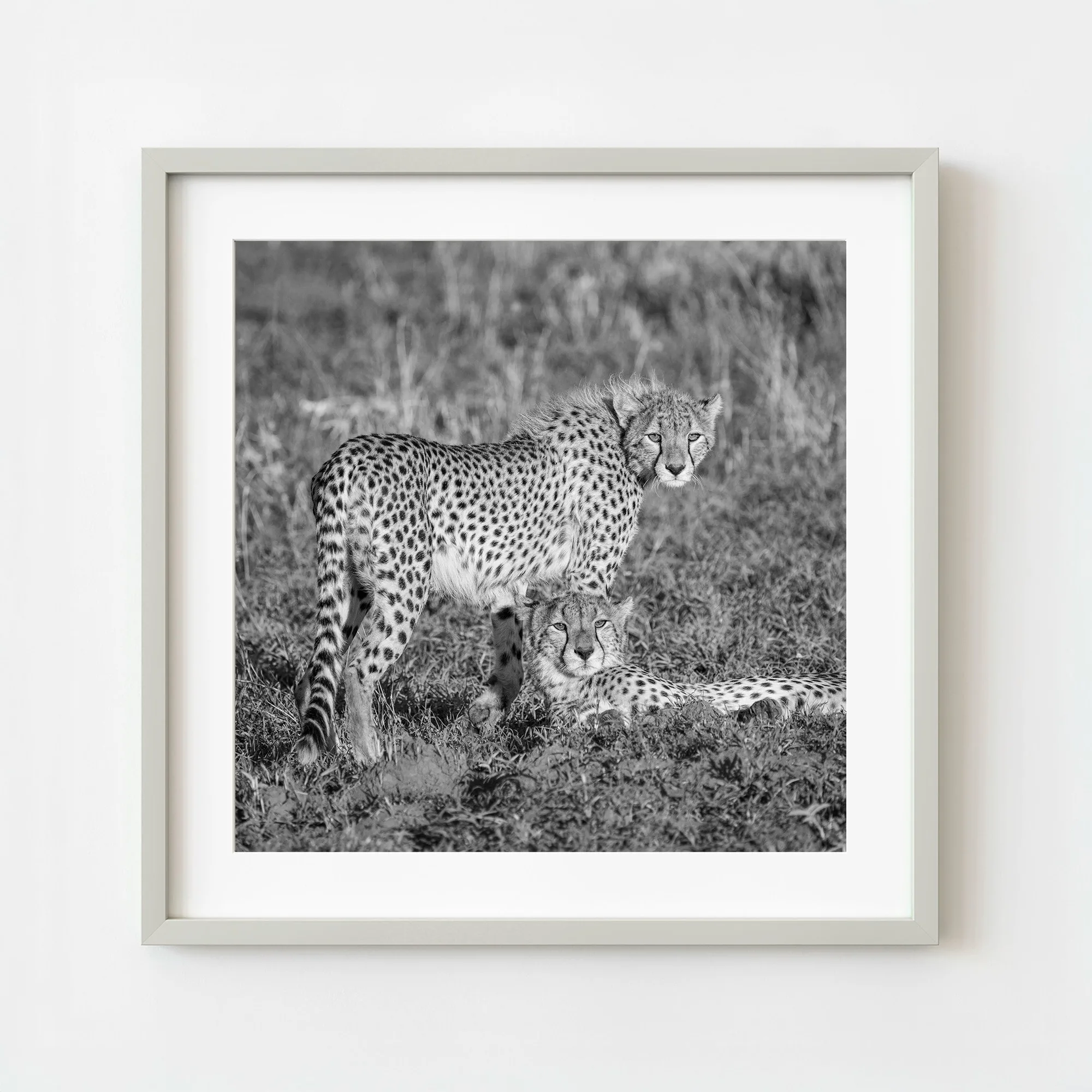
- Tanzania Serengeti Cheetahs Wildlife Photography Black And White Grasslands Calm Fine Art Wall Art | Limited Edition of 10: Tanzania Serengeti Cheetahs is a black and white limited edition of 10, printed on fine art paper and shipped in a protective tube or flat package. A black and white print shows creases and surface scratches more easily than a color image, so inspect it under angled light before flattening or framing.
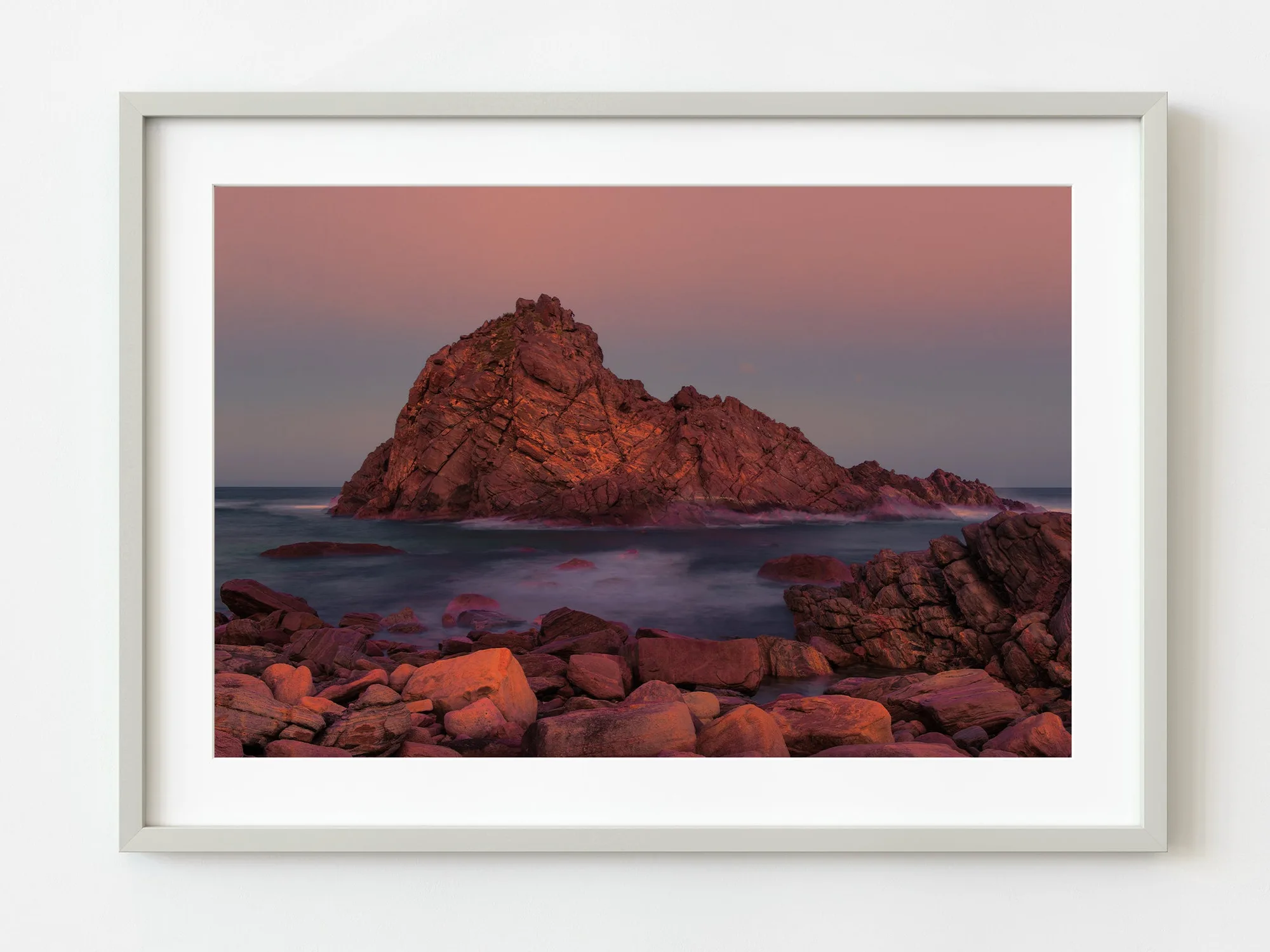
- Sugarloaf Rock Western Australia | Limited Edition of 10: Sugarloaf Rock Western Australia is a limited edition of 10 that captures the rock against the ocean, with soft sky tones and rugged texture. Prints with large areas of smooth sky or water can reveal handling dents, so lift this print only by its edges and store it flat between acid-free boards.
Who this guide is for
Best for
- Collectors receiving limited edition prints by mail or courier
- Anyone storing unframed photography prints before framing
- Buyers who need to document shipping damage for a claim
Not for
- Artists looking for advice on packing prints for shipment
- Collectors seeking framing or matting instructions
- Buyers who have already framed and hung their print