Quick answer
Choose side-loading 9-pocket pages if you double-sleeve cards or flip through a binder often, because the sideways opening keeps cards from sliding out during page turns. Choose top-loading pages if you file cards quickly and mostly handle single-sleeved or bare cards, since the open top lets you drop cards in without angling them. Both styles use the same 11-hole spine, so the real decision is loading direction, not binder compatibility.
How each loading style actually works
Side-loading pages have pockets that open along the outer edge of the page. You slide a card in from the side, and the welded outer edge sits above the card once it is seated, which is why double-sleeved cards stay put when the page is turned or lifted.
Top-loading pages open at the top of each pocket. You drop a card straight down, which is faster when you are filing a stack, but the open top means a card can ride up if the page is held upside down or fanned quickly. Neither style is sealed; both rely on the pocket fit and the binder's pressure to hold cards in place.
Why the 11-hole spine matters more than you think
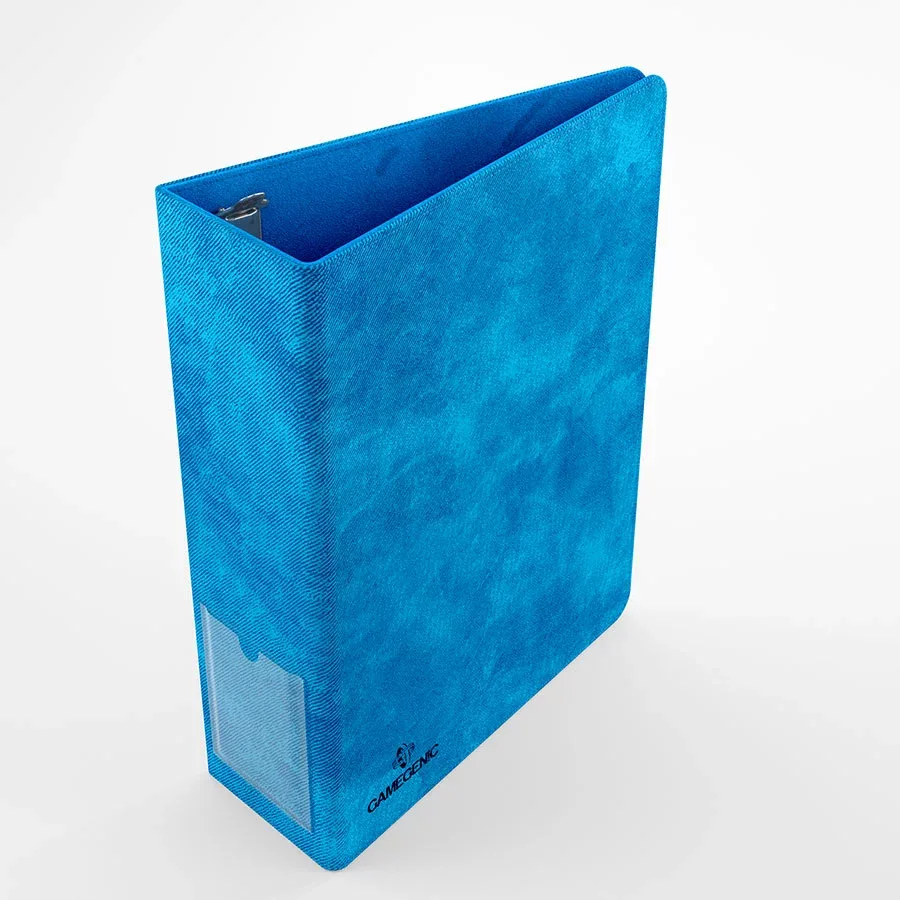
Both the side-loading and top-loading ultrasonic pages use a versatile 11-hole spine, so they fit in almost all standard-sized ring-binders. That means you are not locked into one loading style by the binder you already own. You can mix side-loading pages for your double-sleeved commander deck and top-loading pages for bulk storage in the same binder without changing hardware.
Double-sleeved cards change the calculation
A double-sleeved card is thicker, so pocket fit matters more. Side-loading pockets hold that extra thickness against the welded edge, which reduces the chance of the card catching on the pocket mouth when you turn the page. Top-loading pockets work with double-sleeved cards too, but the open top gives a thick card more room to work its way upward if the binder is stored upright and jostled.
Filing speed and everyday handling
If your main task is moving a large stack of cards from a box into a binder, top-loading pages are faster because you can drop each card in without turning it sideways. If your main task is browsing, deck-building, or showing a binder to other players, side-loading pages reduce the small friction of cards shifting as you flip. Neither is wrong; they optimize for different moments.
What the ultrasonic weld adds to both styles
Both page styles use welded joints made with ultrasonic technology, which produces strong and precisely measured card pockets. In practice, that means the pocket dimensions are consistent across the page, so cards do not sit loose in one column and tight in another. Consistent pockets are what make either loading style predictable over repeated use.
Trade-offs at a glance
- Side-loading: card security: Pockets open along the outer edge, so the welded edge sits above the card and resists sliding during page turns. Best if you double-sleeve or handle the binder often.
- Top-loading: filing speed: Pockets open at the top, so you can drop cards straight in without angling them sideways. Best if you file large stacks quickly and mostly use single-sleeved or bare cards.
- Shared compatibility: Both styles use an 11-hole spine and fit almost all standard-sized ring-binders. You can mix both styles in one binder without changing hardware.
Product facts
- ULTRASONIC 9-POCKET PAGESSIDE-LOADING (10 pages bag): Side-loading 9-pocket pages for standard- and Japanese-sized cards, made from extra clear polypropylene, with pockets loaded sideways to protect even double-sleeved cards. The sideways opening is the reason double-sleeved cards stay seated during page turns, which matters most if you flip through the binder regularly.
- ULTRASONIC 9-POCKET PAGESTOP-LOADING (10 pages bag): Top-loading 9-pocket pages for standard- and Japanese-sized cards, made from extra clear polypropylene, with pockets loaded from the top. Top loading is faster for filing a stack of cards, but the open top means you should store the binder flat or upright with care if cards are double-sleeved.
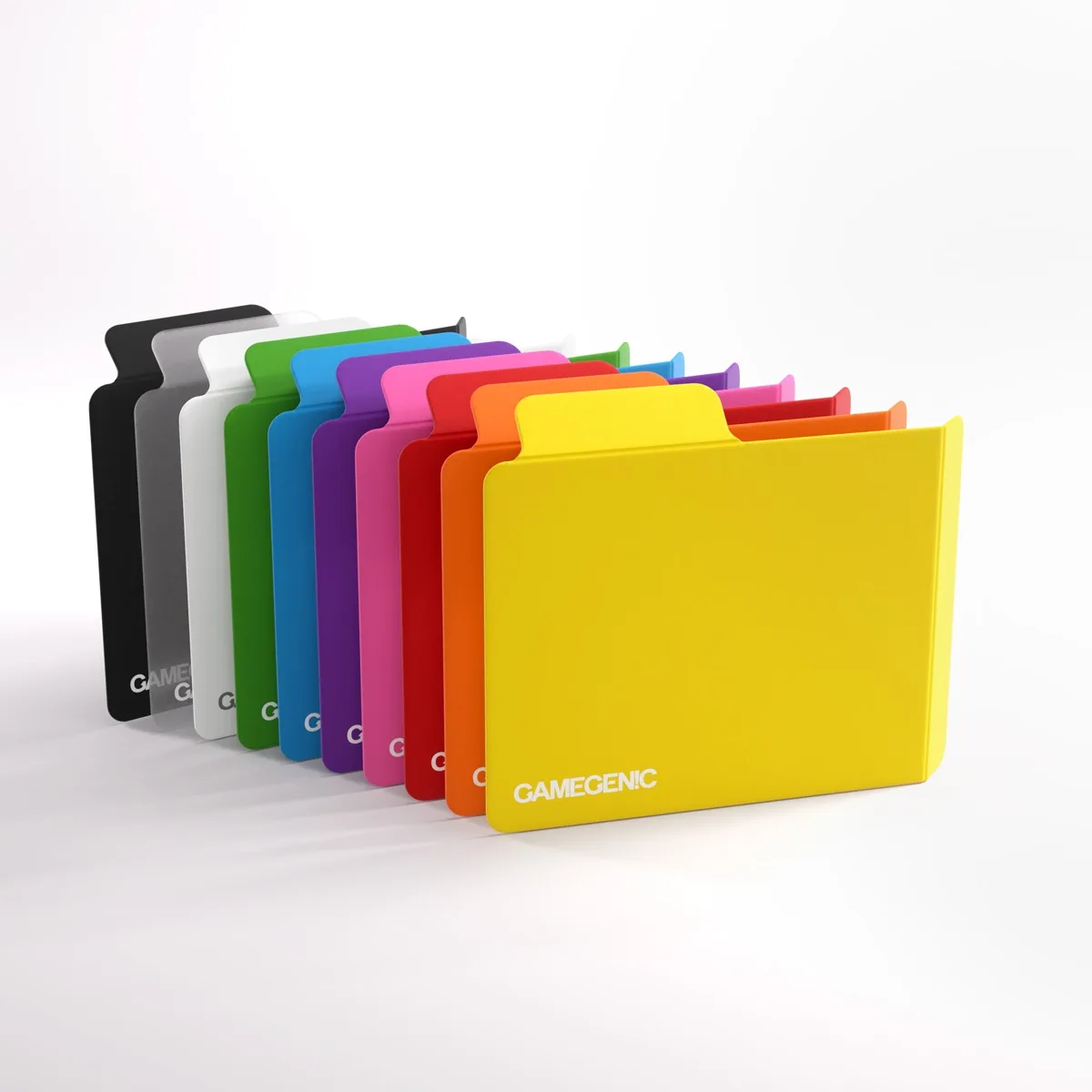
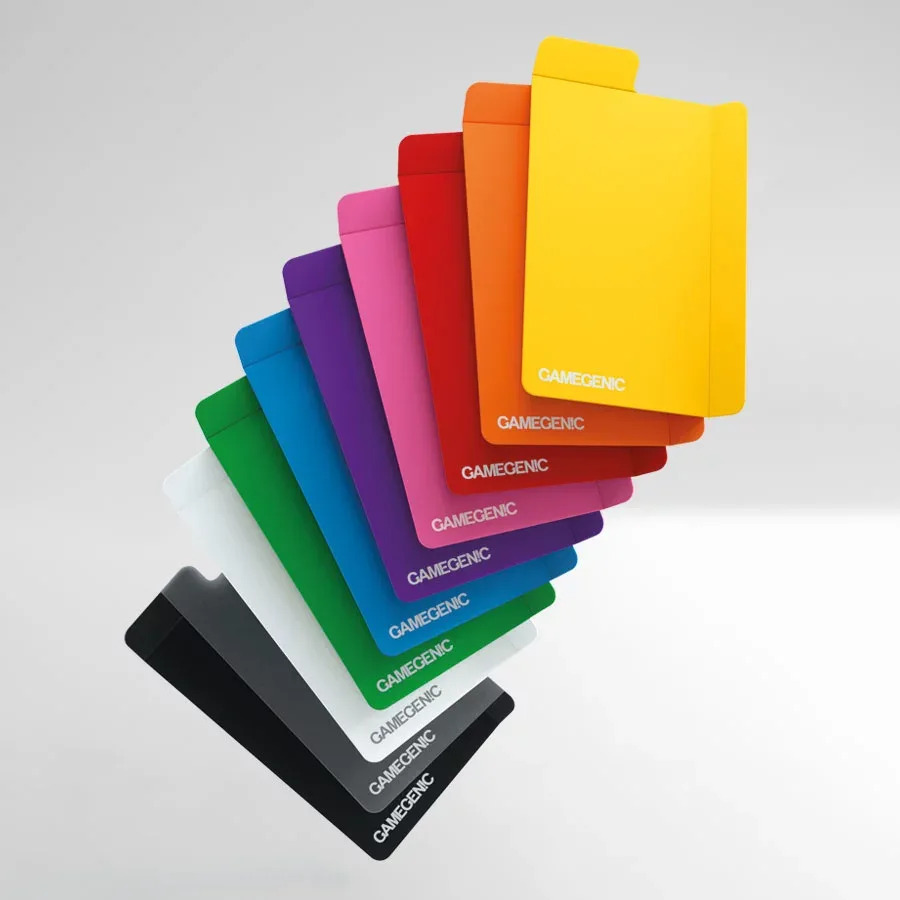
- FLEX CARD DIVIDERS: Foldable register tabs on these card dividers allow increased height that sticks out from the card pile for better visibility than usual dividers. If you mix loading styles in one binder, dividers with visible tabs let you mark where each style starts so you are not guessing mid-flip.
Which should you choose?
Best for
- Players who double-sleeve cards and flip through a binder during deck-building or trading
- Collectors who store binders upright and want extra resistance to cards sliding out
- Anyone mixing card sizes (standard and Japanese) in the same binder
Not for
- Anyone filing a large stack of single-sleeved cards as fast as possible, where top-loading pages are quicker
- Buyers who want a fully sealed pocket; neither style is sealed, so both rely on pocket fit and binder pressure