A Fast Telephoto Zoom Built for Action
When you need reach and speed in one package, the Sigma 120-300mm f/2.8 EX APO DG IF HSM for Nikon F-mount DSLRs is a lens that deserves a close look. Designed for sports, wildlife, and event photography, it keeps a constant f/2.8 aperture across the entire zoom range—giving you consistent low-light performance and background separation from 120mm all the way to 300mm.
This guide covers the key features and real-world trade-offs of this used telephoto zoom, so you can decide if it fits your kit.
Key Specifications at a Glance
-
Sigma 120-300mm f/2.8 EX APO DG IF HSM Autofocus Lens For Nikon AF DSLRs: Constant f/2.8 maximum aperture from 120mm to 300mm for low-light performance and shallow depth of field. You don't lose light as you zoom, making this lens a strong choice for indoor sports or dusk shooting where every stop counts.
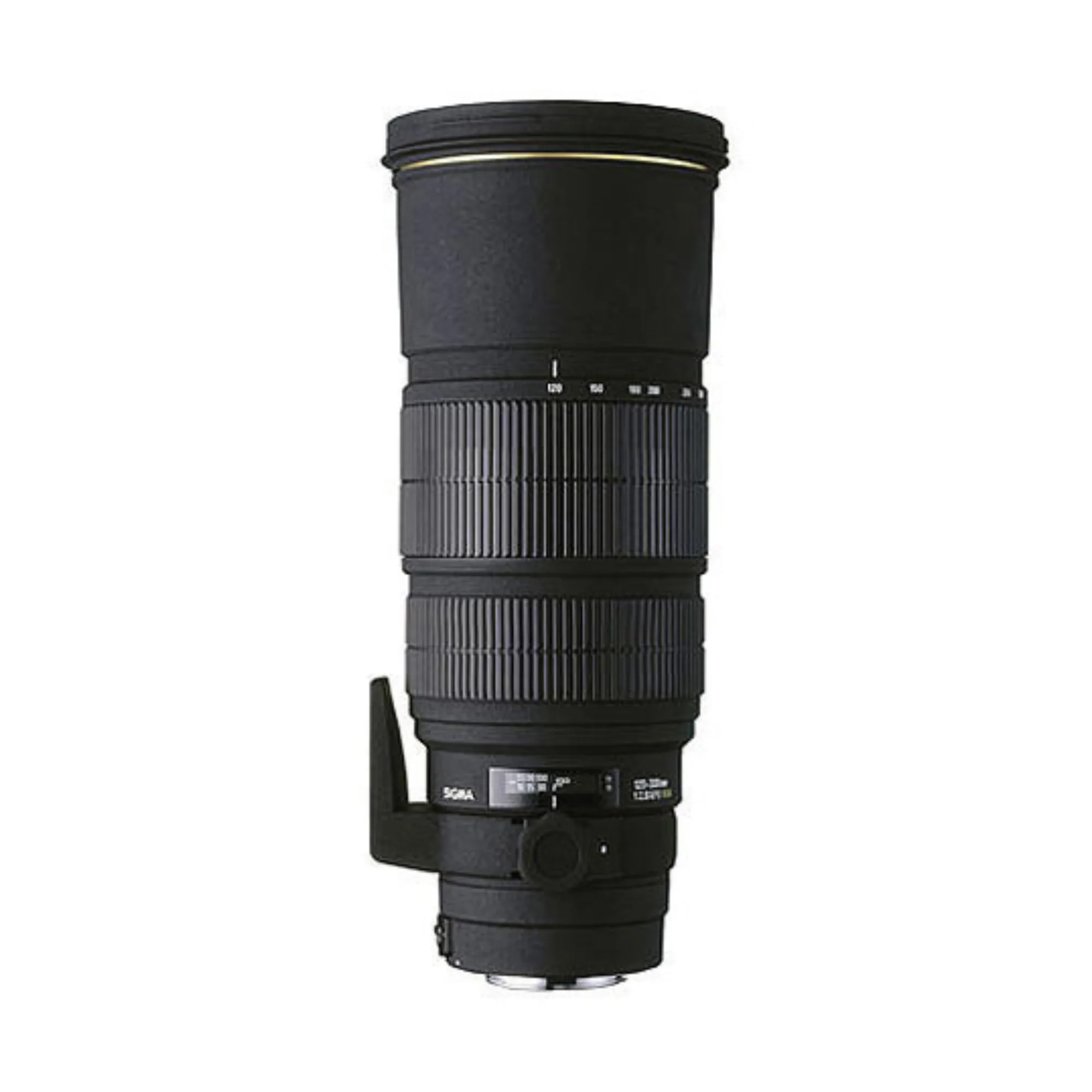
Sigma 120-300mm f/2.8 EX APO DG IF HSM Autofocus Lens For Nikon AF DSLRs
-
Sigma 120-300mm f/2.8 EX APO DG IF HSM Autofocus Lens For Nikon AF DSLRs: Internal focusing and internal zooming keep barrel length fixed during operation, maintaining balance on tripods or monopods. No front-heavy extension when zooming—great for panning on a monopod or gimbal head.
-
Sigma 120-300mm f/2.8 EX APO DG IF HSM Autofocus Lens For Nikon AF DSLRs: Hyper Sonic Motor (HSM) delivers fast, smooth, and quiet autofocus with full-time manual focus override. Quick and near-silent AF helps you track moving subjects without drawing attention, and you can fine-tune focus manually without switching modes.
-
Sigma 120-300mm f/2.8 EX APO DG IF HSM Autofocus Lens For Nikon AF DSLRs: Compatible with optional Sigma 1.4x and 2.0x EX APO teleconverters to extend reach up to 168-420mm f/4 or 240-600mm f/5.6. Adds flexibility for distant wildlife or field sports without carrying a second lens—though you lose some light with the 2x.
What to Expect from a Used Copy
The Sigma 120-300mm f/2.8 EX APO DG IF HSM is a professional-grade lens, and a used example will show signs of its working life. The supplied condition notes describe noticeable scuffs, scratches, and finish wear on the barrel and tripod collar—typical for a lens that has been used regularly in the field.
More importantly, the optical glass is reported free of scratches, haze, or fungus, but there is a significant accumulation of internal dust particles behind the elements. The evidence indicates this dust does not noticeably affect overall image output. If you are buying used, check for similar dust buildup and confirm it stays behind the front elements rather than on the rear glass.
The lens does not include a lens hood, so budget for a compatible aftermarket hood or use a lens cap (included) when storing.
Who Should Consider This Lens?
This Sigma is a natural fit for Nikon DSLR shooters who need a fast telephoto zoom for action. The constant f/2.8 aperture and internal zoom make it practical for sports, motorsports, wildlife, and event work where you need to change focal length quickly without rebalancing your support.
The teleconverter compatibility adds versatility: a 1.4x converter gives you 168-420mm at f/4, and a 2x pushes to 240-600mm at f/5.6. That range covers everything from sideline football to bird photography, though the 2x will slow autofocus slightly and reduce image sharpness compared to the bare lens.
If you shoot with a modern mirrorless Nikon Z body, you will need an F-to-Z adapter—and autofocus performance will depend on the adapter and body combination. The supplied evidence does not confirm compatibility beyond Nikon F-mount SLR and DSLR cameras.
Trade-Offs to Keep in Mind
This is a heavy, all-metal lens built for durability, but it is not a walk-around zoom. The constant f/2.8 design and internal zoom mechanism add weight, and the removable tripod collar (included) adds more. Expect to use a monopod or tripod for extended handheld shooting.
The lens does not include a lens hood, which may affect contrast in bright sun or when shooting near light sources. A hood is recommended for flare control.
Internal dust is a common issue with older zoom lenses that have been used professionally. While the supplied evidence says it does not noticeably affect images, some buyers may prefer a cleaner example. Inspect the glass carefully before purchase.