Quick Answer
If your dog scratches occasionally and the skin looks normal, a soothing spritz plus a look at diet, parasites, and environment is a reasonable first step. If you see redness, hair loss, open sores, a bad smell, or your dog is scratching constantly or at night, skip the spritz and book a vet visit. Home relief treats symptoms; a vet diagnoses the cause.
A dog who scratches after a romp in the grass is not the same as a dog who scratches until the fur thins. The difference matters because the right response depends on what is actually driving the itch. Treating a surface symptom while an infection or allergy builds underneath is how a small problem becomes a months-long one.
This guide walks through the common itchy dog signs, the likely causes behind them, what you can reasonably do at home, and the clear point where you should stop guessing and get a professional opinion.
Symptom: Occasional Scratching With Normal Skin
This is the dog who scratches a few times a day, maybe after a walk or a nap, but the coat looks full, the skin is pale and unbroken, and your dog sleeps and eats normally. There is no odor, no redness, and no bald patches. In most cases this is a passing itch from dry air, a stray grass seed, or a bit of dust, not a medical problem.
The trap is assuming every scratch is harmless. Take a two-minute weekly check: part the fur along the belly, armpits, and behind the ears. If those areas stay clean and calm, you can treat this as maintenance rather than a crisis.
- Check the belly, armpits, and ear bases once a week, not just when you notice scratching.
- Note the time of day the scratching happens; nighttime scratching is a stronger signal than daytime.
- Keep a simple log for two weeks so you can spot patterns instead of relying on memory.
Symptom: Persistent Scratching, Licking, or Chewing
When scratching becomes the background noise of your dog's day, or when licking and chewing replace scratching, the cause is usually more than dry skin. You may see saliva stains on the paws, thinning fur on the flanks, or a dog who cannot settle. These are the classic signs that something environmental, parasitic, or dietary is driving the behavior.
This is the stage where a dog itch spray can genuinely help, but only as comfort care. A spray cools and calms irritated surface skin, which can break the itch-scratch cycle long enough for you to find the trigger. It does not treat fleas, infections, or food allergies, so pair it with a real investigation rather than using it as a cover-up.
- Flea comb your dog over a white towel; flea dirt shows up as dark specks that turn red when wet.
- Wash bedding and vacuum the areas your dog uses most, since environmental allergens collect there.
- Do not apply human anti-itch products to a dog without veterinary guidance.
Symptom: Redness, Sores, Hair Loss, or Odor
Broken skin changes the equation entirely. If you see hot spots, crusting, a yeasty smell, thickened gray skin, or patches where fur has fallen out, your dog likely has a secondary infection on top of the original itch. Bacteria and yeast love scratched skin, and they keep the itch going even after the first trigger is gone.
At this point home remedies are not just ineffective, they can delay treatment and let an infection deepen. A vet can do a skin scrape or tape prep in minutes and prescribe the right topical or oral medication. Once the infection clears, you can return to maintenance care with a much better idea of what set it off.
- Photograph the affected areas in good light so you can show changes over time.
- Do not shave or scrub irritated skin yourself; it can worsen the damage.
- Bring your two-week scratch log to the appointment; patterns speed up diagnosis.
Corrective Action: Matching the Response to the Cause
For mild, seasonal, or contact itching, a gentle bath with a dog-specific shampoo, a rinse of the paws after walks, and a soothing spritz can keep your dog comfortable. If the itch tracks with food or treats, a structured elimination diet with your vet is the only reliable way to confirm a food allergy. If fleas are involved, every pet in the home and the environment needs treatment, not just the itchy dog.
Nutrition supports skin health over weeks, not hours. A supplement with fatty acids and salmon oil can help maintain a healthy coat and skin as part of a balanced diet, but it is a long-game tool, not an emergency brake. Use it alongside a diagnosis, not instead of one.
- Give any new supplement or diet change at least four to six weeks before judging results.
- Keep a written record of every food, treat, and chew your dog receives.
- Address parasites in the environment and on all pets at the same time.
When to Stop and Choose a Vet Instead
Stop home treatment and call your vet if the itching has lasted more than two weeks, if your dog is losing sleep or appetite, if the skin is broken or smells, or if your dog is scratching to the point of self-injury. Puppies, seniors, and dogs with chronic conditions should be seen sooner rather than later.
A useful rule: home care is for comfort, a vet is for cause. If you have tried sensible home steps for a week or two and the scratching is not improving, you are no longer in do-it-yourself territory. Getting a diagnosis early is usually cheaper and kinder than treating a worsening infection later.
- Two weeks of no improvement is your practical cutoff for home care.
- Any open wound, odor, or hair loss moves the timeline up to now.
- If your dog seems painful or lethargic, treat it as urgent.
Itch Diagnosis Checklist: Symptom, Cause, Action, Stop Point
- Occasional scratching, normal skin: Likely dry air, dust, or a passing irritant. Action: weekly skin checks, gentle bathing, and a soothing spritz if needed. If skin stays clean and calm for two weeks, continue maintenance care.
- Persistent scratching, licking, or chewing: Likely fleas, environmental allergens, or food sensitivity. Action: flea comb, wash bedding, start a scratch log, and consider a vet-guided elimination diet. If no improvement in two weeks, book a vet visit.
- Redness, sores, hair loss, or odor: Likely secondary bacterial or yeast infection. Action: stop home remedies and see a vet for a skin scrape and targeted treatment. This is the stop point for home care; do not delay.
- Itching with lethargy, pain, or appetite loss: Could indicate a deeper systemic issue. Action: treat as urgent and contact your vet the same day. Do not wait for a two-week trial.
Products That Support Skin and Coat Care
- NEW! Skin & Coat Supplement: A daily dog chew with nourishing fatty acids, DHA, and wild Alaskan salmon oil, formulated to promote healthy skin as part of a balanced diet. Useful as long-term nutritional support for a dog prone to dry, dull coat or seasonal itchiness, but it works over weeks and is not a treatment for infection or allergies.
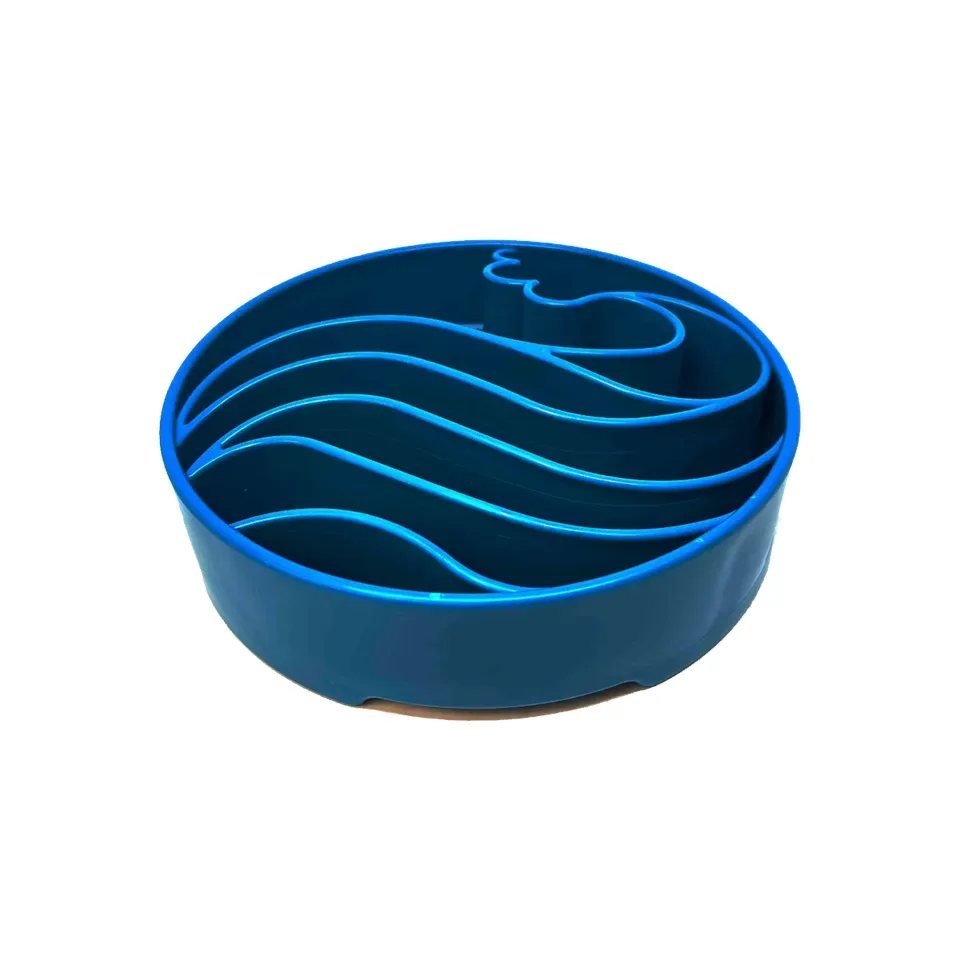
- NEW! Wave Bowl Enrichment Slow Feeder Bowl: A segmented slow feeder designed to be more challenging than typical slow feeder bowls, promoting slower eating and providing an interactive meal. If your dog's itching is linked to food or eating too fast, slowing meals and adding enrichment can reduce stress-related licking and give you a calmer dog to observe.
Most itchy dogs fall into a mild category that responds to sensible home care, but the ones who do not improve in two weeks, or who show broken skin, odor, or hair loss, need a vet's eyes. Use the checklist above to separate comfort care from diagnosis, and let a supplement and a slower mealtime support your dog's skin from the inside while you sort out the cause.