Quick answer
If your band rides up, straps fall, or cups gap or spill, your bra no longer fits. Try adjusting the band and straps first; if the problem persists, it's time to replace the bra. A bra fit check takes two minutes and saves you from daily discomfort.
You know that feeling: by midday, you're tugging at the band or hoisting a strap. A bra that fit perfectly a year ago can start to feel like a compromise. Bodies change, fabrics relax, and suddenly your favorite bra is working against you.
This guide breaks down the most common signs your bra doesn't fit, what's likely causing each one, and the exact steps to fix it. You'll also learn when to stop adjusting and start shopping for a replacement.
How to Do a 2-Minute Bra Fit Check
Before you blame the bra, check the band first. Fasten it on the loosest hook and see if you can pull it more than an inch away from your back. If you can, the band is too loose. Next, check the cups: your breast tissue should be fully inside, with no bulging at the top or sides. Finally, adjust the straps so they sit flat without digging in.
If the band is snug, the cups are smooth, and the straps stay put, your bra still fits. If any of these fail, the problem is likely fit, not the bra itself.
- Band test: it should sit level and snug, not ride up.
- Cup test: no gaping, no spillage, no double bubble.
- Strap test: they should stay on your shoulders without leaving deep marks.
Symptom: Band Rides Up Your Back
A band that creeps up toward your shoulder blades almost always means it's too loose. Over time, elastic stretches and the bra loses its grip. This is one of the earliest signs your bra doesn't fit anymore. Try tightening the band by moving to a tighter hook. If you're already on the tightest hook and it still rides up, the bra has reached the end of its life.
If the band is loose but the cups still fit well, you might be able to extend wear by using a bra extender in reverse—but that's a temporary fix. Eventually, you'll need a smaller band size.
- Start on the loosest hook when the bra is new; move inward as it stretches.
- If the band rides up even on the tightest hook, replace it.
Symptom: Cups Gape or Wrinkle
Gaping cups often mean the cup size is too large, but they can also signal a band that's too loose. When the band doesn't anchor the bra, the cups tilt forward and create empty space. Another cause: your breast shape has changed due to weight loss or hormonal shifts. If the gap is minor and only at the top, try tightening the straps slightly. If the gap is significant or the cup fabric wrinkles, you likely need a smaller cup or a different style.
Unlined lace bras like the Pamela Bra - Black can be more forgiving of minor size fluctuations because the sheer mesh adapts to your shape. Still, if the cup is visibly empty, it's time to resize.

Pamela Bra - Black
- Check the band first—fixing a loose band can eliminate cup gaping.
- If the gap persists, go down a cup size or try a demi style.
Symptom: Spillage or Bulging at the Top or Sides
If your breasts spill over the top of the cup or bulge out the sides, the cup is too small. This can happen gradually as your body changes, or suddenly if you've gained weight. It's one of the most common signs your bra doesn't fit, and it's not just a comfort issue—it can distort your silhouette under clothes. Try going up a cup size or switching to a style with more coverage.
A demi-cup bra like the Riley Bra Black offers less coverage by design, so if you're spilling, it may not be the right shape for you. A full-coverage or unlined style with stretch lace may work better.
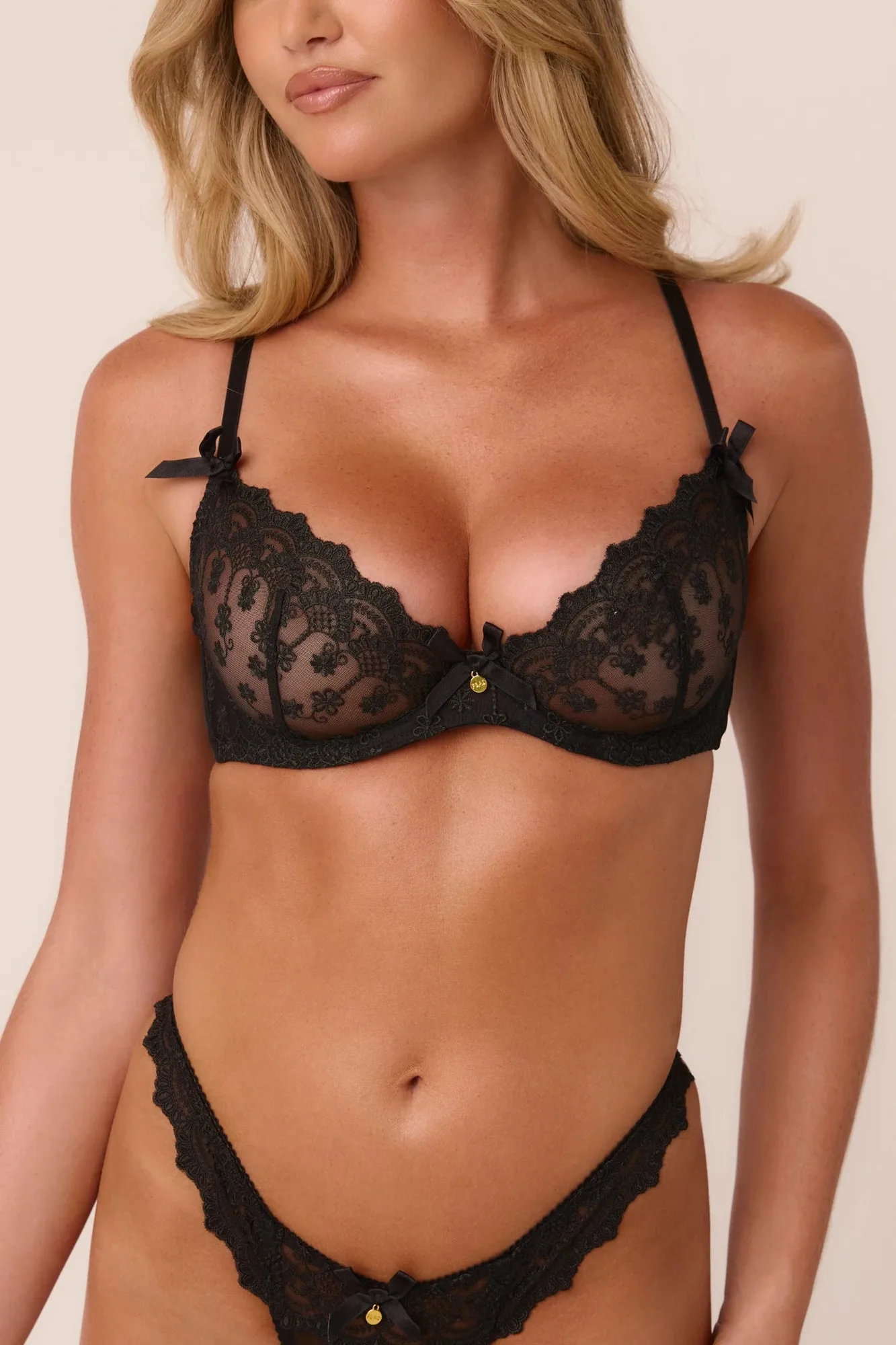
Riley Bra Black
- Spillage means go up a cup size, not just a band size.
- If the band is also loose, you may need a smaller band and larger cup.
Symptom: Straps Fall Off or Dig In
Straps that constantly slip off your shoulders are usually a sign that the band is too loose—the bra can't stay anchored, so the straps take the strain. Tightening the straps may help temporarily, but it can cause them to dig in and leave marks. If your straps dig in even when adjusted properly, the band might be too tight or the cups too small.
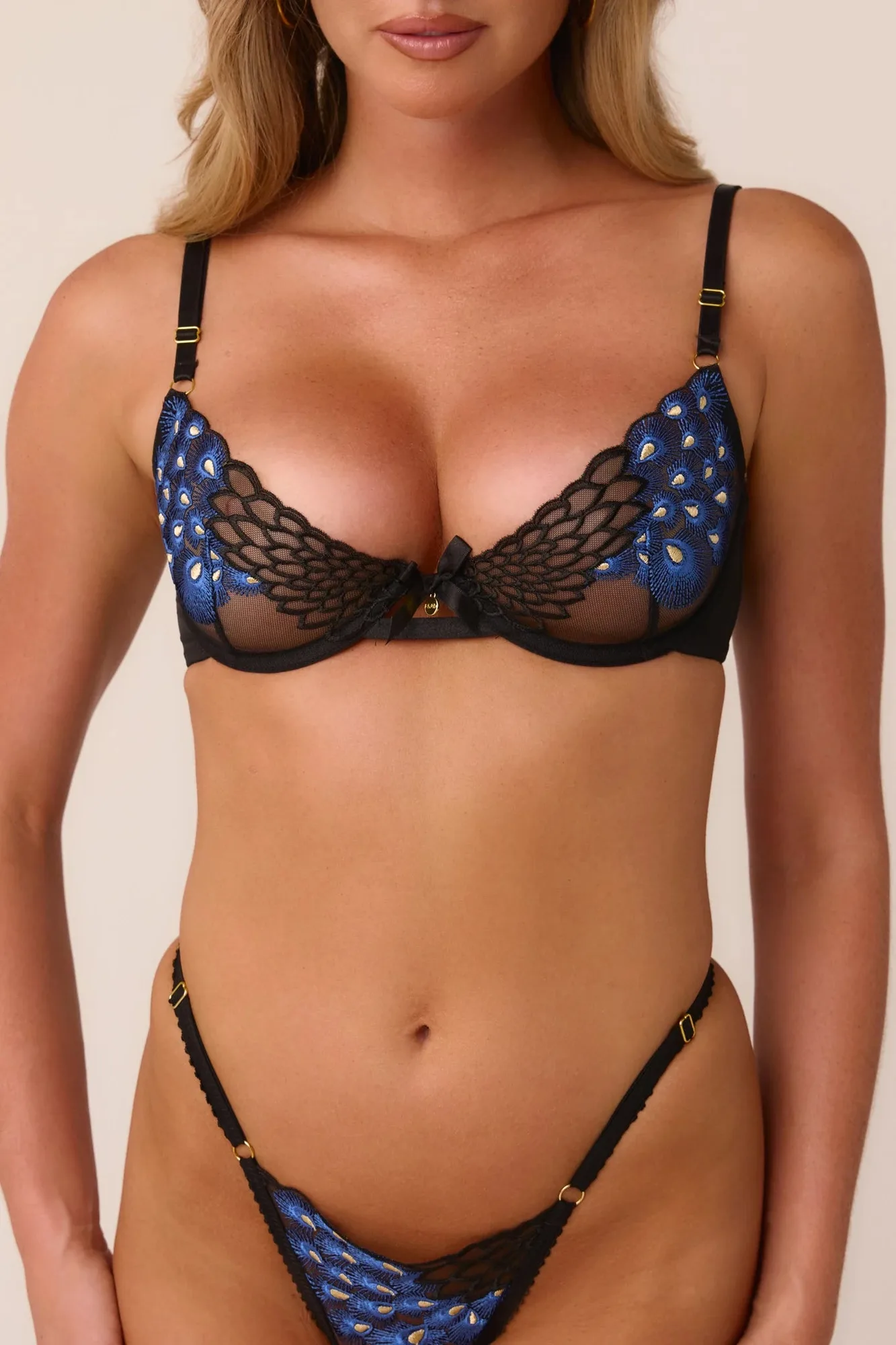
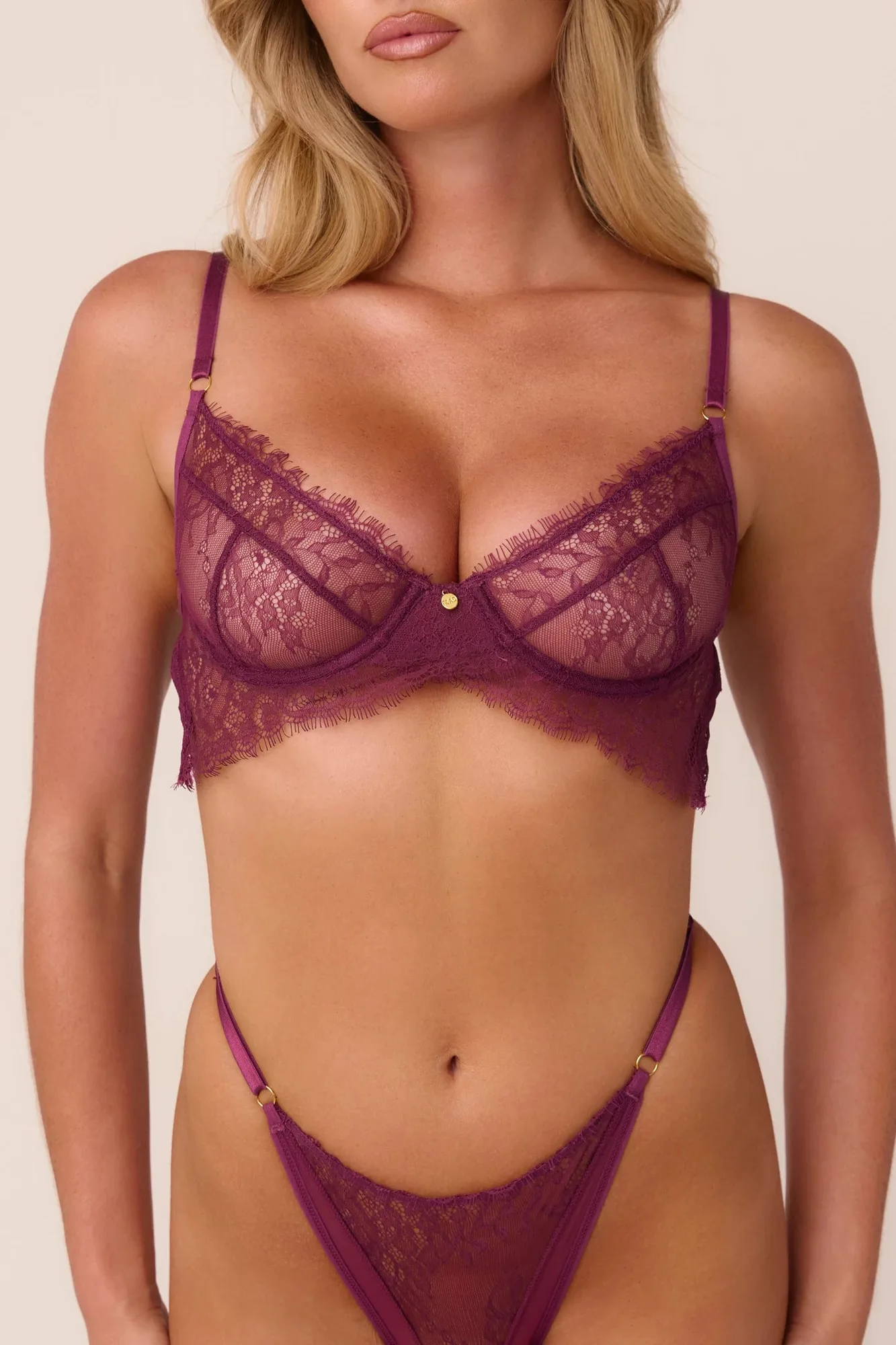
Adjustable straps are standard on most bras, including the Pia Bra Black and the Nadia Bra Purple. Use them to fine-tune, but don't rely on them to compensate for a band that's too big.
- Straps should be adjusted to sit flat, not tight.
- If you need to tighten straps all the way, the band is likely too loose.
Symptom: Underwire Pokes or Digs In
An underwire that pokes your ribs or armpit is a clear sign the bra doesn't fit. The wire should encase your breast tissue without pressing into it. If the wire sits on top of breast tissue, the cup is too small. If it digs into your ribs, the band might be too tight or the wire shape doesn't match your ribcage.
Sometimes the wire itself has bent out of shape over time. In that case, no adjustment will fix it. You need a new bra. Look for styles with flexible underwires and a band that sits level all around.
- Wire should sit flat against your ribcage, not on breast tissue.
- If the wire is bent or misshapen, replace the bra.
When to Adjust vs. When to Replace
Adjustments work when the bra is still structurally sound but needs fine-tuning. If you're on the loosest hook and the band is snug, you have room to tighten as it stretches. But if you're already on the tightest hook and the band still rides up, or if the cups are visibly misshapen, it's time to replace. A good rule: if you've had the bra for over a year and wear it weekly, expect to replace it.
Also consider fabric condition. Stretched-out lace, broken elastic, and bent underwires can't be fixed. If the bra looks tired, it probably is.
- Adjust if: band is snug on loosest hook, cups fit well, straps stay put.
- Replace if: band rides up on tightest hook, cups gap or spill, underwire pokes.
Bra Fit Diagnosis: Match Your Symptom to the Fix
- Band rides up: The band is too loose or stretched out. Tighten to a smaller hook. If already on the tightest hook, replace the bra. If it still rides up after tightening, stop adjusting and shop for a smaller band size.
- Cups gap or wrinkle: Cup size too large or band too loose. Tighten straps slightly and check band tension. If gaping continues, go down a cup size. If the cup fabric wrinkles even after adjusting, try an unlined lace style like Pia Bra Black.
- Spillage at top or sides: Cup size too small. Go up a cup size. If the band is also loose, you may need a smaller band and larger cup (sister size). If spillage persists in a larger cup, switch to a fuller-coverage style.
- Straps fall or dig in: Falling straps mean loose band; digging straps mean tight band or small cups. Adjust band first, then straps. If straps still fall, the band is too big—replace the bra.
- Underwire pokes: Wire shape or size mismatch. Check if wire sits on breast tissue (cup too small) or ribs (band too tight). If the wire is bent or misshapen, no adjustment will help—replace it.
Bras That Address Common Fit Issues
- Pamela Bra - Black: Nude illusion mesh paired with stretch lace and adjustable straps. The stretch lace adapts to minor size fluctuations, making it a good choice if your size recently changed slightly.
- Pia Bra Black: Embroidered peacock feather lace on a classic unlined underwire silhouette with adjustable back and shoulder straps. Unlined cups are less likely to gap than padded ones, which helps if you're between sizes.
- Nadia Bra Purple: Longline design with extra stitching on the side bust and eyelash chantilly lace. The longline band provides extra anchorage, which can prevent riding up if you have a shorter torso.
- Riley Bra Black: Low cut underwired demi-bra with flower embroidery lace and adjustable back straps. Demi cups offer less coverage, so they work best if you have shallow breast tissue and want to avoid cup gaping.
A bra that fits well is one you don't have to think about. Use the diagnosis above to pinpoint the problem, try the simple adjustments, and know when to let go. Your comfort is worth a fresh start.