Quick Answer
Your dog likely needs a heavy-duty collar if a standard collar has stretched, frayed, or popped open during normal use, if your dog pulls hard enough to strain the hardware, or if you need a collar that stays secure for training and walks. Size alone is not the signal; strength, fit, and hardware quality matter more. A heavy-duty collar benefits strong pullers and large dogs, but it is not automatically better for every dog.
A collar that fails at the wrong moment is more than an inconvenience. If you have ever watched a buckle bend, a D-ring stretch, or a nylon strap fray after a few months, you already know the difference between a collar that fits and one that holds. The signs below are practical, not dramatic: they show up in daily walks, training sessions, and the wear you see when you take the collar off.
This guide covers when a heavy-duty dog collar is worth buying, when a standard collar is still the better choice, and how to match collar strength to your dog without guessing. It also explains how replacement links and sizing decisions affect fit, so you can choose a durable dog collar that actually stays comfortable.
Signs Your Current Collar Is Not Holding Up
The clearest sign is visible wear that changes how the collar works. Look for stretched holes, a buckle that no longer snaps firmly, frayed stitching, or a D-ring that has started to pull out of shape. These are not cosmetic problems. A collar that has stretched can slip over a dog's head during a sudden pull, and bent hardware can fail under load. If you see any of these, replace the collar before your next walk.
A second sign is behavior. If your dog pulls hard enough that you feel the collar strain, or if the collar rotates and loosens during a walk, the collar is not matching your dog's strength. This does not mean every strong dog needs a heavy-duty collar, but it does mean the current one is not doing its job. A collar that needs constant readjusting is a fit problem first and a strength problem second.
- Check the buckle, D-ring, and stitching every few weeks, not just when something breaks.
- If the collar leaves a mark or rubs hair away, the fit or material is wrong, not just the size.
- A collar that has stretched more than a hole or two is a replacement, not a repair.
When to Use a Heavy-Duty Collar
A heavy-duty collar makes sense when your dog's daily routine puts real load on the collar. That includes strong pullers, dogs in training, and large dogs whose body weight alone can stress standard hardware. It also includes dogs that wear a collar all day and need something that resists rust and corrosion from rain, mud, or swimming. In those cases, stronger materials and hardware reduce the chance of a sudden failure.
A heavy-duty collar is not automatically the right choice for every dog. A calm small dog that walks on a loose leash does not need extra weight or thicker hardware. The trade-off is real: heavy-duty collars are often heavier and bulkier, and they can be overkill for a dog that never pulls. Choose based on load and wear, not on the label.
- Choose heavy-duty if your dog pulls, lunges, or needs training equipment that stays secure.
- Choose heavy-duty if the collar gets wet, muddy, or exposed to salt water regularly.
- Stay with a standard collar if your dog walks calmly and the current collar shows no wear.
Why Collar Strength Is More Than Thickness
Collar strength comes from the whole system: strap material, stitching, buckle, D-ring, and how the collar fits. A thick strap with a weak buckle is not strong. A strong buckle on a collar that is too loose can still slip off. When you compare durable dog collars, look at how the hardware is attached and whether the material is rated for repeated stress, not just how it looks in a photo.
Stainless steel hardware resists rust and corrosion, which matters if your dog swims or lives in a wet climate. That is one reason stainless steel collars and links hold up well over time. The trade-off is weight and cost. For a dog that never gets wet and never pulls, a lighter collar with quality hardware may be the better everyday choice.
- Check the D-ring and buckle first; these are the parts that fail under load.
- Stainless steel resists rust and corrosion, but it adds weight.
- A strong collar that fits poorly is less safe than a moderate collar that fits well.
How to Match Collar Type to Your Dog
Start with your dog's behavior, not breed or weight. A 70-pound dog that walks politely may be fine in a standard collar, while a 35-pound dog that pulls hard may need stronger hardware. If you use a prong collar for training, the collar itself is already heavy-duty by design, and you may only need to adjust the fit with replacement links rather than buy a new collar. That is where products like the 4.0mm Black Stainless Herm Sprenger Ultra-Plus Prong Training Dog Collar Replacement Links come in.
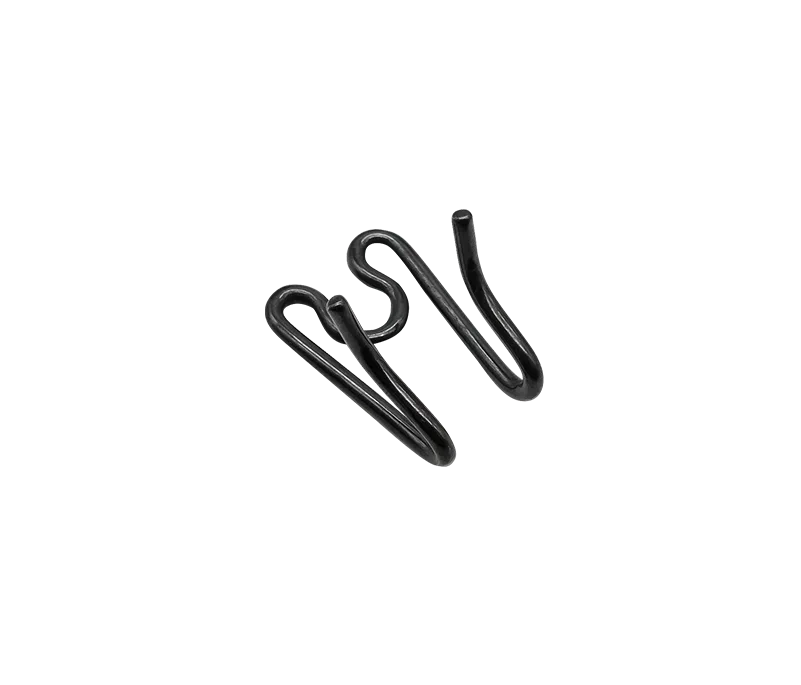
4.0mm Black Stainless Herm Sprenger Ultra-Plus Prong Training Dog Collar Replacement Links
If you use a Neck-Tech style collar, extra links let you customize the fit without replacing the whole collar. Each link adds 1.25 inches (3 cm) to the total length, so you can fine-tune the size as your dog's coat changes with the seasons. This is a practical way to get a durable dog collar fit without guessing at a new size.
- Measure your dog's neck at the narrowest point, then add room for comfort and coat thickness.
- If you are between sizes, choose the smaller collar and add links rather than buying a loose collar.
- Recheck fit after every bath, grooming session, or weight change.
Decision Rules for Buying a Heavy-Duty Collar
- Rule 1: Replace if hardware is damaged: If the buckle, D-ring, or stitching is bent, frayed, or loose, replace the collar. Do not try to repair load-bearing hardware. Safety first: a damaged collar is an immediate replacement.
- Rule 2: Size up only when behavior demands it: Choose a heavy-duty collar if your dog pulls, lunges, or trains with intensity. If your dog walks calmly, a standard collar with quality hardware is enough. Match the collar to the load, not to the dog's weight alone.
- Rule 3: Fit before strength: A heavy-duty collar that is too loose can still slip off. Measure the neck, check two-finger snugness, and adjust with links if you are between sizes. A correct fit makes any collar safer; a poor fit undermines the strongest hardware.
- Rule 4: Use links to fine-tune, not to force a fit: Replacement links add length in small increments, such as 1.25 inches (3 cm) for Neck-Tech collars. If you need many links to make a collar fit, the base size is wrong. Links are for precision, not for fixing a collar that is fundamentally too small.
Product Facts That Matter for Fit and Strength
- 4.0mm Black Stainless Herm Sprenger Ultra-Plus Prong Training Dog Collar Replacement Links: These links are used to add length to the Herm Sprenger Ultra-Plus Prong Training Dog Collars. The blunt design is effective and easily attaches to existing links for a perfect fit. If your prong collar is slightly too short, adding links is cheaper and more precise than replacing the whole collar.
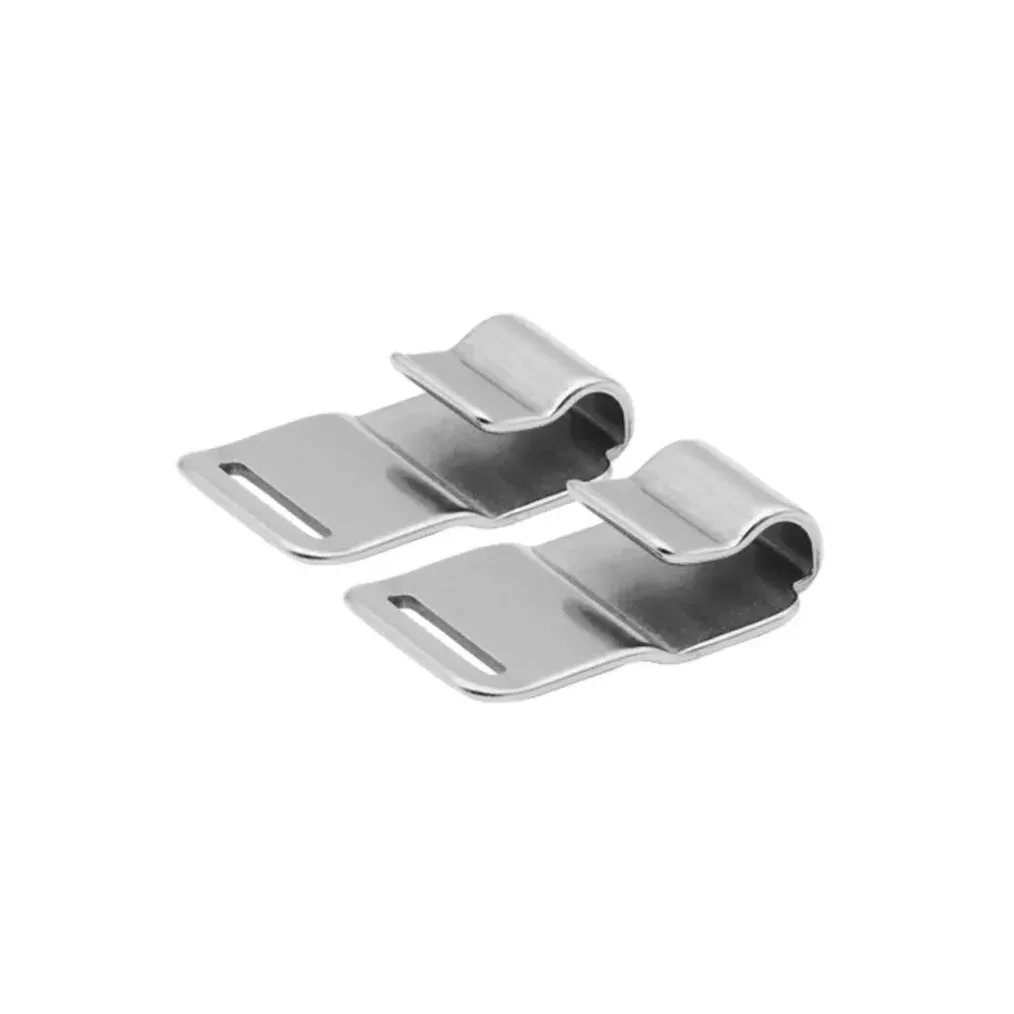
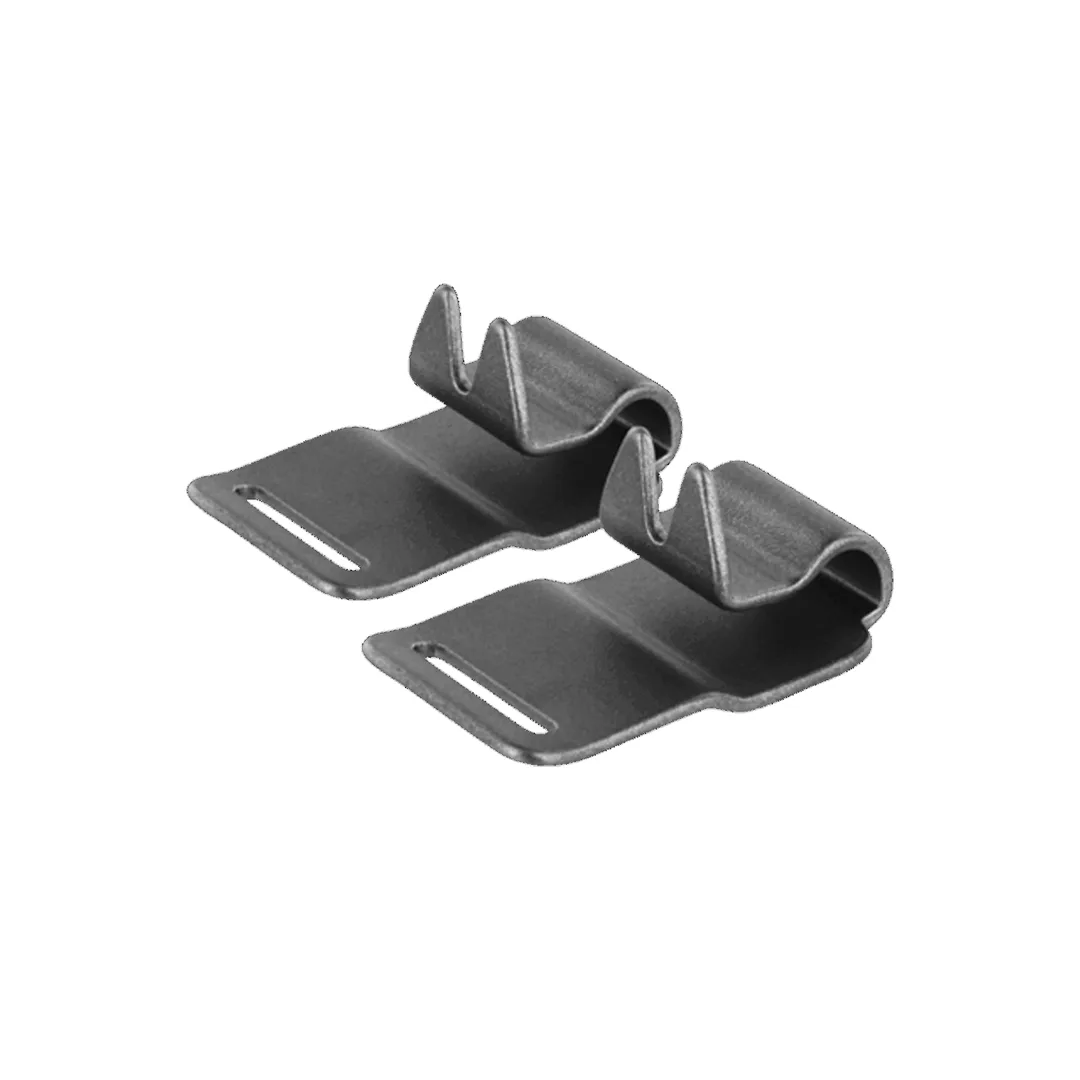
- Herm Sprenger NeckTech Fun Extra Stainless Steel Links (2): Extra links are made of Stainless Steel, to prevent rust or corrosion. Customize your Neck-Tech collars for a perfect fit by adding or removing links. Adds 1.25 inches (3 cm) to the total length of the collar. 2 links per set. Stainless steel holds up in wet conditions, and the 1.25-inch increment lets you adjust fit in small steps.
- Herm Sprenger NeckTech Sport Black Stainless Links (2): All Herm Sprenger Neck-Tech Sport collars come in standard sizes. But you can customize each of them for the perfect fit by adding or removing links. Each extra link for stainless steel Neck-Tech collars will add 1.25 inches (3 cm) to the total length of the collar. Sold in packs of 2. If your dog is between standard sizes, a two-link set can close the gap without a custom collar.
Who a Heavy-Duty Collar Is For
Best for
- Strong dogs that pull or lunge during walks or training.
- Large dogs whose size puts extra stress on standard hardware.
- Dogs that swim, get muddy, or live in wet climates and need rust-resistant materials.
- Owners who want a collar that stays secure during training sessions.
Not for
- Calm dogs that walk on a loose leash and show no collar wear.
- Small dogs that do not pull and do not need extra hardware weight.
- Owners looking for a lightweight everyday collar for a dog that never strains.
- Dogs whose current collar fits well and shows no signs of stress or damage.
The signs your dog needs a heavy-duty collar are practical: damaged hardware, visible wear, pulling that strains the collar, or a lifestyle that exposes the collar to water and mud. If none of those apply, a standard collar with quality hardware may serve your dog better. When you do upgrade, focus on fit first, then strength, and use replacement links to fine-tune rather than guess at a new size.