Quick Answer
Your dog likely needs a skin and coat supplement only when symptoms are steady and internal: dull coat for weeks, flaking skin, or itching that shows up without fleas, a new food, or a recent bath. A single bad week, a seasonal shed, or one itchy spot after a walk is not a supplement case. Start with the cheapest fix first, which is usually a soothing coat spritz, then move to a supplement if nothing changes.
Most itchy, flaky dogs do not need a supplement. They need the right diagnosis first. Supplements work from the inside and take weeks to show results, so reaching for one before you know what you are treating wastes money and delays relief.
This guide separates the symptoms that point to a supplement from the ones that point to a surface fix, a bath, or a vet visit. It also covers the point where you should stop guessing and get professional help.
Symptom, Cause, and Action: How to Read Your Dog's Coat
A dull, dry coat with visible flaking usually means the skin barrier is struggling. Common causes include low fat or low omega-3 intake, dry winter air, over-bathing, or an underlying thyroid or allergy issue. If your dog eats a complete diet and the coat still looks chalky for more than three to four weeks, a dog skin and coat supplement is a reasonable next step.
Itching without fleas, redness, or a rash is different. That pattern often points to environmental irritants or dry skin rather than a nutritional gap. A dry skin dog supplement may help over time, but it will not calm an active flare today. For immediate comfort, reach for a topical product first and give an internal supplement time to work.
- Steady dullness plus flaking for 3-4 weeks: consider a supplement.
- Sudden itching with redness: treat the surface first, then reassess.
- Itching only after walks or in one season: likely environmental, not nutritional.
The Cheap Test Before You Buy a Supplement
Before spending on capsules or chews, try a between-bath coat refresher for one to two weeks. Itchy Dog Spritz is a no-rinse spray made with lavender, eucalyptus, and aloe vera, and it is designed to keep the coat shiny and conditioned while easing everyday itchiness. Apply a few spritzes and work it into the coat. If the itching drops noticeably, you are dealing with a surface or dryness issue, not a deficiency.
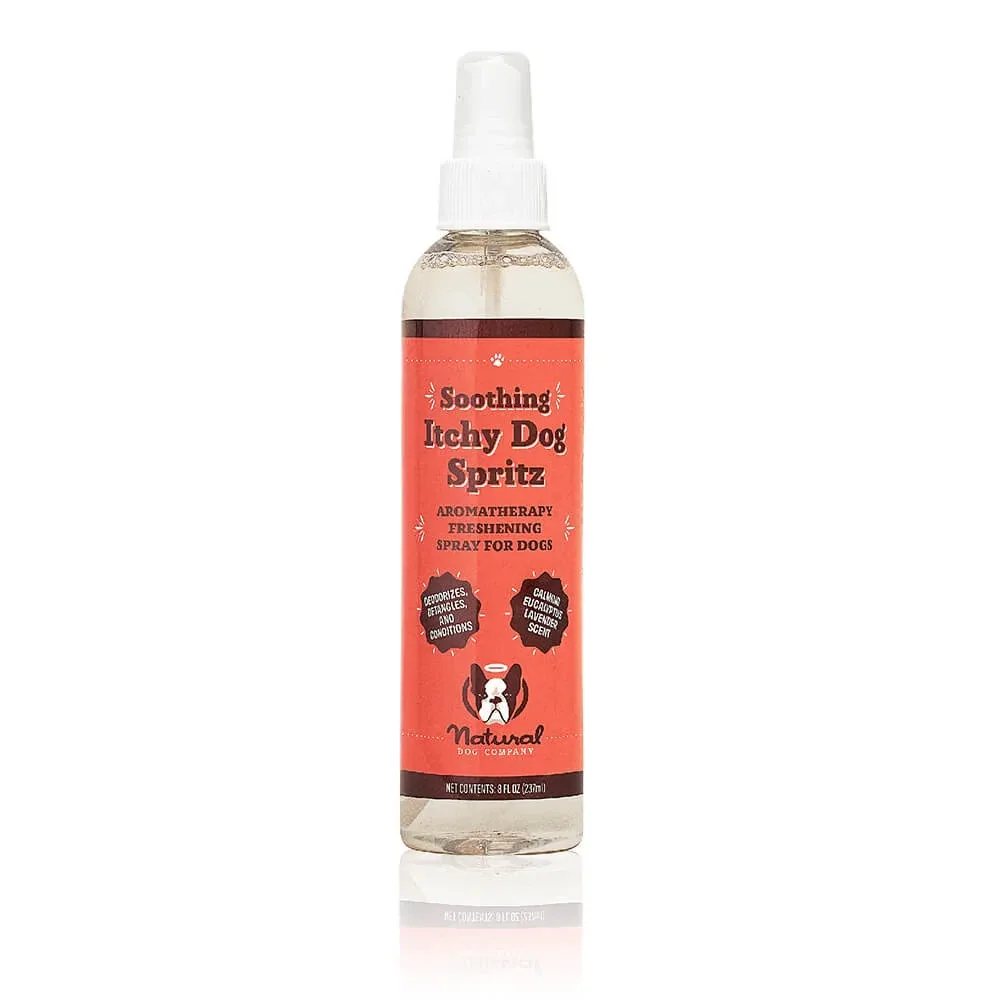
Itchy Dog Spritz
If the spritz helps only for a day and the flaking and dullness return, that is your signal that the problem is internal. At that point a dog skin and coat supplement is worth trying. If the spritz makes things worse, or you see hair loss, scabs, or open sores, stop and call your vet.
- Use the spritz for 7-14 days and track whether the coat looks better, not just whether itching stops.
- No improvement at all: skip supplements and book a vet visit.
- Partial improvement that fades: supplement is a fair next step.
What a Supplement Can and Cannot Fix
A skin supplement for dogs supports the skin barrier, oil production, and coat shine over four to eight weeks. It cannot fix fleas, mange, fungal infections, food allergies, or hormonal conditions. If your dog is losing hair in patches, scratching until the skin breaks, or has a greasy, smelly coat, those are medical signs, not supplement signs.
Supplements also will not replace a good diet. If your dog is on a complete and balanced food, adding omega fatty acids or specific skin nutrients can help close a gap. If the diet is poor or the dog has a diagnosed deficiency, a supplement is a support tool, not the treatment.
- Give any supplement at least 4 weeks before judging it.
- Photograph the coat weekly in the same light so you can see real change.
- Stop and see a vet if the skin is broken, infected, or the dog seems unwell.
When It Is Not a Supplement Problem
Some symptoms look like coat issues but are not. Excessive chewing on paws, rubbing the face, or recurrent ear infections usually point to allergies. Patchy hair loss with no itching often points to a thyroid or hormonal issue. Dandruff that appears only in winter may simply be indoor heating and low humidity.
In these cases, a supplement is a waste of money and time. A vet can run a skin scrape, allergy test, or blood panel and give you a real answer. Once the underlying cause is treated, a supplement can be a useful add-on for coat recovery, but it should not be the first move.
- Paw chewing plus face rubbing: think allergies, not nutrition.
- Patchy hair loss without itching: think thyroid or hormones.
- Winter-only flaking: try a humidifier and a coat spritz first.
Diagnosis: Match the Sign to the Right Fix
- Dull coat with flaking for 3-4 weeks: Likely cause is a nutritional or fatty-acid gap. Try a dog skin and coat supplement and give it four to eight weeks. If the coat improves, keep going. If nothing changes, see your vet.
- Itchy dog coat without fleas or rash: Likely cause is dryness or environmental irritants. Start with a no-rinse spritz like Itchy Dog Spritz before adding a supplement. If the spritz helps, you do not need a supplement yet.
- Paw chewing, face rubbing, or recurrent ear issues: Likely cause is allergies, not a nutritional gap. A supplement will not fix this. Stop and see your vet for allergy testing or a treatment plan.
- Patchy hair loss, scabs, or broken skin: Likely cause is a medical or hormonal condition. This is beyond supplement territory. Book a vet visit before buying anything else.
Products That Fit This Decision
- Itchy Dog Spritz: Itchy Dog Spritz is a no-rinse between-bath refresher made with all-natural ingredients like lavender, eucalyptus, and aloe vera to help keep itching at bay and the coat shiny, conditioned, and fresh-smelling. This is the low-cost first step before buying a supplement. If a surface spritz calms the itch, the problem is likely dryness or irritants, not a nutritional gap.
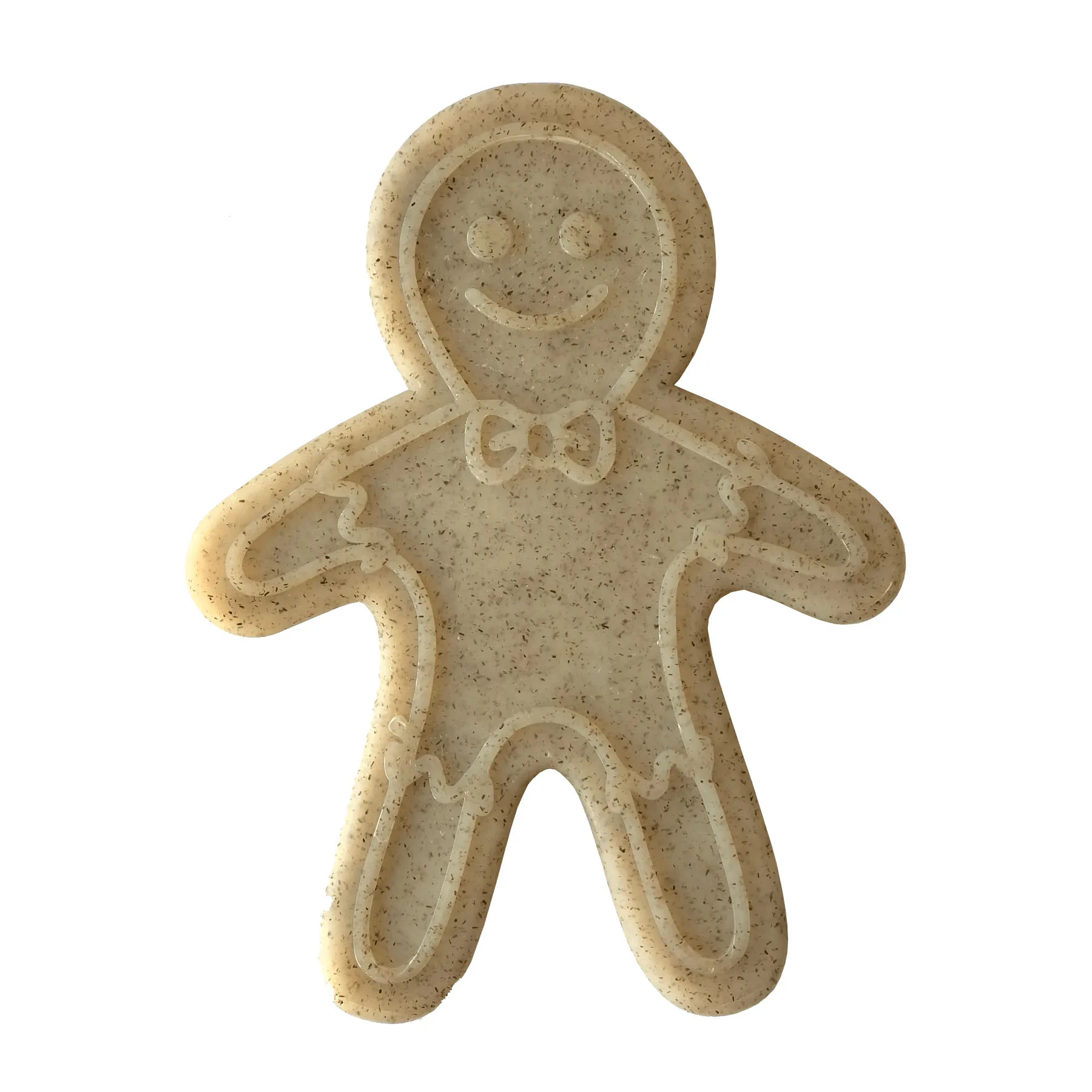
- Gingerbread Man Tough Nylon Chew Toy: The Gingerbread Man Tough Nylon Chew Toy is durable enough for dogs from 15 pounds to over 100 pounds and is designed to withstand tenacious chewing while keeping dogs entertained and less likely to destroy household items. If your dog scratches or chews at itself out of boredom, a durable chew toy redirects that behavior and helps you tell boredom from a genuine skin problem.
Start with the cheapest, most reversible fix: a coat spritz and a week of observation. If the coat is still dull and flaky after that, a dog skin and coat supplement is a fair next step. If you see hair loss, broken skin, or constant scratching, skip the supplement aisle and call your vet.