Quick answer
Silicone sculpting tools are flexible, double-sided nail accessories used to shape, detail, and apply materials like gel, acrylic, and chrome powder with precision. They give you more control than a brush for certain tasks and are easier to clean than metal tools.
Why choose silicone over metal or brush tools?
Silicone tips are non-porous and flexible, which means they don't absorb product and they bend to follow curved nail surfaces. Metal tools can scratch the nail or gel surface, while brushes can leave streaks or soak up product. Silicone sculpting tools are a middle ground: firm enough to shape but soft enough to avoid damage.
They are also heat-resistant and easy to sanitize, making them a practical choice for both home hobbyists and salon professionals who work with gel or acrylic.
How they compare to silicone nail molds
Silicone nail molds are used to create 3D shapes (like flowers or bows) that you then attach to the nail. Silicone sculpting tools, on the other hand, are handheld tools for freehand shaping, smoothing, and detailing directly on the nail or on a tip. They complement molds but serve a different purpose: molds give you a pre-formed shape; sculpting tools let you build and refine shapes from scratch.
Frequently asked questions about silicone sculpting tools
What exactly are silicone sculpting tools used for in nail art?
They are used to shape and smooth gel or acrylic, create fine details like cuticle lines and 3D petals, apply chrome powder evenly, and clean up excess product around the nail edges. The double-sided design gives you two tip shapes per tool, so you can detail and blend without switching instruments.
Can I use them with gel polish or only with sculpting gels?
You can use them with any gel or acrylic product that is not fully cured. They work well for spreading and shaping builder gel, smoothing top coat before curing, and even for removing uncured gel from the skin. They are not recommended for use with liquid polish because the silicone surface does not absorb or spread thin polish well. Stick to thicker gel or acrylic products for best results.
How do I clean and maintain silicone sculpting tools?
Wipe off uncured product with a lint-free wipe and isopropyl alcohol immediately after use. Once the product cures on the tool, you can gently peel it off because silicone is non-stick. For deep cleaning, wash with mild soap and warm water, then sanitize with alcohol. Avoid using acetone or harsh solvents regularly as they can degrade the silicone over time. Clean right after use to prevent product buildup.
Are silicone sculpting tools better than dotting tools for detail work?
It depends on the task. Dotting tools create perfect circles and dots, while silicone sculpting tools are better for shaping, smoothing, and blending because the flexible tip can conform to curves. For fine lines or tiny dots, a dotting tool or fine brush is more precise. For sculpting petals, smoothing edges, or applying chrome powder, silicone tools give you more control and a softer touch. Keep both types in your kit for different jobs.
Product spotlight
-
Silicone Sculpting Tools: This set includes five double-sided silicone sculpting tools from La Catrina Nails, designed for sculpting and detailing work. Having five different tip shapes means you can switch between smoothing, carving, and applying chrome powder without stopping to clean a single tool.
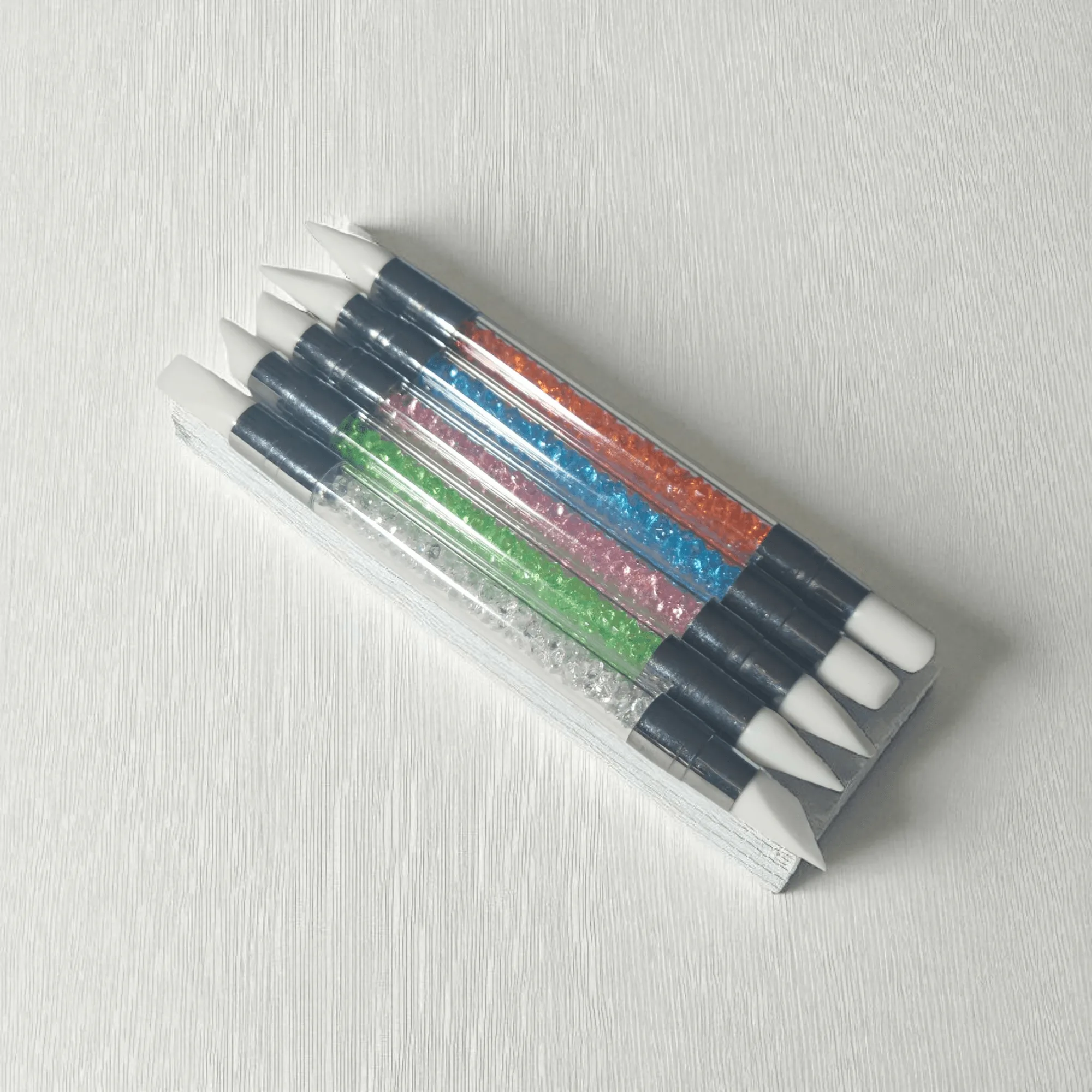
Silicone Sculpting Tools