Quick Answer
Silicone is the superior choice for most people due to its non-porous, body-safe, and easy-to-clean nature. TPE is softer and more affordable but porous, requiring more careful maintenance. For internal use or sensitive skin, always choose silicone.
When shopping for a new intimate toy, the material matters more than you might think. It affects safety, durability, feel, and how you clean and store the toy. The two most common materials you'll encounter are silicone and TPE (thermoplastic elastomer). Both have their strengths and weaknesses, and the right choice depends on your priorities.
In this comparison, we'll break down the pros and cons of silicone vs. TPE, helping you make an informed decision. We'll also highlight some silicone toys from our store that exemplify the benefits of this premium material.
What Is Silicone and Why Is It the Gold Standard?
Silicone is a synthetic polymer that is non-porous, hypoallergenic, and free from phthalates and other harmful chemicals. It's the preferred material for body-safe sex toys because it doesn't harbor bacteria, is easy to clean, and can be boiled for thorough sterilization. Silicone toys are also incredibly durable and maintain their shape and texture over time.
The main downside of silicone is that it can be more expensive than other materials. Additionally, silicone requires a water-based lubricant, as silicone-based lubes can degrade the toy's surface. Despite these minor drawbacks, the benefits of silicone far outweigh the costs for most users, especially for internal toys or those used by people with sensitive skin.
- Non-porous: doesn't absorb fluids or harbor bacteria.
- Easy to clean: wash with soap and water or boil for deep cleaning.
- Durable: resistant to wear and tear, retains shape.
- Body-safe: free from phthalates and latex.
What Is TPE and When Might You Choose It?
TPE is a blend of plastic and rubber that is softer and more flexible than silicone, often giving it a more realistic feel. It's also less expensive, making it an attractive option for budget-conscious buyers. However, TPE is porous, meaning it can absorb fluids and harbor bacteria, making it harder to clean and less hygienic over time.
TPE toys cannot be boiled or cleaned with harsh chemicals, and they may degrade if not stored properly. They also have a shorter lifespan than silicone. If you choose TPE, it's best to use them with a condom for internal use and replace them more frequently. For those prioritizing realism and softness over longevity and hygiene, TPE can be a suitable choice.
- Softer and more flexible: offers a realistic feel.
- More affordable: budget-friendly option.
- Porous: requires careful cleaning and condom use for internal play.
- Less durable: may degrade over time, especially if not stored correctly.
How to Clean and Care for Silicone vs. TPE Toys
Proper care extends the life of your toy and ensures your safety. Silicone toys are easy to maintain: wash with mild soap and warm water, or boil for 3-5 minutes for a deep clean. They are also compatible with most toy cleaners. After washing, air dry and store in a cool, dry place away from direct sunlight.
TPE toys require more attention. Clean them with mild soap and water, but do not boil or soak. Pat dry and store them separately from other toys, as TPE can react with silicone and cause damage. It's also wise to use a condom with TPE toys for internal use to minimize health risks. Remember to replace TPE toys more frequently than silicone ones.
- For silicone: boil or use toy cleaner; store away from other materials.
- For TPE: gentle soap and water; never boil; store separately.
- Always check the manufacturer's care instructions.
Trade-Offs at a Glance
- Safety: Silicone is non-porous and body-safe; TPE is porous and may harbor bacteria. Choose silicone for internal use or sensitive skin.
- Durability: Silicone lasts longer and resists wear; TPE may degrade faster. Invest in silicone for long-term use.
- Feel: TPE is softer and more realistic; silicone is firmer but still flexible. If realism is key, TPE might appeal, but consider hygiene.
Silicone Toys from Our Store
- 3-Piece Silicone Kegel Training Set: Made from smooth, body-safe silicone, each of the three weighted balls ranges from 37g to 65g, allowing for progressive training. Silicone ensures hygienic internal use and easy cleaning, making this set a safe choice for daily pelvic floor workouts.
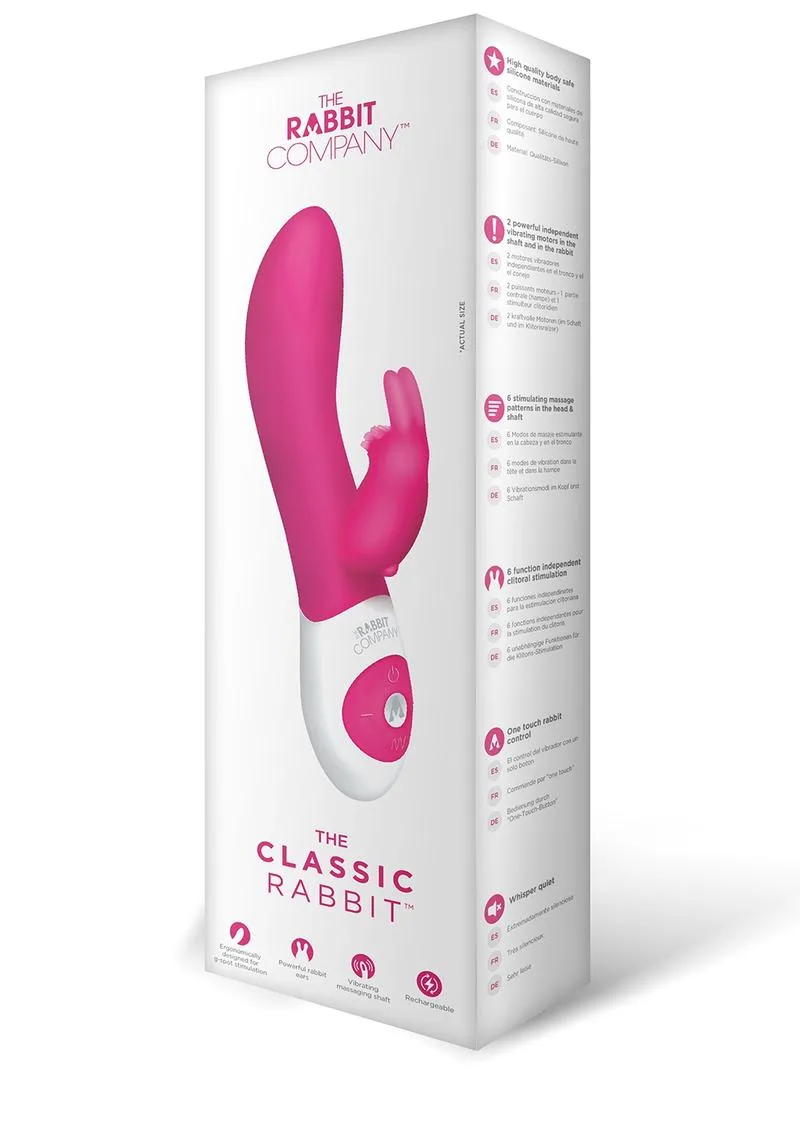
- The Internal Rabbit: Made from body-safe silicone, this vibe features pulsating technology and a specially shaped head for targeted, intense G-spot stimulation. Silicone's non-porous nature makes it ideal for internal stimulation, providing a safer and more durable experience.
Which Material Is Best for You?
Best for
- Those prioritizing safety and easy maintenance.
- Users with sensitive skin or allergies.
- Anyone looking for a long-lasting investment.
Not for
- Budget shoppers who don't mind extra care.
- Those seeking the softest, most realistic feel above all else.
Ultimately, silicone is the winner for most people due to its superior safety, durability, and ease of care. TPE has its place for those on a budget or seeking a specific texture, but it requires more diligence. When you're ready to experience the benefits of silicone, explore our collection, starting with the versatile 3-Piece Silicone Kegel Training Set or the luxurious The Internal Rabbit. Your body will thank you.