Quick Answer
Silk thermal underwear is the better choice for lightweight warmth and all-day comfort, especially for sensitive skin. Wool traps more heat in extreme cold but can feel bulky and itchy, so your activity level and climate should guide the decision.
Warmth vs. Weight: The Core Difference
Wool is renowned for its insulating power because its crimped fibers trap air, creating a thick barrier against cold. This makes it a top pick for frigid outdoor activities like skiing or winter hiking. However, that same structure adds bulk and can feel heavy under tight-fitting clothing.
Silk, on the other hand, provides thermal regulation through its natural protein fibers, which help maintain body temperature without the extra weight. A lightweight silk thermal layer is ideal for everyday wear, commuting, or mild winter days where you want warmth without restriction.
Comfort and Skin Sensitivity
Wool can be a problem for people with sensitive skin. Even fine merino wool may cause itching or irritation for some. Silk is naturally smooth and hypoallergenic, making it a gentler option for those prone to rashes or discomfort.
Silk also wicks moisture away from the skin, keeping you dry during light activity. Wool absorbs more moisture before it feels damp, which can be an advantage in high-sweat situations but may leave you feeling clammy during less intense wear.
Durability and Care
Wool is naturally elastic and resistant to wrinkles, but it requires careful washing to avoid shrinking or felting. Silk is delicate too, yet it is surprisingly strong for its weight. Both fabrics need gentle handling, but silk often feels more luxurious and drapes better under clothing.
If you prioritize easy layering under a dress shirt or suit, silk's smoothness wins. For rugged outdoor use where you might not change for hours, wool's ruggedness could be more practical.
Silk vs. Wool: Decision Trade-offs
- Choose silk if you value lightweight comfort: Pick a silk thermal set for everyday warmth, office wear, or low-activity days. It provides insulation without the bulk of wool and feels smooth against the skin. Silk is best for indoor or moderate outdoor temperatures.
- Choose wool if you face extreme cold: Wool traps more heat per ounce, making it better for sub-zero conditions or high-exertion activities like skiing. Accept the trade-off of potential itchiness and heavier weight. Wool is a performance choice for harsh winter sports.
- Consider your skin sensitivity: If wool has ever caused itching, silk is the safer bet. Its smooth fibers reduce friction and irritation, making it suitable for all-day wear. Test a small area before committing to wool if you have sensitive skin.
Product Facts
-
Extra Warmth Men's Silk Thermal Underwear Set: This set is cut from pure mulberry silk with a relaxed fit and elasticated waistband, and the fleece lining is 100% mulberry silk. The fleece lining adds extra warmth while the relaxed fit keeps the pants from feeling restrictive, making it a comfortable choice for lounging or moderate cold.
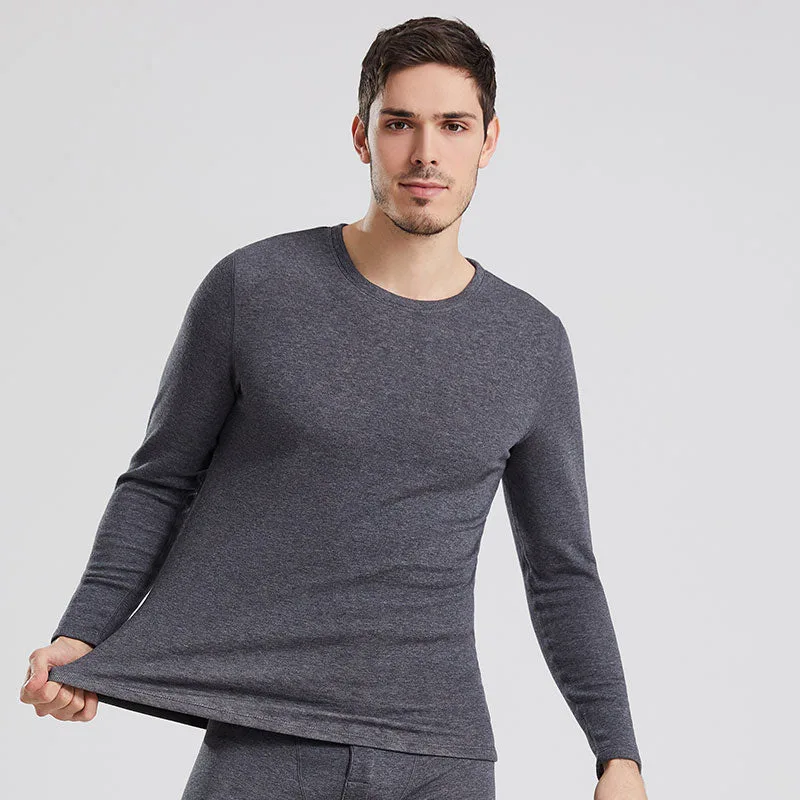
Extra Warmth Men's Silk Thermal Underwear Set
-
Men's 100% Silk Lightweight Thermal Underwear Set: Made from 100% grade 6A mulberry silk with a traditional round collar and long sleeves, this set is lightweight and breathable. The high-grade silk offers a smooth, non-itchy layer that traps warmth without bulk, ideal for sensitive skin or as a base under workwear.
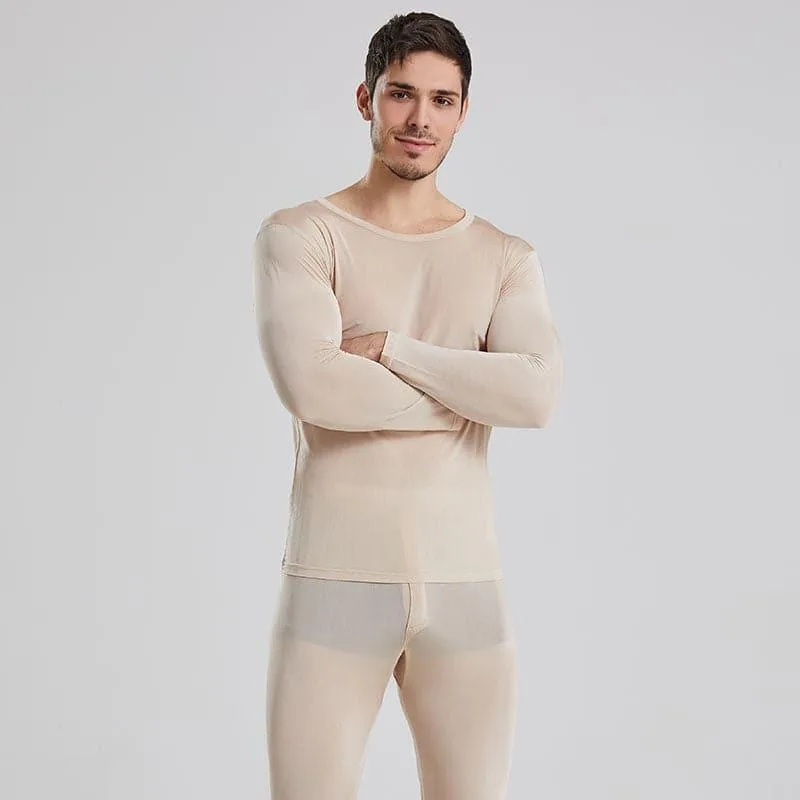
Men's 100% Silk Lightweight Thermal Underwear Set
Who Should Choose What
Silk is best for
- People with sensitive skin who want a non-itchy base layer
- Those needing lightweight warmth for daily commuting or office wear
- Moderate winter climates where heavy insulation isn't necessary
Silk is not ideal for
- Extreme cold weather activities where maximum heat retention is critical
- High-intensity outdoor sports that generate a lot of sweat and require rapid moisture management