Quick Answer
Silk plants generally look more natural and are safer for delicate fish, but plastic plants last longer and cost less.
Realism and Movement
Silk leaves are soft and flexible, so they sway gently with water flow, mimicking real aquatic foliage. Plastic plants are stiffer and hold their shape, which can look artificial but also stay put in high-flow tanks.
Durability and Maintenance
Plastic plants are UV-treated to resist fading and are made from BPA- and DEHP-free plastics, making them long-lasting and easy to clean. Silk plants are more delicate and may wear faster, but they are gentler on fish fins.
Silk vs Plastic: The Trade-offs
- Appearance: Silk plants have soft, flowing leaves that look more natural and move with the current. Plastic plants are stiffer and maintain a fixed shape.
- Fish Safety: Silk is gentle on delicate fins and appendages. Plastic can be abrasive to sensitive species like Bettas or fancy goldfish. Choose silk if you keep fish with long or fragile fins.
- Longevity: Plastic plants are UV-treated and resist fading, lasting longer in bright tanks. Silk plants may fray or fade sooner. Plastic is better for low-maintenance setups where you want the plants to last.
Product Facts
-
Medium Aquarium Silk Green & Yellow Caladium Plant: Silk leaves are soft to the touch, designed for fish with delicate fins like Bettas and fancy goldfish. This reduces the risk of fin tears and injuries, making silk a safer choice for sensitive species.
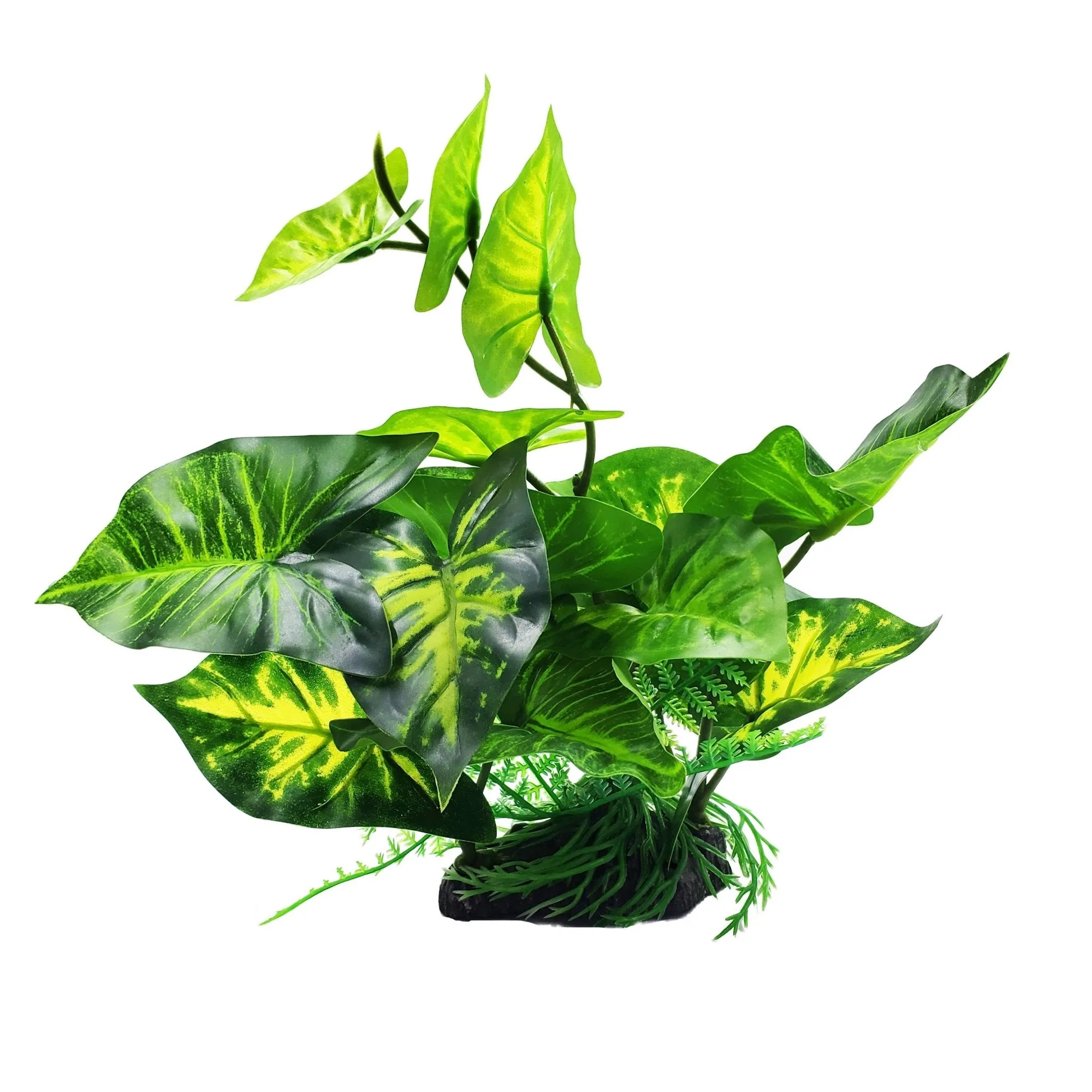
Medium Aquarium Silk Green & Yellow Caladium Plant
-
Artificial Small Plastic Yellow Green Cabomba Vallis Plant: Made from 100% aquatic safe plastics, free from BPA and DEHP, and UV treated to prevent colour fading. Plastic plants last longer without degrading in water or under lights, so you replace them less often.
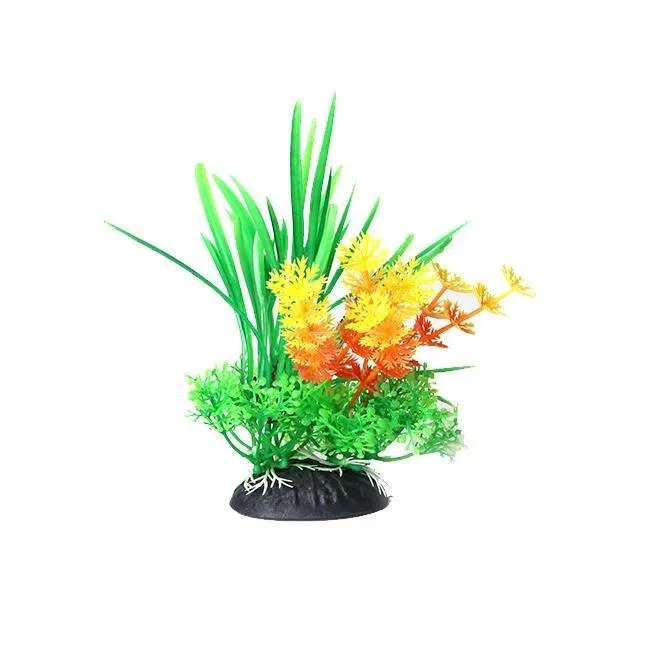
Artificial Small Plastic Yellow Green Cabomba Vallis Plant
Which Should You Choose?
Best for
- Aquascapers who prioritize a natural, flowing look
- Keepers of Bettas, fancy goldfish, or other fish with delicate fins
Not for
- High-traffic tanks where plants get bumped often (plastic holds up better)
- Budget-conscious setups needing maximum longevity (plastic costs less and lasts longer)