Quick answer
For a natural look and soft feel, silk aquarium plants are better; for durability and easy cleaning, plastic aquarium plants win. Your choice depends on tank inhabitants and maintenance preference.
Realism and feel
Silk plants mimic the soft, flowing movement of live foliage, making them ideal for aquariums where aesthetics matter most. Plastic plants, while improving in design, tend to have stiffer leaves that may look artificial up close.
That said, modern plastic plants like the Artificial Aquarium Medium Plastic Purple Flower Plant are UV treated to resist color fading, so they keep their vibrant appearance longer than many silk alternatives.
Safety for sensitive fish
Silk is gentle on delicate fins and scales, making it a top choice for bettas, goldfish, or shrimp tanks. Plastic plants with sharp edges can injure fish that brush against them.
However, not all plastic plants are risky. The Artificial Aquarium Small Plastic Silk Lobelia Plant On Wood is made from 100% aquatic-safe plastics, free from BPA and DEHP, and has a weighty base to stay put. Its soft plastic leaves reduce the chance of injury.
Maintenance and longevity
Plastic plants are generally easier to clean—just rinse or wipe—and last longer without fraying. Silk plants can collect algae and debris in their fibers, requiring more frequent rinsing or gentle scrubbing.
For low-maintenance setups, plastic is the practical choice. But if you're willing to put in a bit more care for a softer look, silk is worth it.
Silk vs Plastic: Trade-offs at a Glance
- Realism & feel: Silk looks more natural and moves with water flow; plastic is stiffer but UV-treated options resist fading.
- Safety for fish: Silk is soft on fins; plastic can be sharp but soft-plastic varieties (like the Lobelia Plant) reduce risk. Check leaf edges before buying plastic.
- Maintenance: Plastic is easier to clean and lasts longer; silk collects debris and may need more frequent rinsing.
- Cost & longevity: Plastic is often cheaper per piece and lasts years; silk may need replacement sooner but offers premium aesthetics. Consider your budget and how often you want to redecorate.
Product facts
-
Artificial Aquarium Small Plastic Silk Lobelia Plant On Wood: Made from 100% aquatic-safe plastics, free from BPA and DEHP. Natural looking with a weighty base to prevent floating. Suitable for freshwater and saltwater. This plant combines the safety of plastic with a soft, natural appearance and a stable base, making it a good middle ground for most tanks.
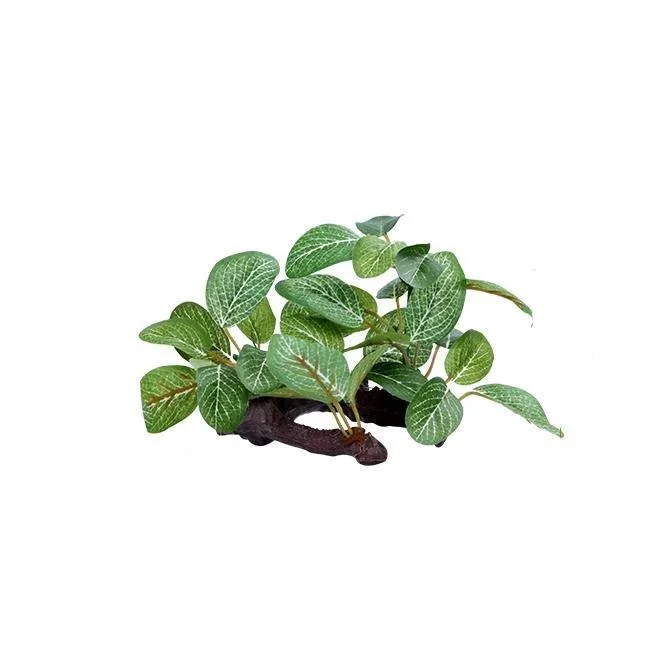
Artificial Aquarium Small Plastic Silk Lobelia Plant On Wood
-
Artificial Aquarium Medium Plastic Purple Flower Plant: UV treated to prevent premature color fading. Made from aquatic-safe plastics, free from BPA and DEHP. Suitable for freshwater and saltwater. The UV treatment ensures the purple flowers stay vibrant under aquarium lights, addressing a common complaint about plastic plants fading over time.
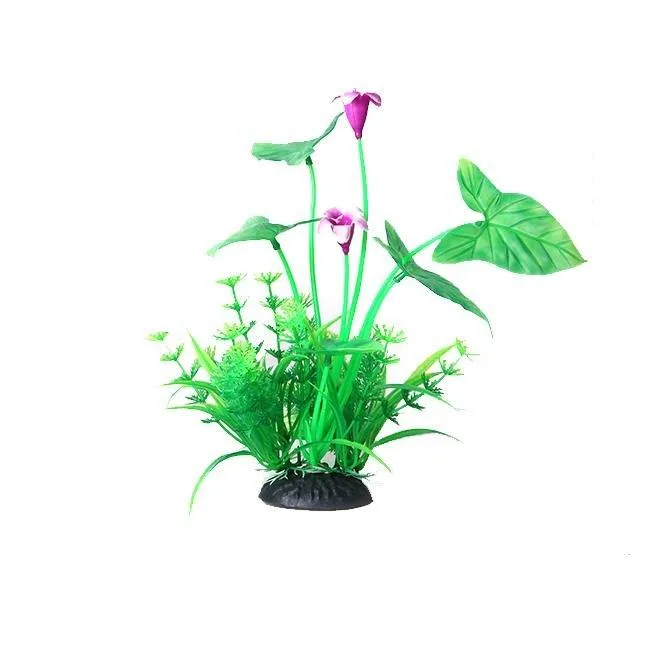
Artificial Aquarium Medium Plastic Purple Flower Plant
Which should you choose?
Best for
- Bettas, goldfish, or shrimp tanks where softness matters
- Aquascapers who want a natural, flowing look without live plant maintenance
Not for
- Low-maintenance or high-traffic tanks where plastic's durability is a better fit
- Tanks with fish that may nibble or uproot silk plants