Quick Answer
Most sippy cup problems trace back to one of four causes: a worn or misaligned valve, a cup that's too big for your baby's grip, a drink that's too cold or unfamiliar, or a developmental leap that makes an old cup feel babyish. Fix the valve and the fit first, then the drink, then the cup itself. If a cup still leaks after a valve check and a proper seal test, stop troubleshooting and replace it.
You've done the laundry, mopped the floor, and changed a onesie for the third time today. The sippy cup is upside down in the diaper bag again, and you're starting to wonder if leak proof sippy cups are a myth. They aren't, but they do depend on a few parts working together: the valve, the seal, the spout, and the way your child actually holds the cup.
This guide works like a troubleshooting checklist. For each common complaint, you'll find the symptom, the likely cause, the corrective action, and the point where you should stop fixing and try a different cup or a different drinking method altogether.
Why Sippy Cup Leaks Happen (And How to Stop Them)
A leaking sippy cup is almost never a mystery. The valve is the usual suspect: if it's missing, cracked, stretched, or installed upside down, liquid flows freely. Pull the valve out, hold it up to a light, and look for tears or a deformed shape. If it's intact, reseat it so it sits flush against the spout base, then fill the cup with water and tip it upside down over the sink for ten seconds.
If the valve is fine and the cup still drips, check the lid threads and the silicone gasket. A lid that's cross-threaded will feel tight but won't seal. Screw it on slowly until it seats, then give it a gentle tug. Temperature swings also matter: a cold drink in a warm room can build pressure and push liquid through the vent. Loosen the lid briefly before handing the cup over.
- Wash valves by hand in warm soapy water; dishwasher heat can warp thin silicone over time.
- Replace valves at the first sign of cloudiness, stretching, or a loose fit.
- Never stretch a valve to make it fit; a stretched valve is a leaking valve.
Spills From the Cup, Not the Valve
Some spills have nothing to do with the seal. If your toddler tips the cup sideways to drink, a soft spout releases liquid by design, and gravity does the rest. Watch how they hold it. Cups with a weighted straw or a shorter, wider base tend to stay upright better for kids who haven't mastered tilting yet.
Overfilling is another quiet culprit. Leave a small air gap at the top so pressure has somewhere to go. And if the cup has been dropped onto a hard floor, inspect the lid rim for hairline cracks; a cracked rim will leak only when the cup is squeezed, which makes it look intermittent and maddening.
- Fill to the fill line, not to the brim.
- Check the lid rim after every hard drop.
- If your child squeezes the cup while drinking, a firmer cup body may hold its shape better.
When Your Baby Refuses the Sippy Cup
Refusal is usually about comfort, not defiance. A hard spout can feel strange against sore gums, especially during a teething stretch. A soft silicone spout is gentler and often the easier first step. If your baby turns their head, pushes the cup away, or chews the spout instead of drinking, try offering the cup when they're calm and slightly hungry, not at the peak of a meltdown.
Temperature and taste matter too. Some babies reject cold water but accept room-temperature water or a little breast milk or formula in the cup. Offer just an ounce at a time so the cup feels light and low-pressure. If refusal lasts more than a couple of weeks and your child is also avoiding other new oral experiences, bring it up with your pediatrician.
- Offer the cup before the bottle, not after a full feed.
- Let your baby hold and explore an empty cup first.
- Try a soft spout before moving to a hard spout or straw.
Fit, Grip, and the Cup That's Too Big
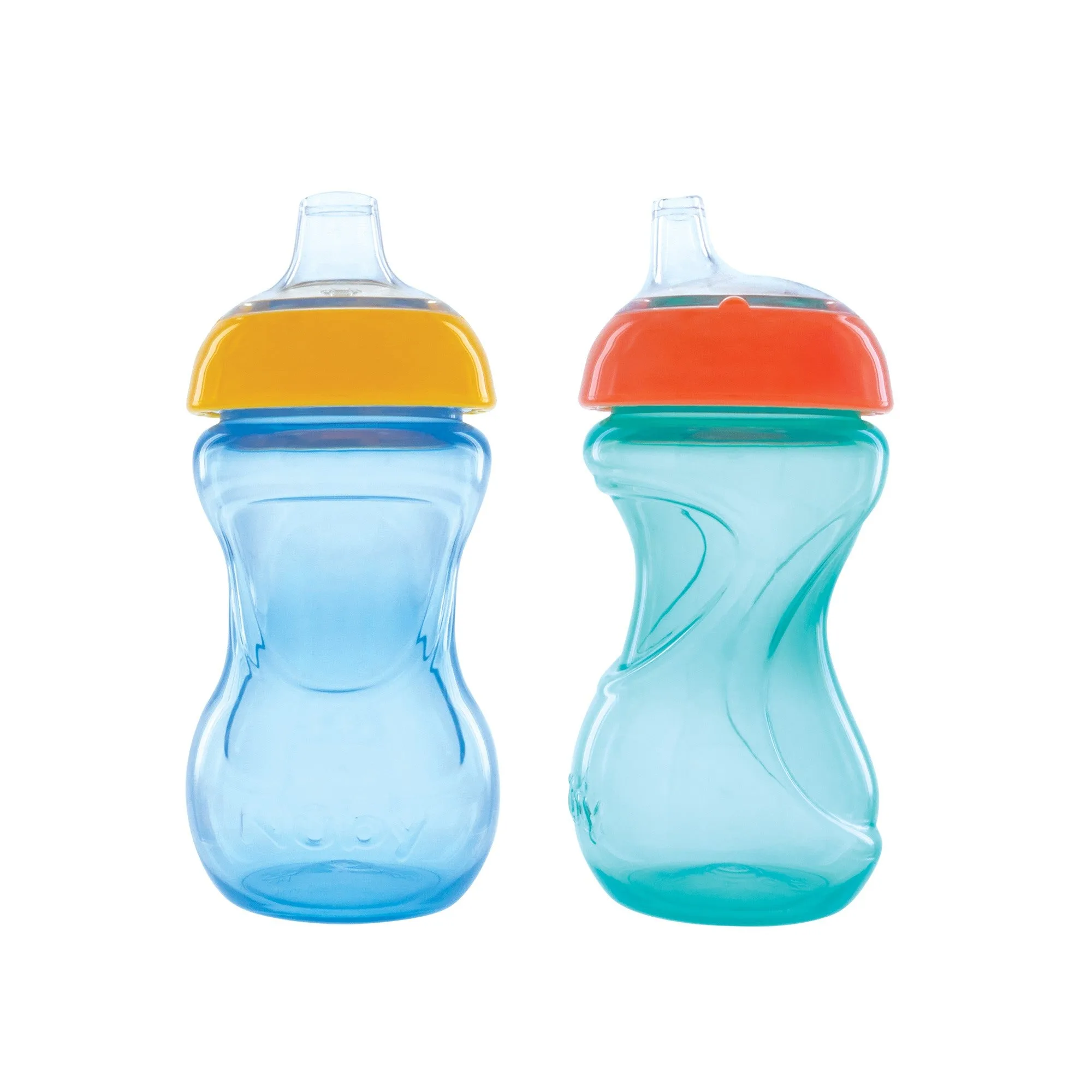
A cup that's too large for small hands gets dropped, squeezed, and tipped, which produces spills that look like manufacturing defects. Mini sizes with an ergonomic shape are easier for little hands to hold securely, which reduces drops and builds confidence as dexterity develops. That's a fit issue, not a leak issue, and no valve will fix it.
Watch your child's grip for a minute. If they need two hands and a lap to keep the cup steady, size down. If they can hold it one-handed and bring it to their mouth without help, the size is right. A cup that fits well gets used more, and a cup that gets used more gets mastered faster.
- Size down before you troubleshoot further.
- A cup your child can hold independently is a cup they'll actually drink from.
- Keep one cup in the diaper bag and one at home to avoid constant packing.
Cleaning Habits That Prevent Repeat Problems
Residue builds up in valves, spouts, and lid crevices, and that buildup can distort the seal or leave a smell your child rejects. Rinse every part immediately after use, then wash with warm soapy water and a small brush that reaches inside the spout. Let all parts air-dry fully before reassembling; trapped moisture encourages mildew, especially in silicone valves.
Skip the temptation to store a cup assembled and full overnight. If a cup has been sitting with milk in it, disassemble and clean it before the next use. A sour smell is a sign to replace the valve, not just wash it harder.
- Disassemble fully for every wash.
- Air-dry parts separately before reassembling.
- Replace valves when they smell sour even after washing.
Sippy Cup Symptom Checker
- Cup drips when tipped upside down: Remove the valve and inspect it for cracks, stretching, or an upside-down install. Reseat it flush, fill with water, and tip over the sink for ten seconds. If it still drips after a new valve, the lid or cup body is the problem. Replace the cup.
- Cup leaks only when squeezed or dropped: Inspect the lid rim and threads for hairline cracks and check that the lid isn't cross-threaded. A cracked rim leaks intermittently and can't be repaired. Cracked lid or body means replace, not repair.
- Baby turns away or chews the spout: Switch to a soft silicone spout, offer room-temperature liquid, and try a smaller cup your baby can hold alone. Offer before a feed, not after. If refusal continues past two weeks alongside other oral aversions, ask your pediatrician.
- Cup is constantly dropped: This is a grip and size issue, not a leak issue. Move to a mini cup with an ergonomic shape sized for small hands. A cup your child can hold independently is the fix.
- Cup smells sour after washing: Disassemble every part, scrub inside the spout with a small brush, and air-dry fully before reassembling. If the smell persists, replace the valve or the cup.
Products That Address These Problems
- Mini Gripper Soft Spout Sippy Cup (2 Pack): Its mini size and ergonomic shape are designed for a comfortable, secure grasp for small hands, and each cup features a soft silicone spout that helps prevent drips and spills while being gentle on sensitive gums. If your problem is drops and spills from a cup that's too big, or a hard spout your baby refuses, this addresses both the fit and the comfort issue at once.
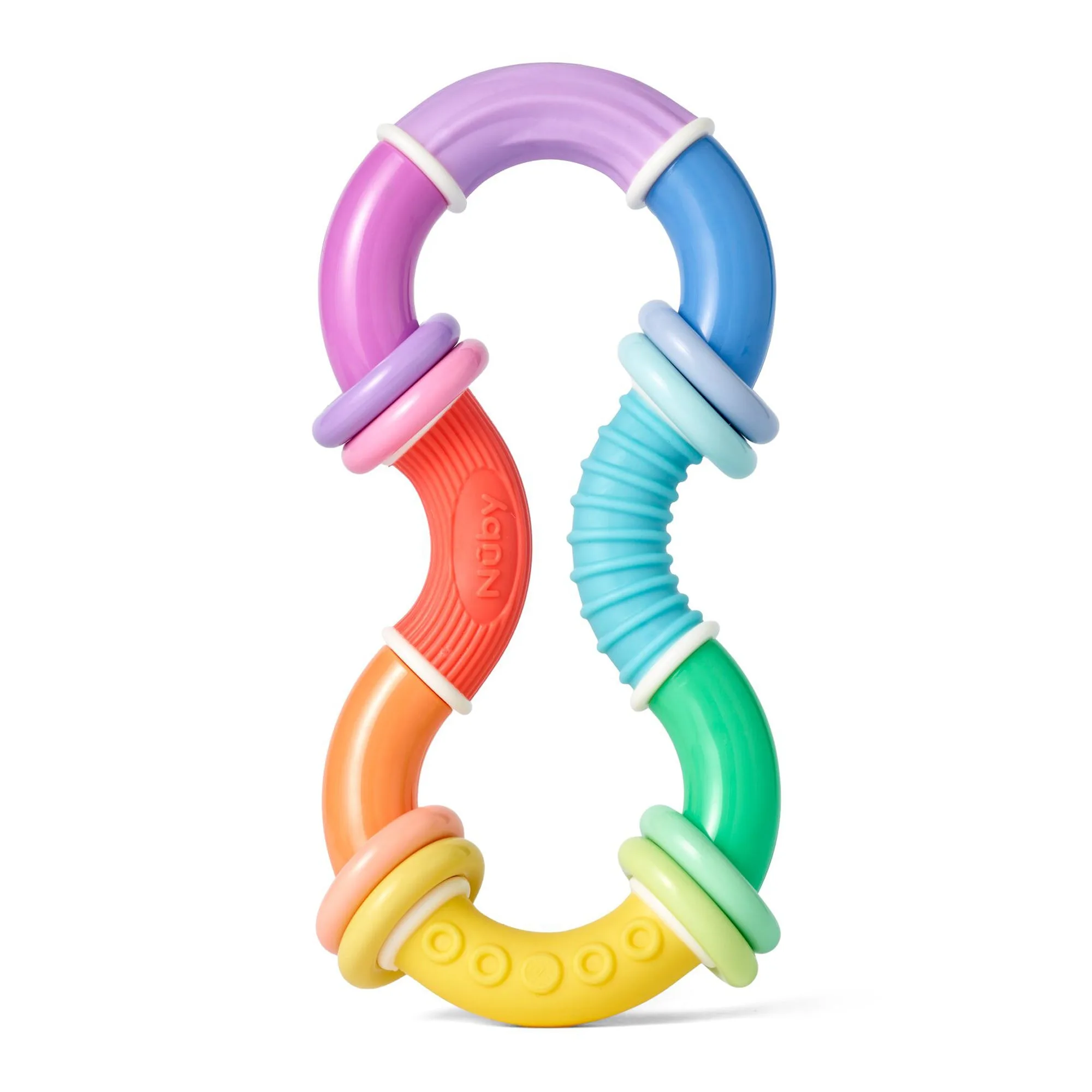
- Twista Rattle Teether Toy | Colorful Rings: Featuring bright colors and fun sounds, it stimulates baby's senses and helps develop dexterity and hand-eye coordination, with textured surfaces that provide relief. If your baby chews the sippy spout instead of drinking, a dedicated teether gives sore gums a better outlet and keeps the cup for drinking.
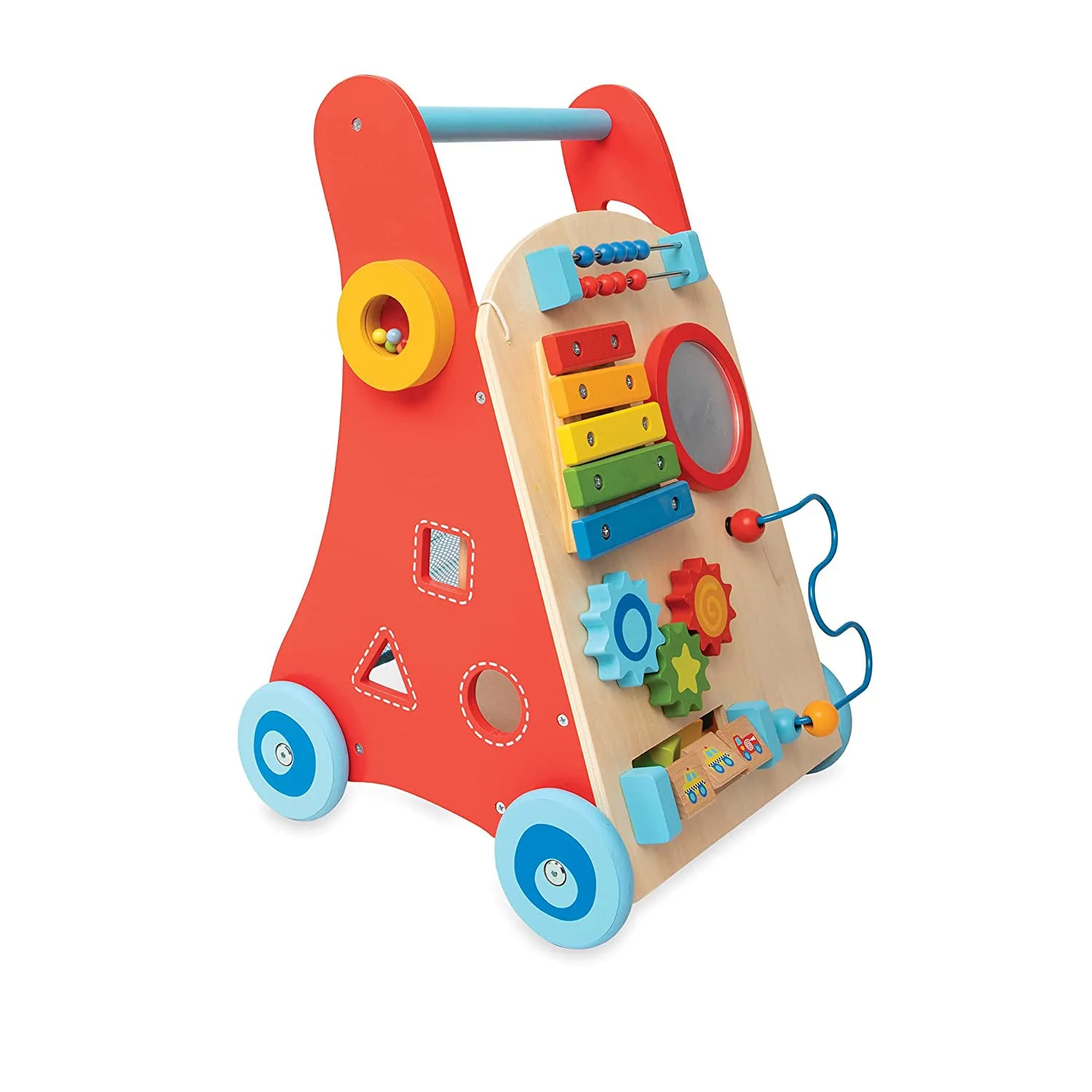
- Wooden Baby Walker: The walker's push and pull function encourages first steps by providing sturdy support for little hands to hold on to, helping children build confidence and independence. If your toddler is in a developmental leap toward walking, a walker gives that new energy a destination, which often reduces the urge to fling the cup for entertainment.
Start with the valve, then the fit, then the drink, then the cup. Most sippy cup problems resolve at one of those four checkpoints, and the ones that don't are usually telling you it's time for a different cup or a straw.