Quick answer
Choose a handmade sisal tote bag when you want a structured, textured carryall for shopping and errands, and check the weave tightness, handle attachment, and fair trade sourcing before you buy. If you need a packable or rain-proof bag, a woven straw tote is the wrong tool.
Why sisal behaves differently from straw or cotton
Sisal is a plant fiber woven into a firm, textured fabric, so a sisal everyday tote holds its shape better than a soft straw bag and stands up to repeated loading and unloading. That structure is the main reason to pick sisal for errands: it stays open while you pack groceries or run between shops.
The trade-off is weight and stiffness. A dense sisal weave is heavier and less foldable than cotton or thin straw, so it suits a car, bike basket, or short walk better than a long hike. It also has a rougher hand feel, which matters if you carry it against bare skin.
Weave and handle checks that predict durability
Inspect the weave for gaps and loose ends, especially at the base corners and where the handles meet the body. A tight, even weave resists snagging and stretching; a loose weave can sag once loaded.
Handle attachment is the most common failure point. Look for handles woven into the bag body or reinforced with multiple rows of stitching rather than a single stitched tab. If you plan to carry heavy items, prioritize this over decorative details.
What fair trade actually changes for a woven tote
A fair trade tote bag should come with clear information about who made it and under what terms. Ask the seller for the maker group or region and whether pricing supports the artisans; vague claims without names or places are a warning sign.
Handmade construction means slight variation in shape, color, and size between bags. Treat that as a feature of the craft, not a defect, but confirm the seller's return policy in case the variation does not suit you.
Decision rules for buying a sisal errand tote
- Match the weave to your load: If you carry groceries or bulky items, choose a tight, dense weave with reinforced base corners. If you mostly carry light items like a wallet and a book, a looser weave is acceptable and often lighter. Weigh a typical errand load before choosing weave density.
- Check handle attachment before anything else: Choose handles woven into the body or reinforced with multiple stitching rows if you plan to carry weight. Single-stitched tabs are fine only for light daily use.
- Verify fair trade sourcing with specifics: Ask for the maker group, region, or sourcing statement. If the seller cannot name who made the bag, treat the fair trade claim as unverified. Save the seller's sourcing reply with your order records.
- Decide on size by your transport: A generous tote suits car, bike basket, or short walks. If you commute on crowded transit or walk long distances, size down or choose a lighter bag.
Product facts
-
ENDURE HANDMADE SISAL TOTE BAG: Handmade sisal construction gives each bag its own character and a durable, woven texture. Expect small variations between bags and a firm, textured feel that suits structured errand carrying.
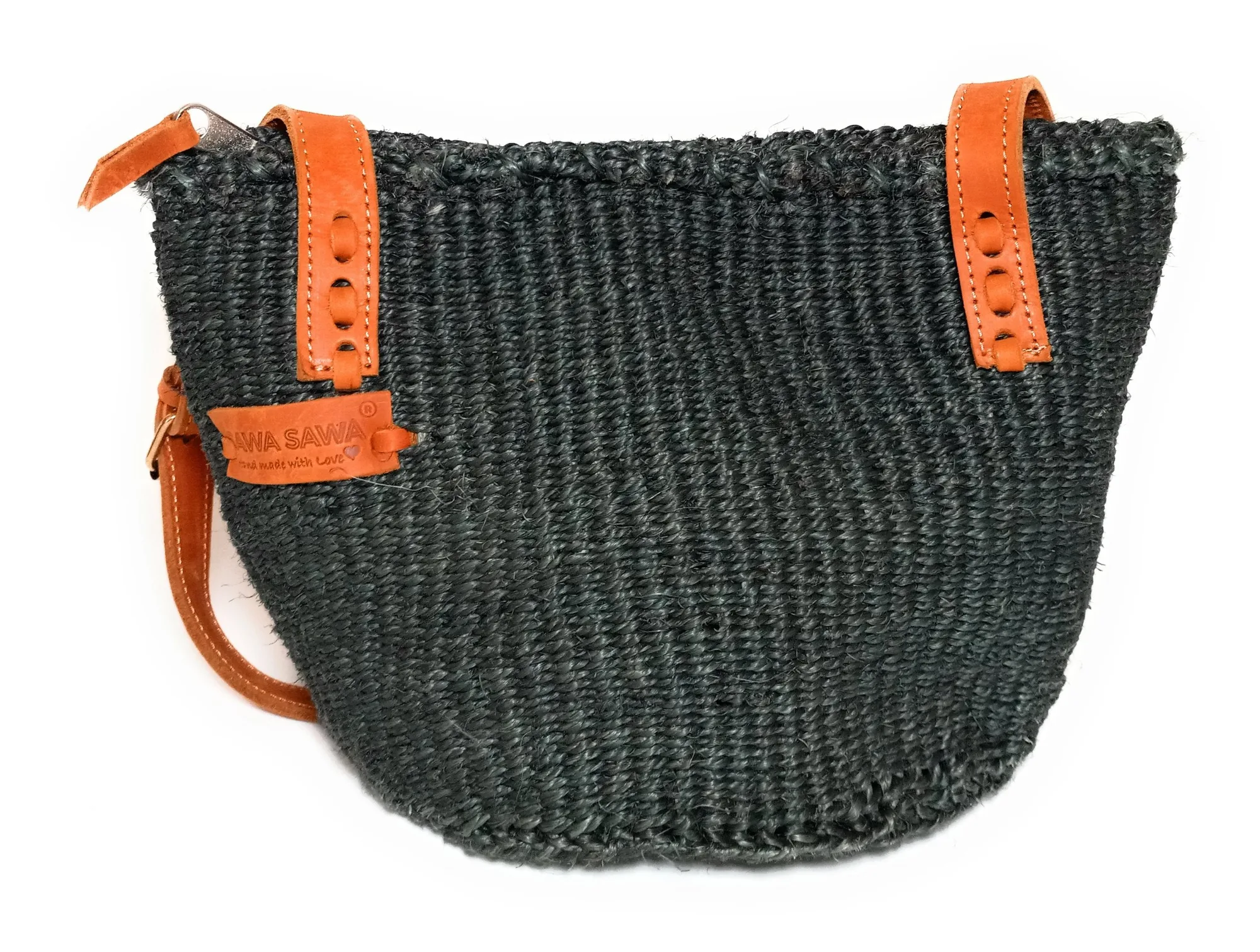
ENDURE HANDMADE SISAL TOTE BAG
-
ENDURE HANDMADE SISAL TOTE BAG: Generous tote sizing provides practical space for daily use. A larger body fits shopping and errands, but check that the handles and base can handle the load you plan to carry.
Who should choose a sisal everyday tote
Best for
- Shoppers who want a structured, textured tote for groceries and errands
- Buyers who value handmade character and are willing to check fair trade sourcing
Not for
- Travelers who need a packable bag that folds flat
- Anyone who needs a rain-proof or fully washable everyday bag