Quick Answer
Carry Sissy Stix if your hunt revolves around glassing and taking supported shots from a seated or kneeling position. Carry trekking poles if you cover steep, rough miles and need walking stability more than a shooting rest. Some hunters carry both, but that only makes sense when the terrain demands it and you have trained with the extra weight.
What Each Tool Actually Does
Sissy Stix are a dedicated shooting support. They are designed to steady your rifle or binoculars when you are glassing or preparing to shoot, and they work best when you can sit, kneel, or brace against terrain. They are not built for walking. If you try to hike with them as your primary poles, you will notice the difference immediately.
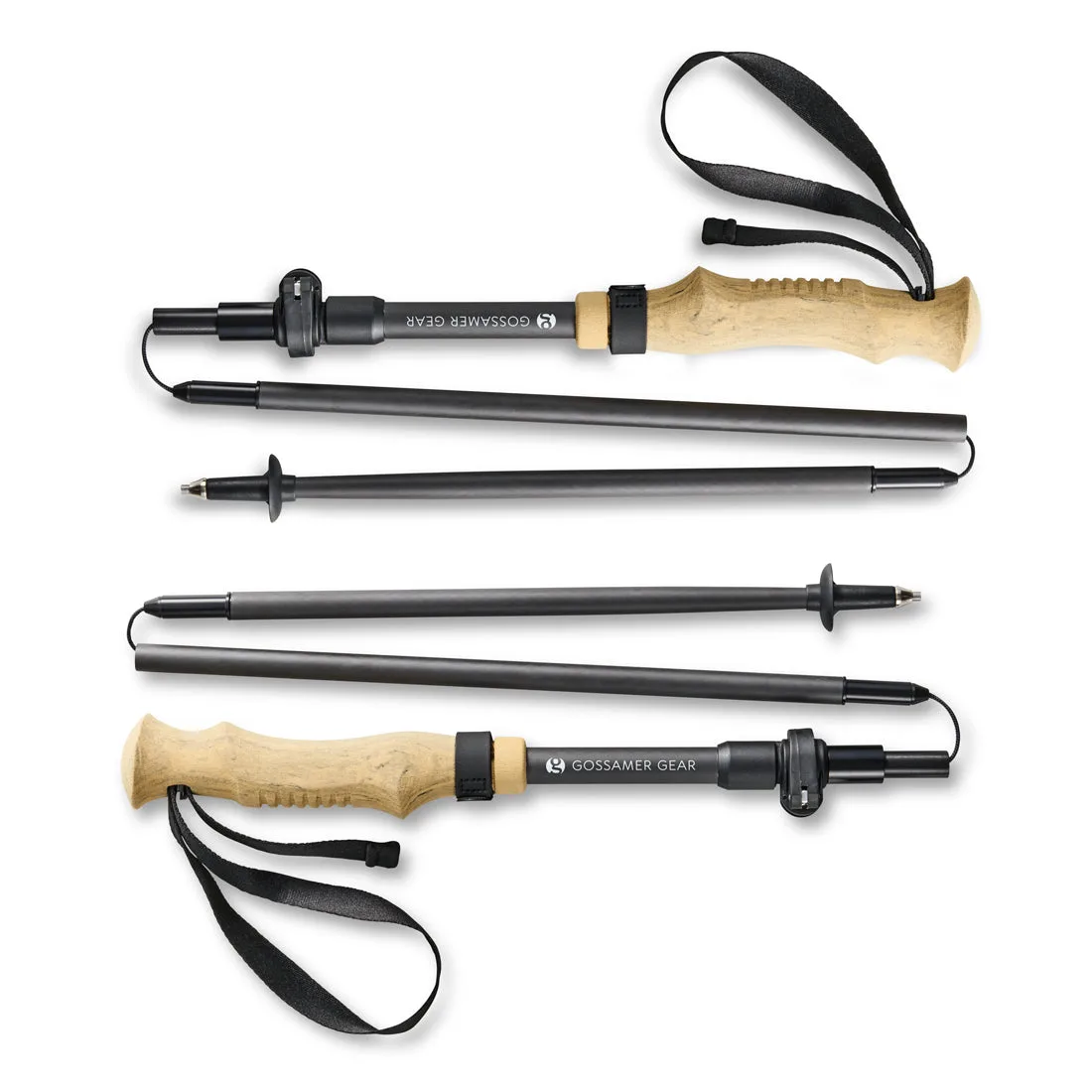
Trekking poles are a walking aid first. They help you keep balance on steep descents, reduce strain on your knees, and give you something to push against on climbs. Some hunters use them as an improvised rest, but they are not purpose-built for shooting. That distinction matters when you are trying to hold steady on an animal at distance.
When Sissy Stix Make More Sense
If your hunt involves long hours behind glass in open country, Sissy Stix give you a stable platform without requiring you to find a rock or tree. They shine when you are set up on a vantage point and need to stay steady for a shot that could come at any moment. Hunters who prioritize shot opportunity over miles covered often find them worth the pack space.
They are also a good fit for hunters who struggle to get steady from a seated position. The support they provide can make the difference between a clean shot and a rushed one. That said, they are not designed to help you move efficiently through rough terrain.
When Trekking Poles Make More Sense
If your hunt requires covering serious vertical gain or side-hilling across loose rock, trekking poles earn their weight. They reduce the chance of a fall, save your legs on descents, and let you move faster with less fatigue. For hunters who prioritize mobility and terrain coverage, they are hard to beat.
Trekking poles can double as a rest in a pinch, especially if you can brace them against a pack or tree. But they are not a substitute for a dedicated shooting support when precision matters. If you plan to take long shots, you will want a more stable option.
The Weight and Space Trade-Off
Every piece of gear you carry has a cost. Sissy Stix add weight and bulk, but they solve a specific problem: steady shooting. Trekking poles also add weight, but they pay you back with every step on uneven ground. The question is which problem you are more likely to face on your hunt.
If you are hunting wide-open country where shots are long and glassing is the main activity, the scale tips toward Sissy Stix. If you are hunting deep timber or steep mountains where you need to move quietly and efficiently, trekking poles are the better call. Carrying both is possible, but it only makes sense if you have the fitness and pack space to manage the extra load.
How to Decide for Your Next Hunt
Start by mapping your hunt. Estimate how many miles you will cover, what the terrain looks like, and how you expect to take a shot. If most of your time will be spent behind glass and your shots will come from a seated or kneeling position, Sissy Stix are the clear choice. If you will be covering miles and need help staying upright, trekking poles are the better tool.
Consider your shooting style, too. If you are comfortable shooting off a pack or natural rest, you may not need Sissy Stix. If you struggle to get steady without a dedicated rest, they are worth the weight. And if you already carry trekking poles, try using them as a rest in practice before you commit to adding another piece of gear.
Trade-Offs at a Glance
- Sissy Stix: Stability vs. Mobility: Sissy Stix give you a dedicated shooting rest that steadies your aim from seated or kneeling positions. The trade-off is that they are not designed for walking, so you will not get the hiking support that trekking poles provide. Choose Sissy Stix if shot stability is your top priority.
- Trekking Poles: Mobility vs. Shooting Support: Trekking poles help you move efficiently and safely over rough ground, saving energy and reducing fall risk. The trade-off is that they are not a purpose-built shooting rest, so you may need to find another way to steady your rifle. Choose trekking poles if covering terrain is your main challenge.
- Carrying Both: Capability vs. Weight: Carrying both tools gives you the benefits of each, but adds weight and bulk to your pack. It only makes sense if you have trained with the extra load and your hunt genuinely requires both walking support and a dedicated rest. Only carry both if the terrain and your shooting style demand it.
Gear That Supports Your Decision
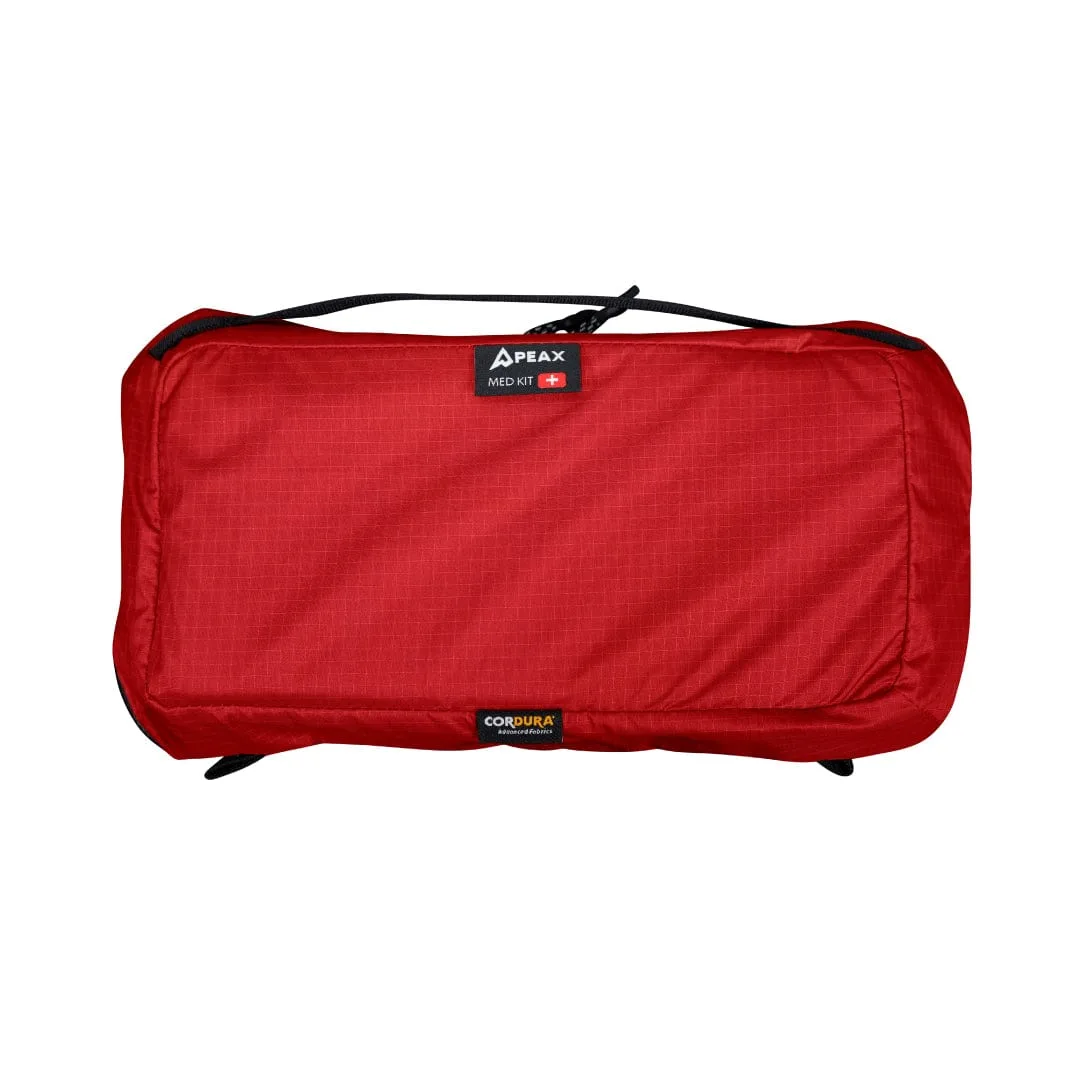
- FIRST AID KIT: The PEAX Hunting First Aid Kit provides critical medical supplies to help hunters manage injuries, stabilize emergencies, and respond with confidence when professional care is hours away. Whether you carry Sissy Stix or trekking poles, a first aid kit is non-negotiable in the backcountry. It covers the unexpected so you can focus on the hunt.
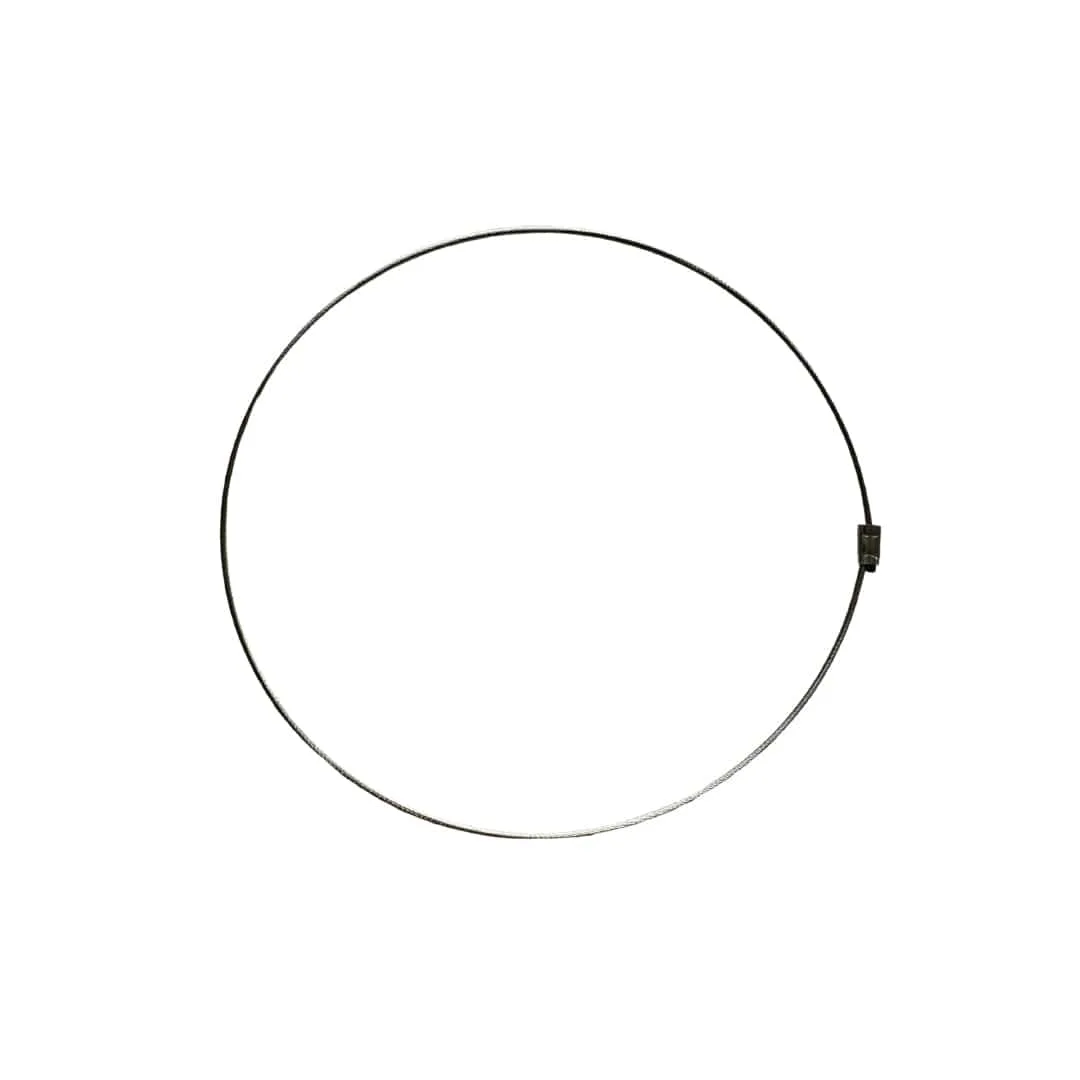
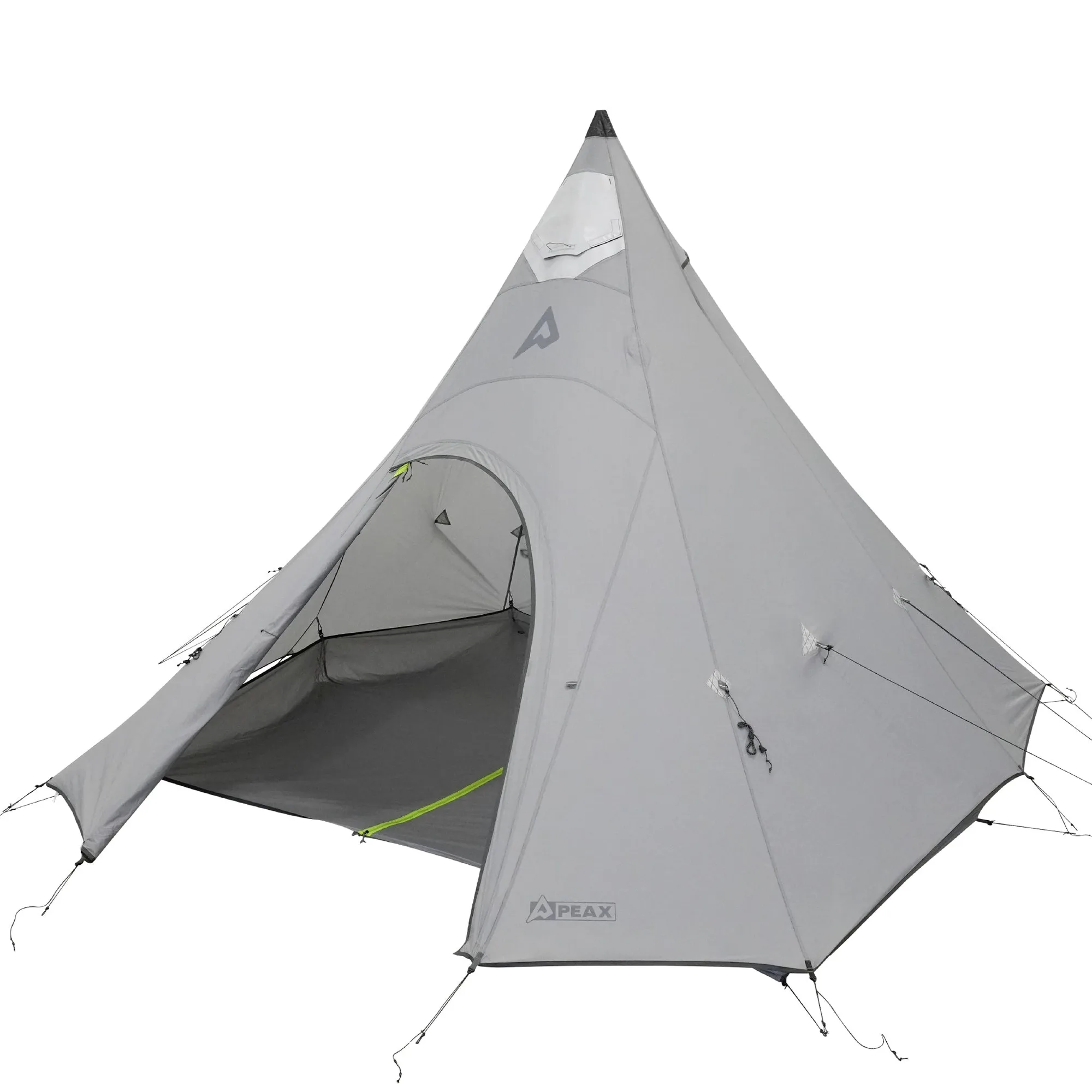
- STOVE PIPE RING: Built from durable stainless steel, this 3" spare Stove Pipe Ring is designed to secure your Torrid Stove Pipe—or any compatible 3" pipe. If your hunt involves a hot tent, a spare pipe ring is a small, light backup that keeps your stove running safely. It is the kind of item that earns its place in your repair kit.
Which Should You Carry?
Best for
- Hunters who spend long hours glassing and need a steady rest for seated or kneeling shots
- Hunters who struggle to get stable without a dedicated shooting support
- Hunts in open country where shot opportunity matters more than miles covered
Not for
- Hunters who need walking stability on steep, rough terrain
- Hunts where covering serious vertical gain is the main challenge
- Hunters who already shoot accurately off a pack or natural rest