Quick answer
Sleeping bag temperature ratings are not a promise of comfort. They are standardized test results that estimate the lowest temperature at which an average sleeper stays warm. The comfort rating is the temperature at which a cold sleeper stays comfortable, while the limit rating is the lowest temperature a warm sleeper can survive in a curled position. For most campers, the comfort rating is the number to trust for a good night's sleep.
What does a sleeping bag temperature rating actually mean?
A temperature rating is the result of a standardized lab test (EN 13537 or ISO 23537) that measures how well a bag insulates. It tells you the approximate temperature range where an average person can sleep without shivering. It is not a thermostat setting. Factors like your metabolism, what you wear to bed, what you eat before sleep, and whether you use an insulated sleeping pad all change how warm you feel. The rating is a starting point, not a guarantee.
What is the difference between comfort and limit ratings?
The comfort rating is the temperature at which a cold sleeper (often women) can sleep comfortably. The limit rating is the temperature at which a warm sleeper (often men) can sleep for eight hours without waking up cold, curled in a fetal position. The extreme rating is a survival-only number and should never be used for planning. When you shop, look at the comfort rating if you sleep cold, or the limit rating if you sleep warm. For most three-season camping, choose a bag with a comfort rating at least 10°F below the lowest temperature you expect.
How do I choose a sleeping bag for 4-season camping?
Four-season bags are designed for winter conditions and typically have a comfort rating around 0°F to 20°F. They use more insulation, often a draft collar, and a hood that cinches tight. But a bag alone is not enough. You also need a sleeping pad with a high R-value (5 or above) to insulate you from the frozen ground. For extreme cold, consider a bag with a limit rating below 0°F and pair it with a liner. Remember that ratings assume you are wearing a base layer and using a pad.
How do I read sleeping bag specs without getting confused?
Ignore marketing terms like 'ultralight' or 'expedition' until you check the numbers. Look for the EN/ISO comfort and limit ratings, the fill type (down or synthetic), fill weight, and total weight. Also check the shoulder and hip girth to ensure the bag fits you—a bag that is too tight compresses insulation and feels colder. If a spec is missing, treat it as a red flag. For example, if a bag claims a 0°F rating but lists no fill weight, be skeptical. Cross-reference with user reviews for real-world feedback.
Frequently asked questions
Can I trust the temperature rating on a budget sleeping bag?
Budget bags often use the extreme rating in marketing, which is misleading. Look for the comfort rating and check if the bag is EN/ISO tested. If not, assume the rating is optimistic and add a margin of safety. Always prioritize the comfort rating and add 10°F for safety.
Do I need a sleeping bag liner to boost warmth?
A silk or fleece liner can add 5-15°F of warmth depending on material. It also keeps your bag clean. But it adds weight and cost. For occasional cold snaps, a liner is a flexible solution. Liners are a lightweight way to extend a bag's range.
How does my sleeping pad affect my bag's rating?
A bag's rating assumes you are using a pad with an R-value of at least 4. If your pad is thin or uninsulated, you will feel cold from the ground even if your bag is rated for the temperature. Invest in a quality insulated pad. No bag can compensate for a cold ground; match your pad to the season.
Product facts
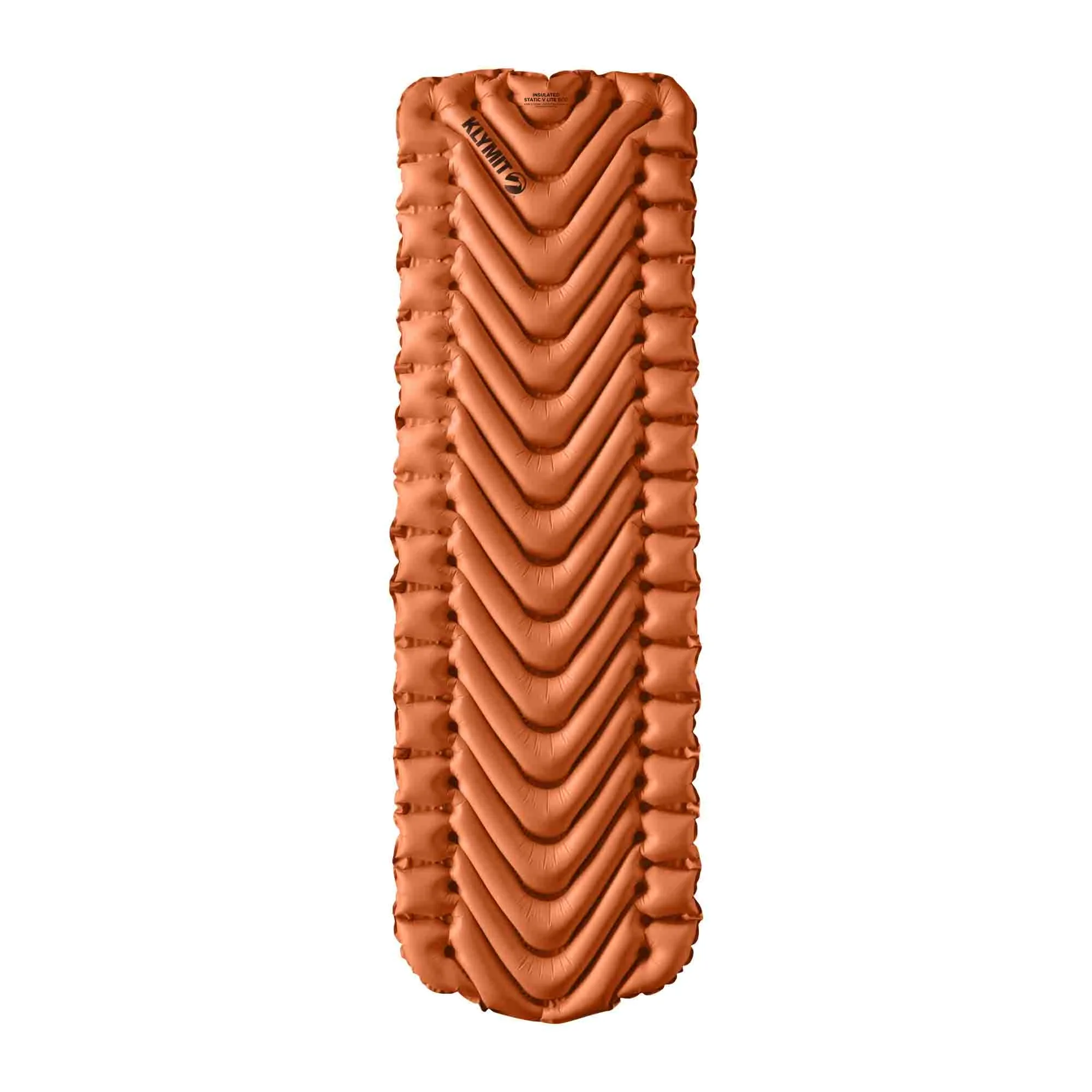
- Insulated Static V Lite Eco™ Sleeping Pad: The Insulated Static V Lite EcoTM Sleeping Pad is designed for four-season backpacking and features Klymit’s patented Body Mapping Technology and V-Chamber design. Integrated side rails keep you centered and prevent air movement. A pad with a high R-value is essential for cold-weather camping; this pad's design helps you stay on it and reduces cold spots, complementing your sleeping bag's rating.
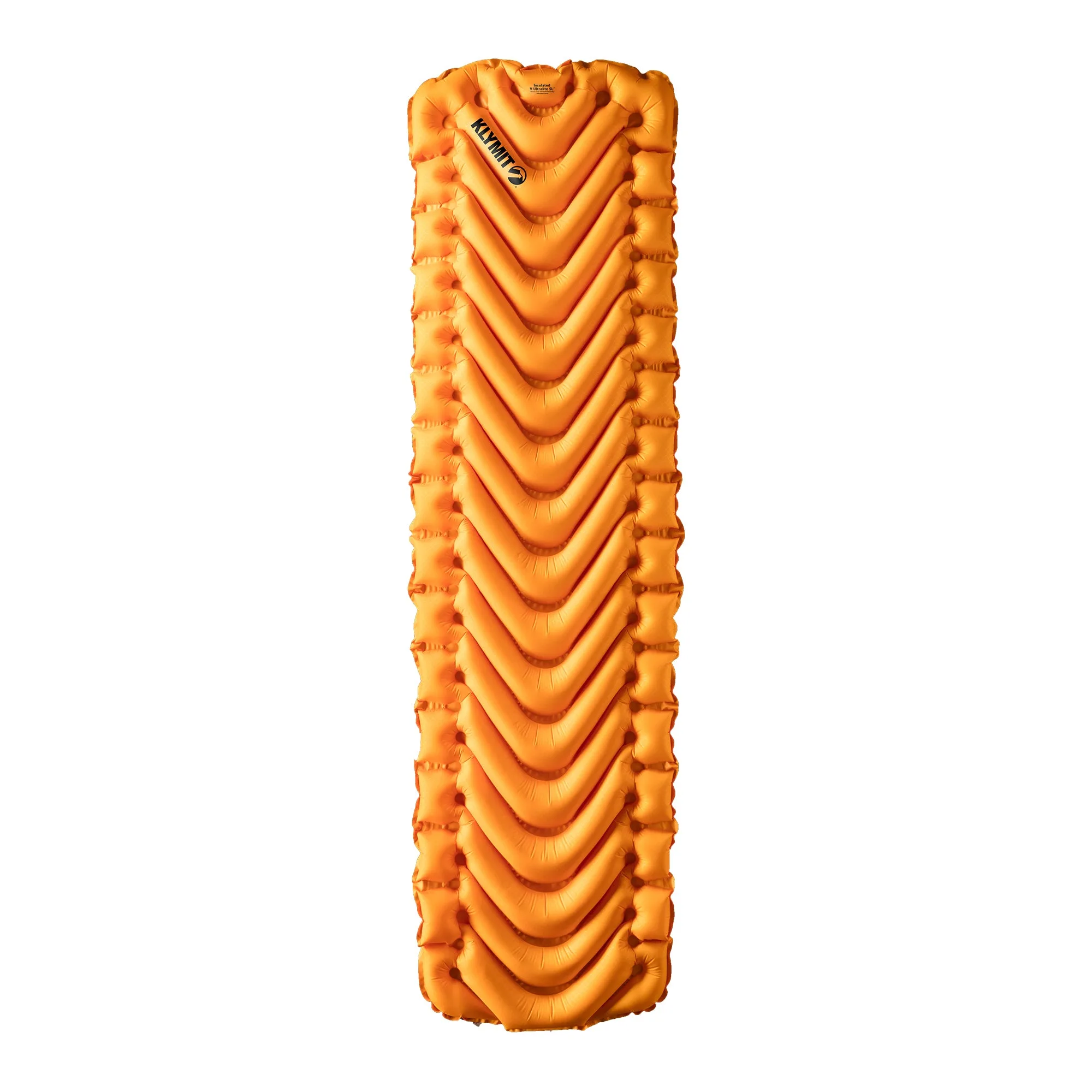
- Insulated V Ultralite SL™ Sleeping Pad: The Insulated V Ultralite SLTM Sleeping Pad uses KlymaliteTM lofted synthetic insulation and a roomy V-Chambered surface for head-to-toe comfort. Synthetic insulation in a pad adds warmth without much weight, making it a good match for three-season or lightweight winter trips when paired with an appropriately rated bag.