Quick answer
For most people, the best fabric for sleepwear is a breathable knit with a soft handfeel and a small amount of stretch, such as Lenzing Modal blended with polyamide and elastane. Prioritise the waistband and fit over the label: a fabric you love will still sit in the drawer if the band digs, rolls or slips overnight.
Start with how the fabric feels, not the fibre name
Fibre names tell you less than the knit does. A loosely knitted modal jersey breathes and drapes differently from a dense, tightly knitted modal. Before you buy, pinch the fabric: if it springs back quickly without feeling stiff, it will usually hold shape through the night. If it feels papery or has no give, expect it to cling or bag.
Breathability and moisture: what actually matters overnight
You warm up while you sleep, so breathable sleepwear should let heat and moisture escape rather than trap them. Knitted natural fibres and regenerated cellulose fibres like modal are generally more breathable than coated or tightly woven fabrics. A small amount of elastane helps the garment move with you, but a high stretch content can feel warmer and less airy.
Waistbands, seams and the fit problems that ruin good fabric
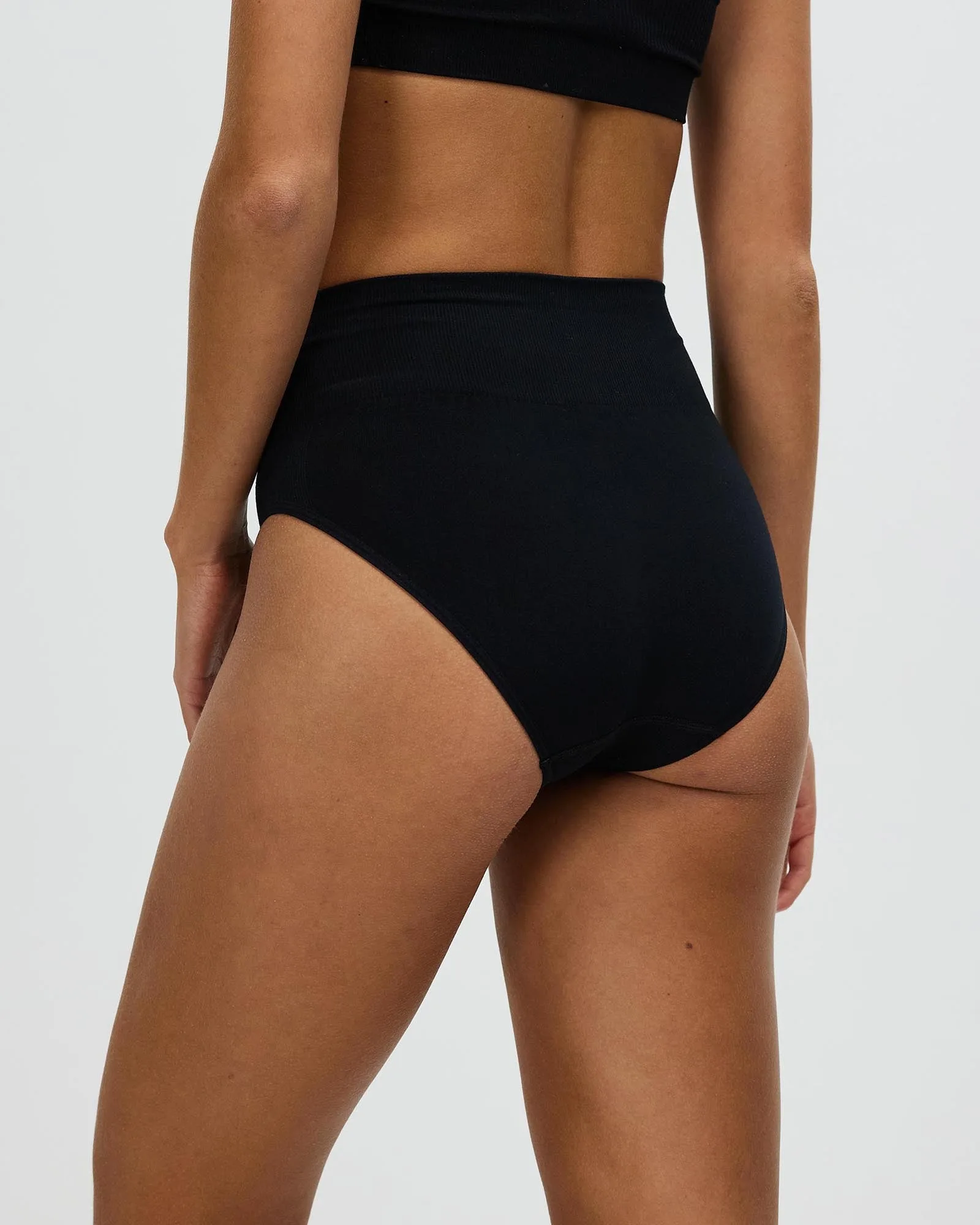
Most sleepwear complaints are structural, not fabric-related. A waistband that is too narrow concentrates pressure; one that is too loose slides down. Semi-seamless construction reduces lines and friction, which matters if you are a restless sleeper. Check the rise too: a high-waisted cut sits differently from a low-rise cut, and the wrong rise will pull no matter how soft the modal is.
How to test sleepwear before you commit to a full set
Buy one piece first, wear it for two nights, then decide. Wash it once the way you normally wash delicates and check whether it holds shape, pills or twists at the waistband. If it passes, build the set. This is cheaper than replacing a full drawer of nightwear that looked right on the hanger but failed after one wash.
Decision rules for choosing sleepwear fabric and fit
- If you sleep hot: Choose a lighter, breathable knit with a minimal cut and a flexible waistband rather than a thick, firm band. Aim for airy coverage over control.
- If you want tummy support: Choose a high-waisted style with a thick, firm waistband, and accept that it will feel more structured than a minimal G string. Support and a barely-there feel are a trade-off, not a combination.
- If you are between sizes: Size up in high-waisted, firm-waistband styles; the band needs to sit flat, not squeeze, to stay comfortable overnight. A band that digs will not improve after washing.
- If you are unsure about the fabric: Buy a single piece or a small pack first, wash it once, and check shape retention before committing to a larger set. Test one, then build the set.
Real sleepwear fabrics in the NATV Basics range
- ChiChi Modal G-String Underwear: ChiChi Modal G-String Underwear in Beech is made from a feather-light, seamless and silky-soft eco-conscious fabric. A light, seamless knit is a good benchmark for breathable sleepwear because it reduces bulk and friction under loose nightwear.
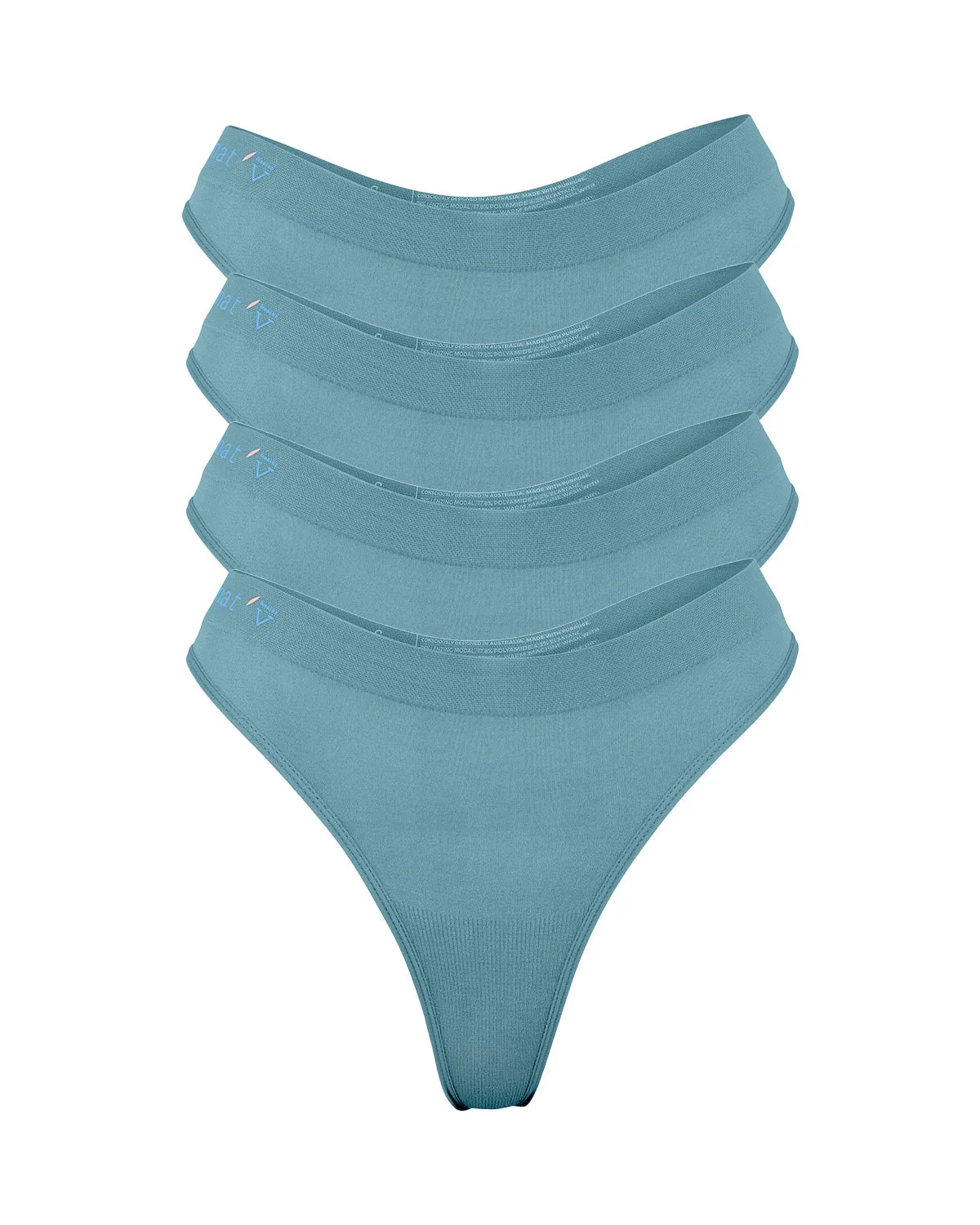
- Cheeky Modal G-String Underwear 4 Pack - Blue: https://natvbasicsrtz.com/products/cheeky-g-string-beech-4-92d159063da6c02ac8fcdf50-1342898https://natvbasicsrtz.com/products/cheeky-semi-seamless-g-string-limited-edition-colours-b-c07e3ebab039b73e43b188ae-1342636Cheeky Modal G-String Underwear 4 Pack - Blue uses luxe Lenzing Modal blended with polyamide and elastane, with a flexible waistband that stays put, no digging or slipping, and semi-seamless construction. The flexible waistband and semi-seamless finish show how a small amount of stretch and a well-designed band solve the two most common overnight fit problems.
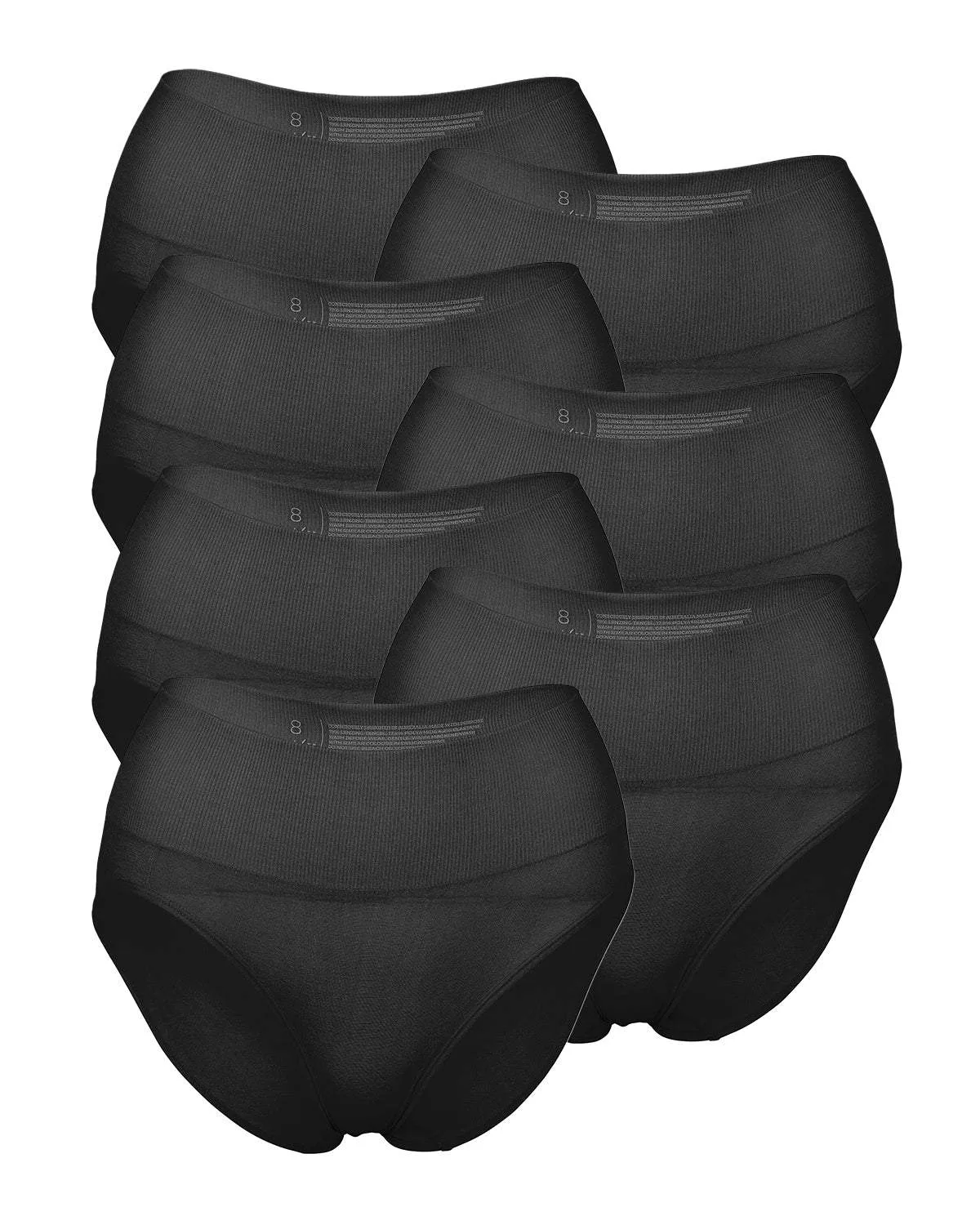
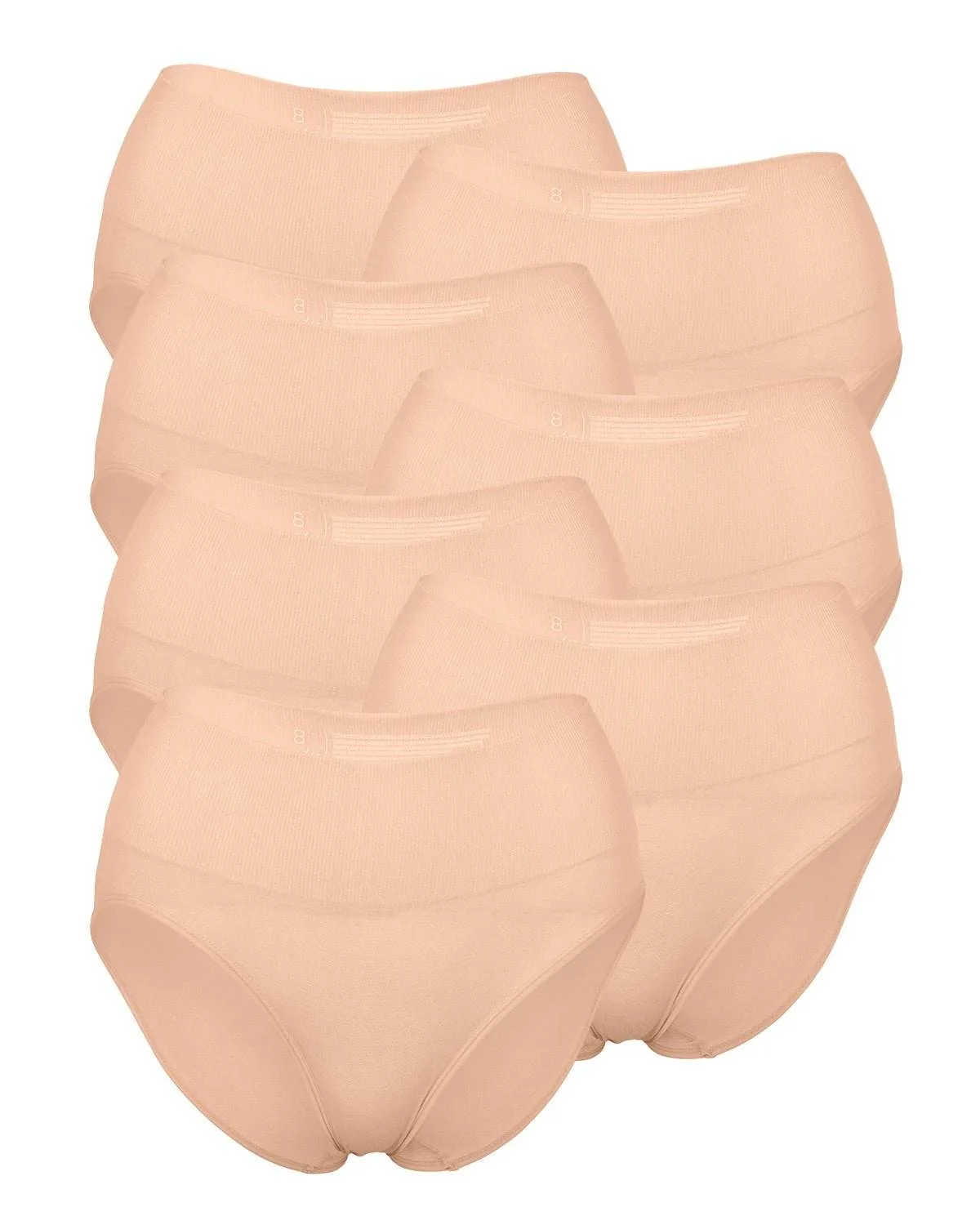
- ChiChi Modal Brief Underwear 7 Pack - Black: https://natvbasicsrtz.com/products/chichi-support-brief-bone-7-69e971ea0564c6f1e8d98c27-1342882ChiChi Modal Brief Underwear 7 Pack - Black is a high-waisted, shape-shifting bikini brief with a thick, firm waistband and a semi-seamless silhouette, made from 78% Lenzing Modal, 17.8% Polyamide and 4.2% Elastane. If you prefer more coverage and tummy support at night, this shows the trade-off: a firmer band holds you in but feels more structured than a minimal cut.
- ChiChi Modal G-String Underwear 4 Pack: ChiChi Modal G-String Underwear 4 Pack is a high-waisted, shape-shifting G string with a thick, firm waistband, tummy support and control, and a semi-seamless design in 78% Lenzing Modal, 17.8% Polyamide and 4.2% Elastane. This is the middle ground between minimal and structured: a high-waisted cut with support, but still a G string silhouette.
Who this sleepwear approach suits
Best for
- Sleepers who overheat and want breathable, light sleepwear
- Anyone who finds waistbands dig or roll overnight
- People who want a soft modal feel with a small amount of stretch
Not for
- Shoppers who want a firm, structured control garment for all-night wear
- Anyone who prefers a woven or crisp fabric feel
- People who need a specific fibre content not listed in the product details