Quick answer
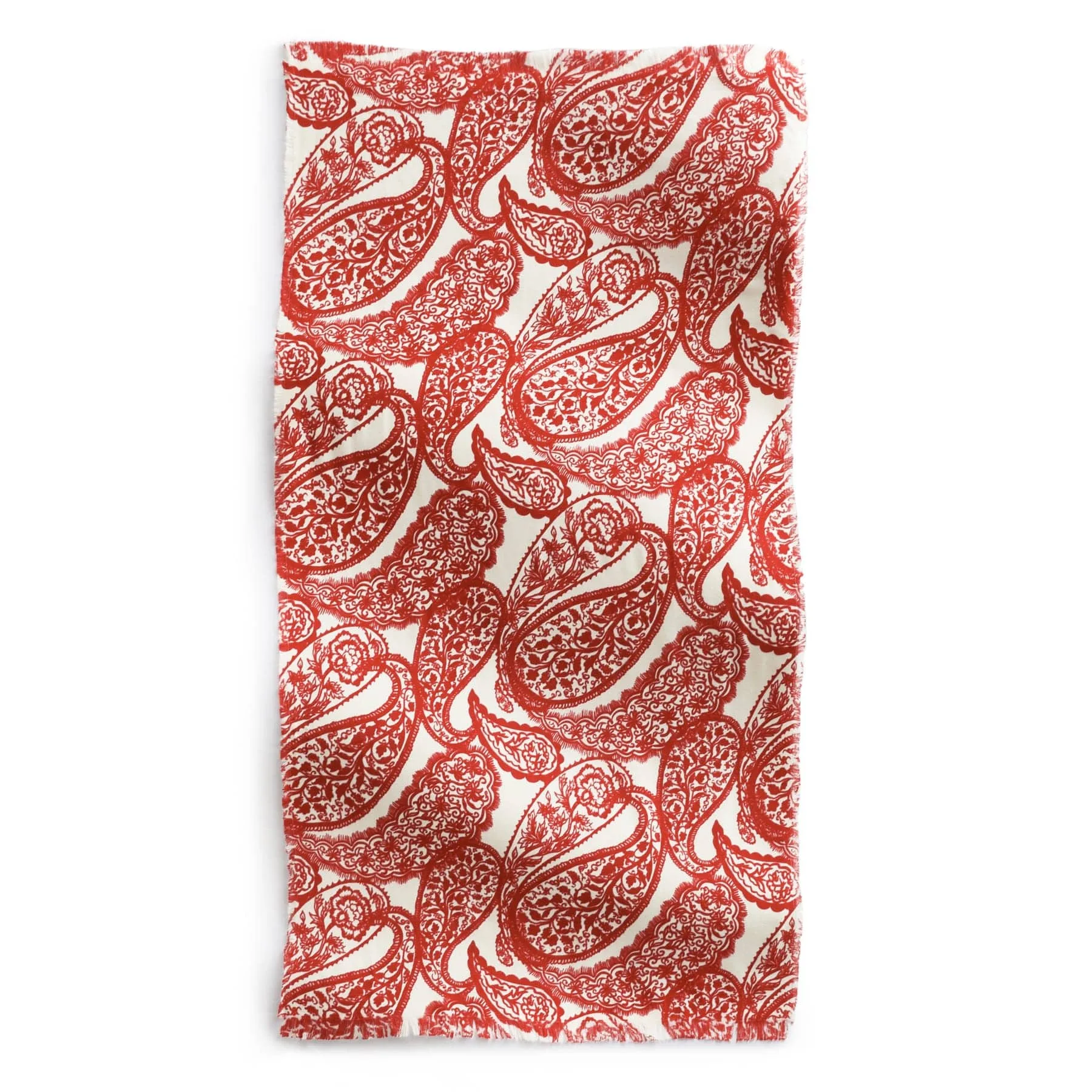
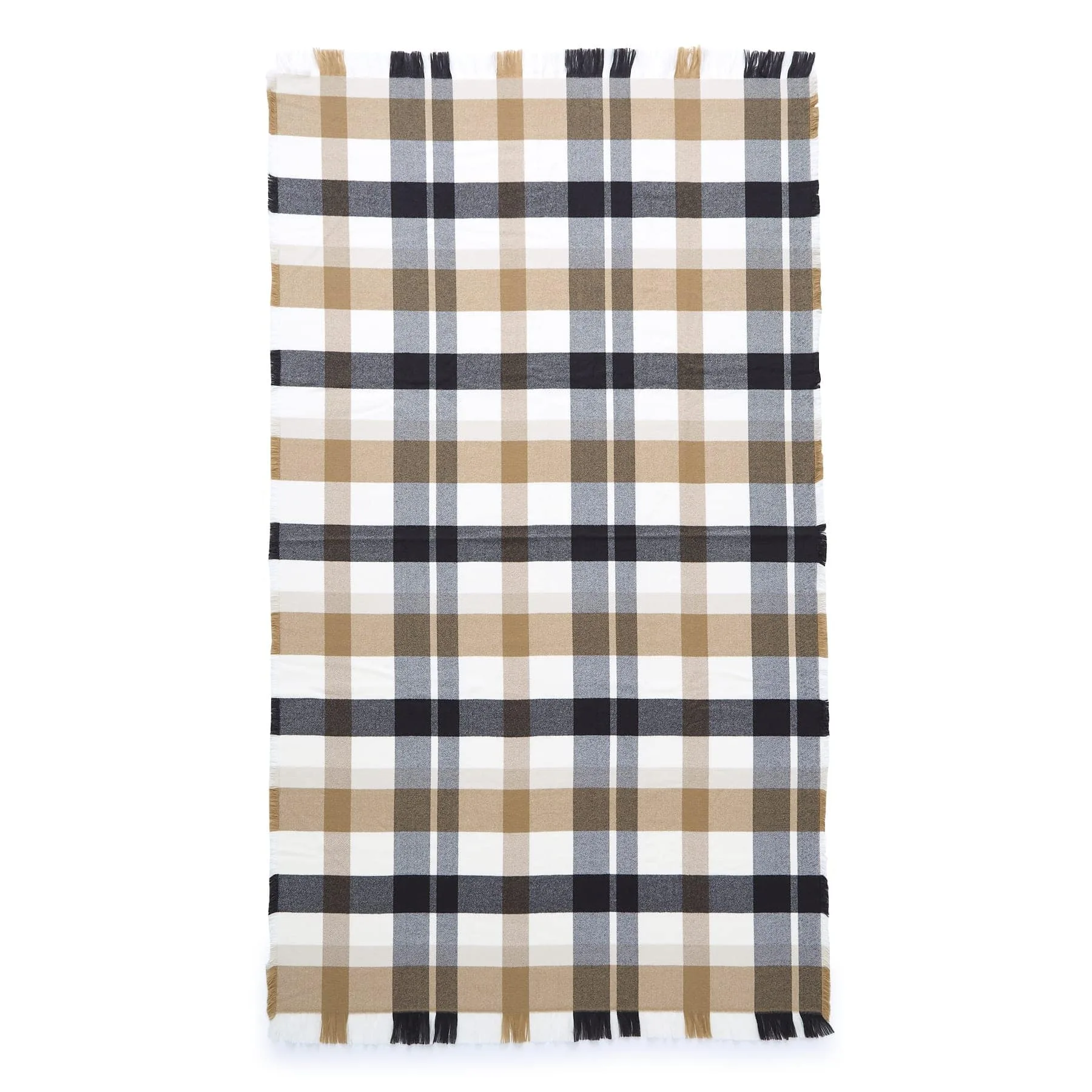
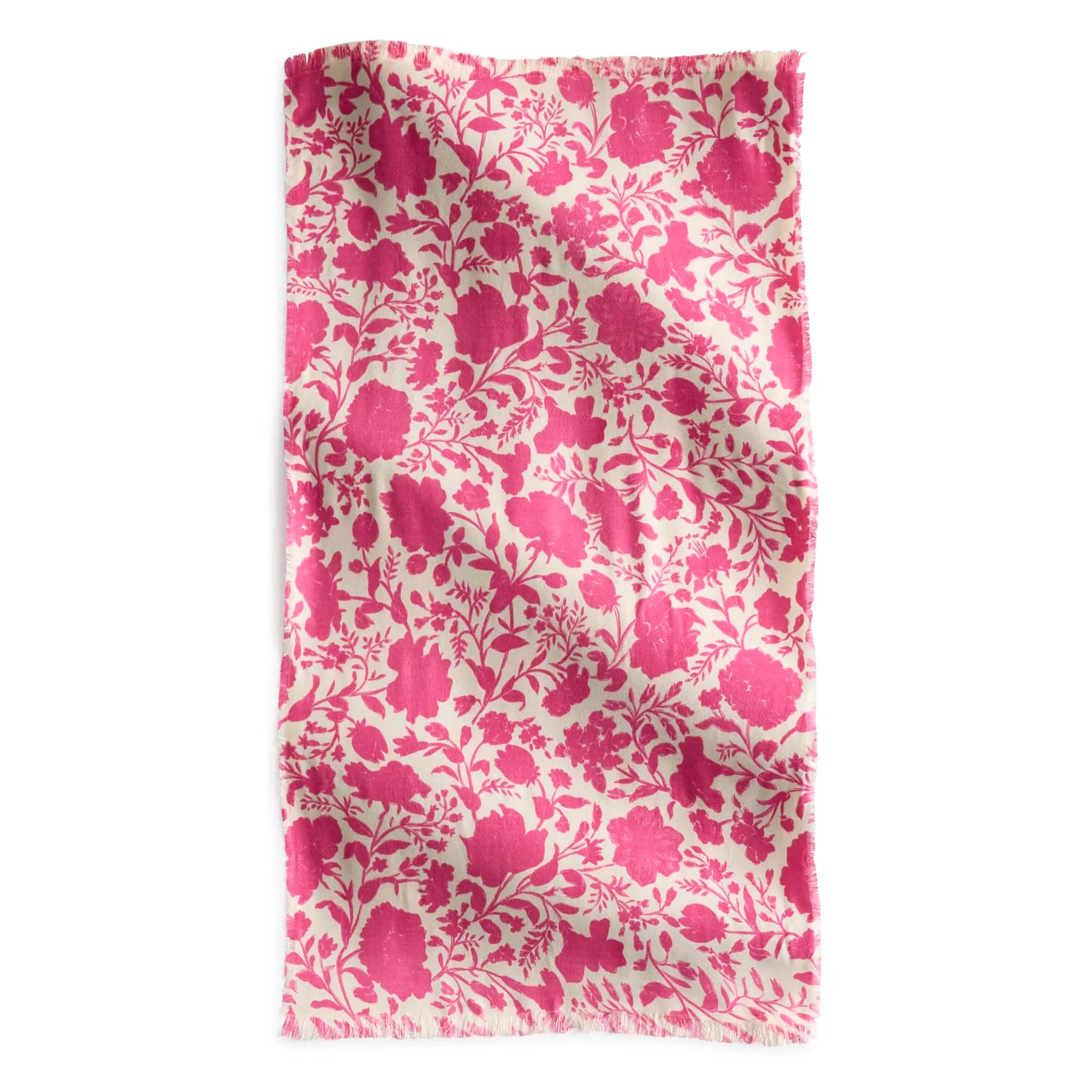
Start with a breathable base layer like a cotton-jersey pajama tee, add insulation only on your core with a https://verabradleyoutletex.com/products/blanket-wrap-5144420670-81accb0d958e7bbfee2a3079-1641055https://verabradleyoutletex.com/products/blanket-wrap-5059620285-8fba435b92bb808d4cd7c97e-1641064https://verabradleyoutletex.com/products/blanket-wrap-5144420594-7f39a92e2192b70fbe5face5-1641065https://verabradleyoutletex.com/products/blanket-wrap-5144420574-4307128f4c9cd6ca4ed728c0-1641076blanket wrap, and keep your feet in soft slippers with a snug but not tight fit. If you still wake up sweaty, remove one layer rather than switching to cooler pajamas. The goal is trapping warm air without sealing in moisture.
Why layering sleepwear beats one heavy set
A single thick pajama set gives you one setting: too hot or too cold. Layering lets you adjust through the night as your body temperature drops then rises. The key is choosing pieces that wick moisture and let air move. Cotton and spandex jersey, for example, stays cozy without getting too warm, which makes it a smart base layer. For a full sleepwear fabric breakdown, see our separate guide—here we focus on how to combine layers for temperature control.
The three-layer system for sleep
Think of your sleepwear in three zones: base, insulation, and extremities. The base layer touches your skin and should be smooth and breathable. The insulation layer adds warmth where you need it most—usually your core—and should be easy to remove. The extremities layer covers feet and hands, which get cold first but can also trigger overheating if they're too insulated. Adjust each zone independently.
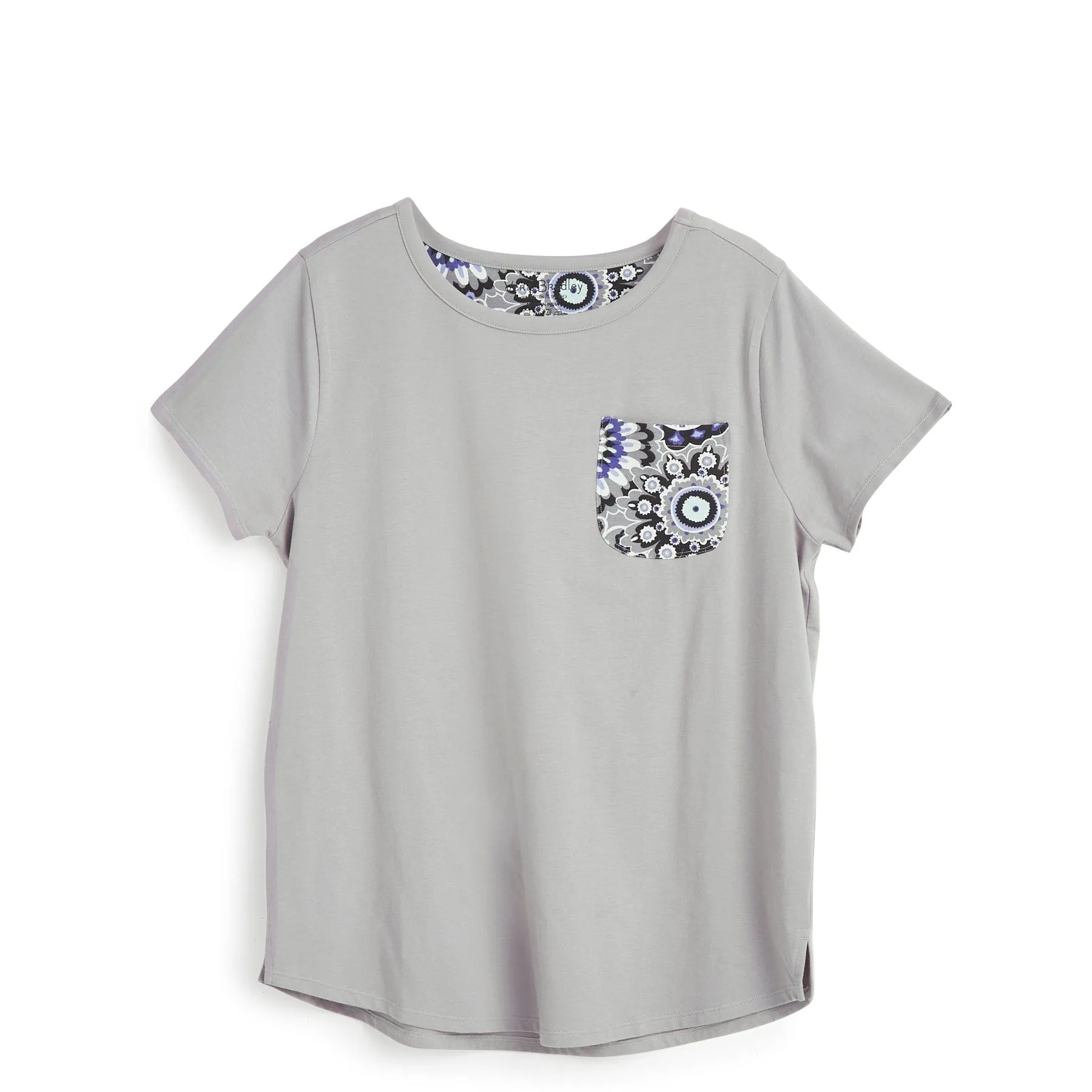
- Base: short-sleeved pajama tee in cotton jersey for breathability
- Insulation: a blanket wrap draped over shoulders or torso, not tucked in
- Extremities: slippers with a fluffy lining but a snug elastic heel
How to tell if you're layering wrong
If you wake up clammy, your layers are trapping moisture. If you wake up cold, you're missing insulation or your base layer is too thin. If you kick off covers but still feel hot, your pajama fabric isn't breathable enough. Use the diagnosis table below to match your symptom to a fix.
Diagnose your sleepwear layering problem
- Symptom: Waking up sweaty or clammy: Likely cause: Your base layer is trapping moisture, or your insulation layer is too thick for the room temperature. Corrective action: Switch to a breathable cotton-jersey base like the Short-Sleeved Pajama Tee, and remove the blanket wrap or use it only over your shoulders. Stop point: If you still overheat after removing one layer, your room is too warm—lower the thermostat or use a fan instead of shedding more clothing.
- Symptom: Cold feet but warm torso: Likely cause: Your extremities are under-insulated while your core is fine. Corrective action: Add Cozy Life Slippers with their fluffy lining; the elastic heel keeps them on without tight socks. Stop point: If your feet still feel cold with slippers, add a thin pair of breathable socks—but if that makes you sweat, your slippers are too warm and you need a lighter option.
- Symptom: Tossing and turning all night: Likely cause: Your layers aren't adjustable, so you can't fine-tune temperature as your body changes. Corrective action: Use a three-layer system: a breathable base, a removable blanket wrap for core warmth, and slippers for feet. Stop point: If you still can't get comfortable after adjusting layers, your sleepwear fabric may be the issue—look for moisture-wicking materials or a different fit.
Sleepwear layers that support temperature control
- Short-Sleeved Pajama Tee: Short-Sleeved Pajama Tee is made of 95% cotton, 5% spandex jersey with a relaxed fit and curved hem vents. Cotton jersey breathes and the side vents let heat escape, so it works as a base layer without overheating.
- Cozy Life Slippers: Cozy Life Slippers have extra fluffy sherpa lining, a padded insole, and elastic in the heel for a snug fit. The fluffy lining adds warmth, but the elastic heel keeps them from slipping off—so your feet stay warm without needing thick socks that can cause sweating.
- Blanket Wrap: Blanket Wrap measures 70.0" w x 38.0" h with fringe detail at edges. The generous size lets you drape it over your core or shoulders only, so you can add warmth precisely where you need it and remove it easily if you get too hot.