Quick answer
Buy socks and tights by the shoe they will be worn with, not by age alone. Measure your child's foot, then add the thickness of the hosiery: a thin cotton sock adds roughly 1–2 mm, a medium terry sock 2–3 mm, and a wool sock or tights 3–5 mm. If the shoe was fitted barefoot, size up half a size for medium socks and a full size for thick wool socks or tights.
Why sock thickness changes shoe fit
A shoe that fits perfectly over a thin cotton sock can become tight and rub when you switch to a thick wool sock or tights. The extra volume pushes the foot forward, shortens the toe box, and can compress the top of the foot. For growing feet, that pressure is not just uncomfortable; it can affect how your child walks and how the shoe wears.
The fix is simple: decide which hosiery your child will wear most often with each pair of shoes, and fit the shoe with that layer on. If you plan to switch between thin and thick socks, choose the shoe size that works with the thicker option, then use a thinner sock on warmer days.
Measure the foot, then add the hosiery
Stand your child on a piece of paper with the heel against a wall. Mark the longest toe and measure in centimeters or inches. Add the thickness of the sock or tights you expect to use. As a rule of thumb, a thin cotton sock adds about 1–2 mm, a medium terry sock 2–3 mm, and a wool sock or tights 3–5 mm.
Then compare that total to the shoe's internal length. Most children need 8–12 mm of growing room in front of the longest toe, but that allowance should be measured with the hosiery on. If you cannot measure inside the shoe, fit the shoe with the sock or tights your child will actually wear and check that you can press a finger between the heel and the back of the shoe.
Match hosiery to shoe type
Different shoes need different hosiery. Winter boots and rain boots usually have a fixed lining and little stretch, so they need a thinner sock than you might think. Sneakers and everyday shoes have more give, so a medium sock often works. Sandals are worn barefoot or with a very thin sock, and tights are usually reserved for dress shoes or cooler days with closed shoes.
If you are between sizes, choose the larger shoe for winter boots and the smaller shoe for sandals. A boot that is slightly too big can be worn with a thicker sock, but a sandal that is too big will slip and cause blisters.
Fabric choices that affect fit and comfort
Cotton is breathable and thin, making it a good match for sneakers and everyday shoes. Wool and wool blends are warmer but thicker, so they work best in boots or when you size up. Tights are usually a cotton or cotton-blend knit; they add warmth without much bulk, but they can be slippery inside a shoe, so choose a shoe with a secure closure.
Avoid socks with heavy seams or lumpy toe caps inside tight shoes. They create pressure points and can make a well-fitting shoe feel too small. If your child wears tights under a closed shoe, check that the heel does not slide up and down when they walk.
Everyday rotation: how many pairs and what to buy
For most children, five to seven pairs of everyday socks and two to three pairs of tights cover a week of wear with laundry. Buy socks in the size that matches the shoe size, not the age on the label, and replace them when the heel starts to thin or the elastic loosens.
If your child wears boots often, keep two thicknesses on hand: a thin cotton pair for milder days and a medium wool blend for cold days. That way you can adjust the fit without changing shoes.
Decision rules for socks, tights and shoe fit
- If the shoe was fitted barefoot: Add half a size for medium socks and a full size for thick wool socks or tights. Always fit the shoe with the hosiery your child will wear most.
- If your child wears boots in winter: Choose a thin or medium wool-blend sock; the boot lining already provides warmth and volume. A thick sock in a lined boot can make the fit too tight.
- If you are buying tights for school shoes: Pick a smooth, low-bulk cotton blend and check that the heel does not slip when walking. Slippery tights need a shoe with a secure strap or lace.
- If you are between two sock sizes: Size up for boots and down for sandals; socks that are too small will stretch and thin quickly. Sock size should follow shoe size, not age.
Shoes that work well with these sock and tights rules
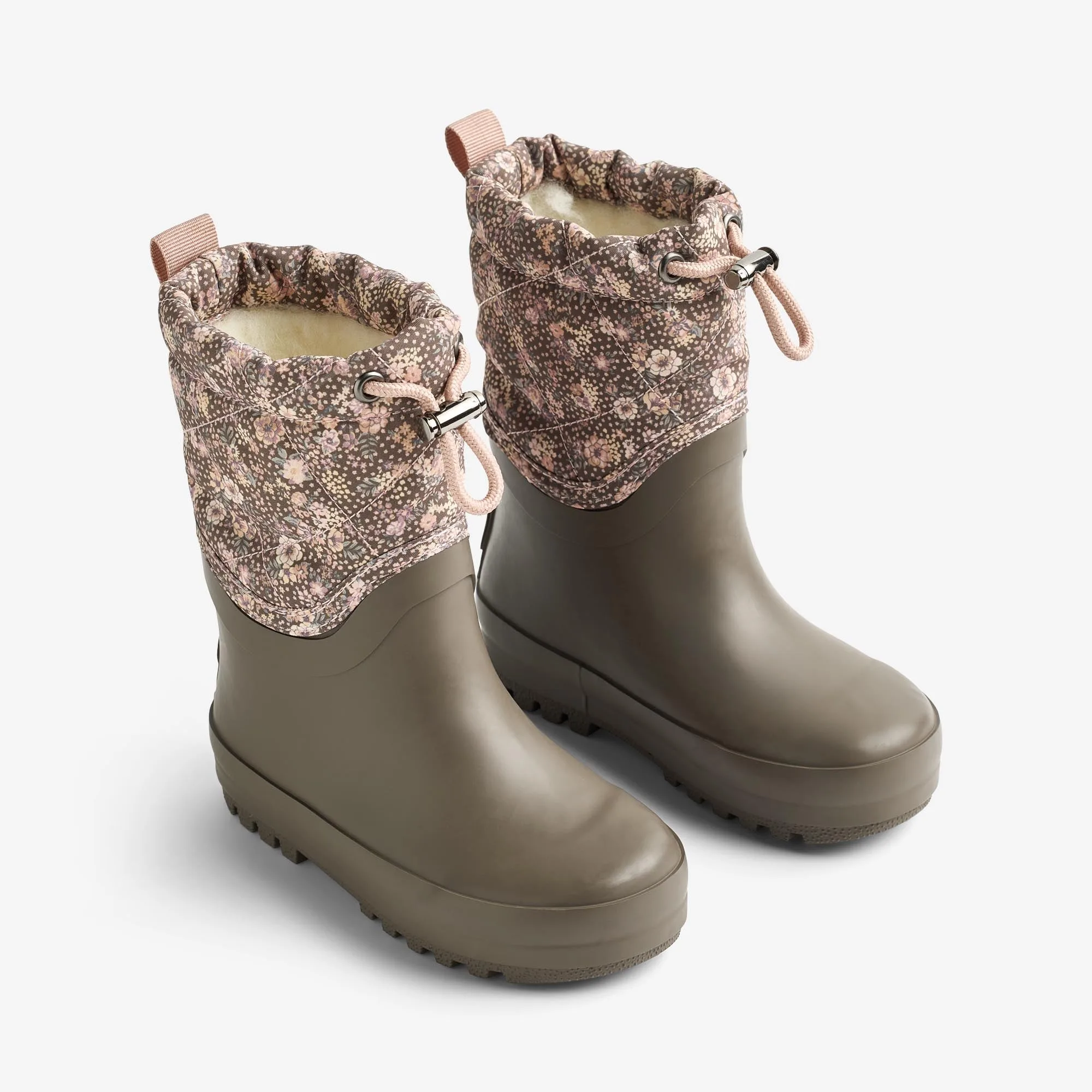
- Termo Snestøvle Drizzle - dry wood snow flowers: Termo Snestøvle Drizzle has a wool and recycled polyester lining and a soft thermal shaft, designed for cold, wet autumn and winter conditions. The warm lining already adds volume, so pair these boots with a thin or medium sock rather than a thick wool sock to avoid compressing the toes.
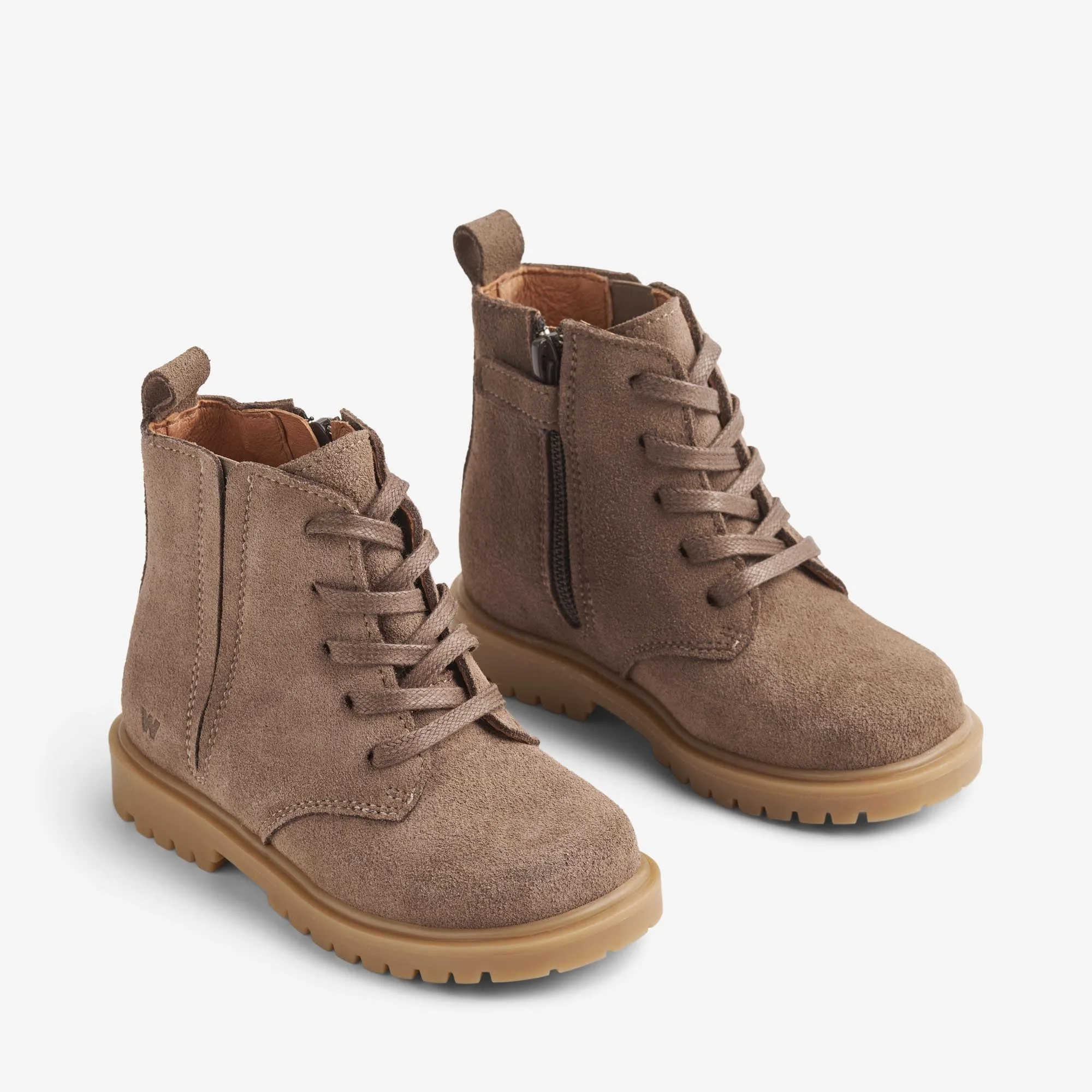
- Støvle Ryder - toffee brown: Støvle Ryder is made in soft suede with a higher shaft, a soft leather lining and a flexible rubber sole. The higher shaft and leather lining give a close fit around the ankle, so choose a sock that is thin enough to avoid pressure but thick enough to prevent rubbing.
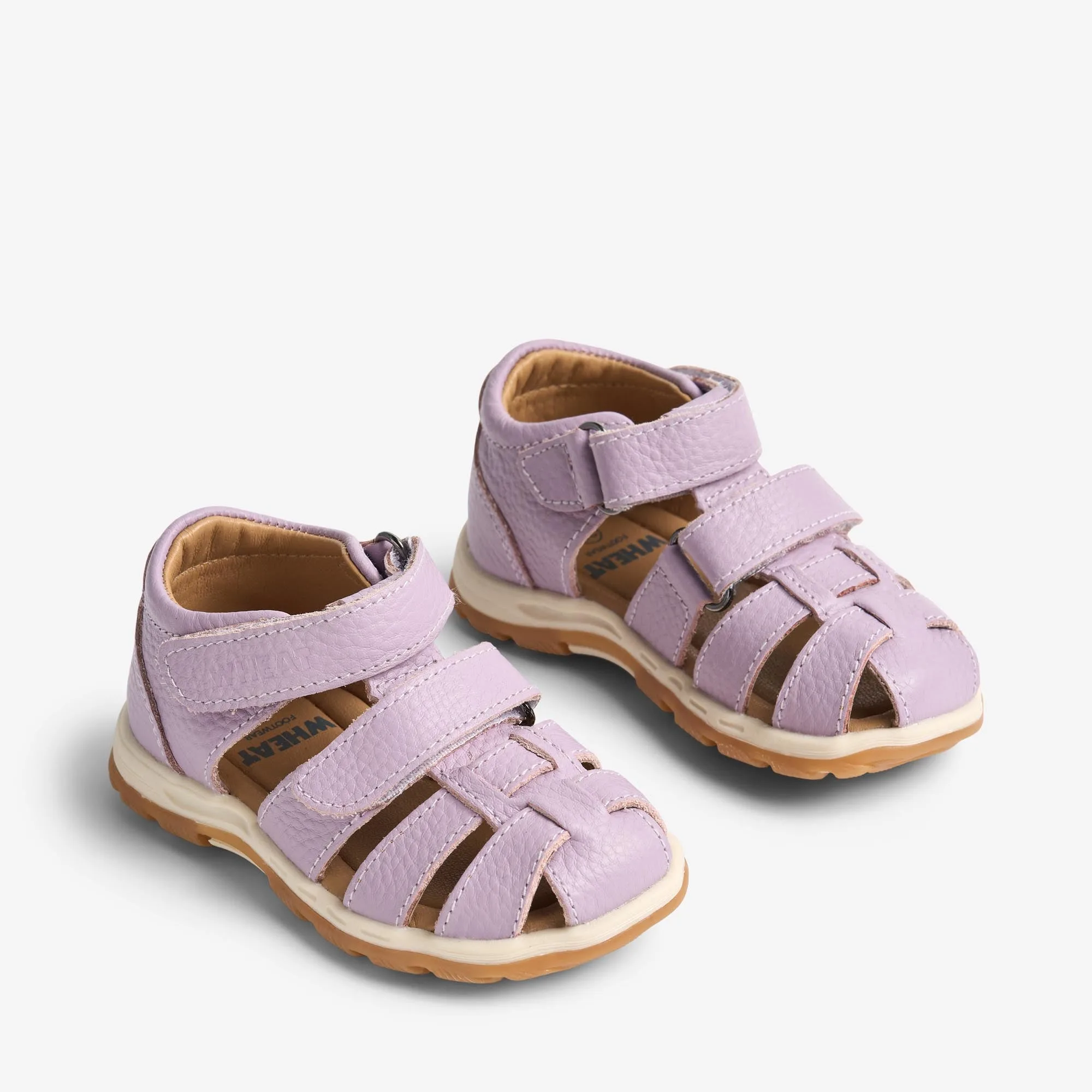
- Sandal Frei - lavender: Sandal Frei has adjustable straps and is designed to support a child's developing foot. Adjustable straps let you fine-tune the fit, but sandals are best worn barefoot or with a very thin sock; thick socks will make the straps feel tight and reduce support.
Who this guide is for
Best for
- Parents fitting winter boots or everyday sneakers for toddlers and young children
- Families who switch between thin socks and thick tights across seasons
- Anyone who wants to avoid buying shoes that only fit with one type of sock
Not for
- Children who need orthotic inserts or medical footwear advice
- Parents looking for a specific brand comparison of socks or tights
- Buying sandals for a child who will always wear thick socks