Your dog's collar is more than just a fashion statement – it's an essential piece of gear that keeps your furry friend safe and identifiable. A solid adjustable collar is a popular choice for many pet owners because of its simplicity, durability, and comfort. However, like any piece of equipment, it requires regular care to stay in top condition. In this guide, we'll walk you through the best practices for cleaning and maintaining your solid adjustable collar, ensuring it remains functional and comfortable for years to come.
Whether you're a new dog owner or a seasoned pro, understanding how to properly care for your dog's collar can save you money and prevent potential skin irritations or safety issues. From everyday dirt to stubborn odors, we'll cover everything you need to know about keeping your collar clean, fresh, and safe.
Why Regular Cleaning Matters
A clean collar is not just about aesthetics; it's about your dog's health and comfort. Over time, collars accumulate dirt, oils, saliva, and bacteria, which can lead to unpleasant odors and even skin infections. For dogs with sensitive skin, a dirty collar can cause chafing and irritation, making walks uncomfortable. Regular cleaning helps prevent these issues and extends the life of the collar, so you don't have to replace it as often.
Moreover, a well-maintained collar is more reliable. Dirt and grime can weaken the fibers of the nylon, making it more prone to fraying or breaking. By keeping your collar clean, you ensure that it remains strong and secure, which is especially important if you use it for activities like hiking or running. Investing a few minutes in care can save you from unexpected breakage during an adventure.
- Prevents odor buildup and bacterial growth
- Reduces risk of skin irritation and infections
- Maintains the collar's strength and durability
Step-by-Step Cleaning Guide for Nylon Collars
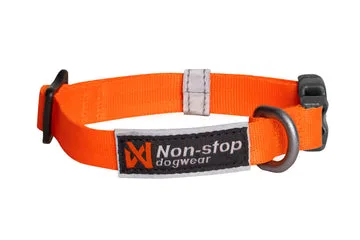
Cleaning a solid adjustable collar is straightforward, but it's important to do it correctly to avoid damaging the materials. Most solid adjustable collars are made from nylon, which is durable and easy to clean. Here's a simple method you can use at home: First, remove the collar from your dog and check for any metal parts, such as buckles or D-rings. If the collar has a metal buckle, be cautious with water exposure to prevent rusting.
For a quick clean, you can hand-wash the collar in a sink with warm water and a mild detergent. Gently scrub the nylon with a soft brush or cloth, paying extra attention to areas that come into contact with your dog's fur. Rinse thoroughly to remove all soap residue, then hang it to dry completely before putting it back on your dog. Avoid using harsh chemicals or bleach, as they can weaken the fibers and cause discoloration.
- Use mild detergent and warm water
- Avoid bleach and harsh chemicals
- Dry completely to prevent mildew and rust
Machine Washing: Pros and Cons
Some dog owners wonder if they can toss their dog's collar into the washing machine for a deeper clean. While it's possible, it's not always recommended. Machine washing can be harsh on the materials, especially if the collar has metal hardware. The agitation can cause the metal to scratch or the nylon to fray. If you do choose to machine wash, place the collar in a mesh laundry bag and use a gentle cycle with cold water.
However, for most solid adjustable collars, hand washing is the safer and more effective method. It allows you to control the pressure and ensure that no soap residue remains. If you're short on time, you can also wipe the collar down with a damp cloth and a little bit of mild soap. This is a great option for quick touch-ups between deep cleans.
- Machine wash only on gentle cycle with a mesh bag
- Hand washing is gentler and more effective
- Quick wipe-downs are perfect for daily maintenance
Drying and Storage Tips
Proper drying is crucial to prevent mildew and rust. After washing, always hang the collar to air dry in a well-ventilated area, away from direct sunlight. Sunlight can fade the color of the nylon over time, and excessive heat can cause the material to become brittle. Avoid using a dryer, as the heat can damage the collar's integrity.
When it comes to storage, keep the collar in a dry place, preferably hanging or laid flat. Avoid folding it in a way that creates creases, as this can weaken the fibers. If you have multiple collars, store them separately to prevent tangling. For collars with metal parts, consider storing them in a container with a silica gel packet to absorb any moisture.
- Air dry away from direct sunlight
- Do not use a dryer
- Store in a dry, cool place to prevent damage
When to Replace Your Collar
Even with the best care, every collar will eventually need to be replaced. Signs that your solid adjustable collar is due for a replacement include fraying or thinning of the nylon, a broken buckle, or a persistent odor that doesn't go away after cleaning. If the collar has become stiff or discolored, it may also be time for a new one.
Regularly inspecting your dog's collar is a good habit. Check for any signs of wear and tear, especially around the buckle and the adjustment holes. If you notice any damage, it's safer to replace the collar immediately to avoid the risk of it breaking while your dog is on a walk. A reliable collar is essential for your dog's safety, so don't compromise on quality.
- Look for fraying, thinning, or broken hardware
- Persistent odors may indicate deep-set bacteria
- Replace immediately if you spot any damage
Caring for Collars with Special Features
Some collars come with additional features like reflective stitching or padding. These require a bit of extra care. For reflective collars, avoid using abrasive cleaners that can scratch the reflective surface. Instead, use a soft cloth and mild soap. For padded collars, make sure to dry them thoroughly to prevent moisture from getting trapped in the padding, which can lead to odor and mildew.
If your collar has a quick-release buckle, check it regularly to ensure it's functioning properly. Dirt can accumulate in the mechanism, making it harder to snap. Clean it with a cotton swab dipped in rubbing alcohol to keep it working smoothly. Remember, a well-maintained collar is a safe collar.
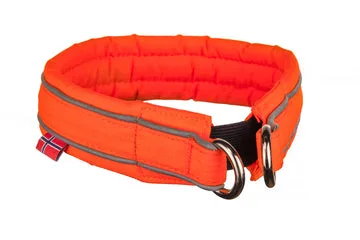
safe collar
- Use gentle cleaners for reflective surfaces
- Dry padded collars completely to avoid mildew
- Clean buckles with a cotton swab and rubbing alcohol
By following these simple cleaning and maintenance tips, you can keep your solid adjustable collar in excellent condition, ensuring your dog stays comfortable and safe. Regular care not only extends the life of the collar but also enhances your dog's overall well-being. Remember to check your collar regularly and replace it when needed. For high-quality collars that are built to last, consider exploring our range of durable and stylish options, such as the Roam Collar, which offers both comfort and reliability for your everyday adventures.
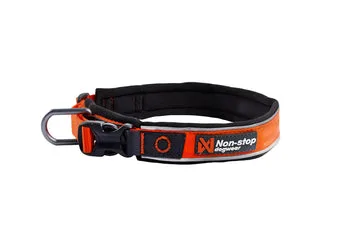
Roam Collar