Quick Answer
Salicylic acid spot patches are an effective, targeted treatment for pimples, especially whiteheads and blackheads. They work by delivering salicylic acid directly to the blemish while also providing a protective barrier. For best results, choose a patch that combines salicylic acid with hydrocolloid to absorb excess fluid and flatten the pimple faster.
If you're dealing with the occasional pimple or a breakout that needs quick attention, a spot patch with salicylic acid can be a game-changer. These small adhesive patches are designed to be worn overnight or for several hours, delivering active ingredients directly to the blemish while you go about your day or sleep.
Unlike traditional spot treatments that you apply and leave on, spot patches offer a physical barrier that prevents you from picking at the pimple and keeps the active ingredient in place. In this guide, we'll break down the benefits, how they compare to plain hydrocolloid patches, and how to choose the right one for your skin.
How Salicylic Acid Spot Patches Work
Salicylic acid is a beta-hydroxy acid (BHA) that is oil-soluble, meaning it can penetrate through the sebum that often clogs pores. When delivered via a spot patch, it works to exfoliate the inside of the pore, helping to unclog it and reduce the size of the pimple. This makes it particularly effective for blackheads and whiteheads, which are caused by trapped oil and dead skin cells.
The patch itself creates a moist environment that can help soothe the skin and reduce inflammation. Many patches also contain hydrocolloid, a material that absorbs excess fluid from the pimple, helping it to flatten and heal faster. This combination of chemical exfoliation and physical absorption makes salicylic acid patches a versatile tool in your acne-fighting arsenal.
- Apply to clean, dry skin for maximum adhesion and effectiveness.
- Leave on for at least 6-8 hours, ideally overnight, to allow the salicylic acid to work.
Benefits of Using a Salicylic Acid Spot Patch
One of the main benefits of using a salicylic acid spot patch is its targeted approach. Instead of applying a treatment to your entire face, you can focus on a specific blemish, reducing the risk of over-drying surrounding skin. This is especially helpful if you have dry or sensitive skin but still get the occasional breakout.
Another advantage is the convenience. You can wear a patch under makeup during the day or leave it on overnight without worrying about it rubbing off on your pillow. Plus, the patch acts as a physical barrier, preventing you from touching or picking at the pimple, which can lead to scarring and prolonged healing. For those who are prone to picking, a patch is a simple reminder to leave your skin alone.
- Use a patch at the first sign of a pimple to stop it from developing into a larger breakout.
- If you wear makeup, apply the patch first and then concealer over it for discreet coverage.
Salicylic Acid Patches vs. Hydrocolloid Patches
You might be wondering what the difference is between a salicylic acid patch and a plain hydrocolloid patch. Hydrocolloid patches are excellent for absorbing fluid from pimples that have already 'come to a head,' helping them flatten and heal. However, they don't contain active ingredients to treat the underlying cause of the pimple.
Salicylic acid patches combine the benefits of hydrocolloid with the exfoliating power of salicylic acid. This makes them more effective for pimples that are still under the skin or for blackheads that need to be unclogged. If you have a mix of different blemish types, a salicylic acid patch is a more versatile choice. However, if you have very sensitive skin, the salicylic acid might cause irritation, and a plain hydrocolloid patch could be a gentler option.
- Choose a salicylic acid patch for pimples that are red, swollen, or just starting to form.
- Opt for a plain hydrocolloid patch if you have a popped pimple that needs fluid absorption and protection.
How to Choose the Right Spot Patch: Decision Rules
- Identify your blemish type: If you have a whitehead or blackhead, a salicylic acid patch is ideal. If you have a red, inflamed pimple without a head, a patch with salicylic acid plus hydrocolloid can help reduce inflammation. For a popped pimple, use a plain hydrocolloid patch. Match the patch to the pimple stage for best results.
- Check the active ingredients: Look for patches that list salicylic acid as an active ingredient, typically in concentrations around 0.5% to 2%. If you have sensitive skin, start with a lower concentration to avoid irritation. Start with a lower concentration if you're new to salicylic acid.
- Consider your skin sensitivity: If you have dry or sensitive skin, salicylic acid can be drying. Use the patch only on the blemish and avoid applying to broken skin. If irritation occurs, discontinue use and switch to a hydrocolloid-only patch. Monitor your skin's reaction and adjust accordingly.
Related Product Insights
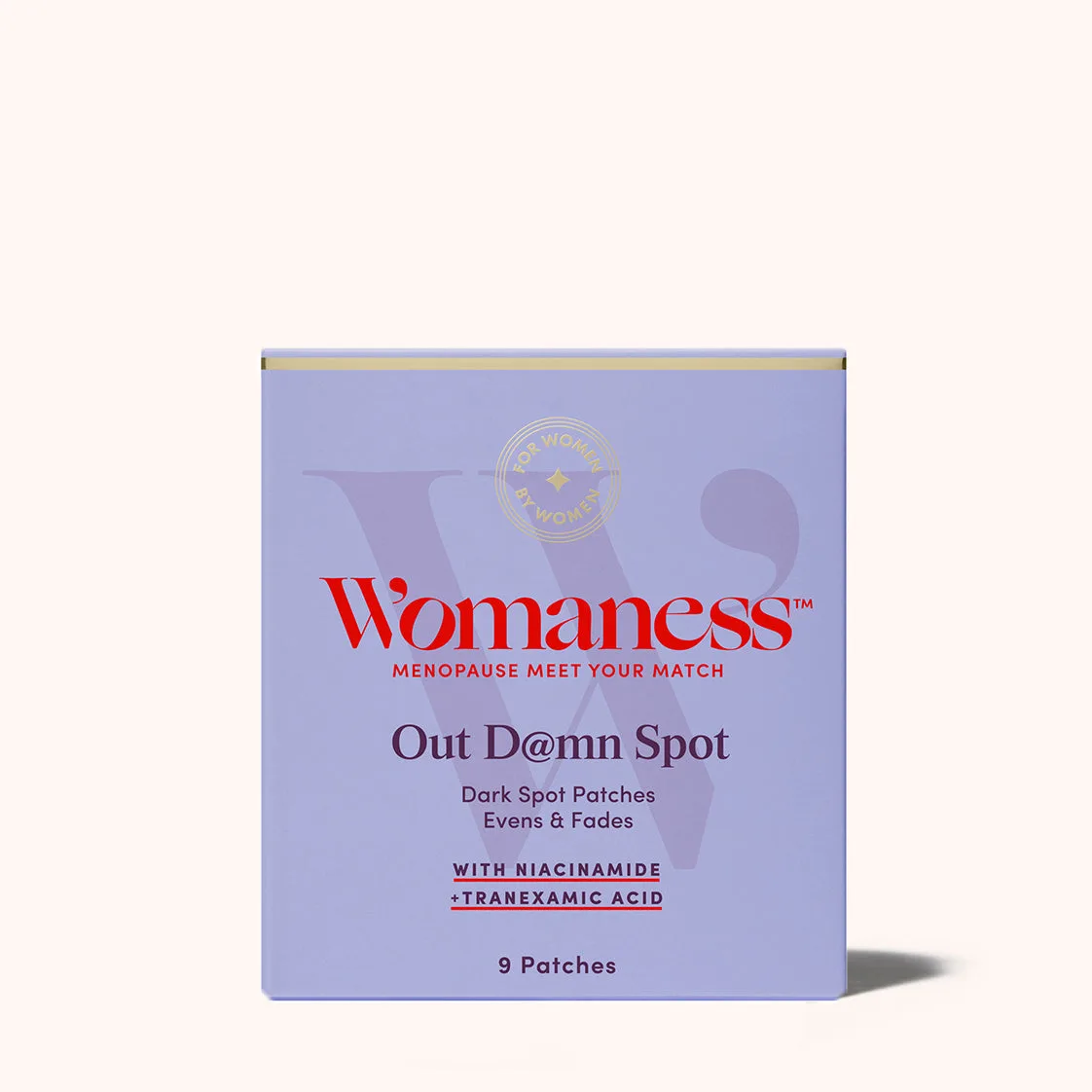
- https://womanessjkn.com/products/out-d-mn-spot-1-140f96fd587d0495db46f2ca-907575OUT D@MN SPOT: Dark Spot Treatment Patches While this product targets dark spots, not active acne, it shows the versatility of spot patches. If you're dealing with post-acne marks, this type of patch can help fade them, making it a useful addition to your routine after the pimple is gone.
- Out D@mn Spot: Dark Spot Treatment Patches Similar to the above, this patch is designed for dark spots. If your primary concern is leftover marks from breakouts, these patches can be a targeted solution. Remember, they are not for active pimples but for the aftermath.
Who Should Use Salicylic Acid Spot Patches?
Best for
- Individuals with occasional pimples or blackheads who want targeted treatment without drying out the entire face.
- People who tend to pick at their pimples and need a physical barrier to prevent scarring.
Not for
- Those with severe or cystic acne that requires professional treatment; these patches are for spot treatment only.
- Individuals with very sensitive skin or known allergies to salicylic acid; consider a hydrocolloid-only patch instead.
Salicylic acid spot patches are a convenient and effective way to treat individual pimples, offering both active exfoliation and a protective barrier. By understanding how they work and what to look for, you can choose the right patch for your skin and get back to clear, healthy skin faster. Remember to always patch test a new product and consult a dermatologist for persistent acne.