Quick answer
Most squishies that feel hard or lost their squish are reacting to cold, surface tack, or the wrong storage spot, not a permanent material failure. Warm the squishie in your hands or a warm room for 10 to 15 minutes and knead it gently before you assume it is ruined. If it stays stiff after warming, clean it with mild soap, dry it fully, and dust it with a light layer of cornstarch. Only treat it as damaged if the surface is tacky, cracked, or weeping oil after those steps.
Rule out temperature before you panic
Silicone firmness is temperature-sensitive. A squishie left in a cold car, a drafty room, or near an air-conditioning vent will feel noticeably harder than the same toy at room temperature. This is normal physics, not a defect. Bring the squishie to a warm room, hold it in your hands, and squeeze it slowly for a few minutes. Most soft and extra-soft silicone will loosen up and feel closer to normal within 10 to 15 minutes. If you store your squishie in a cold basement or garage, that alone can explain a squishie texture change that reverses once the toy warms up.
Check for surface tack and oil film
A squishie that feels hard can actually be a squishie that feels sticky. When silicone picks up dust, lint, or body oil, the surface drags against your fingers and reads as stiff or grippy rather than soft. Wash the squishie with mild, fragrance-free soap and warm water, rinse thoroughly, and pat it dry with a lint-free cloth. Let it air dry completely before you judge the firmness. If the surface still feels tacky after drying, a very light dusting of cornstarch can restore a smooth, powdery feel. Do not use talc, baby powder with additives, or silicone-based lubricants as a fix, because they can degrade the surface over time.
Storage habits that quietly stiffen silicone
Where and how you store a squishie matters more than most people expect. Silicone pressed against itself, folded under weight, or left in direct sunlight can take a temporary set and feel firmer in the compressed areas. Store squishies flat or loosely in a cool, dark drawer, away from other silicone toys that might press into them. If you have been keeping a squishie in a tight bag or under a stack of items, give it a day at room temperature on a clean surface and re-check. For squishies with a firmer core, like a medium-firmness option, some resistance is the design, not a fault. Compare the feel to how it felt when new before you decide something changed.
When to stop troubleshooting and replace
Some changes are not reversible. If the surface is cracked, peeling, weeping oil, or has a persistent chemical smell after cleaning, the silicone has likely been exposed to a incompatible material such as a silicone-based lube, a PVC toy stored in contact with it, or prolonged heat. Those signs mean the material is breaking down, and no amount of warming or cornstarch will bring the squish back. Stop using it and replace it rather than trying to repair it. For everyday maintenance, stick to mild soap, warm water, and cool dark storage, and your squishie should keep its feel for a long time.
Squishie softness diagnosis
- Symptom: feels hard but surface is smooth: Warm the squishie in your hands or a warm room for 10 to 15 minutes, then knead gently. This is almost always a temperature issue, especially for soft and extra-soft silicone. If it softens, no repair needed. Store it somewhere warmer.
- Symptom: feels stiff and slightly grippy: Wash with mild soap and warm water, dry fully, then dust lightly with cornstarch. Surface tack from dust or oil mimics hardness. If the tack clears and the squish returns, the material is fine.
- Symptom: hard in one spot after storage: A compressed area can take a temporary set. Lay the squishie flat in a cool, dark spot for 24 hours and re-check. If the spot stays hard after a day, the material may be damaged.
- Symptom: cracked, peeling, weeping, or smelly: These are signs of silicone breakdown, often from contact with incompatible materials or heat. Cleaning and warming will not fix it. Stop using it and replace the squishie.
Squishies in this store
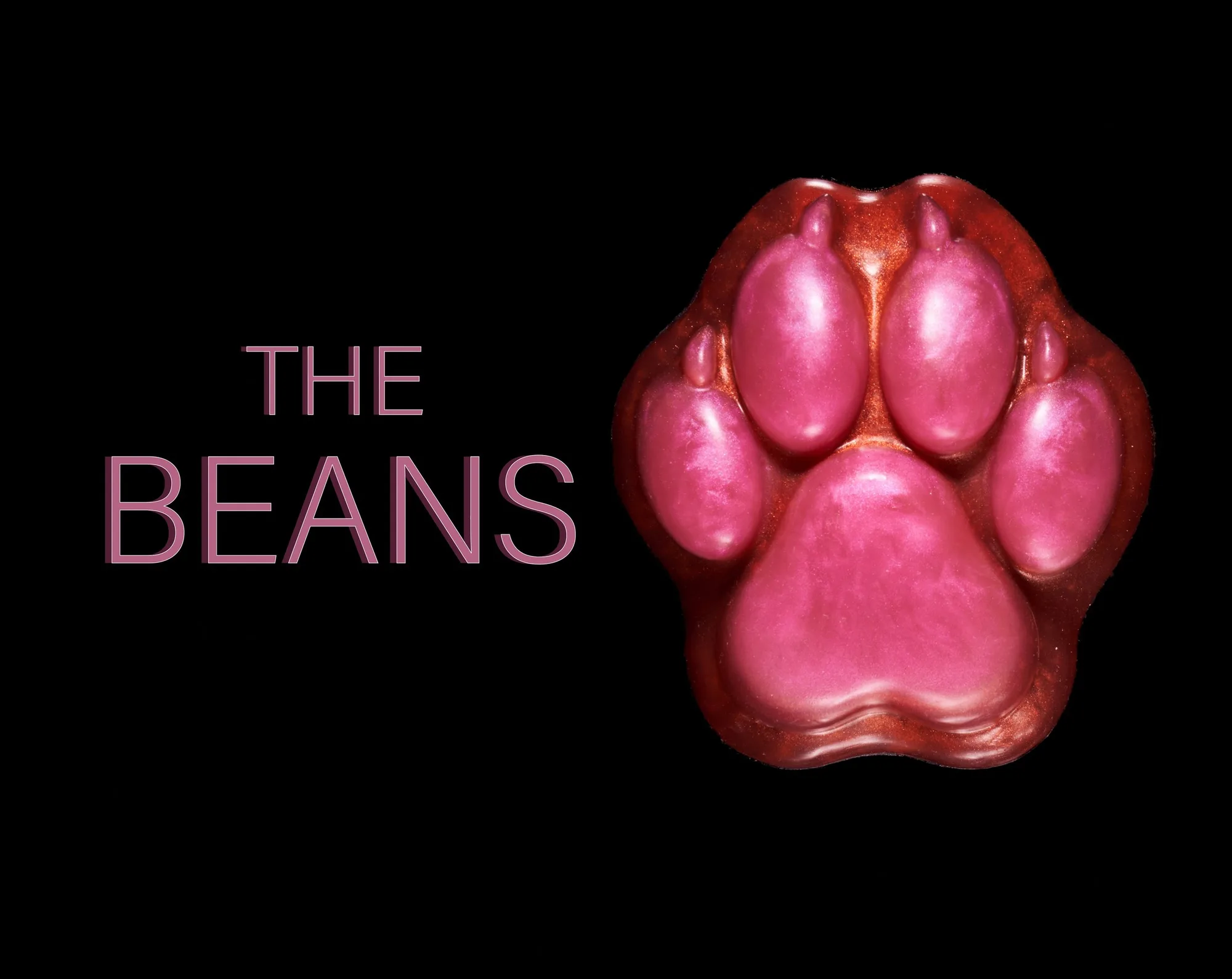
- The Beans: The Beans is a large fidget paw made with medium, soft, or extra-soft firmness silicone, sized about 3.5 inches wide and 3.9 inches long. Because firmness is a chosen option, a The Beans paw that feels hard may simply be the medium firmness you ordered, not a squishie that lost its squish. Compare it to the firmness level you selected before troubleshooting.
- Itty Bitty Beanies: Itty Bitty Beanies are squishy silicone mini paws sold as a set of 5 randomly colored paws, priced at USD 4.88. Small silicone pieces warm up quickly in your hand, so if a Beanie feels stiff, a minute or two of kneading is usually enough to bring the squish back.
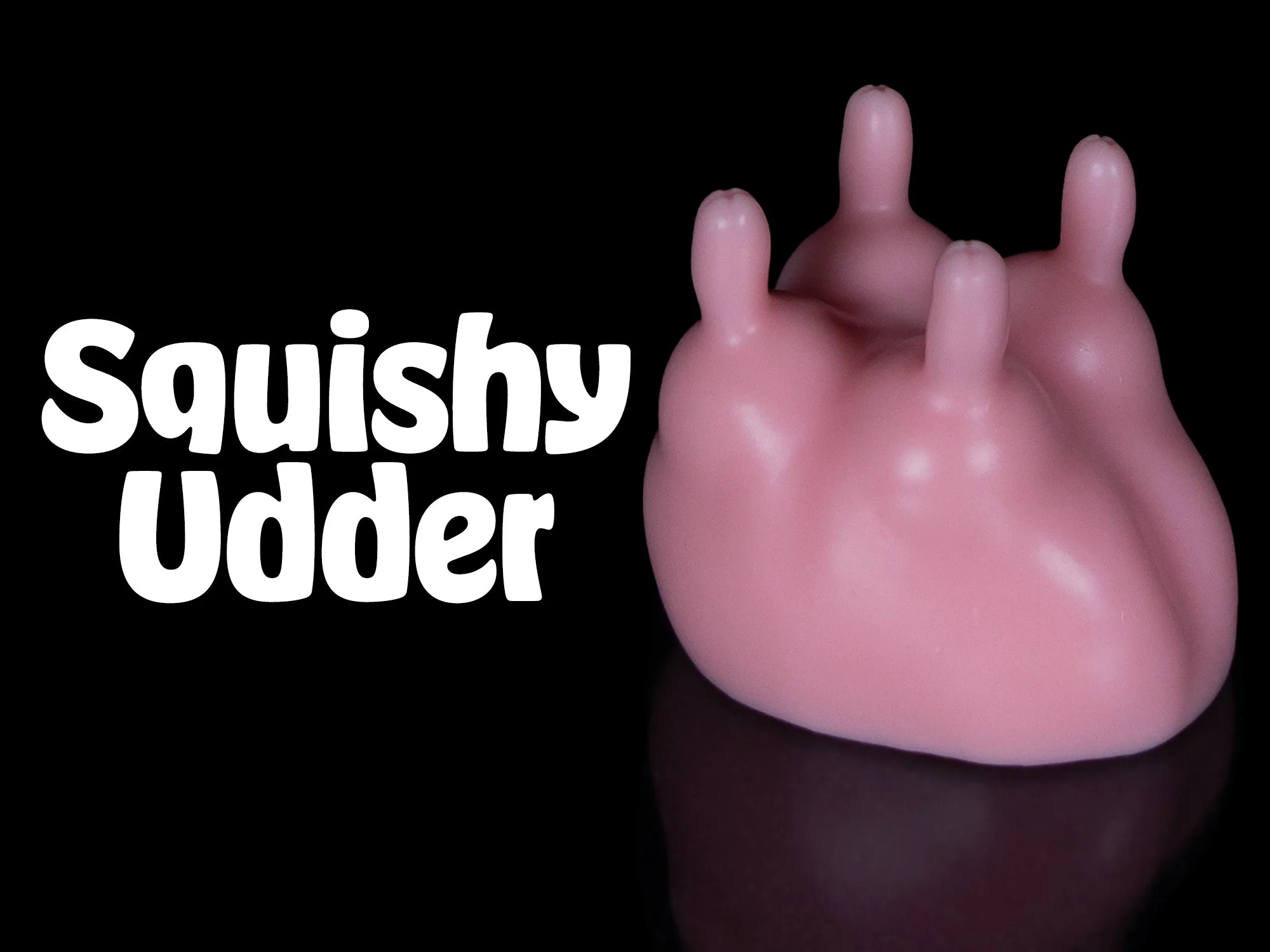
- Squishy Udder: Squishy Udder is an ultra-squishy stress ball and stim toy with a novelty udder shape, priced at USD 20.40. Ultra-soft silicone is the most temperature-sensitive, so a Squishy Udder that feels hard is often just cold. Warm it in your hands before deciding it needs replacing.