In the quest for a zero-waste kitchen, two popular alternatives to plastic wrap and zip-top bags often go head-to-head: Stasher silicone bags and beeswax wraps. Both promise to reduce single-use plastic, but they work in very different ways. Choosing between them depends on how you store food, your budget, and your sustainability priorities.
This guide breaks down the key differences between Stasher bags and beeswax wraps—covering durability, versatility, cost per use, and environmental impact. By the end, you'll know which option deserves a spot in your kitchen drawer.
Durability and Lifespan: Built to Last or Biodegradable?
One of the biggest differences between Stasher bags and beeswax wraps is how long they last. Stasher bags are made from 100% pure platinum silicone, a material that can withstand hundreds—if not thousands—of uses. They are heat-resistant, freezer-safe, and dishwasher-safe, meaning they can handle everything from sous vide cooking to marinating without breaking down.
Beeswax wraps, on the other hand, are made from cotton fabric coated with beeswax, tree resin, and jojoba oil. They are naturally biodegradable, but they have a shorter lifespan—typically six to twelve months with regular use. Over time, the wax coating wears off, and the wraps lose their stickiness, requiring replacement.
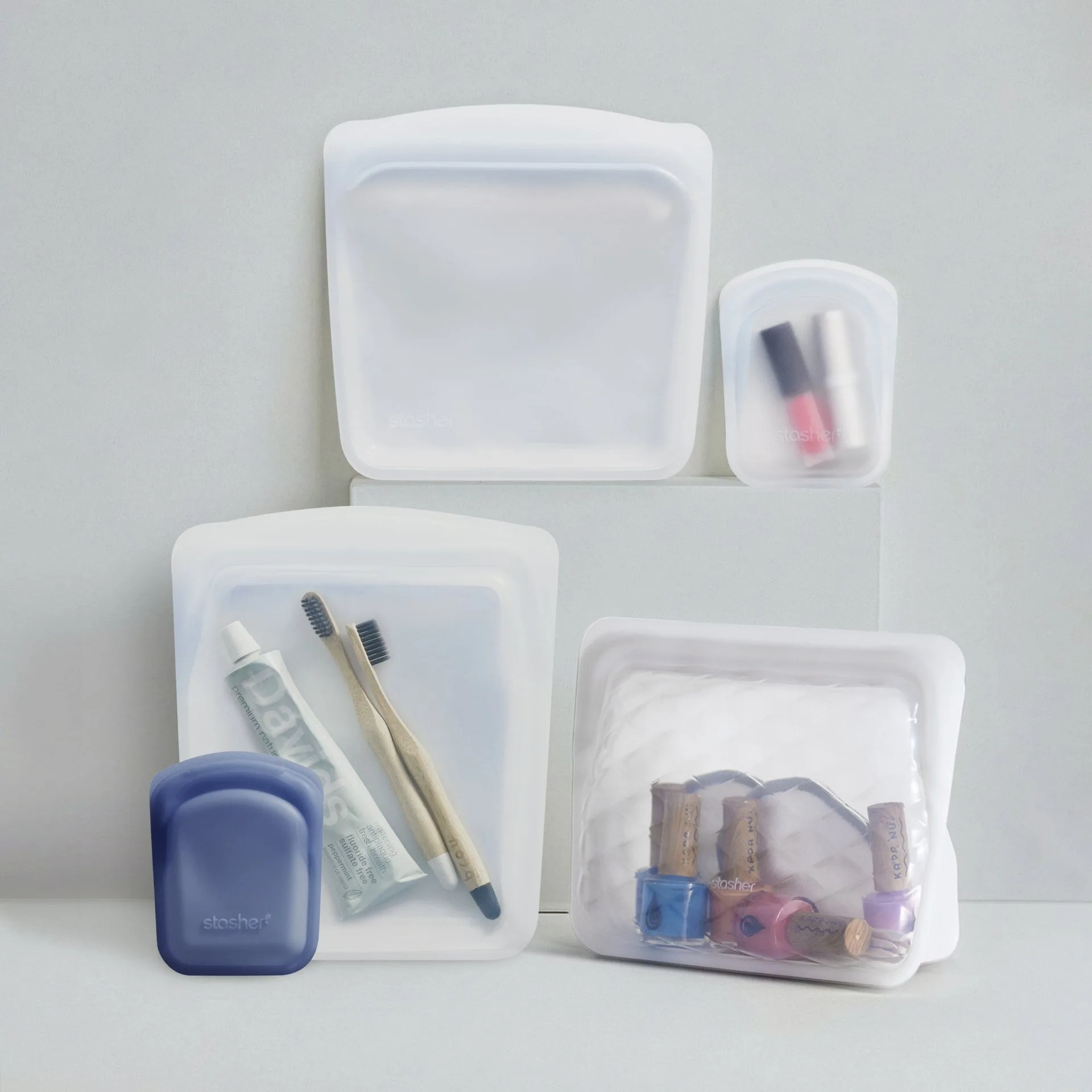
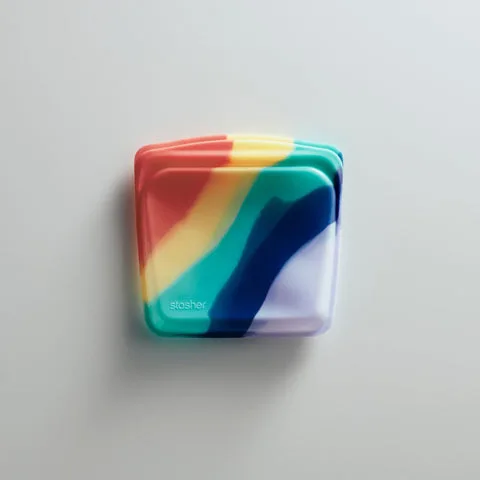
If you're looking for a long-term investment, Stasher bags win on durability. While the upfront cost is higher, they can last for years, making them more cost-effective in the long run. For example, the Sandwich Snack 4-Pack offers four reusable bags that can replace hundreds of disposable plastic bags over their lifetime.
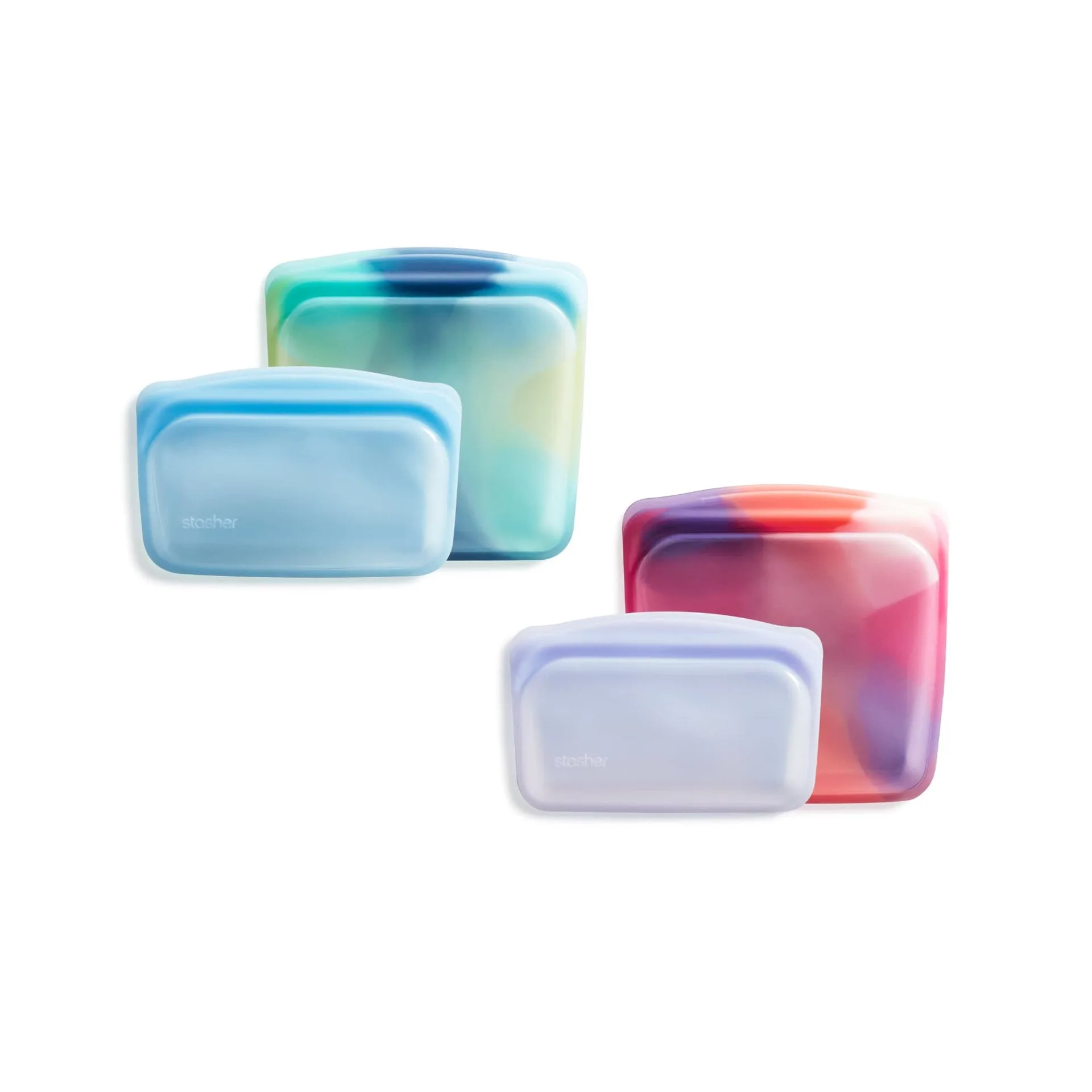
Sandwich Snack 4-Pack
- Stasher bags: last for years, withstand heat and cold
- Beeswax wraps: biodegradable, but need replacing every 6-12 months
Versatility: What Can You Store?
Stasher bags are incredibly versatile. They can store dry snacks, fresh produce, leftovers, and even liquids without leaking. Their airtight seal makes them perfect for marinating meats or carrying soups and sauces. You can also use them for sous vide cooking, as the silicone withstands high temperatures.
Beeswax wraps are best suited for wrapping dry or semi-dry foods like cheese, bread, fruits, and vegetables. They are not ideal for liquids or raw meat, as the wax can be difficult to clean and may not provide a leak-proof seal. They also shouldn't be exposed to high heat, as the wax can melt.
For a comprehensive solution, consider the Essentials 3-Pack which includes different sizes to handle a variety of storage needs. While beeswax wraps have their place, Stasher bags offer greater flexibility for a wider range of foods and cooking methods.
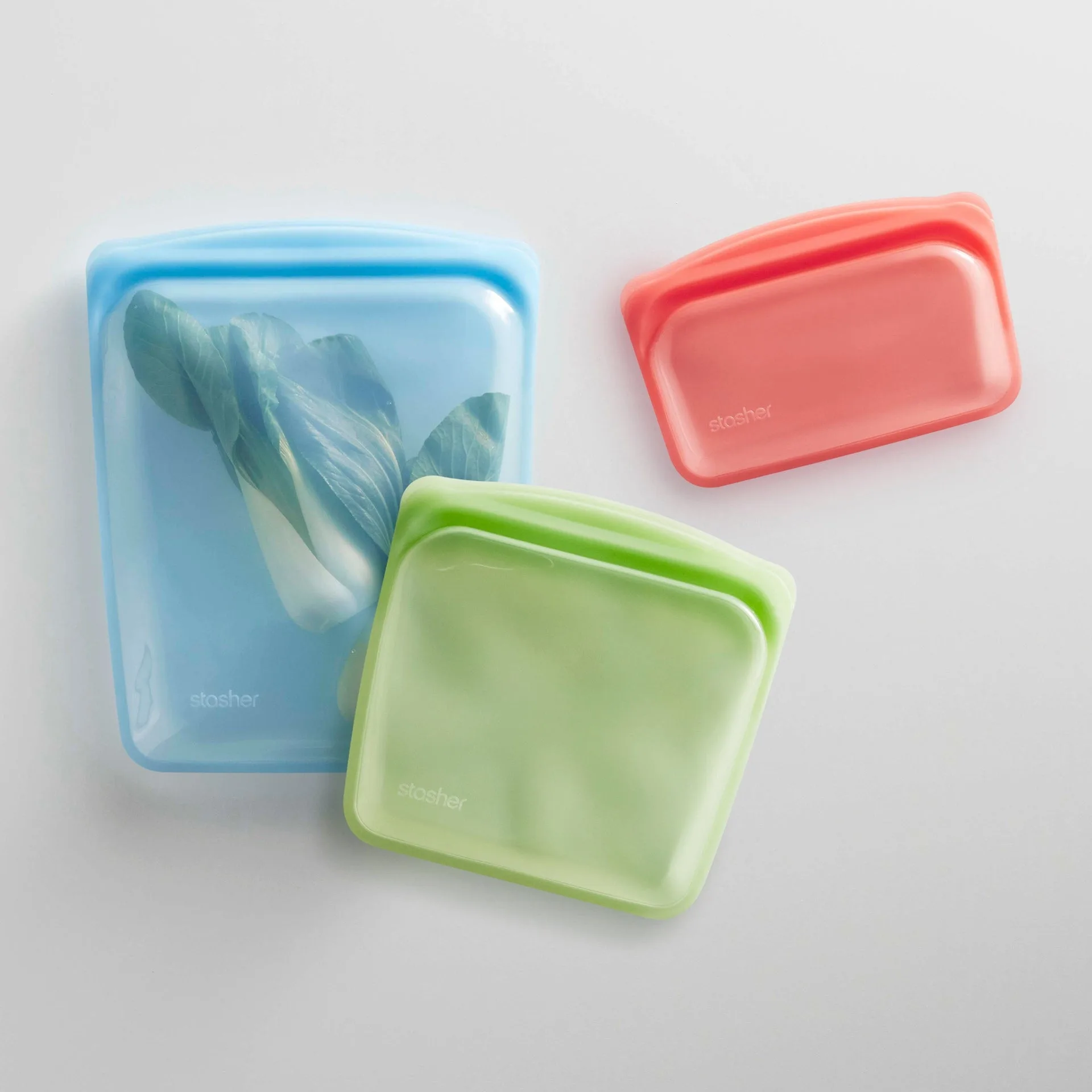
Essentials 3-Pack
- Stasher bags: leak-proof, freezer-safe, heat-resistant, suitable for liquids and sous vide
- Beeswax wraps: best for dry foods like cheese and bread, not for liquids or heat
Ease of Cleaning and Maintenance
Cleaning is a crucial factor in any reusable product. Stasher bags are dishwasher-safe (top rack recommended) and can also be boiled or placed in the microwave for sterilization. They are easy to hand wash with soap and water, and they dry quickly.
Beeswax wraps require more careful handling. They should be rinsed with cold water and mild soap, then air-dried. Hot water and harsh detergents will strip the wax coating, so they need gentle treatment. Over time, the wraps may develop creases or lose their stickiness, and they cannot be sanitized in the same way as silicone.
If convenience is a priority, Stasher bags are the clear winner. The Sandwich Bag is perfect for daily use and can be tossed in the dishwasher without worry, making it a hassle-free choice for busy households.
- Stasher bags: dishwasher-safe, boilable, easy to sanitize
- Beeswax wraps: hand wash only, cold water, gentle care
Environmental Impact: Which Is Greener?
Both options are far better than single-use plastic, but their environmental footprints differ. Beeswax wraps are made from natural materials and are compostable at the end of their life. However, they need to be replaced more often, which means more resources used over time.
Stasher bags are made from silicone, which is not biodegradable, but they last much longer, reducing the need for frequent replacements. The key is to use them as many times as possible to offset their initial environmental cost. Studies suggest that a silicone bag needs to be used around 100 times to have a lower carbon footprint than a single-use plastic bag.
Ultimately, the greenest option is the one you'll use consistently. If you tend to lose or wear out wraps quickly, Stasher bags might be more sustainable for you. For occasional use and lighter storage needs, beeswax wraps could be enough. Many eco-conscious kitchens use both, depending on the task.
- Beeswax wraps: compostable but shorter lifespan
- Stasher bags: longer lifespan, but silicone is not biodegradable
Cost Comparison: Upfront vs. Long-Term Value
Beeswax wraps are generally cheaper upfront—a pack of three might cost around $15 to $20. However, because they need replacing every year, the cost adds up over time. Stasher bags are more expensive initially, with a single bag costing around $10 to $15, but they can last for years.
To see the long-term savings, consider the The Ultimate Travel Kit, which includes multiple bags and accessories for a comprehensive set. While the initial investment is higher, the cost per use drops significantly over time compared to buying new beeswax wraps every year.
If you're on a tight budget, you might start with beeswax wraps, but for those committed to reducing waste long-term, Stasher bags offer better value.
- Beeswax wraps: lower upfront cost, but need frequent replacement
- Stasher bags: higher upfront cost, but lower cost per use over time
Which Should You Choose?
The choice between Stasher bags and beeswax wraps ultimately depends on your lifestyle. If you need leak-proof, versatile storage for liquids, leftovers, and on-the-go snacks, Stasher bags are the superior choice. They are also better for sous vide cooking and freezing.
If you primarily store dry items like cheese, bread, and produce, and you prefer a biodegradable option, beeswax wraps might be sufficient. They are also great for covering bowls or wrapping irregular shapes that bags can't handle.
Many people find that a combination works best. Use Stasher bags for liquids and freezer storage, and beeswax wraps for quick cover-ups and dry snacks. This way, you get the best of both worlds while minimizing waste.
- Choose Stasher bags for versatility, durability, and leak-proof storage
- Choose beeswax wraps for natural, compostable wrapping of dry foods
- Combine both for a comprehensive zero-waste kitchen
In the battle of Stasher vs. beeswax wraps, there's no one-size-fits-all answer. Both are sustainable alternatives to plastic, but they excel in different areas. If you're ready to invest in long-lasting, versatile food storage, explore the Sandwich Snack 4-Pack and see how Stasher can transform your kitchen. For a balanced approach, pair them with beeswax wraps for a truly eco-friendly setup.