Quick answer
Use steam for pressing cotton quilt seams and relaxing blocks, but switch to dry heat for fusible appliqué, bias edges, and any fabric that might shrink or distort. Most quilters get the best results by keeping both options available and matching the setting to the task, not the fabric alone.
How steam and dry heat behave differently on cotton
Steam penetrates cotton fibers, relaxing them so seams lie flat and blocks square up with less pressure. That makes it useful for setting seams after piecing and for easing fullness in traditional patchwork. Dry heat, by contrast, removes moisture and sets creases without adding water, which helps when you need a crisp fold or when water could activate a fusible or shrink a loose weave. The trade-off is control: steam can distort bias edges if you stretch while pressing, while dry heat may leave stubborn wrinkles that need more passes.
Temperature basics for cotton quilting fabric
Most cotton yardage, including the quilting cottons in the SewYeahQuilting catalog, calls for a medium to medium-high temperature. Start at the lower end and test on a scrap. If you use steam, wait until the iron has reached full temperature so it produces dry steam rather than spitting water. For dry pressing, you can often go slightly hotter because there is no moisture to evaporate, but keep the iron moving to avoid scorching.
When steam helps and when it hurts
Steam is your ally for pressing long seams, joining quilt blocks, and softening creases from folded yardage. It also helps when you are pressing quilt blocks without steam and still see small puckers; a light burst can settle them. But steam works against you when you press fusible appliqué, because moisture can interfere with the adhesive bond. It also adds risk with bias-cut pieces, which can stretch out of shape. If you are working with a fabric that has a loose weave or a tendency to shrink, dry heat is safer.
Matching settings to specific products
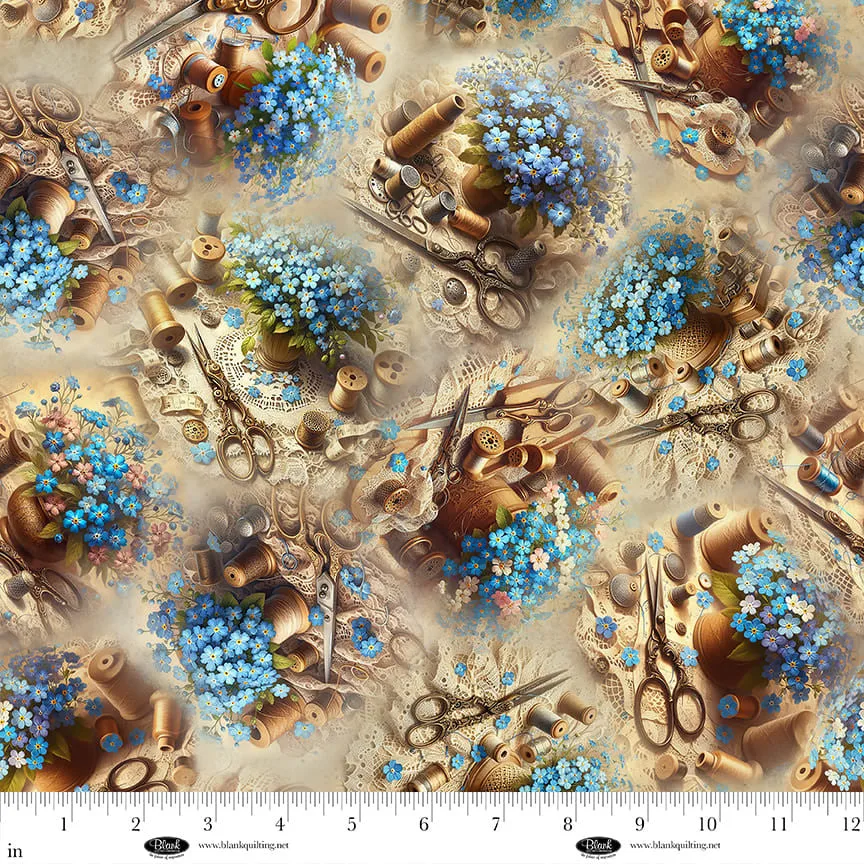
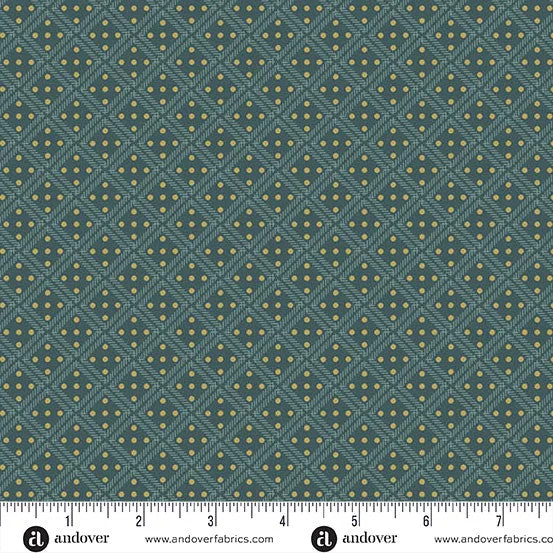
The right setting depends on the fabric and the task. For example, a cream floral cotton like Forget Me Not – Flowers on Doilies – Cream takes steam well for general piecing because it is a stable woven cotton, but you would still switch to dry heat if you were fusing appliqué shapes onto it. Similarly, Andover – Farmer’s Daughter – Silo Midnight and Silo Scarlet are 100% cotton with a striped cream backdrop; they press beautifully with steam for seams, but the printed stripes can show distortion if you stretch them with a hot iron. Always test a corner first.
Trade-offs: steam vs dry heat
- Steam for relaxing seams: Steam penetrates cotton and helps seams lie flat with less pressure, but it can distort bias edges and may interfere with fusible adhesives. Use steam for piecing cotton blocks, but switch to dry heat for appliqué and bias seams.
- Dry heat for control: Dry heat sets creases and activates fusibles without adding moisture, but it may require more passes to remove stubborn wrinkles. Choose dry heat when you need precision, such as with striped fabrics or fusible projects.
- Temperature and fabric type: Most quilting cottons, including those from SewYeahQuilting, press well at medium to medium-high heat. Steam works best at full temperature to avoid spitting. Always test on a scrap to find the sweet spot for your iron and fabric.
Fabric facts that affect iron settings
- Forget Me Not - Flowers on Doilies - Cream - Yardage: Forget Me Not – Flowers on Doilies – Cream is a quilting cotton from the Forget Me Not collection by Blank Quilting Corporation, designed by Marilyn Lee, featuring delicate forget-me-not flowers and vintage sewing motifs. This stable cotton responds well to steam for pressing seams, but the delicate print means you should use a pressing cloth or dry heat when applying fusibles to avoid shine or distortion.
- Andover - Farmer's Daughter - Silo Midnight - Yardage: Andover – Farmer’s Daughter – Silo Midnight is a 100% cotton fabric, 43/44 inches wide, with blue farmhouse florals and leafy sprigs on a striped cream backdrop. The striped background can highlight any stretching, so use dry heat or minimal steam when pressing to keep the stripes straight and the quilt square.
Which setting fits your project?
Best for steam
- Pressing cotton quilt seams and blocks that need relaxing
- Softening creases in folded yardage before cutting
- Quilters who want flat seams with minimal pressure
Not for steam
- Fusible appliqué projects where moisture can weaken the bond
- Bias-cut pieces that may stretch out of shape
- Fabrics with loose weaves or a tendency to shrink