Quick answer
Store completed Super7 puzzles flat, fully supported, and away from damp walls or direct sun; frame art prints with an acid-free mat or spacer so the glazing never touches the surface. If a puzzle has already warped from moisture, flattening it under even weight in a dry room can help, but a print with visible foxing, mold, or ink lift is past a home fix and should go to a paper conservator.
Why puzzles warp and prints fade
Puzzle board and print paper are both hygroscopic, meaning they absorb and release moisture from the air. When one side of a completed puzzle takes on more humidity than the other, the board curls toward the drier face. Hanging a puzzle on an exterior wall, storing it in a garage, or leaning it against a window gives moisture and heat an easy path into the board.
Fading is a separate problem. UV light from windows and fluorescent fixtures breaks down the dyes in printed inks over months and years. The damage is cumulative and irreversible, which is why display location matters more than any cleaning product.
Store a completed puzzle flat, not upright
The safest super7 puzzle storage is horizontal. Slide the completed puzzle onto a rigid board slightly larger than the puzzle itself, then store it in a flat portfolio or between two boards in a dry closet. Leaning a puzzle vertically puts all its weight on one edge, and the unsupported center sags over time.
If you must stack puzzles, keep the heaviest at the bottom and separate each with a sheet of acid-free tissue or glassine. Avoid plastic wrap directly against the printed surface, because trapped moisture has nowhere to go.
- Use a board at least one inch larger than the puzzle on every side.
- Keep storage between 60-70°F and below 50% relative humidity if you can measure it.
- Never store puzzles in a basement, attic, or unheated garage for long periods.
Frame art prints so the glass never touches the paper
When framing super7 art prints, the most common mistake is pressing the print directly against the glass. Condensation forms on the inside of the glazing as room temperature changes, and that moisture transfers into the paper, causing waviness, mold spots, and ink transfer. A mat or small spacer creates an air gap that lets the paper breathe.
Choose acid-free or archival mat board. Standard cardboard and some foam boards are acidic and will yellow the paper where they touch it. If the print is valuable to you, ask the framer for UV-filtering glazing; it will not stop all fading, but it slows the process considerably.
Display location does more than any product
To display super7 art without accelerating damage, keep it off exterior walls, out of direct sun, and away from heating vents, radiators, and dehumidifiers. A hallway or interior wall with indirect light is usually safer than a bright living room window wall.
Rotate pieces if you have more art than wall space. Giving a print six months in storage between display periods reduces its total UV exposure and keeps the colors truer longer.
When a home fix is enough, and when it is not
Mild curl from a humid room often responds to flattening: place the puzzle or print between clean blotting paper and two rigid boards, add even weight, and leave it in a dry room for one to two weeks. Do not iron, steam, or apply heat, which can warp board and set creases.
Stop and call a paper conservator if you see active mold, a musty smell that returns after drying, flaking or lifting ink, tide lines from old water damage, or tears at the edges. These are not storage problems anymore, and home attempts usually make them worse. For inexpensive open-edition prints, replacement may cost less than conservation, and that is a reasonable choice.
Symptom, cause, and fix
- Puzzle curls at the corners: Usually uneven moisture: one face absorbed more humidity than the other, often from a damp wall or a garage. Move it to a dry interior room, flatten it between rigid boards under even weight for one to two weeks, and store it flat afterward. If it stays flat after a week out of the weight, storage was the problem. If it curls again within days, the room is still too humid.
- Print looks washed out or colors shifted: Cumulative UV exposure from windows or fluorescent light. Move the piece out of direct sun, reframe with UV-filtering glazing if it matters to you, and rotate displayed pieces with stored ones. Fading cannot be reversed. Prevention is the only fix, so treat relocation as the repair.
- Print ripples behind the glass: The paper is pressed against the glazing and picking up condensation as room temperature swings. Reframe with an acid-free mat or spacer to create an air gap, and keep the frame off exterior walls. If ripples persist after reframing, the paper has already absorbed moisture and needs a conservator's assessment.
- Mold, musty smell, or lifting ink: Active biological or structural damage that home storage changes will not reverse. Isolate the piece from the rest of your collection, do not seal it in plastic, and consult a paper conservator. Stop here. For low-value open-edition prints, replacing the item is often the more sensible option.
Super7 items worth protecting
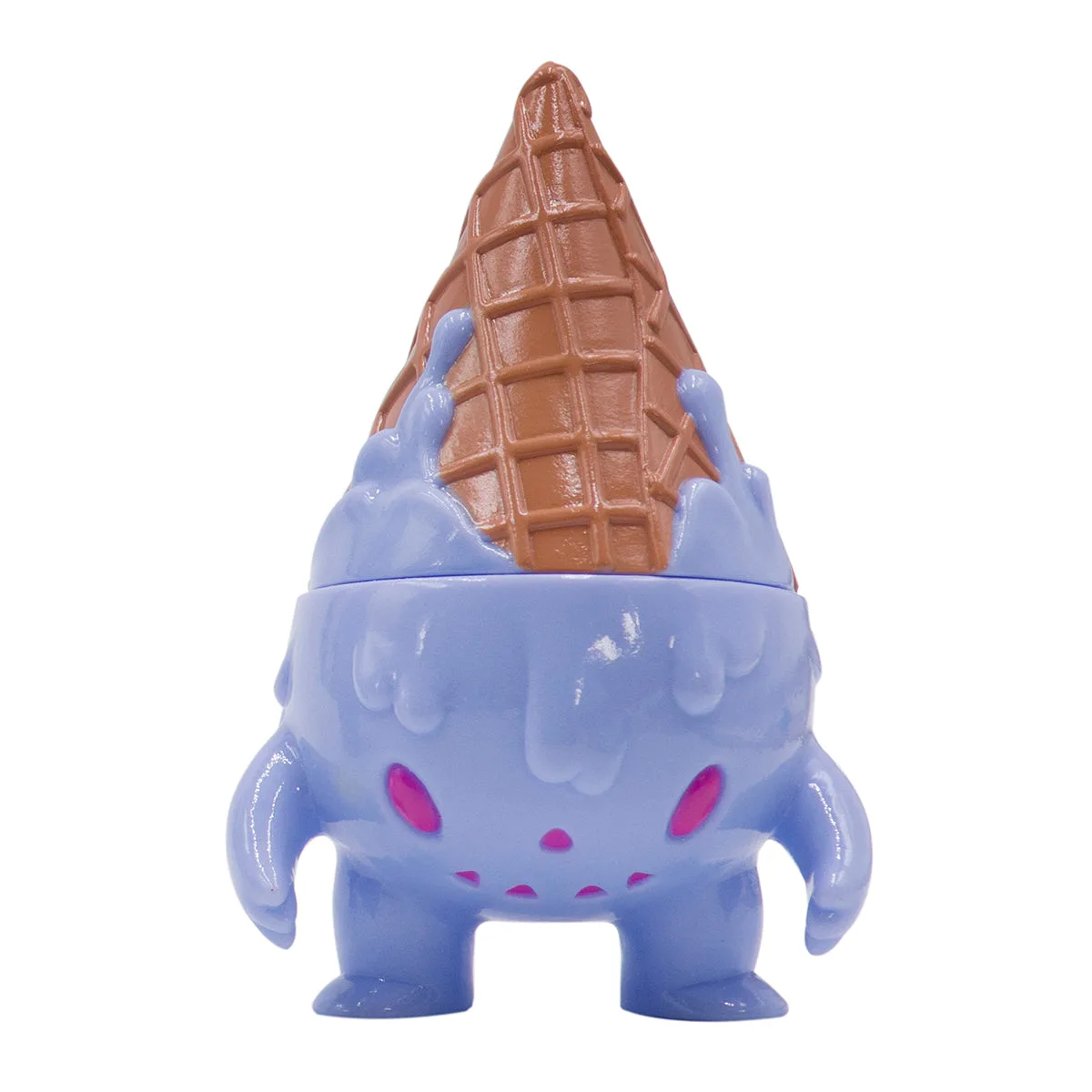
- Super7 Japanese Vinyl - Milton (Lavender): Super7 Japanese Vinyl - Milton (Lavender) is cast in clear lavender vinyl with sprays and comes poly-bagged with a custom header card. The header card is printed paper, so store it flat and out of sunlight rather than folded into a drawer, where creases and fading set in permanently.
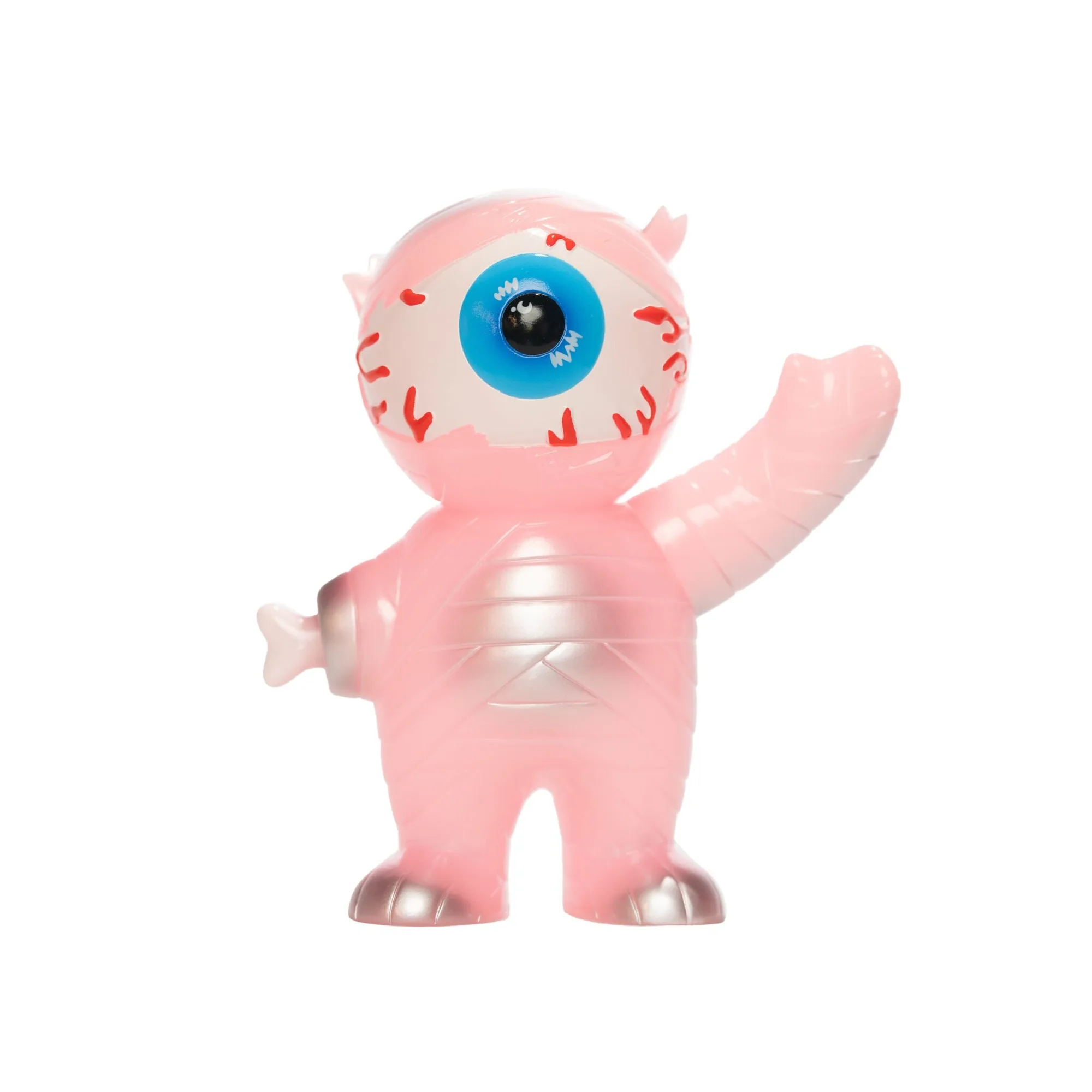
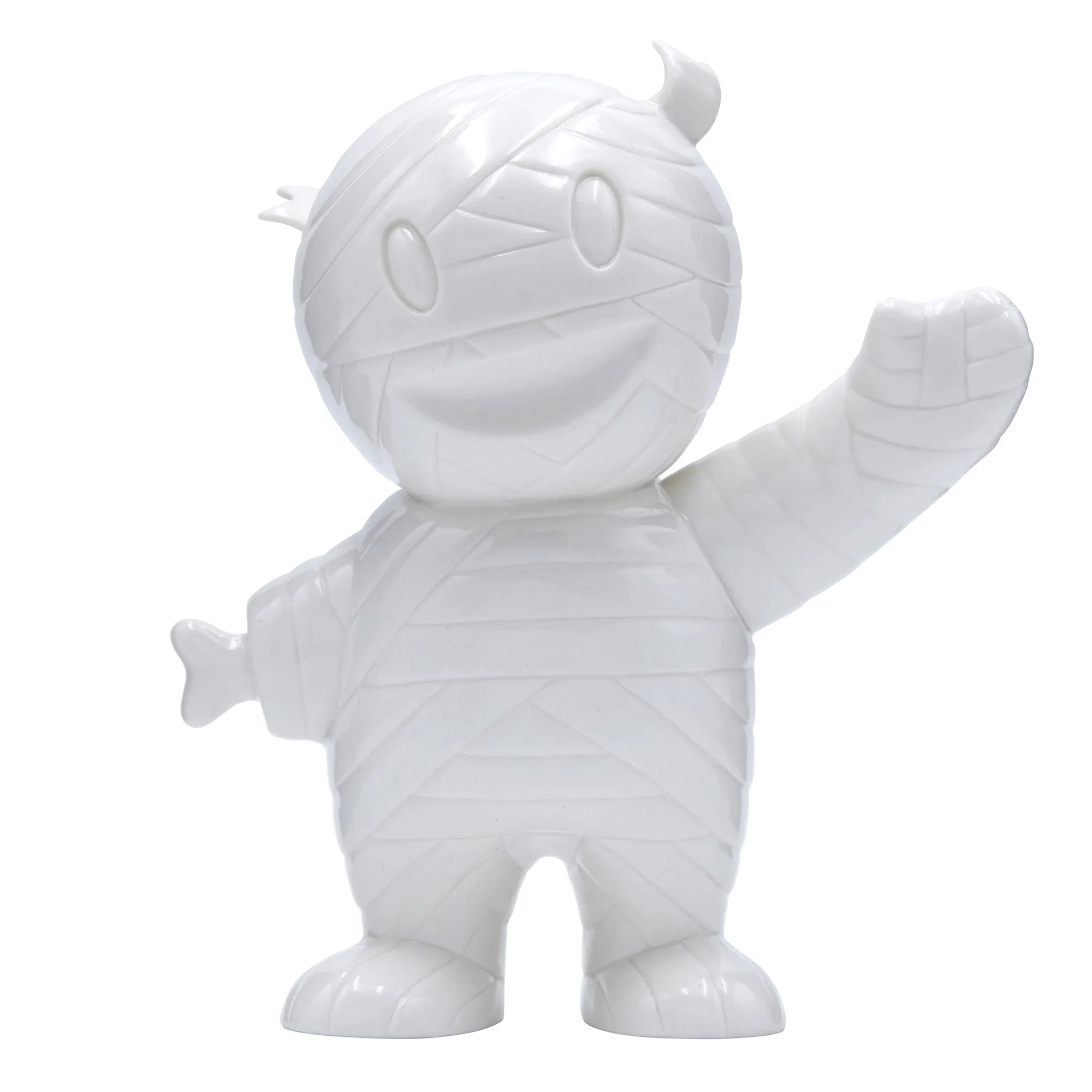
- Super7 Japanese Vinyl - Mascots - Keep Watch Mummy Boy (Night Vision): Keep Watch Mummy Boy (Night Vision) is cast in pink glow-in-the-dark vinyl with sprays and is handmade, hand-painted, and imported from Japan. Hand-painted sprays can be sensitive to prolonged direct sun and heat, so display this piece on an interior shelf rather than a bright windowsill.