Quick Answer
To support bone health naturally, focus on getting enough calcium, magnesium, and vitamin D through a balanced diet and targeted supplements. Pair these nutrients with weight-bearing exercise and avoid smoking and excessive alcohol. For many people, a daily supplement like NutraLife Magnesium Glycinate Capsules can help fill gaps, especially when dietary intake is insufficient.
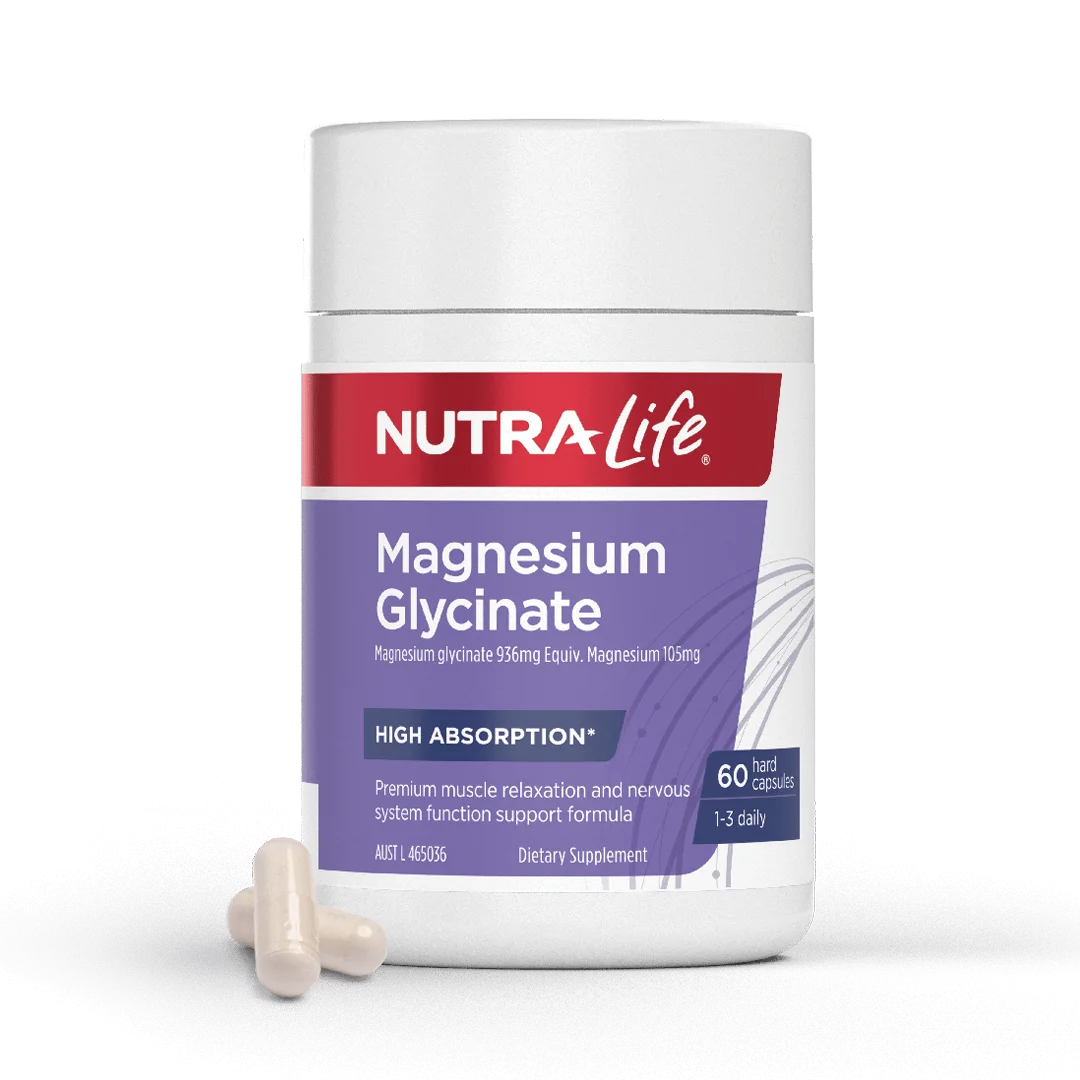
Magnesium Glycinate Capsules
Bone health isn’t just about calcium. Your skeleton needs a team of nutrients working together, and magnesium and vitamin D are two of the most important partners. Without enough magnesium, your body can’t properly use calcium, and without vitamin D, calcium absorption drops dramatically.
This guide walks you through a practical, step-by-step approach to supporting your bones naturally. You’ll learn what to eat, when to consider supplements, and which lifestyle habits make the biggest difference.
Why Calcium, Magnesium, and Vitamin D Work Together
Calcium is the building block of bone tissue, but it doesn’t work alone. Magnesium helps convert vitamin D into its active form, which then regulates calcium absorption. If you’re low on magnesium, even a high-calcium diet may not effectively strengthen your bones.
Vitamin D also supports bone remodeling by helping your body deposit calcium into the bone matrix. Without enough of all three, you may be missing out on the full bone-supporting benefits. This is why many bone health supplements combine these nutrients, though you can also get them from food and sunlight.
- Aim for 1,000–1,200 mg of calcium daily from food and supplements combined.
- Magnesium needs vary, but 300–400 mg per day is a common target for adults.
- Vitamin D from sunlight, food, or supplements helps your body absorb calcium efficiently.
Foods That Naturally Support Bone Health
Dairy products like yogurt, cheese, and milk are obvious calcium sources, but you can also get calcium from leafy greens, fortified plant milks, and canned fish with bones. Magnesium is abundant in nuts, seeds, whole grains, and dark chocolate.
Vitamin D is trickier to get from food alone. Fatty fish like salmon and mackerel, egg yolks, and fortified foods help, but many people still fall short. If you don’t get regular sun exposure, a supplement may be necessary.
- Include a serving of leafy greens (like kale or bok choy) daily for calcium and magnesium.
- Snack on almonds or pumpkin seeds for a magnesium boost.
- Consider fortified foods or a vitamin D supplement during winter months.
When to Consider Bone Health Supplements
Even with a balanced diet, gaps can happen. If you avoid dairy, have a restrictive diet, or live in a region with limited sunlight, supplements can help. Look for products that clearly state the form of each nutrient—like magnesium glycinate, which is known for better absorption.
For vitamin C, it’s not directly involved in bone structure, but it supports collagen production, which is a key part of bone matrix. However, for bone health, the priority is calcium, magnesium, and vitamin D. Always check labels for dosages and forms.
- Choose magnesium glycinate over magnesium oxide for better absorption.
- Check that your vitamin D supplement provides at least 600–800 IU daily, or more if your healthcare provider recommends it.
- Avoid mega-dosing calcium—excess may not be beneficial and could cause side effects.
Step-by-Step Plan to Support Bone Health Naturally
- Assess your current intake: Track your daily calcium, magnesium, and vitamin D from food for a few days. Use a food diary app or a simple notebook. Note if you regularly fall short of the recommended amounts. Checkpoint: If you consistently get less than 50% of the target, a supplement may be helpful.
- Add bone-friendly foods to your meals: Incorporate dairy or fortified alternatives, leafy greens, nuts, seeds, and fatty fish into your weekly menu. Aim for at least two servings of calcium-rich foods and one source of magnesium daily. Checkpoint: Variety is key—don’t rely on just one food source.
- Consider a targeted supplement: If your diet falls short, choose a supplement that provides magnesium glycinate for better absorption. For vitamin D, pick a dose that matches your needs—often 600–800 IU daily. Always follow the label instructions. Checkpoint: Consult a healthcare provider before starting new supplements, especially if you have health conditions.
- Incorporate weight-bearing exercise: Engage in activities like walking, jogging, dancing, or strength training at least three times a week. These exercises stimulate bone remodeling and help maintain density. Checkpoint: Start slowly if you’re new to exercise, and increase intensity gradually.
- Monitor your progress and adjust: After a few months, reassess your diet and how you feel. If you still have concerns about bone density, ask your doctor about a bone density test. Adjust your supplement routine as needed. Checkpoint: Bone health is a long-term investment—consistency matters more than perfection.
Products That Can Help
- Magnesium Glycinate Capsules: Nutra-Life® Magnesium Glycinate contains 100% of magnesium input from glycinate, a bio-available and organic form of magnesium, for higher absorption. Supports muscle relaxation, muscle function and nervous system function. Magnesium glycinate is a well-absorbed form that supports bone health indirectly by helping your body use calcium effectively. It’s a practical choice if you struggle with low magnesium levels.
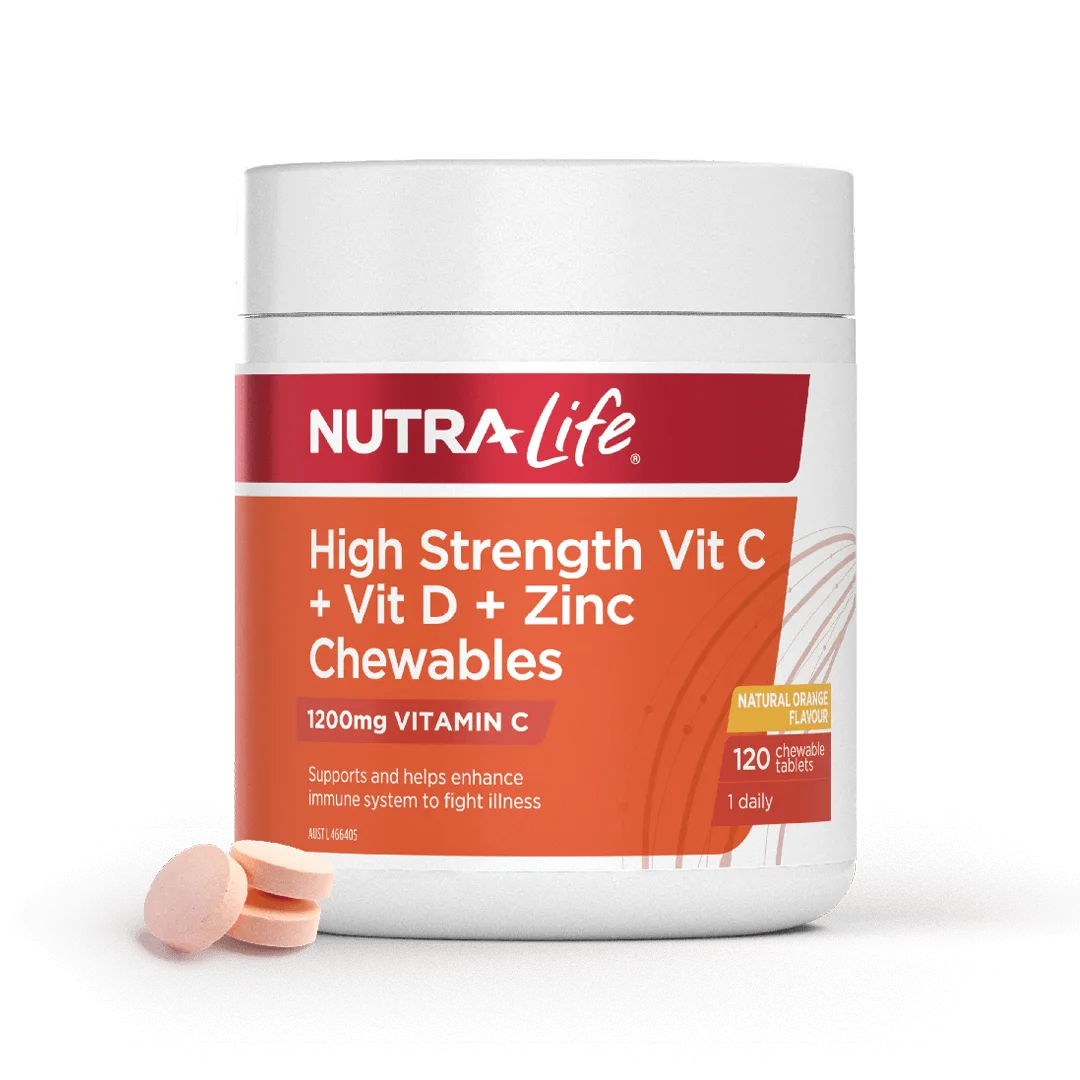
- High Strength Vit C + Vit D + Zinc Chewables: Combines a high strength 1200mg dose of Vitamin C with Vitamin D and Zinc in a tasty natural orange flavoured chewable, to help enhance and support Immune system function to fight illness. While this product is designed for immunity, the vitamin D it contains supports calcium absorption, making it a convenient way to get a bone-friendly nutrient if you’re already taking it for immune support.
Supporting bone health naturally doesn’t require a complicated regimen. Focus on a balanced diet rich in calcium, magnesium, and vitamin D, consider supplements when needed, and stay active. With these steps, you can give your bones the support they need for years to come.