Quick answer
Nickel 1-inch suspender and mitten clips grip fabric, elastic, and webbing up to about 1 inch wide, making them useful for suspenders, mitten keepers, straps, and craft projects. They hold best on woven fabrics and knit elastic, not on slick or very thick materials. If you need a no-sew way to attach or adjust a strap, these clips are a practical choice.
Suspender and mitten clips are small hardware pieces that do a simple job: grip a strap or fabric edge so you can attach, adjust, or secure it without sewing. The 1-inch nickel version is a common size because it fits standard suspender elastic, mitten cords, and many craft straps.
This FAQ answers the questions people ask most about these clips, including what they actually hold, how they compare with other clip styles, and when a different fastener might work better.
What do suspender clips actually hold?
Suspender clips are designed to grip flat straps, elastic, and fabric edges. The 1-inch size is measured by the width of the opening where the strap feeds through, so it works best with materials up to about 1 inch wide. Common uses include suspender straps, mitten keepers, adjustable straps on bags or aprons, and craft projects that need a removable or adjustable attachment.
The gripping power comes from the teeth inside the clip. They bite into the material when the clip is closed, which is why woven fabrics and knit elastic hold well. Slick materials like nylon webbing or coated fabrics can slip, and very thick materials may not fit through the opening at all.
- Test the clip on a scrap of your material before attaching it to a finished project.
- If the clip slides, try a wider size or a different clip style with stronger teeth.
Where do 1-inch nickel clips fit best?
The 1-inch size is a middle-of-the-road option. It is large enough to hold standard suspender elastic and mitten cords, but small enough for lighter craft straps. Nickel plating gives a neutral, slightly shiny finish that works with most hardware and does not stand out on casual projects.
These clips are often used in pairs, which is why they are sold as a 2-piece set. That is enough for one mitten keeper or one adjustable strap. If you are making suspenders, you will need two pairs, one for each side.
- Measure your strap width before ordering. A 1-inch clip needs a strap that is slightly narrower than 1 inch for easy feeding.
- For heavy-duty use, look for a clip with a stronger spring or a different locking mechanism.
How do these compare with other clip styles?
Suspender clips are sometimes confused with craft clips, suspender clips, or mitten clips. The difference is usually in the jaw shape and the spring tension. Mitten clips often have a slightly wider opening and a gentler grip so they do not damage knit mittens. Suspender clips tend to have a firmer grip for holding up trousers.
If you need a clip that opens and closes often, look for one with a smooth cam or lever. The basic nickel clip is simple and reliable, but it is not meant for constant adjustment. For projects where the clip stays closed most of the time, it is a good fit.
- Use mitten clips for knit accessories where a gentle grip matters.
- Use suspender clips for firmer hold on woven straps and waistbands.
Can you use them for crafts and no-sew projects?
Yes. These clips are popular in no-sew projects because they let you attach straps, handles, or hanging loops without stitching. They work well with fabric, elastic, and webbing, and they can be removed and repositioned if needed. The nickel finish is durable and resists tarnishing, so it holds up to regular use.
For a secure hold, fold the fabric or elastic over the clip's bar and press the teeth into the material. If the material frays, seal the edge first with a bit of fray check or a hot knife. For heavy loads, add a few stitches through the strap for extra security.
- Reinforce the strap end with a double layer of fabric if the clip will bear weight.
- Check the clip periodically for loosening, especially on items that get pulled on and off.
What should you check before buying?
First, confirm the strap width. The clip opening is the limiting factor. Second, consider the material. Nickel clips grip best on woven fabrics and knit elastic; they may slip on slick or coated materials. Third, think about the load. These clips are not designed for heavy-duty lifting or safety-critical applications.
If you need a clip for a specific project, read the product description carefully. Some clips are sold as sets with tools, while others are just the clips. The 2-piece set is a good starting point for a single small project or a test run.
- Order a spare set if you are unsure about the size or grip.
- Keep clips away from children; they are small and can be a choking hazard.
Quick answers to common clip questions
What size strap fits a 1-inch suspender clip?
The clip opening is about 1 inch wide, so it fits straps, elastic, and fabric up to that width. A strap that is slightly narrower feeds through more easily. Measure your strap before ordering; if it is wider than 1 inch, size up.
Do these clips work on mittens?
Yes, they can hold mitten cords or knit cuffs, but the grip may be firmer than a dedicated mitten clip. Test on a scrap first to avoid snagging the knit. For delicate knits, look for a clip with a gentler spring.
Can I use them for suspenders?
Yes, they are designed for suspender straps. You will need two pairs (four clips) for a full set of suspenders, and the strap should be woven or elastic, not slick. Pair them with a soft knit elastic that stays flat when stretched.
How do I attach a suspender clip without sewing?
Feed the strap through the clip's bar, fold it over, and press the teeth into the fabric. For extra security, add a few hand stitches or a rivet. No-sew works for light use; add stitching for heavy loads.
Will nickel clips rust or tarnish?
Nickel plating resists tarnishing and corrosion better than bare metal, but it is not waterproof. Wipe them dry if they get wet. Nickel is a durable finish for everyday use, but not for constant moisture.
Product facts
- 1-1/4" Sport Elastic, White: Dritz Sport Elastic is a soft and flexible knit elastic that doesn't curl, twist, or narrow when stretched, and is machine washable and dryable up to 200 degrees F. This elastic is a good match for suspender clips because it stays flat and holds its shape, so the clip's teeth can grip it securely without slipping.
- Double-Cap Rivets & Tools, 120 Sets: Dritz Double-Cap Rivets secure multiple layers of material and provide a finished appearance on both sides, and can be used as a no-sew option on fabric, vinyl, leather, canvas, and belting. If you need a permanent, heavy-duty attachment instead of a removable clip, rivets are a stronger alternative for straps and layers that won't be adjusted often.
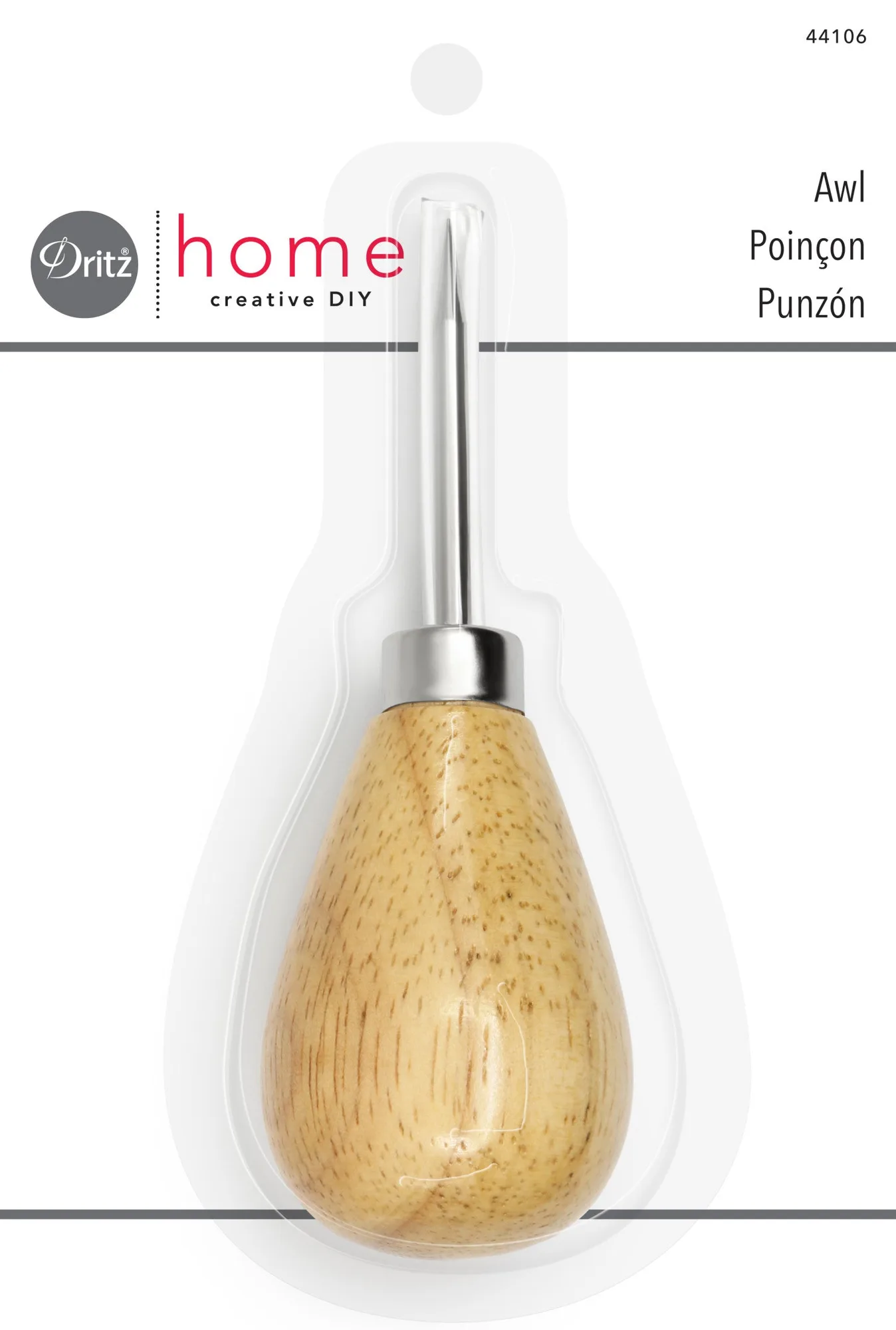
- https://prymamerica.com/products/44106-6510528d736c7d9a6ff06182-1316585Awl with Wooden Handle: The Dritz Home awl punches, marks, or starts holes for DIY home decorating applications, including furniture reupholstery and drapery projects, and can start holes for small wood screws, screw eyes, or tieback hooks. An awl helps you start holes for rivets or hardware without damaging the fabric, which is useful when you are adding clips or other fasteners to a project.
Nickel 1-inch suspender and mitten clips are a simple, no-sew solution for holding straps, elastic, and fabric edges. Match the clip size to your strap width, test the grip on a scrap, and choose a different fastener if you need a permanent or heavy-duty hold.