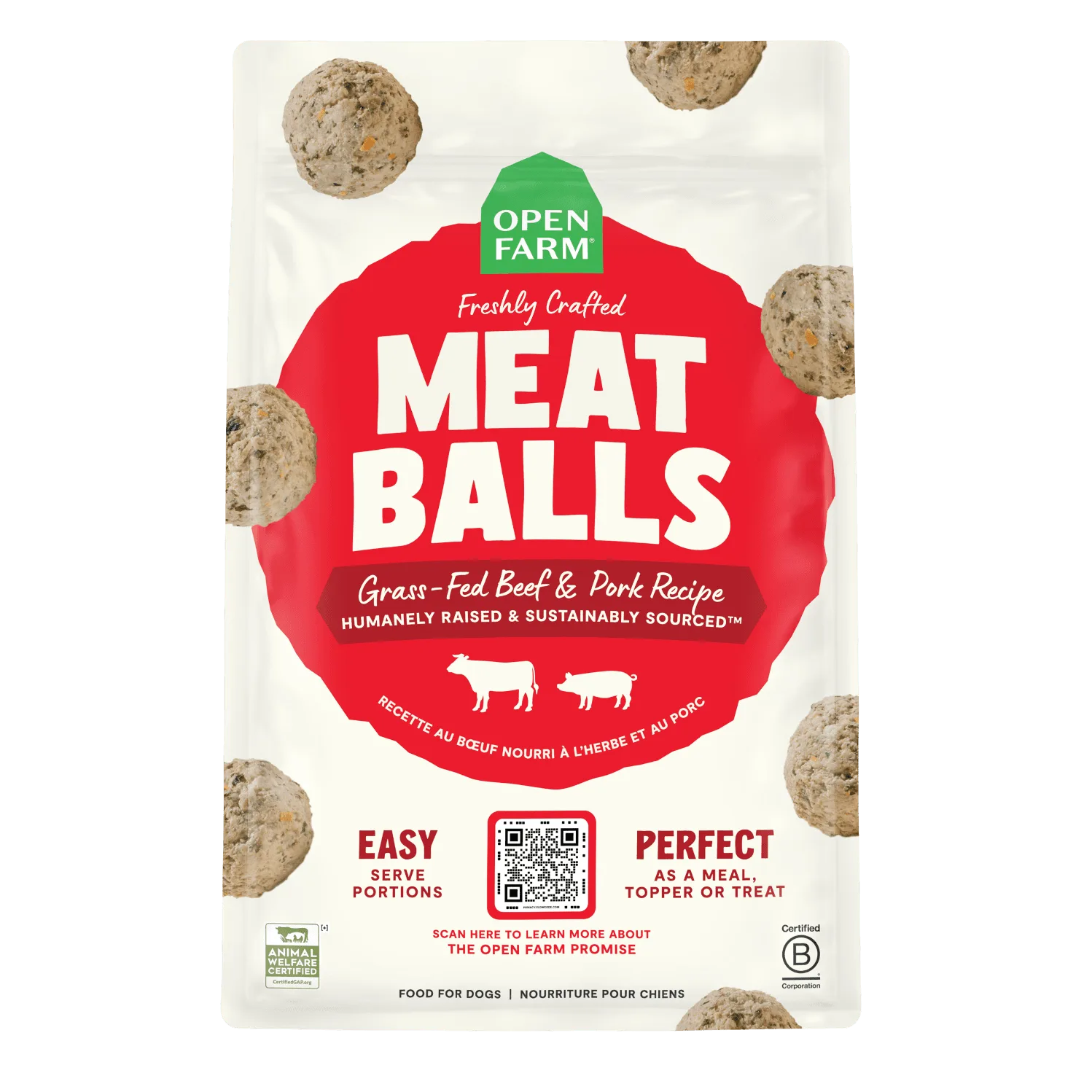
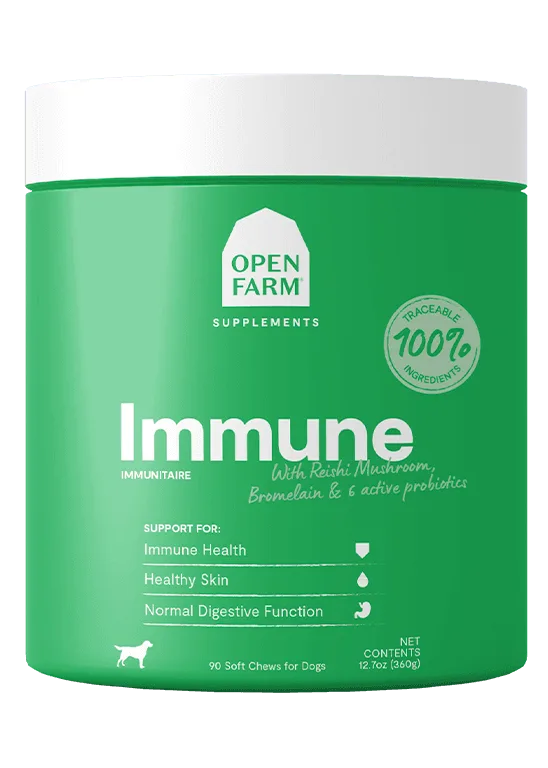
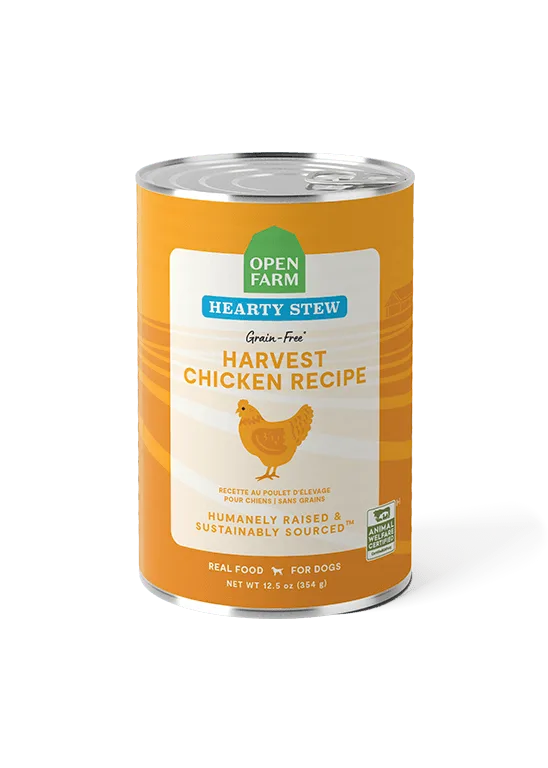
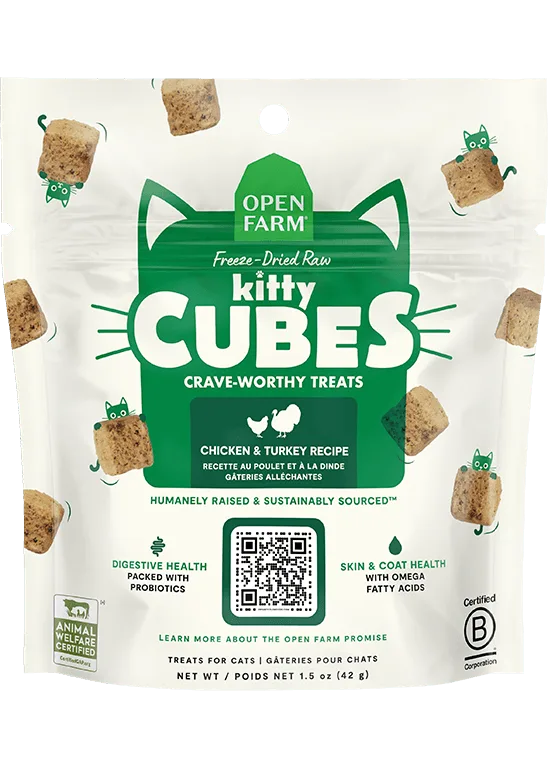
As pet parents become more conscious of their environmental footprint, sustainable pet food packaging has emerged as a crucial topic in the pet industry. Traditional plastic-based bags and pouches often end up in landfills, contributing to the global plastic crisis. But with growing demand for eco-friendly pet food, many brands are rethinking their packaging materials and designs.
In this article, we explore what sustainable pet food packaging looks like, why it matters for your pet and the planet, and how you can identify truly green products. Whether you feed dry kibble, wet food, or toppers, understanding packaging sustainability helps you make informed choices that align with your values.
Why Sustainable Pet Food Packaging Matters
The pet food industry produces billions of packaging units each year, most of which are multi-layer plastic pouches that are difficult to recycle. These materials often contain a mix of plastics and aluminum to preserve freshness, but that complexity makes them non-recyclable in standard curbside programs. As a result, the majority ends up in landfills or incinerators.
Choosing products with sustainable packaging reduces waste, lowers carbon emissions from production, and supports a circular economy. Brands that invest in recyclable, compostable, or reduced-plastic packaging are leading the shift toward a greener future. For pet owners, this means you can nourish your dog or cat while minimizing environmental harm.
- Look for packaging labeled as recyclable (check local guidelines) or made from post-consumer recycled materials.
- Avoid excessive secondary packaging like plastic overwraps or non-recyclable liners.
Key Materials in Sustainable Pet Food Packaging
Several materials are emerging as more sustainable alternatives to conventional plastic. Recyclable paper and cardboard are used for dry kibble boxes and some treat packaging. Mono-material plastics (single type, not multi-layer) are easier to recycle than mixed composites. Compostable materials, often made from plant-based sources like cornstarch or cellulose, can break down in industrial composting facilities.
However, not all eco-friendly claims are equal. Terms like 'biodegradable' or 'green' can be misleading without certification from trusted organizations such as the Biodegradable Products Institute (BPI) or the Forest Stewardship Council (FSC). Always check for third-party logos and read the fine print to ensure the packaging is truly sustainable.
- Mono-material PE or PP pouches are increasingly used for dry food and treats.
- Compostable bags require specific conditions to break down—home composting may not work.
How to Identify Truly Eco-Friendly Pet Food Packaging
When shopping for pet food, look beyond the front label. Turn the package over and check for recycling symbols, material composition, and disposal instructions. Brands that are transparent about their packaging often provide details on their website. Also consider buying in bulk or larger sizes to reduce per-serving packaging waste.
Some companies have introduced refill programs or reusable containers, though these are still niche. For now, choosing brands that prioritize recyclable or compostable packaging is a practical step. For example, when selecting a topper or kibble, you can look for options that come in recyclable bags or cans. Products like the Salmon Topper for Dogs and the RawMix Open Prairie Grain-Free Cat Kibble are examples of items that often come in packaging designed with sustainability in mind.
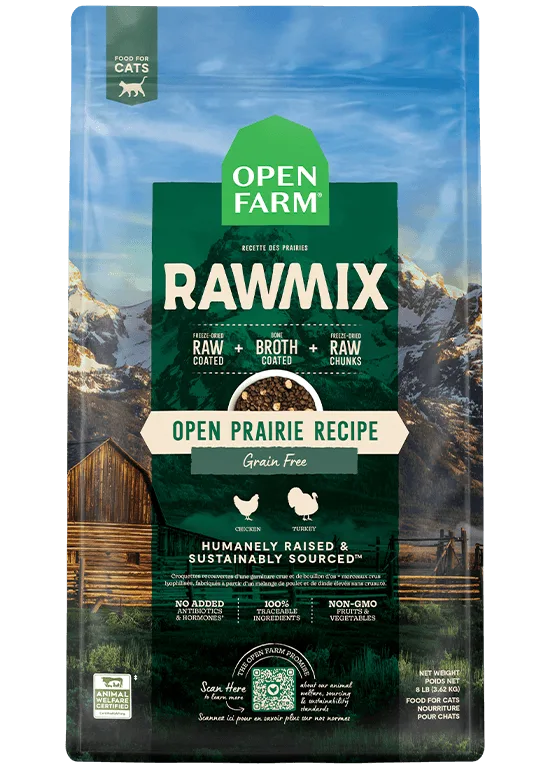
RawMix Open Prairie Grain-Free Cat Kibble
- Check for the 'How2Recycle' label, which provides clear recycling instructions.
- Avoid products with excessive plastic wrapping or non-recyclable stand-up pouches.
The Role of Wet Food and Toppers in Sustainable Packaging
Wet pet food traditionally comes in metal cans, which are highly recyclable and have a well-established recycling infrastructure. Aluminum and steel cans can be recycled indefinitely without quality loss, making them an excellent choice for eco-conscious pet owners. Similarly, some brands offer wet food in recyclable cartons or pouches made from mono-materials.
Toppers and treats also present opportunities for sustainable packaging. Many brands now use recyclable stand-up pouches or compostable wrappers. When choosing a topper, consider the packaging as part of your overall environmental impact. Products like the Wild-Caught Whitefish & Pollock Digestive Health Pâté for Dogs and the Goodbowl Wild-Caught Salmon & Brown Rice Cat Kibble are examples where thoughtful packaging can complement high-quality ingredients.
- Metal cans are widely recycled—rinse and remove labels before recycling.
- Some wet food pouches are now made from mono-material plastic for better recyclability.
Making the switch to sustainable pet food packaging is a small but impactful way to reduce your pet's environmental pawprint. By choosing brands that prioritize recyclable, compostable, or reduced-plastic packaging, you support a healthier planet for future generations of pets and people. Next time you shop, take a closer look at the package and opt for products that align with your eco-friendly values. For a great start, explore the Salmon Topper for Dogs, which comes in packaging designed with sustainability in mind.