Quick answer
The most sustainable silk purchase is the one you wear often and keep for years, not the one with the most labels. Prioritize pieces that fit your real routine, can be cared for simply, and work across multiple occasions. Ethical silk production matters, but wear count is what actually lowers a garment's footprint.
Silk has a reputation problem and a promise. It is a natural protein fiber produced by silkworms, and it is also one of the more resource-intensive textiles to make, which is why conversations about sustainable silk and ethical silk production have moved from trade journals into everyday shopping.
This guide skips the vague green language and gives you decision rules you can apply at checkout. The goal is simple: buy fewer silk pieces, choose them well, and wear them long enough that the material's durability does real environmental work.
What sustainable silk actually refers to
Sustainable silk is a broad term covering how the fiber is produced, how workers are treated, and how long the finished garment stays in use. On the production side, the main questions are what silkworms are fed, how water and energy are managed, and whether chemicals used in degumming and dyeing are handled responsibly. On the social side, ethical silk production means fair labor practices across farming, reeling, and sewing.
For a shopper, most of that is invisible. What you can evaluate is the garment in front of you: fiber content, construction quality, care requirements, and whether the design suits your actual life. A silk robe you wear three times a week for years is a better environmental outcome than a cheaper piece that pills, snags, or gets relegated to the back of the closet.
- Ask what the care label requires before you buy, not after.
- Check whether the piece works for at least two occasions in your routine.
- Treat fiber content and construction as the visible part of a mostly invisible supply chain.
Why wear count beats certification alone
A certification tells you something about how a fiber was produced. It does not tell you how many times you will wear the finished piece. The environmental math of any garment improves every time you wear it, because the production impact is spread across more uses. This is why fit, comfort, and versatility are sustainability decisions, not just style decisions.
That reframes the buying question. Instead of asking whether a piece is eco-friendly silk, ask whether you will reach for it on a normal Tuesday. If the answer is no, the most responsible choice is usually to skip it, even if the label is impressive.
- Estimate your real wear frequency before comparing price per wear.
- A piece that needs special care you will not do is a piece you will not wear.
- Versatility across seasons and occasions raises wear count more than any single feature.
How to read a silk product page without greenwashing
Product pages often use words like natural, pure, and luxury without defining them. Look for concrete statements: fiber content, weight or momme if listed, and care instructions. If a page claims sustainability but gives no care guidance, treat the claim as marketing until you find specifics.
When a specification is missing, that is a decision limitation, not a hidden fact. You can still buy well by focusing on what is disclosed, such as the fabric description and the available size and color options, and by asking the brand directly about production and care.
- Prefer pages that state fiber content and care instructions plainly.
- Treat undefined terms like eco-friendly silk as prompts to ask questions.
- If you cannot confirm a claim, decide based on fit, care, and versatility instead.
Fit and care decisions that extend a silk piece's life
Fit affects longevity. A silk piece that pulls at the shoulders or strains across the back will wear out faster at those stress points. Choose a size that allows comfortable movement, especially in pajama sets and robes where you will sit, sleep, and move naturally. Available size and color options are listed on each product page, so use them rather than guessing.
Care is the other half. Silk generally rewards gentle handling, and the specific instructions on your garment's label should guide you. If you know you will not hand wash or air dry, factor that honestly into the decision. Choosing a piece whose care routine matches your habits is one of the most practical forms of silk sustainability there is.
- Check shoulder and hip room in any silk set before committing.
- Match the care routine to your real habits, not your intentions.
- Store silk away from direct sunlight and rough hardware to reduce snags.
Decision rules for buying sustainable silk
- Rule 1: Buy for your real week, not your imagined occasions: If a silk piece only fits one event you attend once a year, its wear count stays low no matter how it was produced. Choose designs that fit at least two recurring situations in your life, such as sleep and weekend mornings. Checkpoint: name two occasions you will actually wear it before buying.
- Rule 2: Let the care label decide as much as the fabric: Silk that needs care you will not perform will not last. Read the instructions on the product page and be honest about whether you will follow them. A simpler care routine usually means more wears. Checkpoint: if the care routine does not match your habits, choose a different piece.
- Rule 3: Treat missing specifications as a question, not a dealbreaker: When a product page does not state a specification, do not assume it. Ask the brand directly about fiber content, production, and care. If the answer is clear and the fit works, you can buy with confidence. Checkpoint: unresolved claims should shift your decision to fit, care, and versatility.
- Rule 4: Prioritize fit at stress points: Shoulders, underarms, and hips take the most strain in silk garments. Choose a size with comfortable movement rather than a tight fit, and use the available size options to get it right. Checkpoint: if it pulls when you move, size up or choose a different cut.
Mers Silk pieces that support a wear-more approach
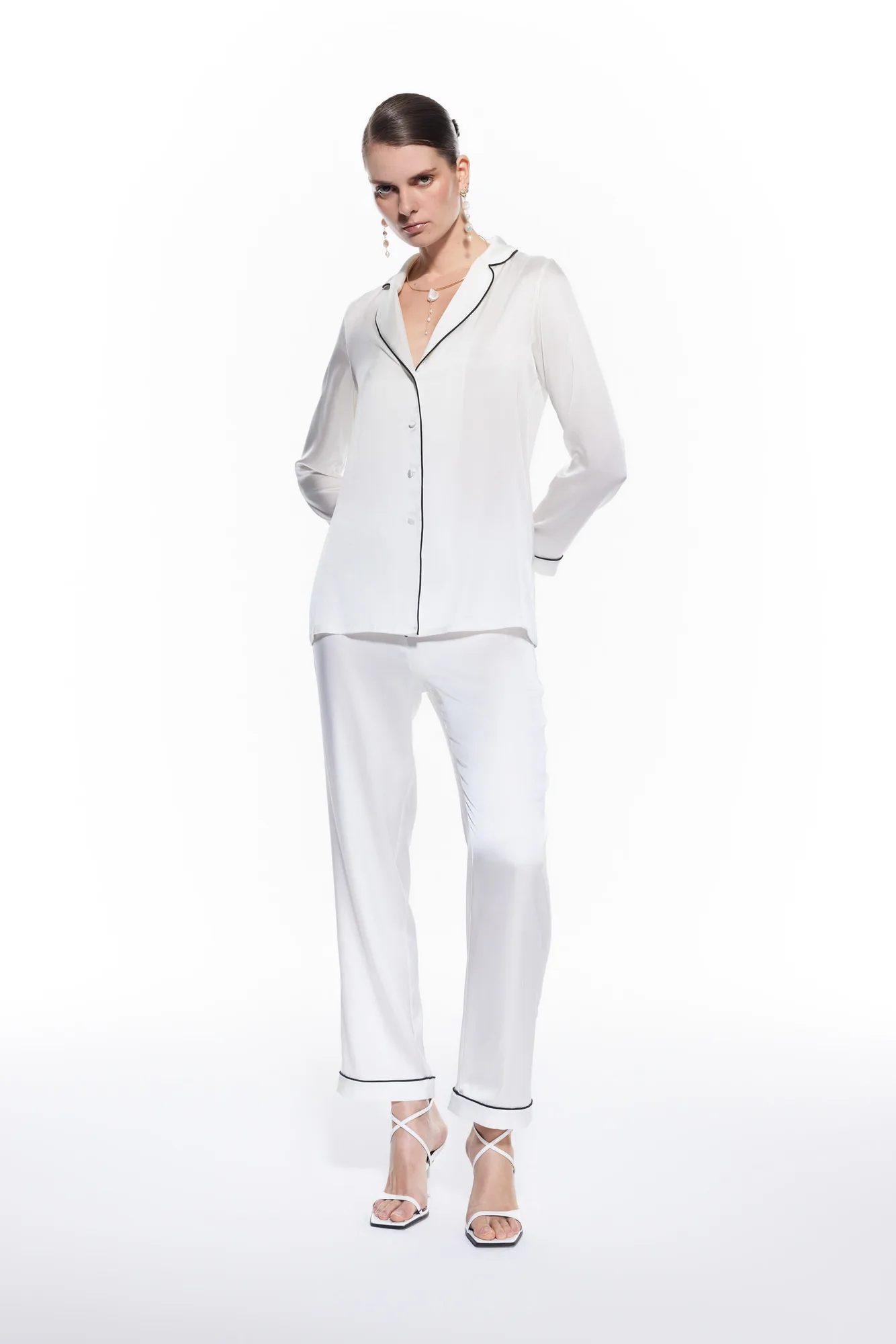
- Carmen Silk Pajama Set Bridal White: Designed for brides who appreciate timeless elegance, effortless comfort, and refined simplicity, combining classic tailoring with the luminous beauty of silk. Classic tailoring and a neutral bridal white make this set easy to wear beyond the wedding morning, which raises its wear count.
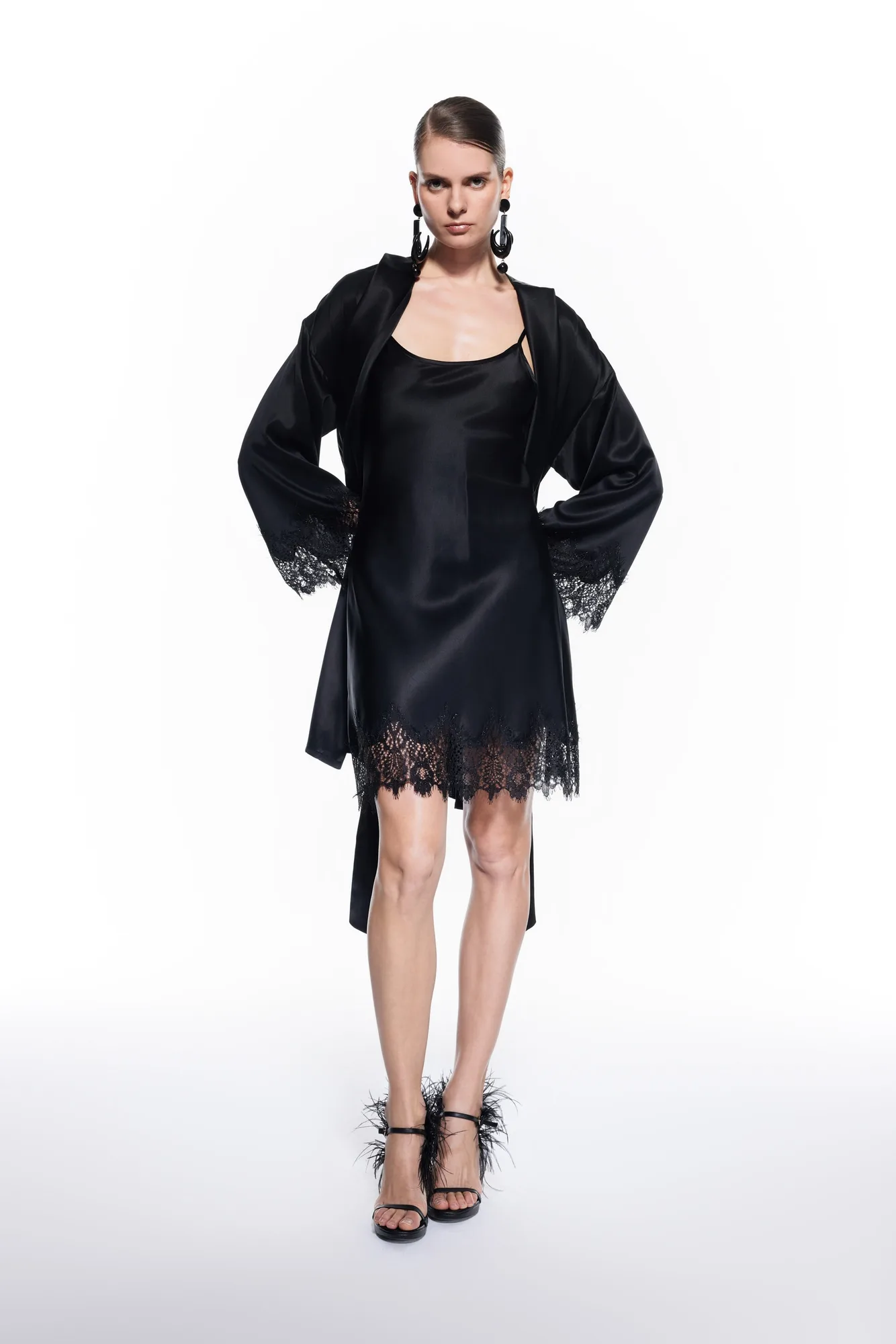
- Maison Silk Robe Black: Combines luminous silk with delicate lace craftsmanship and a fluid silhouette for graceful movement. A black robe works across seasons and occasions, so it tends to get worn far more often than a single-event piece.
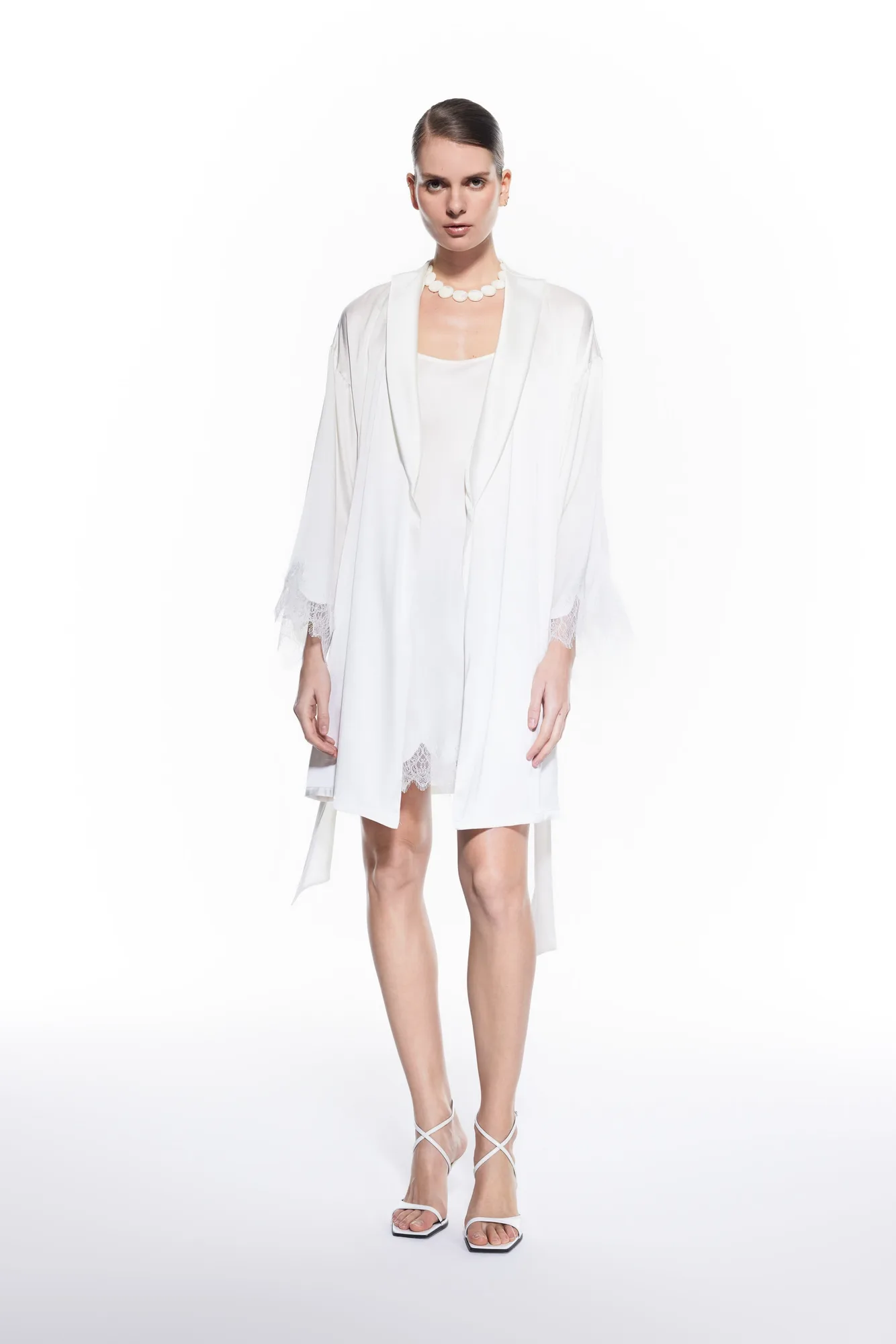
- Verita Silk Robe Bridal White: Crafted from luminous silk with delicate lace accents, intended for bridal preparations and honeymoon mornings. If you want a bridal robe that also works for quiet mornings afterward, this is the more occasion-flexible choice.
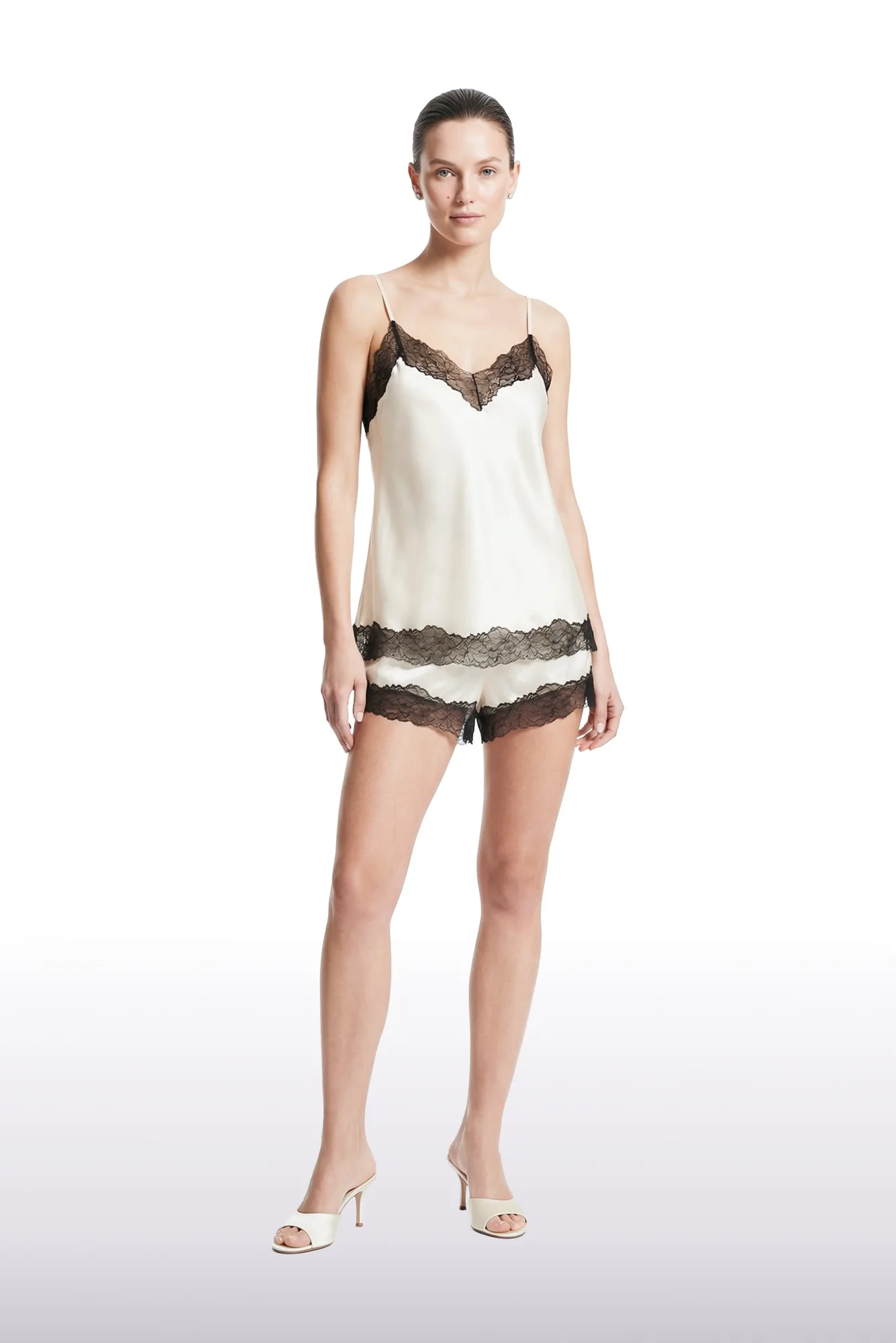
- Belle Nuit Silk Shorts Ecru: Combines luminous silk with delicate lace craftsmanship for refined simplicity and everyday softness. Shorts are the easiest silk piece to wear casually, making them a low-commitment way to test how silk fits your routine.
Who should choose silk this way
Best for
- Shoppers who want fewer, longer-worn silk pieces rather than a large rotation
- Brides who want bridal silk that stays in use after the wedding
- Buyers willing to match care routines to their real habits
Not for
- Shoppers looking for the lowest upfront price regardless of wear count
- Buyers who want a single-event outfit they will not wear again
- Anyone unwilling to follow the care instructions on the garment label
Sustainable silk is less about a label and more about a habit: choose pieces that fit, suit your routine, and can be cared for simply, then wear them often. Use the decision rules above at checkout, and let wear count be your final measure.